The quiet shift happening in your local shopping district
I walked into a small shop in my neighborhood last Tuesday. The air smelled like cedar and polishing cloth. No fluorescent hum. Just the soft clink of metal on glass.
It wasn't a chain. It wasn't a kiosk. It was a workshop disguised as a boutique. And that distinction matters more than you think.
There's a real pivot happening in how Americans buy accessories. The data shows a % rise in local maker engagement over the last two years. People are tired of looking in the mirror and seeing the same face as everyone else.
This isn't just a trend. It's a rejection of the assembly line. You want a piece that tells a story. A story with fingerprints on it. A story with a name behind it.
Why the mass produced ring is losing its shine
Here's the thing. You know that silver ring from the mall? The one that looked great on the display stand? Six months later, it's tarnished. The clasp is loose. It feels cold and lifeless.
Mass production prioritizes speed over soul. It uses alloys that break. It uses stones that chip. It's designed to be replaced, not cherished.
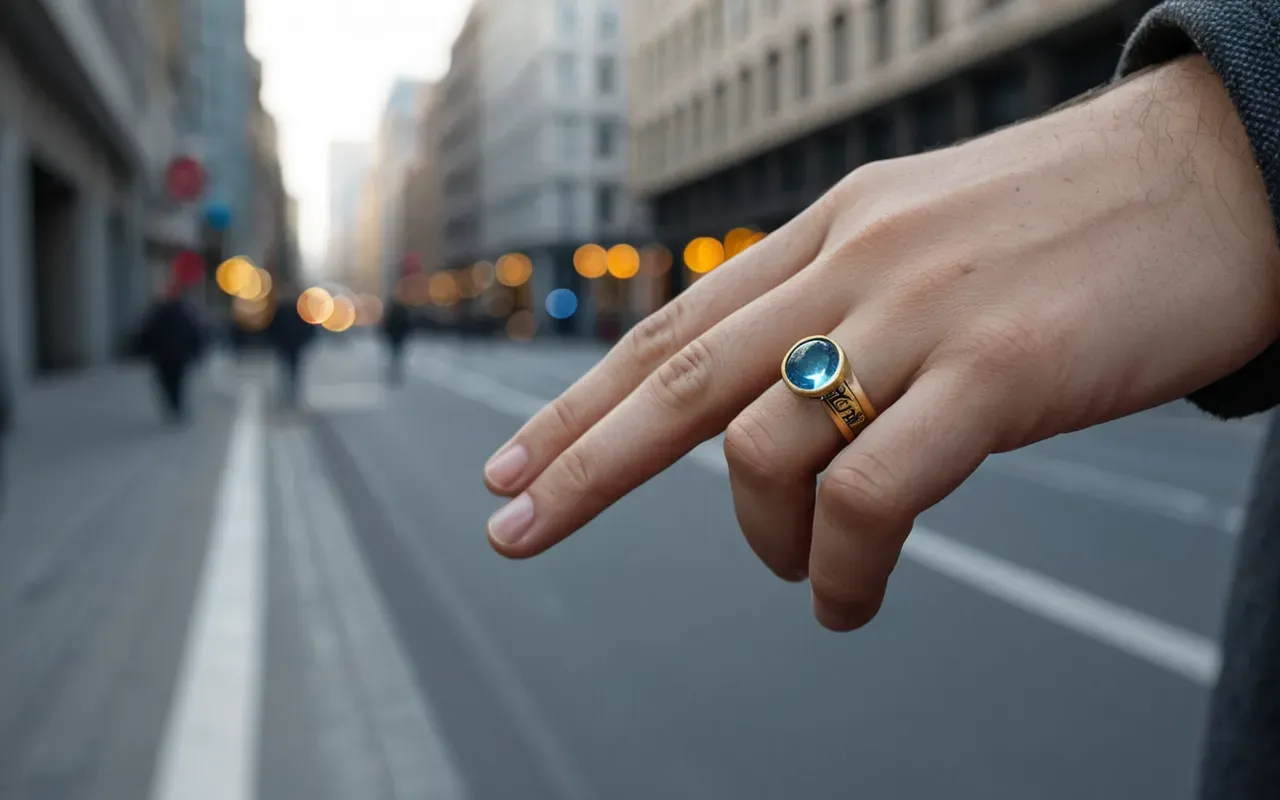
Contrast that with a piece made by hand. The wire is twisted with intention. The stone is set with care. There's a human rhythm in the craftsmanship. You can feel it when you hold it.
I've seen this shift firsthand. My favorite earrings were made by a woman two blocks away. She used recycled copper. She told me about her process while I watched her file the edges. That connection changed everything.
The signs you are standing in a true artisan shop
Sign . The tools are visible
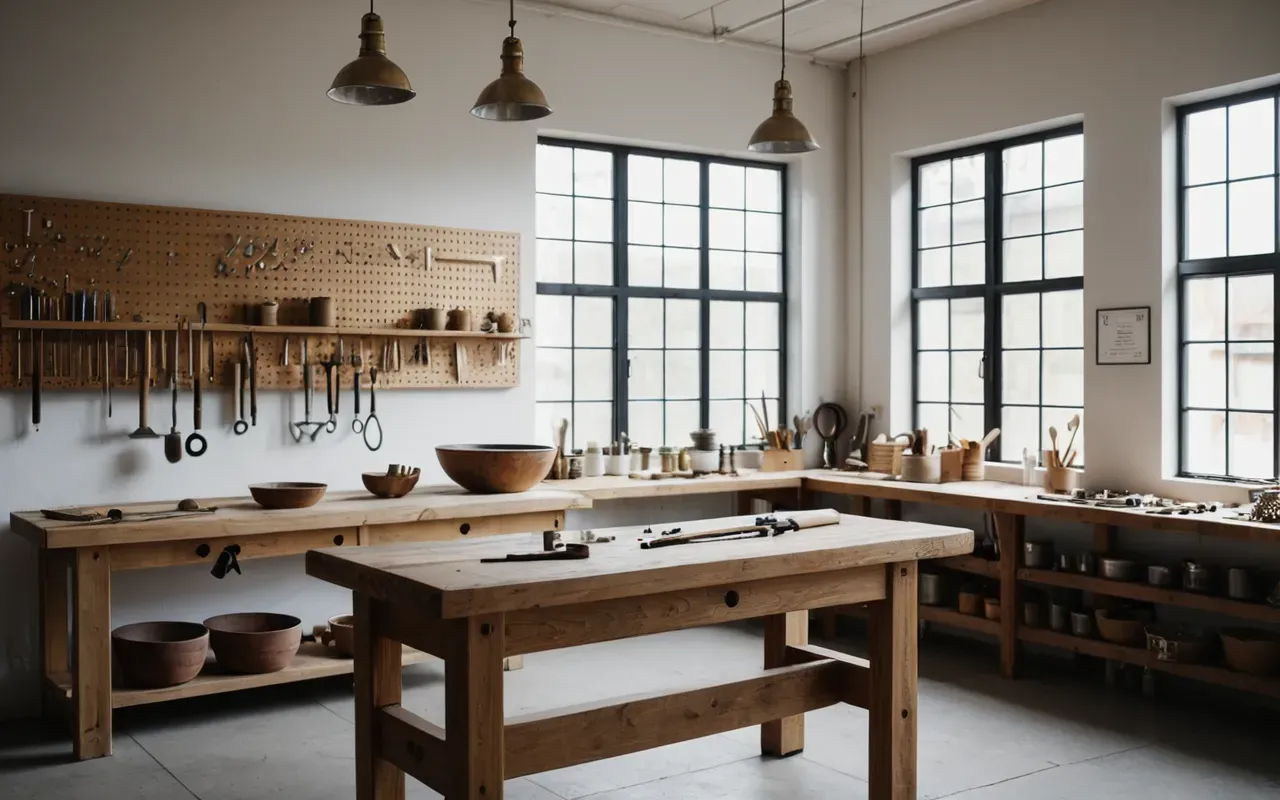
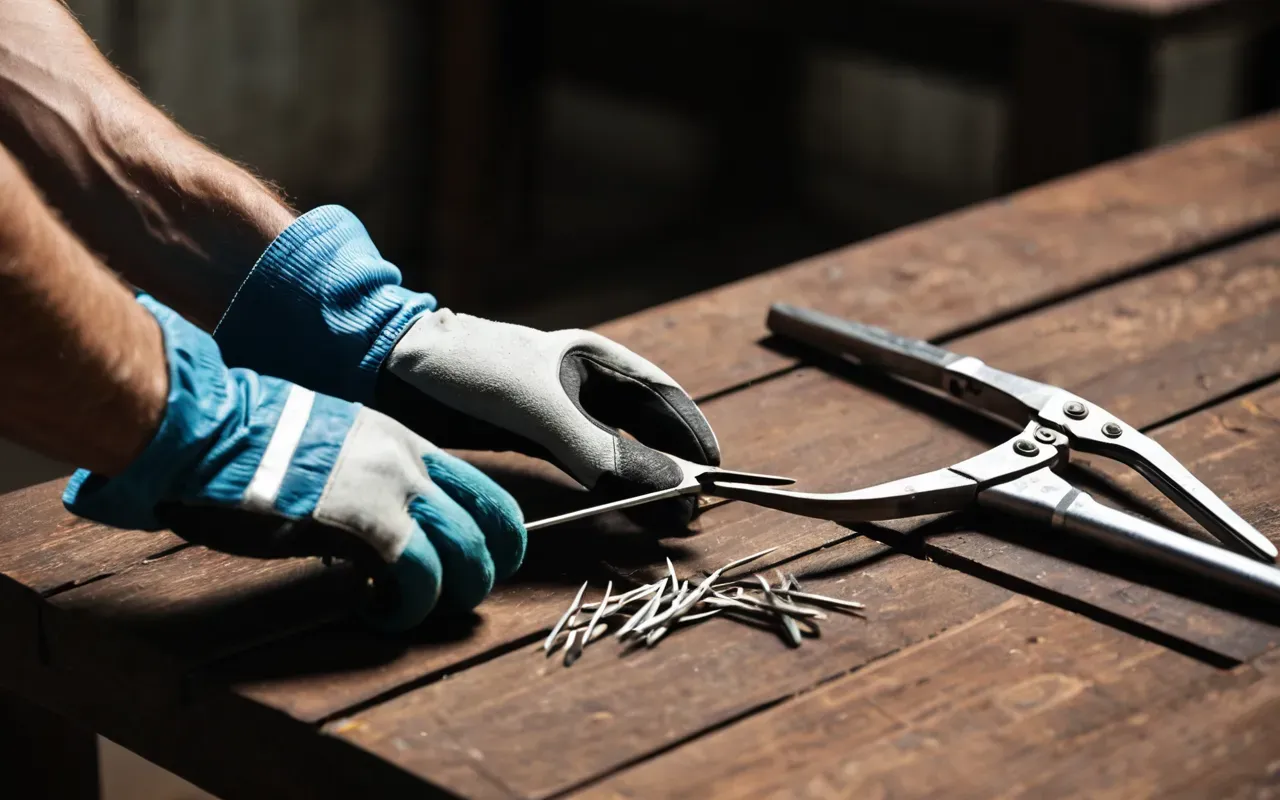
A real maker shows their work. You'll see hammers, files, and wire cutters. They're not hidden behind glass. They're part of the experience. It proves the work is done on site.
Sign . The inventory is small
If you see fifty identical pairs of earrings, walk away. An artisan makes limited runs. Often, just one of a kind. Scarcity is a feature, not a bug. It means someone spent hours creating that specific item for you.
Sign . The staff can explain the process
Ask them how the clasp works. Ask them about the metal. A salesperson recites a script. A maker describes a technique. They'll talk about annealing, soldering, and polishing. They'll use the language of the craft.
How to find your next favorite piece without the guesswork
Searching online is easy. But it lacks soul. You can't smell the solder. You can't hear the hammer. You can't see the light catch the stone in real time.
Start with local markets. Farmers markets are great, but craft fairs are better. Look for booths with live demonstrations. The makers who show their work are the ones who care about quality.
Check out local design districts. Many cities have dedicated areas for artists. These are hubs of creativity. You'll find a concentration of talent in a small geographic radius.
If you're curious about why the $12 wire trick is quietly making mass produced jewelry brands look cheap, it often starts with understanding the value of manual labor over machine speed.
The sustainability angle you are ignoring
Let's be honest. Fast fashion is a disaster. It wastes resources. It exploits labor. It creates mountains of plastic and metal waste. Buying local is one of the most effective ways to vote with your wallet.
Local makers often use recycled materials. They source stones from ethical mines. They reduce shipping emissions. Every dollar you spend locally stays in the community. It supports other small businesses.
This isn't about being perfect. It's about being better. It's about making a choice that aligns with your values. It's about wearing something that doesn't cost the earth to make.
What to ask before you buy
Question . Where did the materials come from
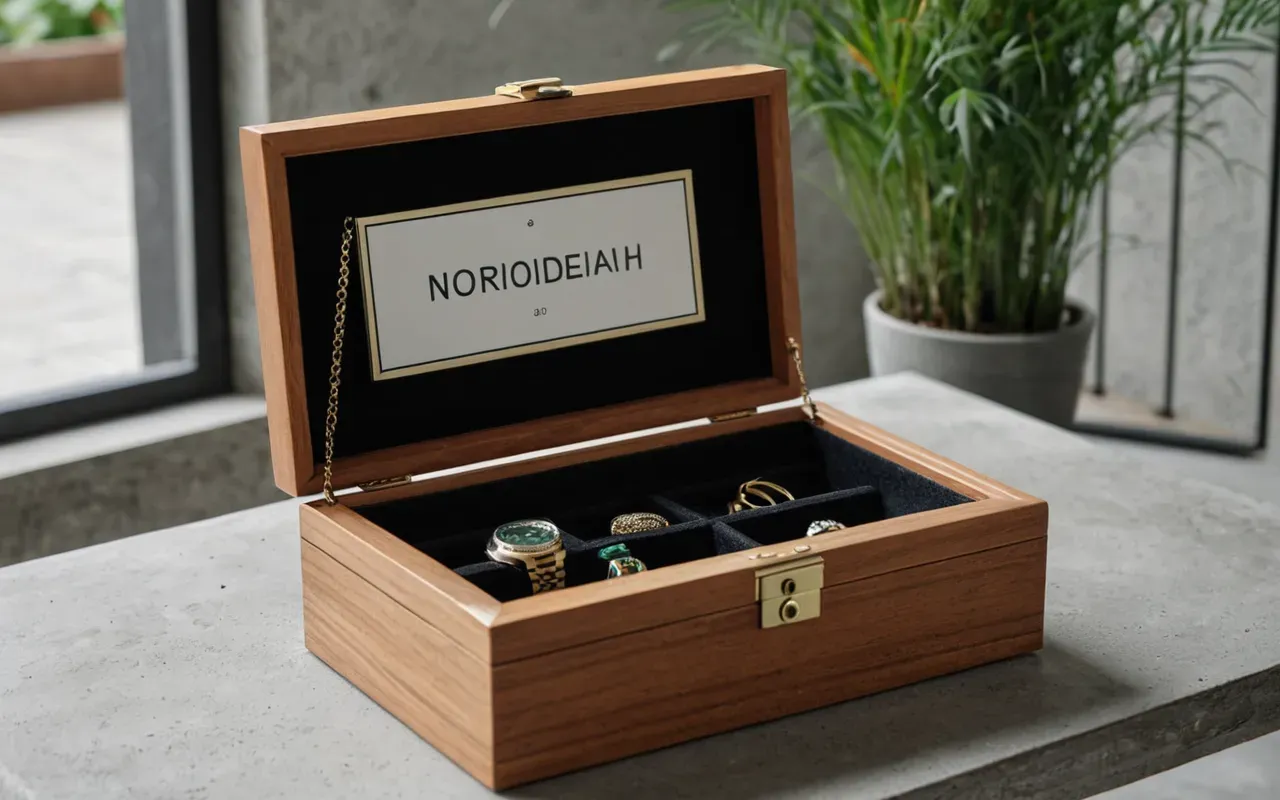
A good maker knows their supply chain. They'll tell you if the metal is recycled. They'll name the mine if the stone is new. If they hesitate, ask follow up questions. Transparency is a sign of integrity.
Question . Can you customize this piece
Handmade jewelry is flexible. You can change the stone. You can adjust the size. You can add an engraving. This level of personalization is impossible with mass produced items. It makes the piece truly yours.
Question . How should I care for it
Every material needs different care. Silver tarnishes. Copper patinas. Gold is durable but sensitive to chemicals. A good maker will give you specific advice. They'll tell you what to avoid and how to clean it.
The price difference explained
Why does a handmade ring cost more? It's not just the materials. It's the time. It's the skill. It's the overhead of a small business. You're paying for a human service, not just a product.
Mass produced items benefit from economies of scale. They make millions of units. They keep costs low. But they sacrifice quality and uniqueness. You get what you pay for. And often, you get less.
I've seen a $ handmade ring outlast a $ chain store piece. The investment is in the longevity. It's in the story. It's in the satisfaction of owning something rare.
Common mistakes shoppers make
Buying on impulse is the biggest error. Jewelry is an investment. Take it home. Live with it for a day. See if it still makes you happy. See if it fits your daily life.
Ignoring the clasp is another mistake. The clasp is the weak point. Check it. Pull it. Make sure it feels secure. A beautiful stone is useless if the chain breaks.
Not asking about the warranty is a third error. Many makers offer repairs. Some offer lifetime guarantees. Know your rights. Ask before you buy. It saves headaches later.
How to support local makers effectively
Share their work. Post a photo. Tag them. Social proof is free marketing for small businesses. It helps them reach new customers. It keeps the local ecosystem alive.
Leave a review. Be specific. Mention the quality. Mention the service. Reviews build trust. They help other shoppers make informed decisions. They're the lifeblood of local commerce.
Buy directly. Skip the middleman. Go to the shop. Go to the market. Your direct purchase supports the maker most. It reduces waste. It builds a relationship.
Frequently Asked Questions
What is the difference between handmade and mass produced jewelry
Handmade jewelry is crafted by an individual artisan using manual techniques. Each piece is unique and often one of a kind. Mass produced jewelry is made by machines in factories. It's identical and designed for volume.
How do I know if a local shop is legitimate
Look for visible tools and a small, varied inventory. Ask staff about the manufacturing process. A legitimate maker will be able to describe their techniques and material sources in detail without hesitation.
Why is handmade jewelry more expensive than chain store items
The higher price reflects the time, skill, and materials used. Artisans work slowly and use quality components. Chain stores rely on cheap labor and bulk materials to keep prices low, often sacrificing durability and uniqueness.
Can I get custom pieces from a local maker
Yes, most local makers offer customization. You can choose the metal, stone, and size. Some even offer engraving services. This allows you to create a piece that is perfectly tailored to your style and needs.