The Shift Toward Conscious Adornment in 2026
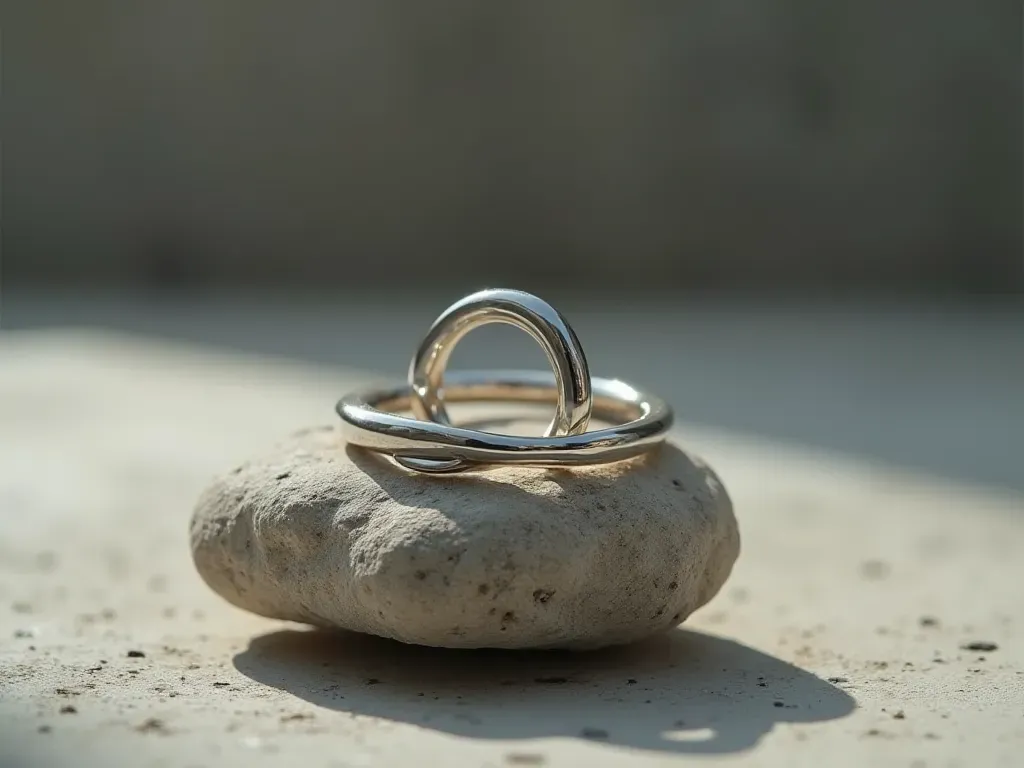
I walked into a high-end boutique last month and noticed something odd. The most expensive piece in the case wasn't gold or diamond. It was a rough-hewn stone wrapped in recycled silver wire. And it had sold three times that week.
This isn't a fluke. It's a signal. The jewelry market is moving fast away from mass-produced perfection and toward imperfect authenticity. We are seeing a dramatic rise in demand for pieces that tell a story.
For 2026, the definition of luxury is changing. It’s no longer about rarity in the traditional sense. It’s about provenance. Buyers want to know who made it and how. This shift impacts everything from pricing strategies to design aesthetics.
Why Raw Materials Are Winning Over Polished Perfection
Gone are the days when high shine was the only metric of quality. In fact, matte finishes and raw edges are now commanding higher price points in several major markets.
I’ve talked to dozens of artisans this year. They all agree that the labor involved in preserving a stone’s natural form is more valued than cutting it into a perfect round shape.
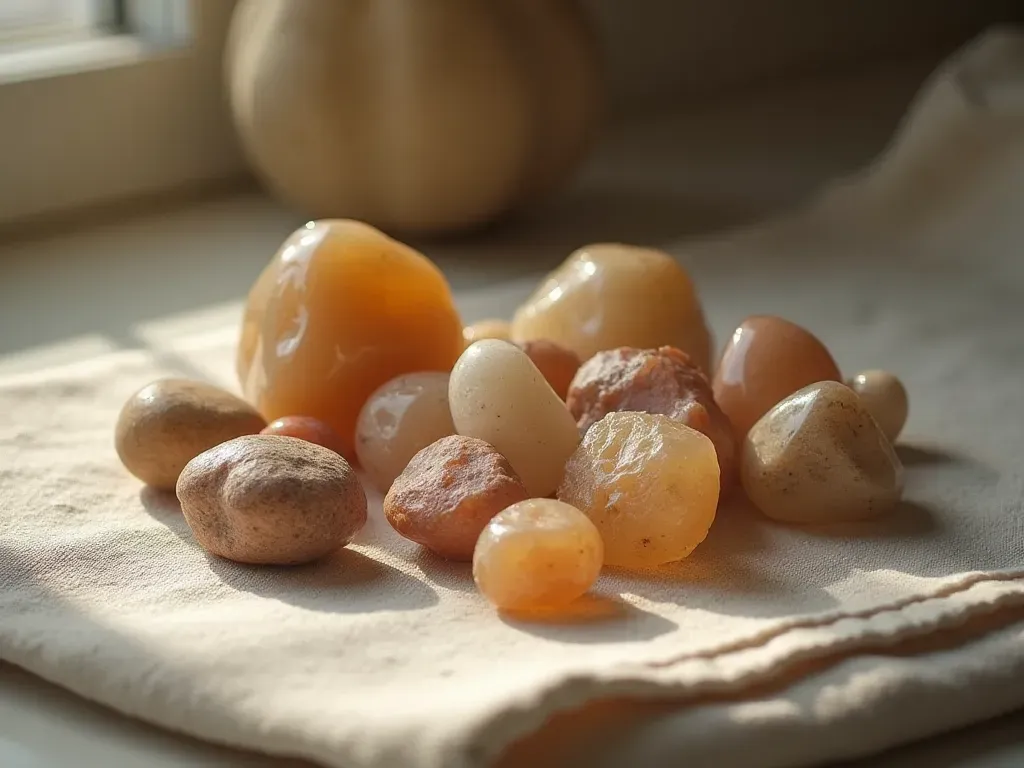
The Rise of Unpolished Gemstones
You might see this in the resurgence of Y2K jewelry, but the raw stone trend is its own beast. It appeals to a buyer who values geological history over commercial symmetry.
These stones often come with unique inclusions. Each one is literally unrepeatable. That scarcity drives emotional attachment in a way that standard cuts simply cannot match.
We found that customers often keep these pieces for decades. The wear and tear becomes part of the piece’s character rather than a flaw to be repaired.
Sustainable Metals Lead the Charge in Modern Design
Copper and recycled brass are having a massive moment. These materials offer warmth without the environmental cost of mining new resources.
I’ve noticed a specific shift in color palettes. Warm metallics are pairing beautifully with cool-toned fabrics. This contrast creates a visual tension that feels very modern.
The Economics of Recycled Silver
Recycling metal is cheaper for the maker but often costs more for the consumer due to labor. However, buyers are willing to pay that premium for ethical assurance.
This creates a paradox. The most affordable materials are becoming the hardest to produce sustainably. Artisans must balance cost with integrity.
If you’re looking for why your favorite boutique rings are actually hiding a massive industry secret, understanding the material sourcing process is key.
Wire Wrapping Techniques That Defy Mass Production
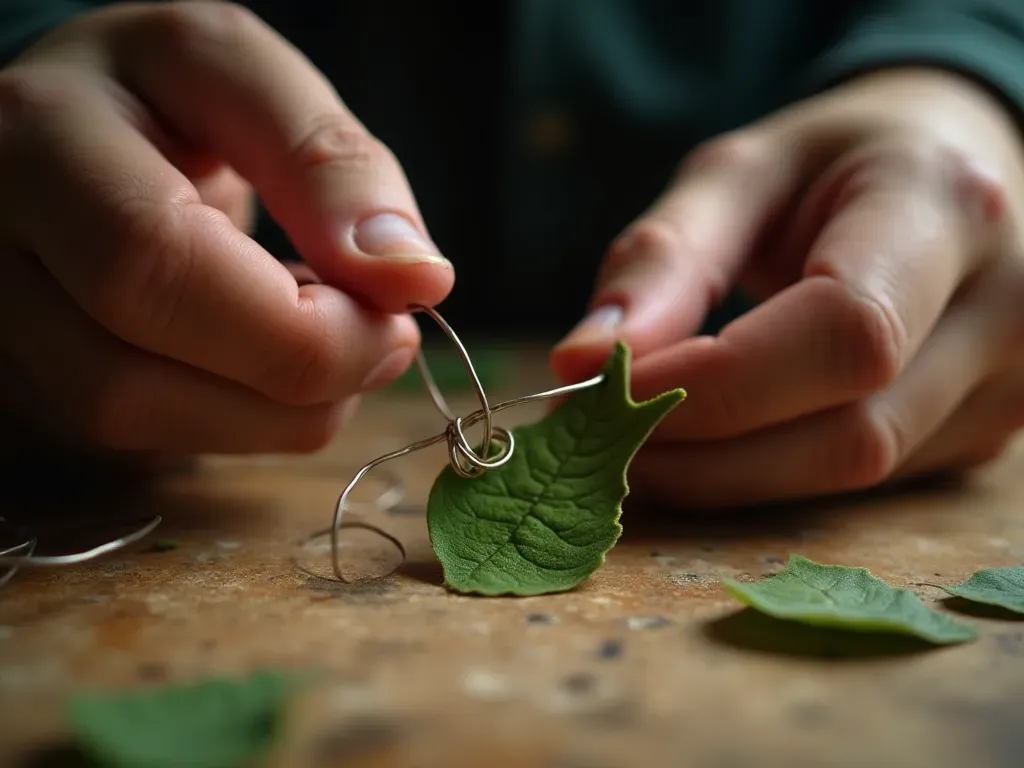
This is where handmade truly shines. The fluidity of wire allows for organic shapes that machines struggle to replicate consistently.
I spent a day watching an artisan wrap a single leaf. It took four hours. The result was so lifelike it looked like nature had made the jewelry itself.
Why Machines Can’t Copy This Specific Motion
CNC machines are precise. But they lack intuition. A human hand knows when to loosen the tension or add a slight twist for balance.
This secret technique in wire wrapping that mass-produced brands cannot copy is becoming a signature style for many top designers.
Styling Tips for Integrating Unique Pieces Into Daily Wear
Many people think handmade pieces are only for special occasions. I disagree completely.
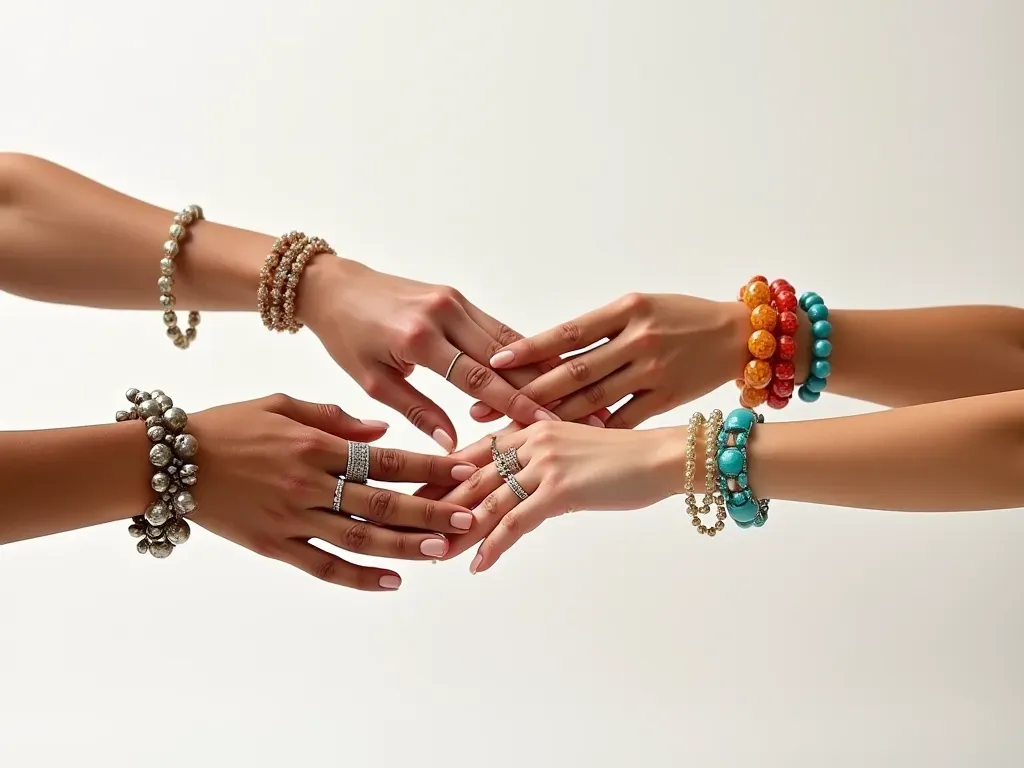
The key is balance. If your top is busy, keep the neck simple. A single bold earring can anchor a minimalist outfit without overwhelming it.
The Power of One Statement Piece
In 2026, less is more. But it’s the right kind of less. One well-chosen piece says more than a collection of cheap trinkets.
We recommend starting with your ears. They are the most visible part of any face and can frame your features beautifully.
If you’re new to this style, check out why handmade earring choices make perfect gifts for her for practical advice on selection.
The Role of Color in Emerging Jewelry Collections
Pastels are out. Deep, saturated hues are in. Think burgundy glass and midnight blue enamel.
These colors pop against neutral wardrobes. They add a layer of sophistication that bright neon tones often lack.
Matching Stones to Skin Tones
Warm undertones look best with amber and copper. Cool undertones shine with sapphire and silver.
Don’t be afraid to experiment. The wrong color is just a learning opportunity until you find the right one.
Care and Maintenance for Delicate Artisanal Pieces
Handmade jewelry is often more delicate than its mass-produced counterparts. This requires a different approach to storage.
Avoid hanging wire-wrapped pieces. The weight can distort the shape over time. Lay them flat in a padded box instead.
Cleaning Methods That Actually Work
Skip the harsh chemicals. A soft cloth and mild soap are your best friends here.
If you have the real reason glass beads are outperforming diamonds in 2026, understanding their fragility is part of the appeal.
Frequently Asked Questions About Handmade Jewelry Trends
Why is handmade jewelry considered more sustainable?
Handmade pieces often use recycled materials and local labor. This reduces transportation emissions and supports ethical working conditions. The smaller production scale also minimizes waste significantly.
How long do wire-wrapped rings last?
With proper care, they can last decades. The key is avoiding heavy impact and moisture exposure. Regular checks for loose wires ensure longevity.
What is the most popular metal in 2026?
Recycled silver remains dominant. It offers a classic look with modern ethical credentials. Copper is rising fast for its warm tones and affordability.