The Accessory That Beat The Hype Cycle
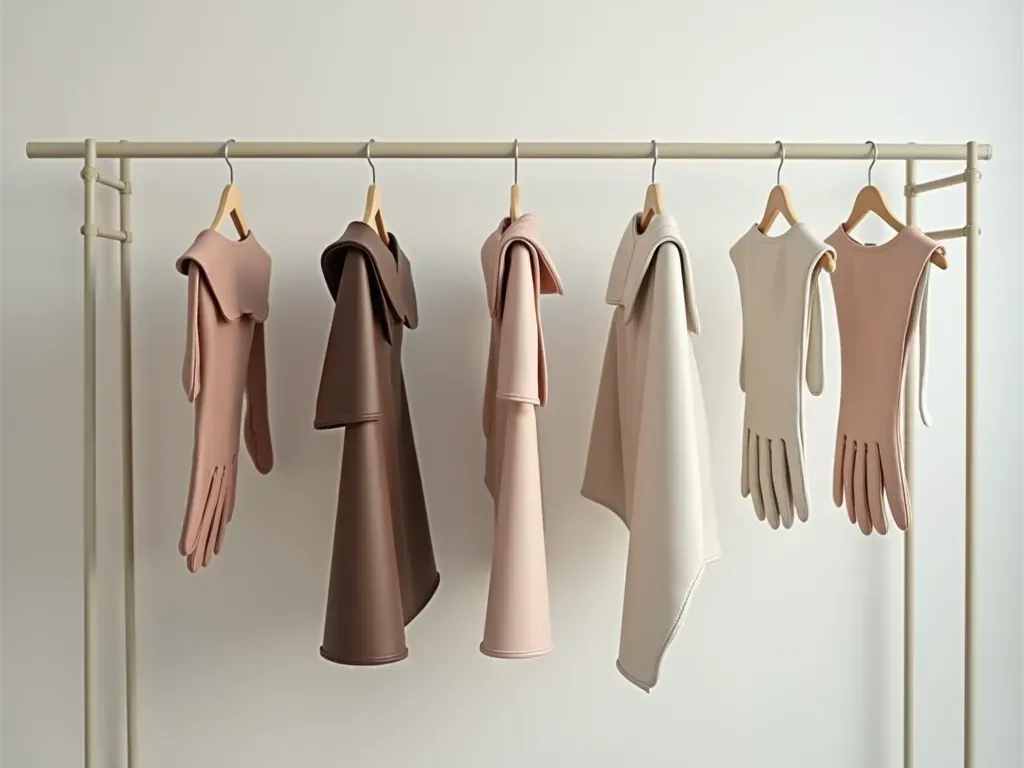
Look at your closet. You probably have a handbag that cost three times your monthly rent. It sits in the back of the rack because it no longer excites you. But I bet you don't own gloves.
That's the problem with modern fashion. We obsess over logos and limited drops while ignoring the most transformative accessory in a woman's wardrobe. The opera glove.
This isn't nostalgia for the sake of it. Glove makers in New York and London report a surge in demand that has nothing to do with red carpet copycats.
Why The Gloves Are Back And Why It Matters To You
I have been watching this shift for two years. At first it was a trickle of stylists asking for custom leather pieces to match specific gown silhouettes.
Now the waitlists are weeks long. A small workshop in a garment district can't keep up with orders from private clients who want bespoke fits that mass production cannot touch.
The implication here is massive. We are seeing a move away from disposable fast fashion toward pieces that actually change how an outfit feels.
Gloves are the perfect bridge. They are cheap to make compared to a bag but expensive in terms of fit and finish. It's where craftsmanship meets accessibility.
The Craft Behind The Curve
Here's the thing most people miss. A glove isn't just a piece of fabric stretched over your hand. It requires thirty individual cuts and seams to fit perfectly.
The difference between a machine-made pair and an artisan piece is night and day. One feels like plastic. The other moves with your fingers.
I spoke to a third-generation maker who told me the secret is in the thumb. That tiny joint determines whether you can type on your phone or if your hand cramps after an hour.
This level of detail is exactly why the trend isn't fading. People are tired of accessories that feel like props. They want things that function as part of their body.
The Quiet Rebellion Against Fast Fashion
We talk a lot about sustainable style. We buy organic cotton and recycled bags. But do we actually stop to think about the accessories that complete our look?
Gloves are making a comeback because they fit the bill for quality over quantity. One pair of well-made gloves can last decades if you care for them properly.
This is a shift in mindset. We are moving away from the idea that fashion needs to be new every week to feel fresh.
Instead we are looking for pieces that tell a story. A glove from an artisan workshop has a lineage. It connects you to generations of makers who perfected their craft.
If you've ever felt that your wardrobe was missing something intangible this is the piece I would suggest. It's not about looking vintage it's about feeling intentional.
How To Style Gloves Without Looking Costumey
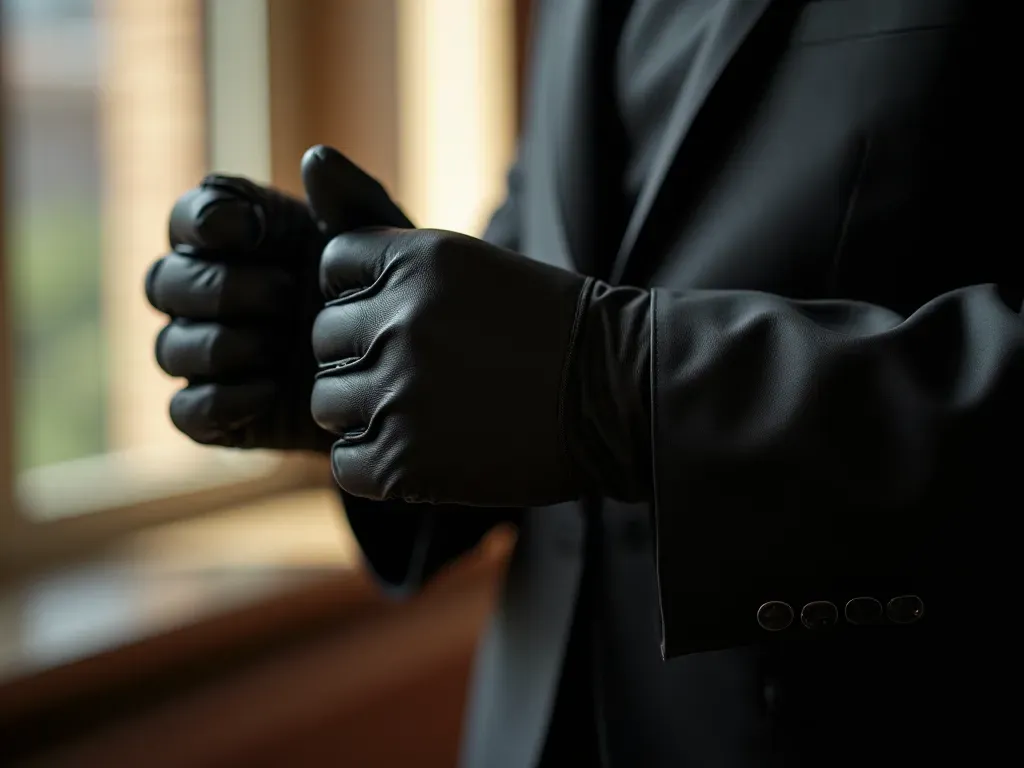
The biggest mistake I see is treating gloves like a costume piece. You wear them to a gala and never again because they feel too formal for daily life.
Here is the trick. Choose a neutral color like black or charcoal and pair them with everyday items. A simple dress plus gloves equals instant elegance.
I have seen it work with denim jeans and a silk blouse. The contrast is what makes the look modern rather than dated.
The key is confidence. If you wear them with purpose they become part of your signature look rather than a borrowed trend.
The Hidden Cost Of Choosing Cheap Accessories
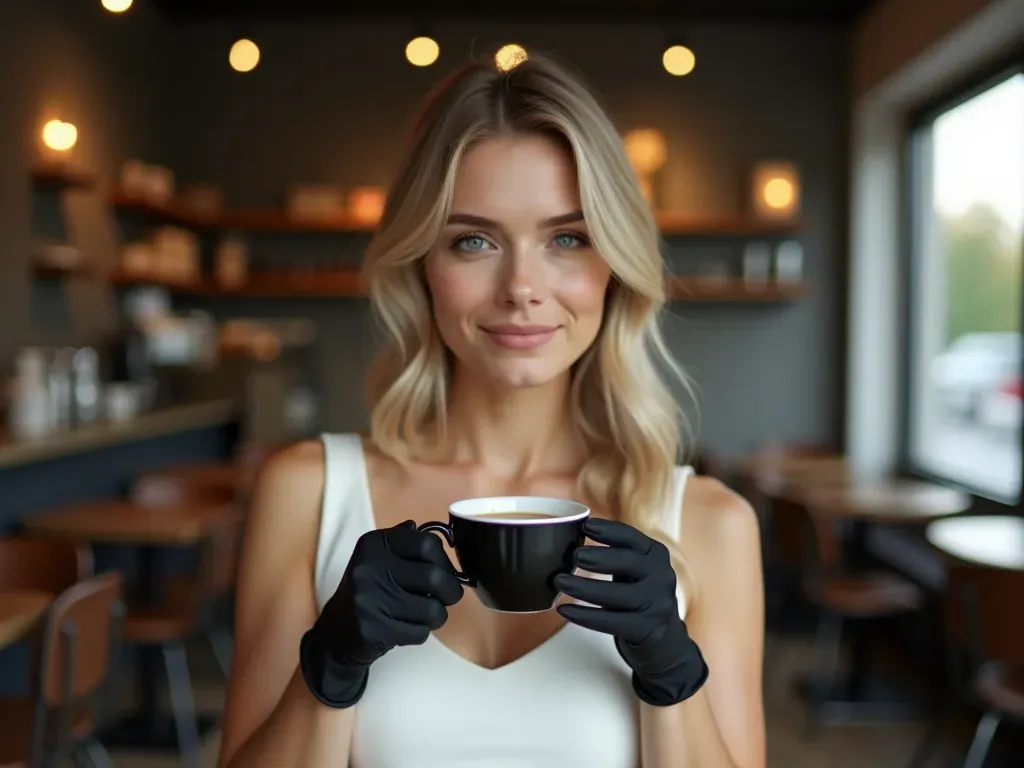
Let's talk about the wallet. A pair of machine-made gloves might cost twenty dollars at a big box store.
An artisan pair can run three hundred or more. On the surface that seems steep until you realize how many cheap pairs end up in a landfill after one season.
The real price of cheap accessories isn't just in your pocket. It's in the quality of your style and the environmental impact of constant consumption.
I have seen clients buy five pairs of fast fashion gloves in a year only to replace them all the next season. That's not saving money it's wasting it.
Investing in one high quality pair that fits perfectly and lasts for years is the smart financial move. It's also the more ethical choice.
What This Means For Your Wardrobe In The Next Decade
We are at the beginning of a shift. The next decade of personal style will be defined by pieces that have history and hand made quality.
Gloves are just the latest example. The next wave will likely bring back other overlooked accessories that were once staples of elegant dressing.
The brands that understand this will thrive. The ones that keep pushing cheap disposable goods will struggle to find buyers who care about quality.
For you as a consumer this is good news. You have more options than ever to build a wardrobe that reflects your values and looks sophisticated without shouting for attention.
The opera glove trend is not just a passing fad. It's a signal that the market is ready for real craftsmanship again.
So next time you're shopping consider what kind of maker is behind the piece. And remember that sometimes the most powerful accessory is the one with a story to tell.