The $17,000 Gamble That Changed Fashion Forever
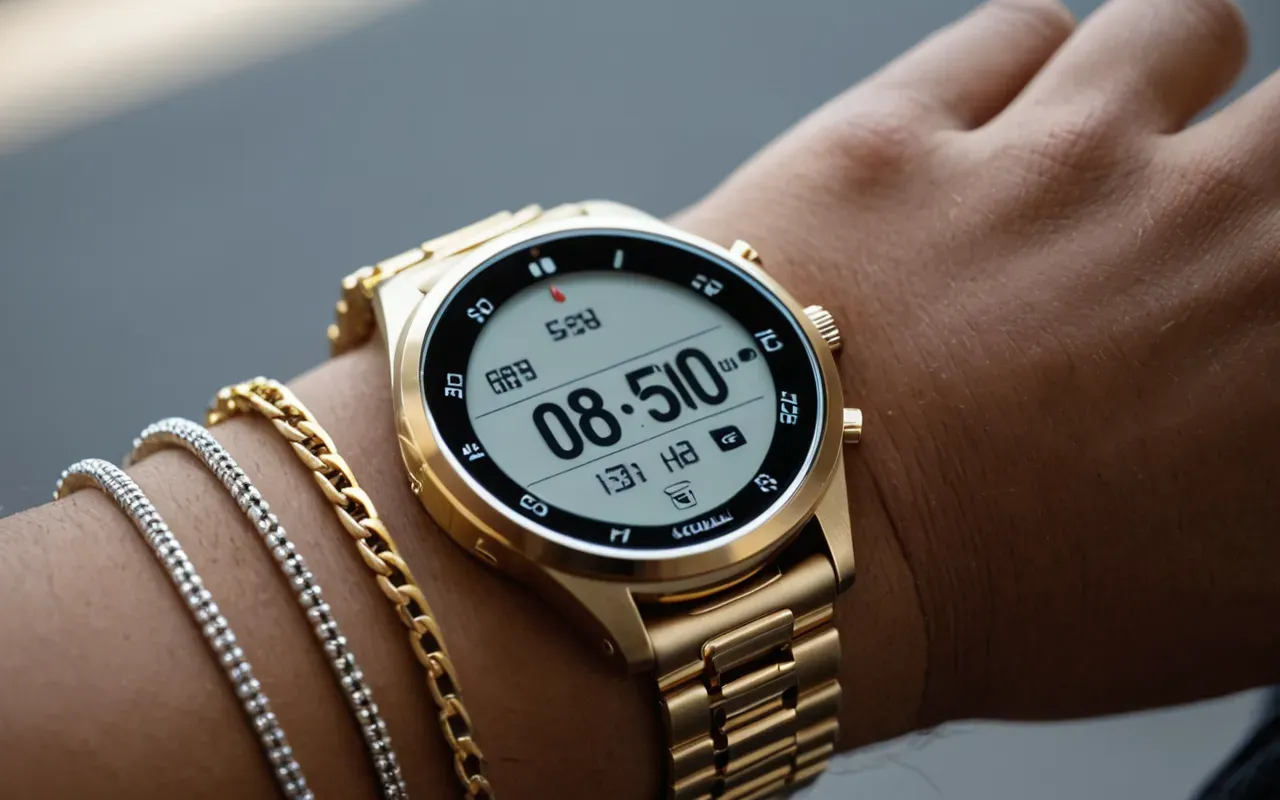
In 2015, Apple pulled a move that made every fashion editor from New York to Paris sit bolt upright. They priced a smartwatch at $17,000. This wasn't just a gadget. It was a solid gold statement piece.
Most people figured Apple had lost its collective mind. Why on earth would anyone fork over that much cash for a screen strapped to their wrist? The answer was deceptively simple. They wanted to own your wrist long before you even considered buying a watch.
This wasn't about profit. It was about perception. By slapping a price tag higher than most cars on a digital device, Apple forced the fashion world to take smartwatches seriously.
I remember spotting the first Apple Watch Edition in a store window. The gold case caught the light so fiercely it could've passed for jewelry from a high-end boutique. It was sleek, unapologetic, and utterly magnetic.
Here's the angle nobody talks about. Apple didn't just enter the tech market. They hijacked the luxury fashion industry and made it bow to technology.
Why The Pebble Failed And Apple Succeeded
Before Apple stepped into the ring, there was Pebble. In 2015, plenty of gadget lovers swore by it for the battery life and the minimalist design. It raised over ten million dollars on Kickstarter.
But let's be honest. Pebble looked like a calculator. It was functional and upfront about being a tool for notifications. It made zero effort to hide what it was.
Apple went the complete opposite direction. They built a device that looked like it belonged on a CEO's wrist at a gala. The form factor was rounded, smooth, almost sculptural.
Here's the thing about fashion. It rarely prioritizes utility first. If an object looks stunning on a magazine cover, people will find reasons to wear it every single day.
Apple understood this better than any tech company in history. They knew a smartwatch would only take off if it replaced the traditional watch in people's minds.
The Pebble was a tool for tech enthusiasts. The Apple Watch became an accessory for everyone else who wanted to look current without looking like they were wearing a computer on their arm.
The Hermes Partnership That Shocked Luxury Brands
When Apple partnered with Hermes in late 2015, the fashion world collectively held its breath. This wasn't a simple marketing deal. It was a full validation of smartwatches as luxury goods.
Hermes is legendary for its leather and its exclusivity. By putting their logo on a digital screen, they signaled that technology could be chic — as long as it was expensive enough.
I've seen people rock the Hermes strap with a plain black tee. The contrast feels intentional, almost daring. And it works.
That collaboration reshaped how we view accessories. It taught us that a brand name can turn any object into a status symbol.
If you're curious about how small details can transform your look, check out this insight on the $12 accessory trick that makes mass produced jewelry look cheap to understand the power of perceived value.
Who Wins And Who Loses In This Game
So who wins here? The consumer who wants style and function in a single device. You get a phone on your wrist that doubles as jewelry.
The losers are the traditional watchmakers who refused to adapt. They kept pushing mechanical movements while Apple sold digital experiences wrapped in gold.
To be fair, some purists still crave the weight of a real metal case. But for most people under forty, the smartwatch is simply the default now.
The Hidden Cost Of Fashionable Tech
There's a darker side to this trend, though. Smartwatches have a much shorter lifespan than traditional watches because they become obsolete fast.
A mechanical watch can last decades. A smartwatch might lose support in three years. That creates a cycle of waste that the fashion industry rarely talks about.
If sustainability matters to you, think about how often you upgrade your accessories. The constant push for new models drives unnecessary consumption.
What This Means For Your Jewelry Box Today
The Apple Watch didn't replace rings or necklaces. It just added a new layer to our personal style equation.
Now we balance tech with tradition. A gold watch looks striking next to a simple silver chain or a handmade bracelet.
I often pair my watch with delicate pieces to soften the hard lines of the technology. The result feels both modern and timeless.
If you're hunting for inspiration on mixing different textures and materials in your accessories, this piece on 9 handmade jewelry trends that will define your style in 2026 is a great starting point.
The key is intentionality. Don't just pile things on your wrist because you want to look busy.
Choose pieces that complement each other. Let the smartwatch anchor the look while your jewelry adds personality around it.
The Future Of Wearable Fashion Is Already Here
We're only at the beginning of this evolution. As technology gets smaller and sleeker, it will blend even more seamlessly into our daily outfits.
Imagine a watch that shifts color to match your shirt. Or one that projects notifications into the air without a visible screen.
The line between gadget and fashion accessory is dissolving. What used to be a work tool is now a canvas for self-expression.
So next time you see someone wearing a smartwatch to dinner, don't judge them. They're just taking part in one of the biggest fashion shifts of our lifetime.
Apple didn't just sell a watch. They sold us permission to mix technology with elegance without feeling out of place.
How To Style Your Smartwatch Like A Pro
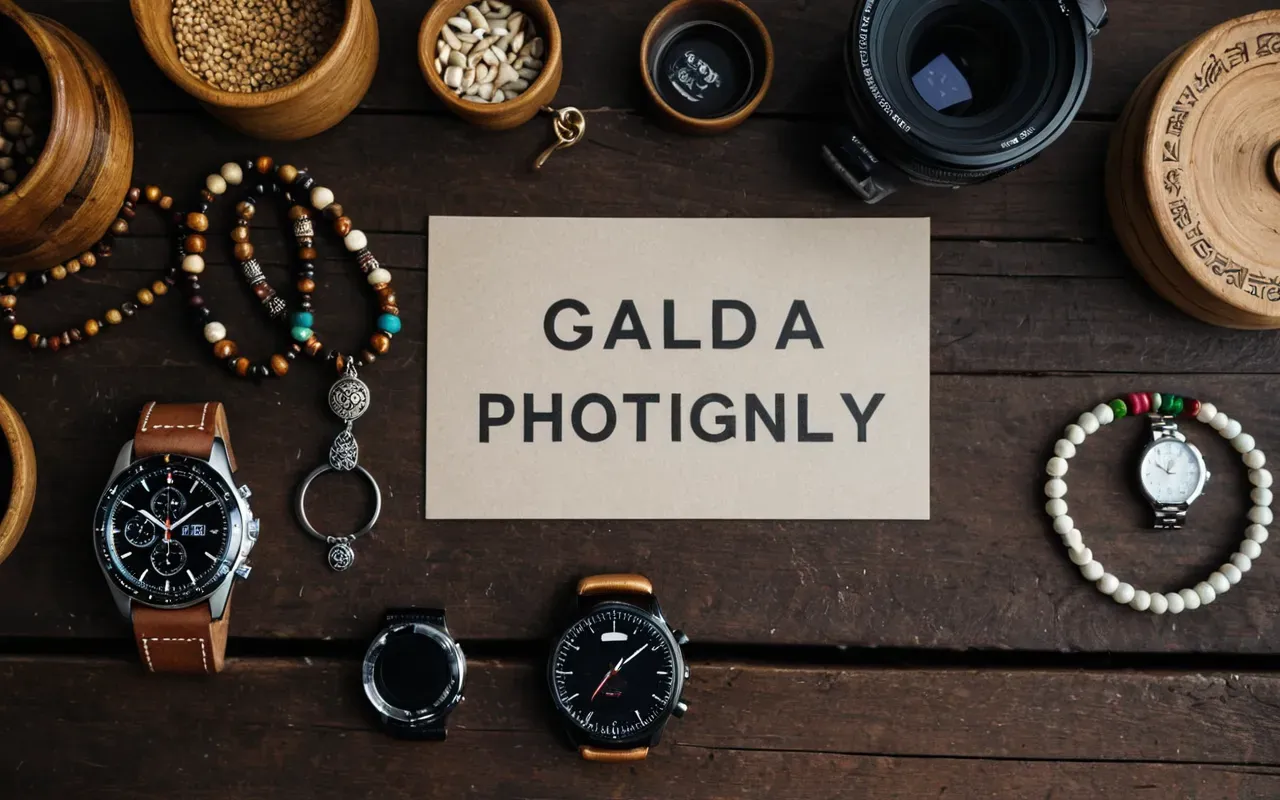
First rule. Keep it simple. One smartwatch and one delicate chain bracelet is usually plenty.
Second rule. Match your metals for a cohesive look. But mixing gold and silver is totally fine if you pull it off with confidence.
Third rule. Consider the strap. A leather band leans traditional while a sport band reads casual and relaxed.
Finally. Don't be afraid to leave your wrist bare sometimes. Sometimes less is more, and a single well-chosen piece makes the biggest impact.
If you want more specific tips on choosing pieces that elevate your everyday look, read this guide on stop buying fast fashion accessories because they are quietly destroying your wallet and start making smarter choices.
Fashion isn't just about what you wear. It's about how confidently you wear it.
The Real Reason We Love Our Wrist Tech Now
It's not just about convenience. It's about identity.
When you pick a watch face or a strap color, you're telling the world something about yourself.
Apple understood that early on. They gave us options and let us customize our devices to match our personal aesthetic.
That level of control is addictive. Once you see your name on a watch face that matches your favorite shirt, you never go back.
So yes. Apple did save your style in a way that few other companies ever have.
They turned a cold piece of technology into warm personal expression. And for that alone, they deserve our attention.