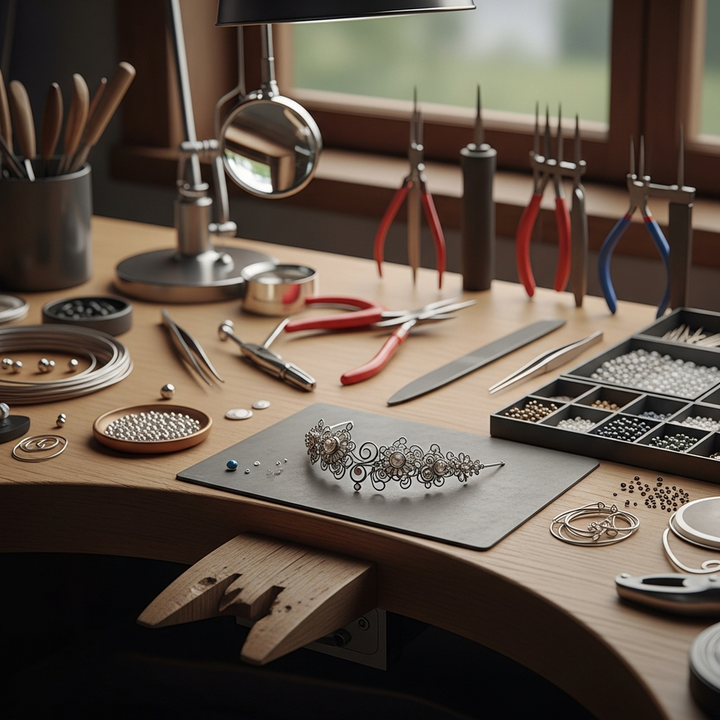
Celebrating Craftsmanship and Creativity in Handmade Fashion
The Rich Heritage and Cultural Roots of Handmade Fashion
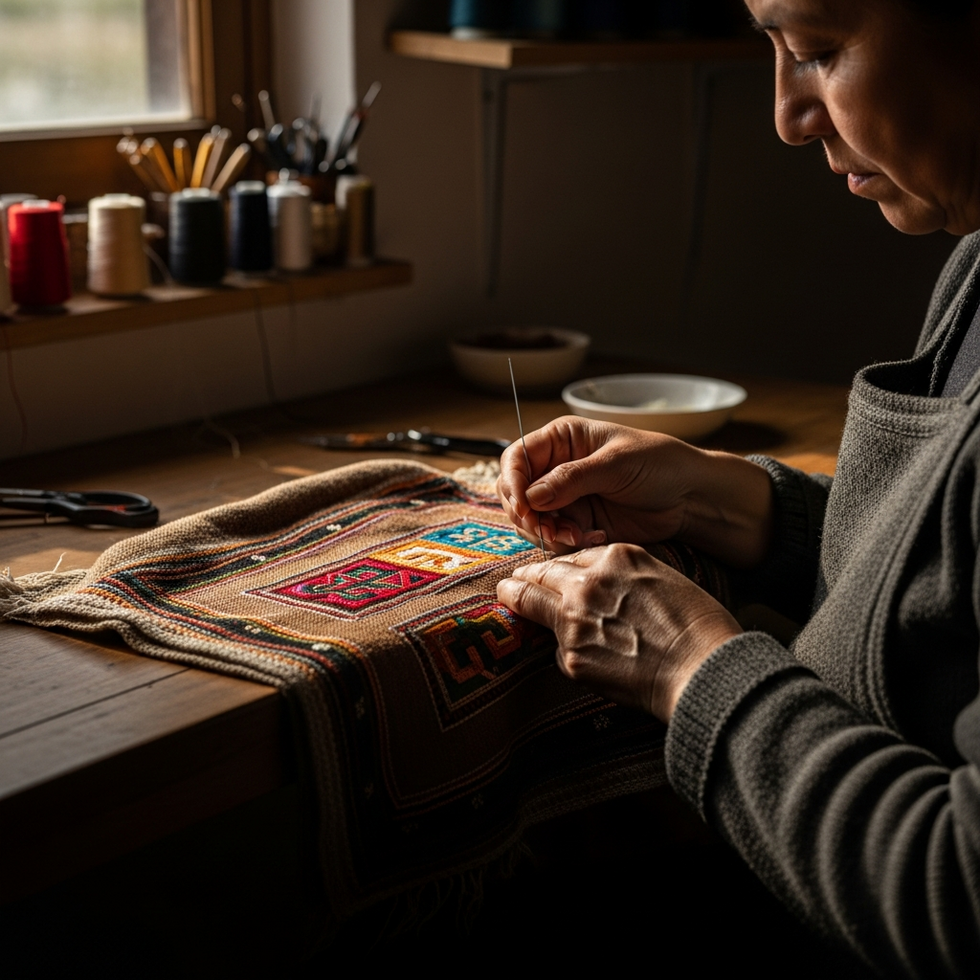
A crowded square holds workers stitching by hand, cloth hanging where signs once stood. Bright fabrics flow through arms like rivers meeting at edge of village life. Tools lie scattered - wooden blocks, loose threads, patterns repeating across worn material. Each piece speaks without words, shaped slowly under open skies. This isn’t about trends; it’s about stories passed through generations quietly. Life-long craftsmen keep timeless methods alive, shaping work passed along through family lines for decades. Delicate stitch patterns found across Central Asia mirror tales woven by communities through centuries. Beads threaded with care in regions of West Africa reflect customs that still burn bright today. What you see on fabric or fiber is more than decoration - it holds echoes of long-lost ways surviving rapid change. Working together in tiny groups or home-based workshops, many makers keep their heritage alive when quick-style trends spread worldwide. When people buy real, handmade goods, they help keep old ways alive while choosing clothing filled with story and care. Instead of identical outfits found everywhere, these pieces speak of place, skill, and time - something machine-made clothes rarely offer. Seeing that richness in culture helps understand why handcrafted clothes hold such value - made not just quickly, but thoughtfully, with attention and real skill missing in mass-produced pieces.
Innovation and Contemporary Artistry in Handmade Fashion
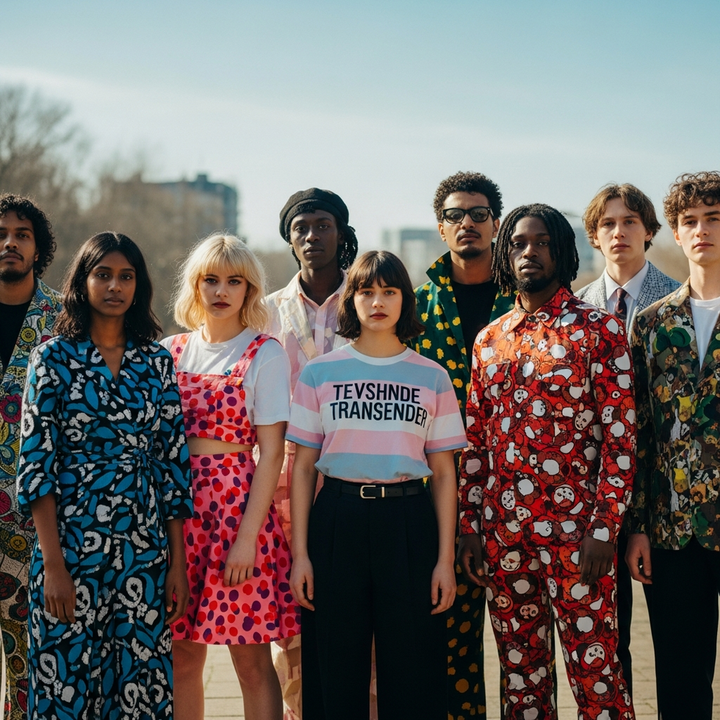
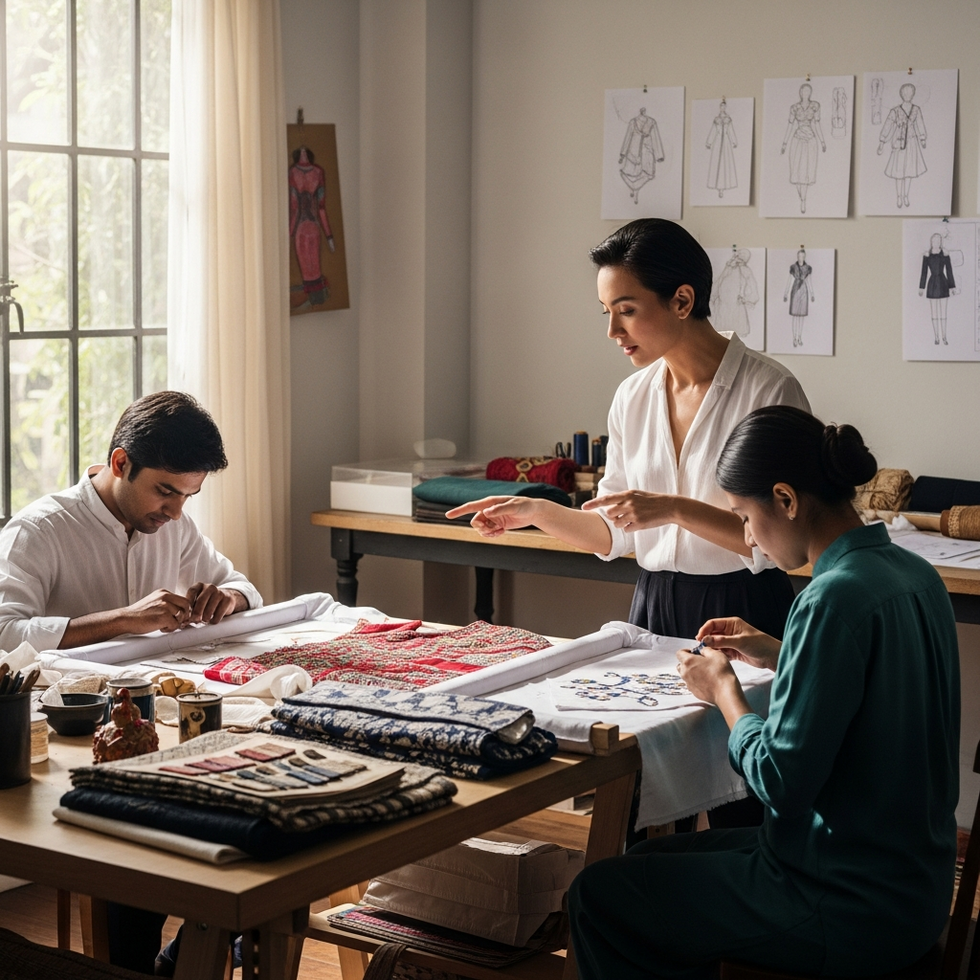
A room fills with people shaping tomorrow’s looks, yet rooted in time-honored methods. Old ways meet bold new styles, not by accident but through steady exchange. Workers with skilled hands sit beside those who sketch machines-inspired garments. This place grows from centuries of making things by hand, still breathing today. Though origins remain deep in custom and care, fresh ideas slip in through modern eyes. Tools change, colors shift, yet the core stays warm and human. Today’s craftworkers weave eco-friendly supplies into their work - organic cotton, reused textiles, earth-based colors - as planet-minded values spread worldwide. Designers like Stella Jean, along with Christopher Raeburn, blend old-fashioned skill with modern runway styles, proving heritage and fresh thinking can blend smoothly. Young buyers begin seeing skilled labor not just as relics but as trendy items worth desire. Now imagine tools like 3D printers or laser cutters in skilled hands. These crafters blend ancient techniques with modern tools, creating pieces unlike anything before. Not built on mass production, each item reflects careful thought and human touch. Beauty here comes from restraint rather than excess. Sustainability isn’t forced - it grows naturally from mindful making. Expression shifts from following trends to shaping them. Artistry gains ground by questioning old norms, not rejecting them. The result? Wearing history that holds meaning without loud claims.
The Sustainable Impact of Handmade Artistic Fashion
A cloth stack sits under soft daylight, showing different pieces made by hand. Materials used come from natural sources or reused stuff, which favors Earth care. You can see how the fibers look up close thanks to proper lighting. Sustainability ideas appear on tags and seams, built right into the making process. Making clothes one at a time tends to trash less, move emissions lower, plus treat workers fairly. Locally sourced materials are common among artisans because they cut down on long-distance shipping, which hurts the planet less. When people pick handmade items, they step into a clearer way of doing things - every bit, from growing threads to tying the last knot, gets watched closely for how it affects people and nature. Sites such as **Etsy** and **Faire** give skilled makers real opportunities to reach buyers far away, building spaces where fairness and long-term thinking shape what gets sold. Some makers teach people in their neighborhoods how to save water while using greener methods for coloring fabrics. Because they choose slow processes, less damage happens to nature, plus buyers begin thinking differently - lasting value matters more than endless new things. What stands out is that older shoppers tend to back real craftsmanship without being told its "better," knowing true meaning often costs extra effort up front.