Celebrating the Artistry and Sustainability of Handmade Fashion Creations
The Rise of Handmade Fashion in the Modern World
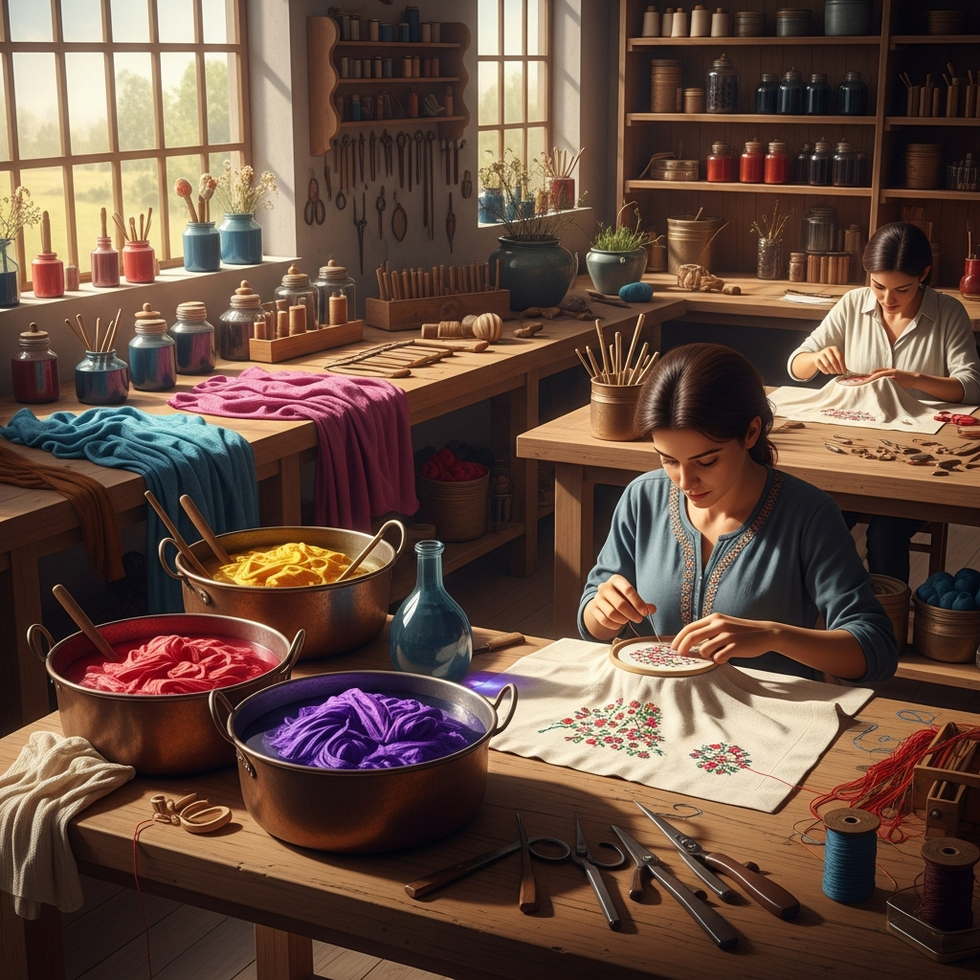
Lately, something noticeable happened in fashion - a turn toward pieces made by hand. Not built in huge lots, these items carry marks of one person, shaped slowly with care. That care tends to get lost in fast, uniform methods. People now want realness, not replicas; this fits that need well. Sustainability matters too, and working like artisans does align with it. Heritage lives on when old ways stay alive, quietly shaping what gets made today. People buying clothes now care about than fabric alone - they look for meaning stitched into every seam. Stories matter, especially when they come from real people working with thread and passion. So small workshops and handpicked makers gain ground, making pieces by long-standing skills like braiding yarn, sewing by hand, or coloring wool with plants. What's happening isn’t merely shaping new looks - it lifts whole communities, encourages cleaner ways to make clothing, while safeguarding methods that could vanish if speed and cheapness dominate again.
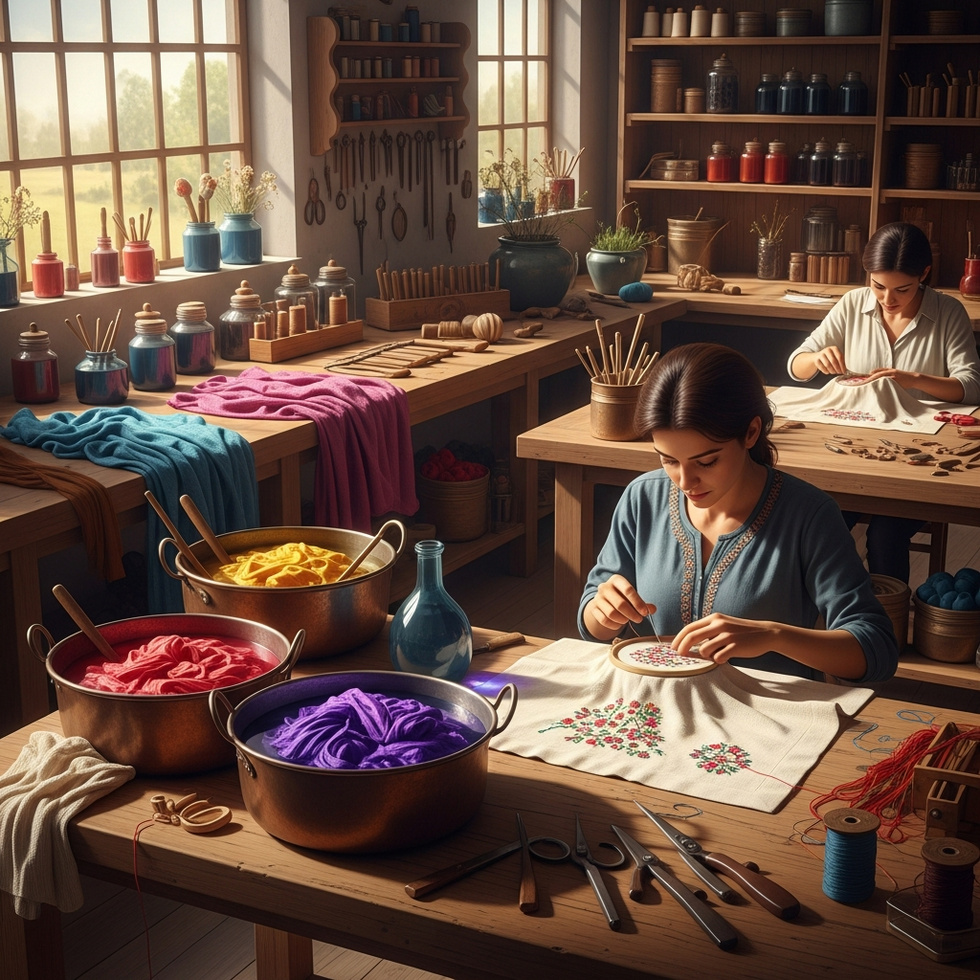
Cultural Expression and Unique Artistic Styles in Handmade Garments
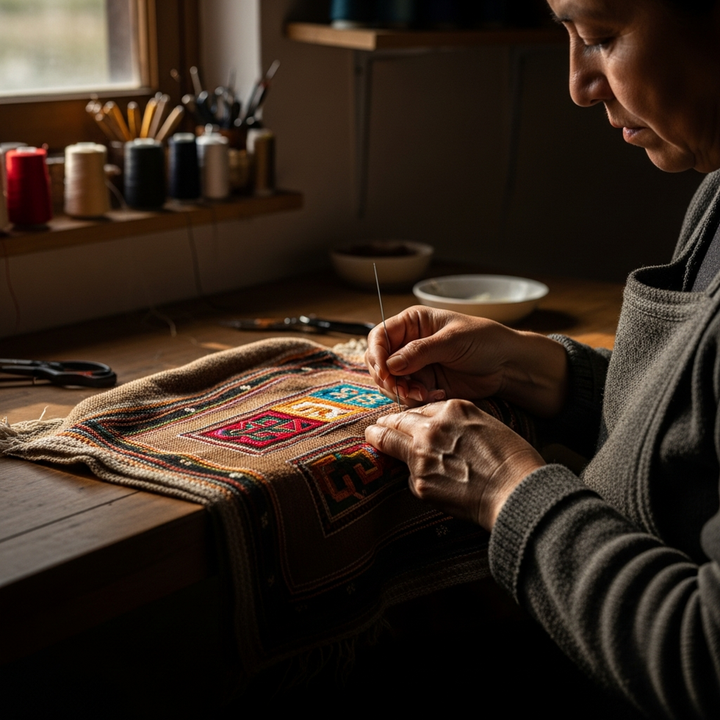
What draws people to handcrafted clothing isn’t just skill - it’s culture alive in every stitch. Through centuries, makers in far corners have woven traditions into fabric, giving each item more than beauty. Take the complex needle art across Central Asia, where threads speak of ancestors; then look at beads stitched with purpose in Africa, each one tied to heritage; finally, see the soft fabrics spun by hand in Southeast Asia, shaped by memory. These aren’t objects - they’re voices. These outfits stand as bright expressions of tradition, turning every item into something visible in today’s fashion world. Since local materials often shape them, crafting happens with minimal waste, rooted in practices that mirror community ideals. When people choose or wear such pieces, they become part of a wider effort - one that preserves customs while lifting skilled makers from overlooked regions. When people work together or sell goods fairly, old ways of doing things gain real value. This makes it possible for those who follow to keep making and shaping things their own way.
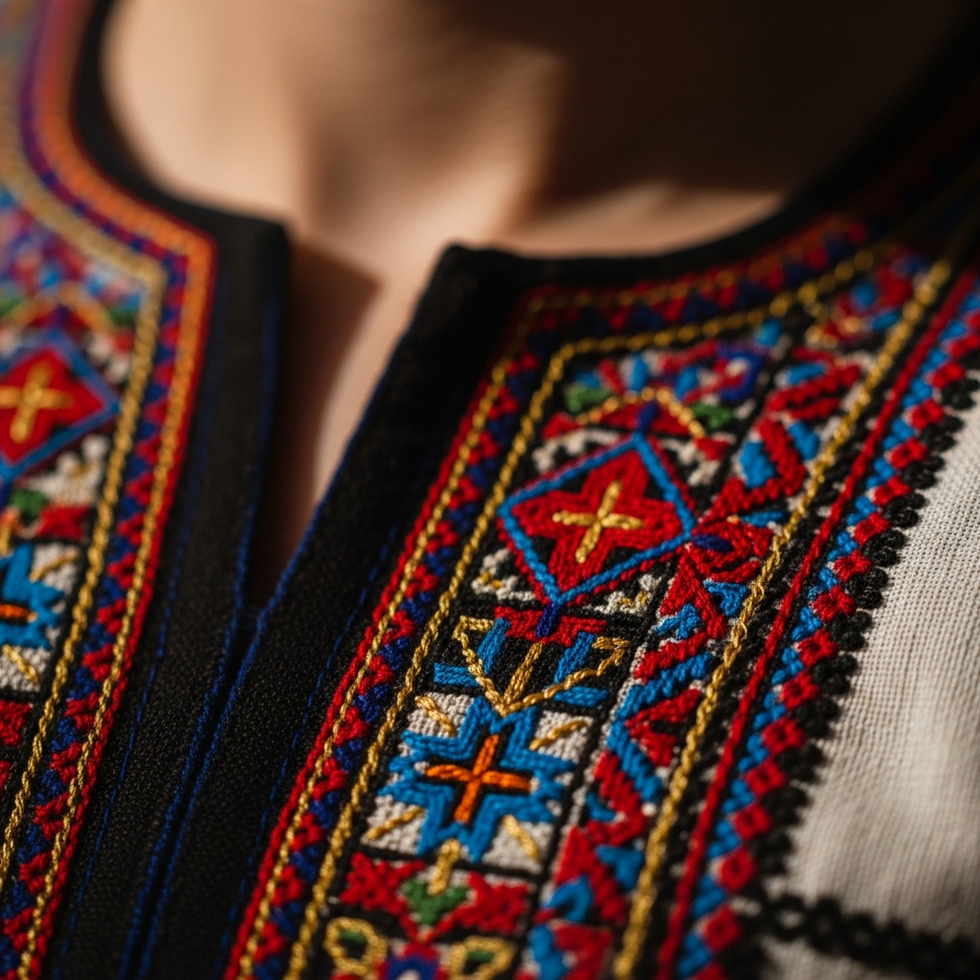
Sustainable Fashion Through the Lens of Handmade Creations
Nowhere is sustainability more visible than in handcrafted clothing, where attention shifts to responsible materials and fair labor. Smaller batches tend to emerge here, cutting down excess and the pollution it brings - unlike mass-driven fast styles. Colors come from plants like indigo, madder root, and turmeric, giving fabrics rich tones using zero artificial additives. Still, plenty of handmade goods come from eco-friendly materials - organic cotton, hemp, or bamboo - helping close the loop while favoring durability instead of throwaway trends. Because details about how things are made become clear, shoppers gain real influence, seeing exactly how their money flows toward decent pay, healthy workplaces, and nature protection. It's worth noting too: the whole idea behind slow style means owning less, yet more meaningful things, especially ones that last years without needing constant updates. Choosing items made by hand does more than shape how we look - it helps care for the planet, quietly guiding us toward worlds where grace meets long-term thinking.
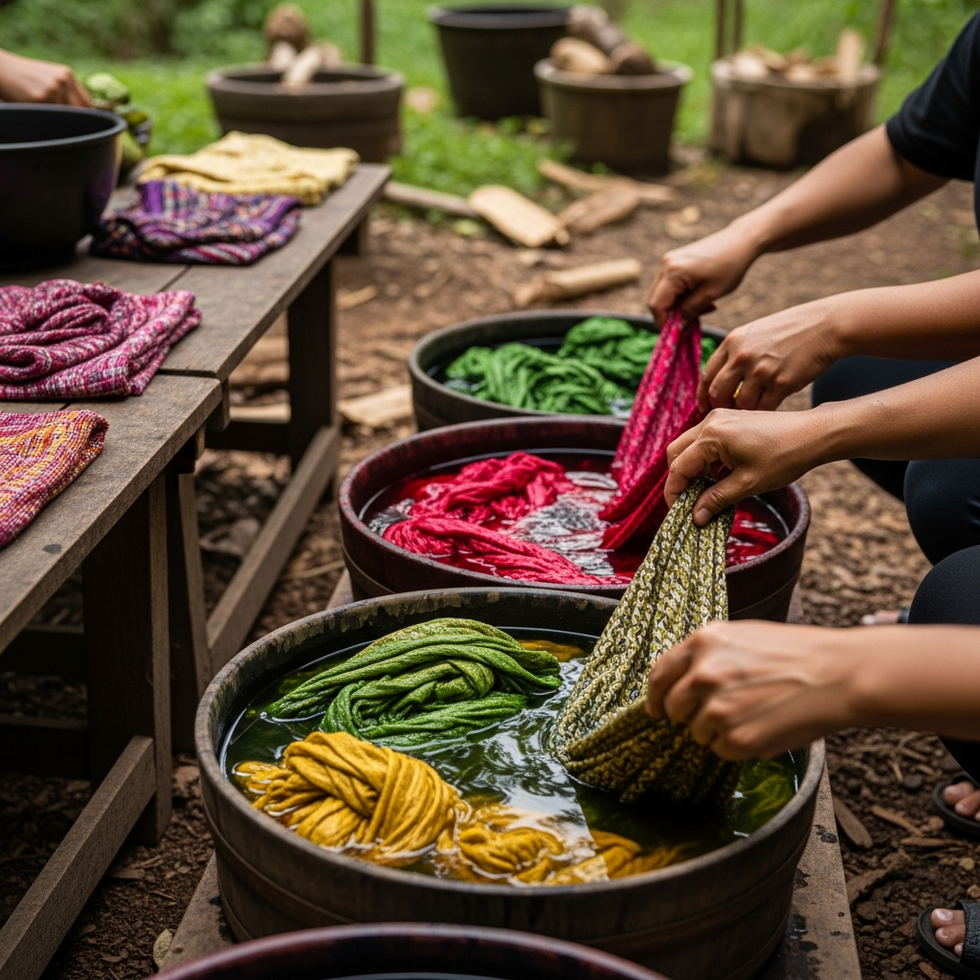
The Future of Handmade Fashion in a Digital and Globalized World
Even as online shopping changes fast, making things by hand still has room to grow. Platforms such as Etsy, Shopify, and personal sites help crafters connect with people everywhere, cutting through local limits while drawing in buyers who care about real, thoughtful work. Tools and systems here do more helping than harming, giving skilled makers space to share tradition and skill across continents. Nowhere is change more clear than in how people interact with digital tools mimicking real-world settings. Instead of distance, there's openness - showing who made what becomes part of the appeal. Because of rising values around eco-consciousness and personal expression, one-off creations stay in demand. These items carry meaning: woven into fabric are histories, connections, moments shaped by hand and intention. Trust grows quietly through these encounters. Artisanship thrives less on repetition, more on dialogue - fueled by shared passion rather than scale. Innovation appears organically when craft meets curiosity, traditional methods reshaped by modern vision. The result? A tradition that moves forward, shaped by those who touch it. Across a globally linked landscape, one thing stands out - handmade clothing still carries weight beyond tradition, now echoing trust and thoughtful extravagance.