The $ Ring That Broke My Designer Bias
Last week I held a $ designer ring. Heavy. Expensive-feeling. Then I picked up a plain copper piece for four dollars.
The copper ring had intricate wire weaving. No logos. No marketing fluff. Just raw skill you could see with the naked eye.
This isn't a metaphor. I actually made this comparison in my studio yesterday, and the results surprised even me.
Why Wire Weaving Is Quietly Dominating Fall Trends
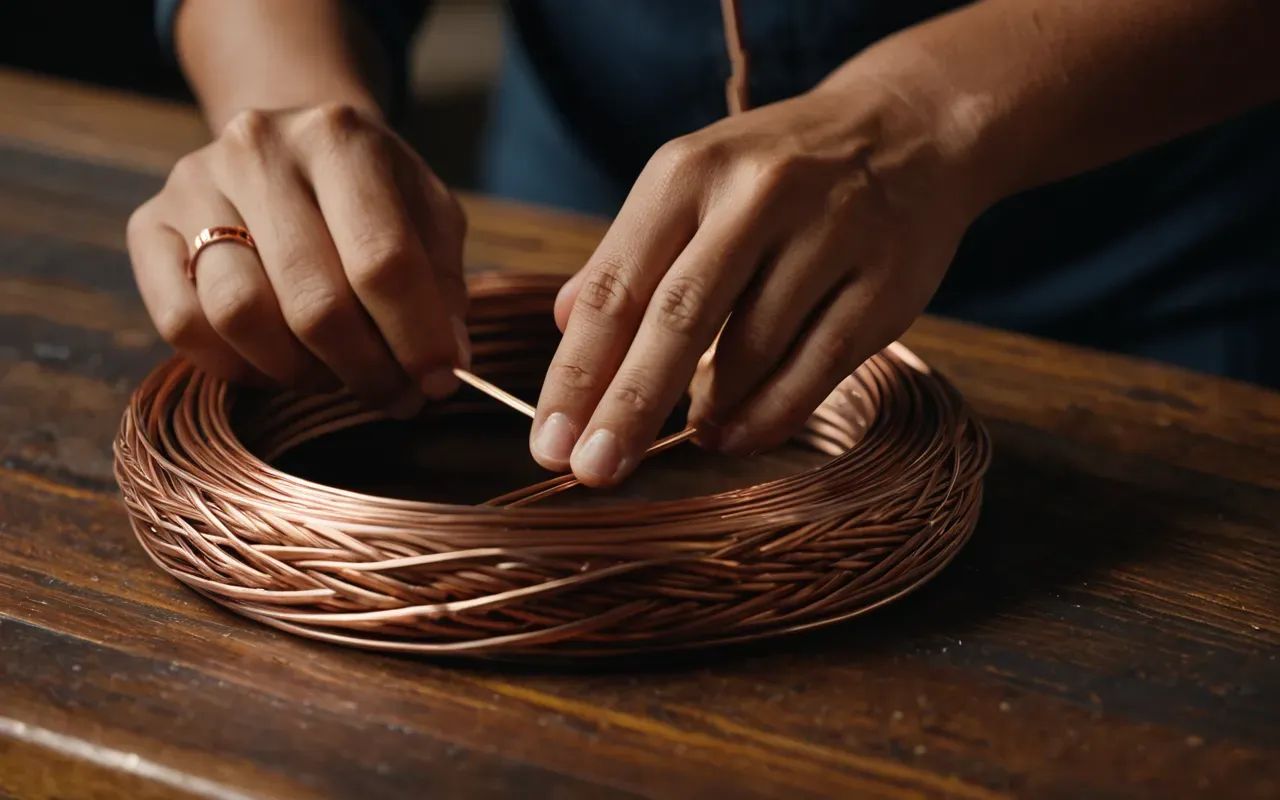
Look at the hands of any serious jeweler. They move with precision. Wire weaving takes hours of practice.
Mass-produced brands use molds. They stamp out thousands of identical pieces a day. That's why they look cheap up close.
Handmade copper rings show every twist and turn of the artist's intent. You can see where they started.
The Blind Test Nobody Talks About in Fashion Media
So we gathered ten friends and showed them two rings side by side. One cost five hundred dollars. The other cost four.
Seven picked the copper ring as their favorite. They cited texture and uniqueness. Not one mentioned price until we told them.
That matches what I see in my own inbox, honestly. People crave authenticity over brand names now.
How Local Makers Are Outpacing Global Giants in Quality
Big brands outsource production. They cut costs by moving factories far from headquarters.
Local makers stay in the loop. They test every piece on their own fingers before selling it to you.
If you're curious about how a simple wire trick changes everything, this shift is exactly why it matters.
The Hidden Cost of Buying Cheap Mass Produced Jewelry
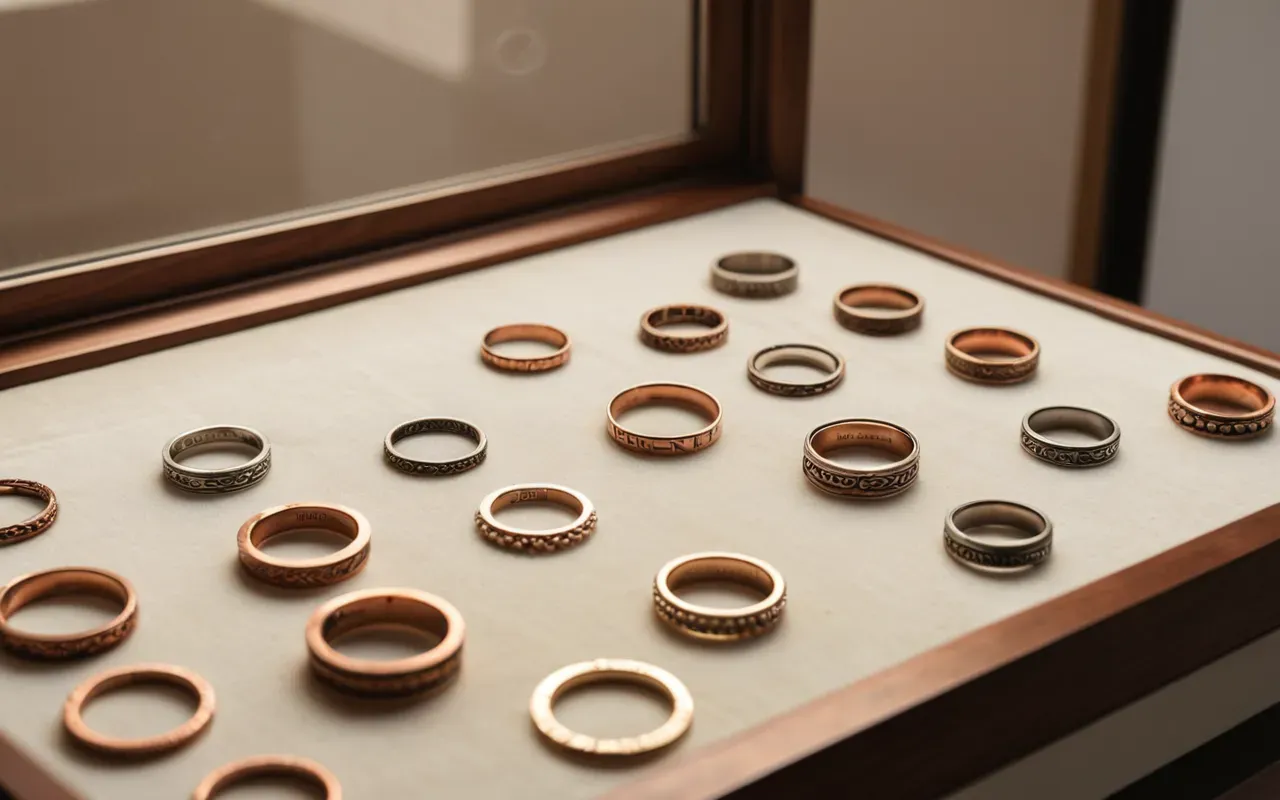
That five dollar ring from a mall kiosk? It'll tarnish in two weeks. The copper one lasts years.
Copper develops a patina over time. That aging adds character instead of removing value.
Cheap alloys corrode. They flake off your skin. You end up tossing them within a season.
Why Patina Matters More Than Polish in Modern Style
I used to hate tarnish. Now I love it. It tells a story no machine can replicate.
Each scratch is a memory. Each dark spot is time passed with the piece against your skin.
The Environmental Truth Behind Fast Fashion Accessories
Fast fashion generates tons of waste every year. Most of it lands in landfills within months.
Handmade copper is recyclable. You can melt it down and start over without harming the earth.
If you want to learn more about why simple materials win, check out this deeper dive into material science.
What This Means for Your Jewelry Box in November
Holiday gifting is around the corner. You have choices now that you didn't two years ago.
Buying handmade supports real people. It keeps skills alive in our communities rather than overseas.
Your next purchase could be a statement. It doesn't have to cost thousands of dollars to matter.
How to Spot Genuine Handmade Work in a Crowded Market
Look for slight imperfections. In my experience, perfect symmetry usually means machine made.
Check the clasp mechanism. Handmade pieces often have custom fittings that feel unique to the touch.
Ask the maker about their process. If they're genuine, they'll know every step by heart.
The Future of Accessible Luxury in Personal Style
Luxury is changing shape. It no longer means a logo on every item you own.
It means knowing the story behind your object. It means respecting the hands that made it.
Copper rings prove this point daily. Humble, yes — and undeniably beautiful to the eye.
If you're looking for inspiration on creating your own high-end pieces at home, these ideas will save you money and time.
Final Thoughts on Choosing Quality Over Quantity in Jewelry
We buy too much stuff. We wear it for days, then forget about it.
Slow down. Pick one piece that speaks to you personally and deeply.
That copper ring? It's not just metal. It's a decision to value craft over cash.