The Two Inch Twist That Is Redefining Luxury
You probably think luxury means gold. Or diamonds. Honestly, the real status signal in modern fashion is something far cheaper and infinitely more personal: a simple twist of soft copper wire, no thicker than 0.8 millimeters.
I saw the viral tutorial and almost laughed at first. It showed a wave-inspired ring made from just ten inches of scrap metal. Then I looked closer. The finish was flawless. The movement, elegant.
This isn't a hobby for the wealthy. It's a quiet rebellion against disposable fashion. The materials cost pennies, yet the result looks like it belongs in a high-end boutique window.
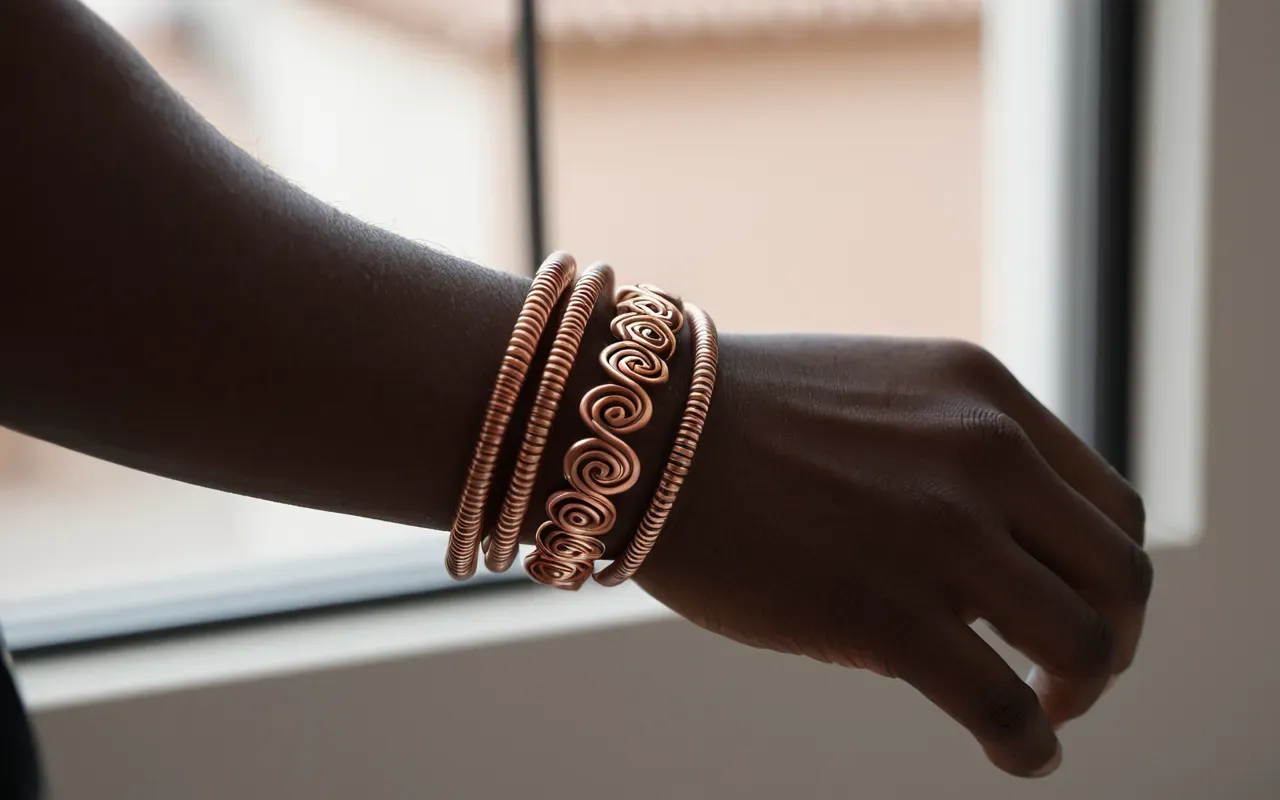
The shift is subtle but undeniable. We're moving away from logos and toward technique. A hand-formed spiral bracelet says more about a person than any designer tag ever could.
Why The Spiral Bracelet Is Outperforming Designer Chains
The tutorial breaks down the exact measurements. Each link needs about seven inches of wire. The clasp takes less than one inch. Deceptively simple, really.
Here's the thing nobody tells you about mass-produced jewelry: it looks perfect because a machine in a warehouse overseas made it. But it feels dead. Heavy. Cold.
Handmade pieces carry a warmth factories can't replicate. The slight variations in the wire coil aren't flaws; they're proof of human touch.
I wore my copper spiral for a week straight. It darkened slightly near the skin. That patina is unique to me. No two pieces will ever look exactly alike.
The Hidden Economics of Affordable Artisanal Design
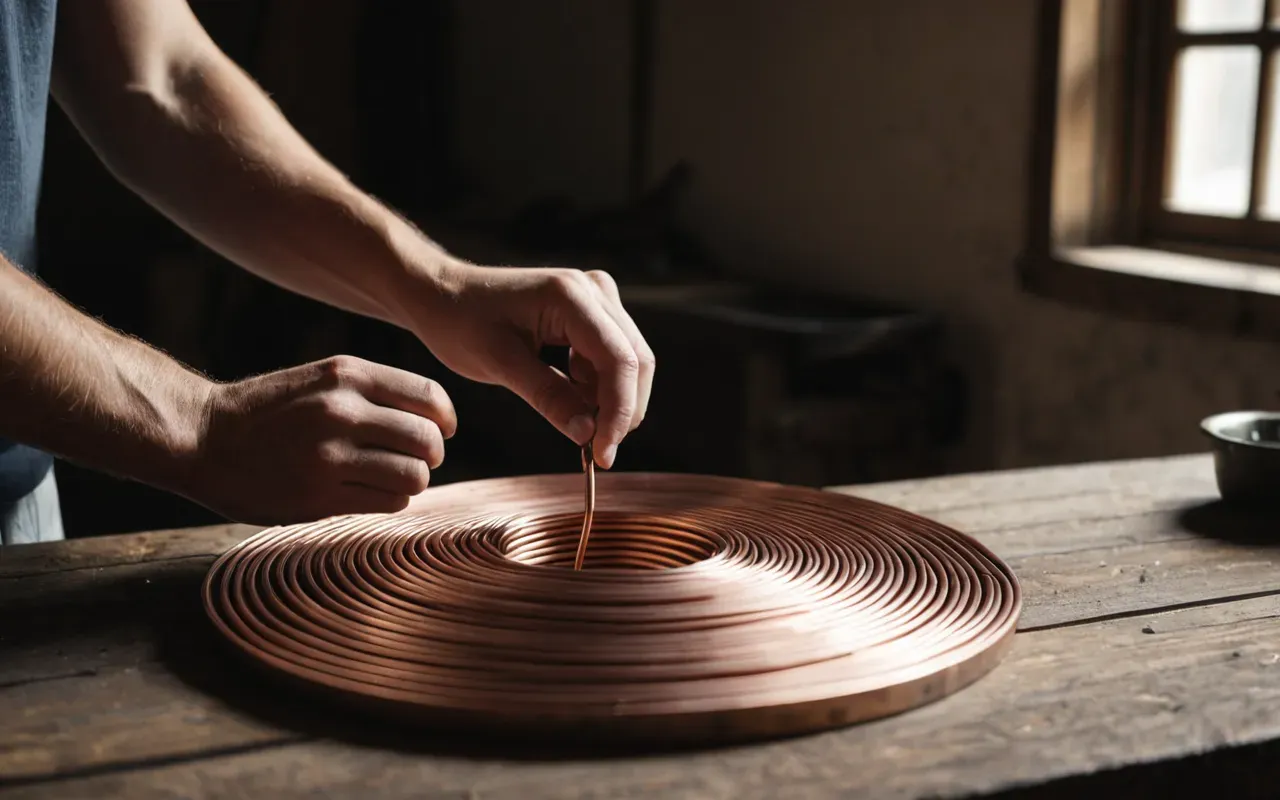
Let's talk numbers. A spool of 20 gauge copper wire costs less than a coffee at most cafes. Yet it can be shaped into jewelry that retails for hundreds if branded correctly.
That creates a massive gap in the market. Consumers want quality but are tired of paying for marketing budgets rather than materials.
The wave ring tutorial proves that technical skill is the new currency. You don't need rare gemstones to look sophisticated. Just steady hands and good wire.
If you're curious how other creators are leveraging this shift, look at the DIY jewelry concepts that actually sell in 2026. The data backs up what we're seeing on social media.
Sustainability Is The New Status Symbol
Copper is often a recycled material. It can be melted down and reused indefinitely without losing its properties.
That aligns perfectly with the eco-conscious values of modern shoppers. Buying handmade is no longer just a style choice. It's an ethical stance.
Fast fashion accessories land in landfills within months. A well-made wire piece can last a lifetime. That longevity is the real luxury.
The Psychological Appeal of Imperfection
Humans are hardwired to value things that show evidence of effort. The slight irregularities in a hand-formed spiral trigger an emotional response.
It feels personal. Intentional. And in a world of algorithms and automated production, that intentionality is rare.
Styling Tips for Everyday Wear
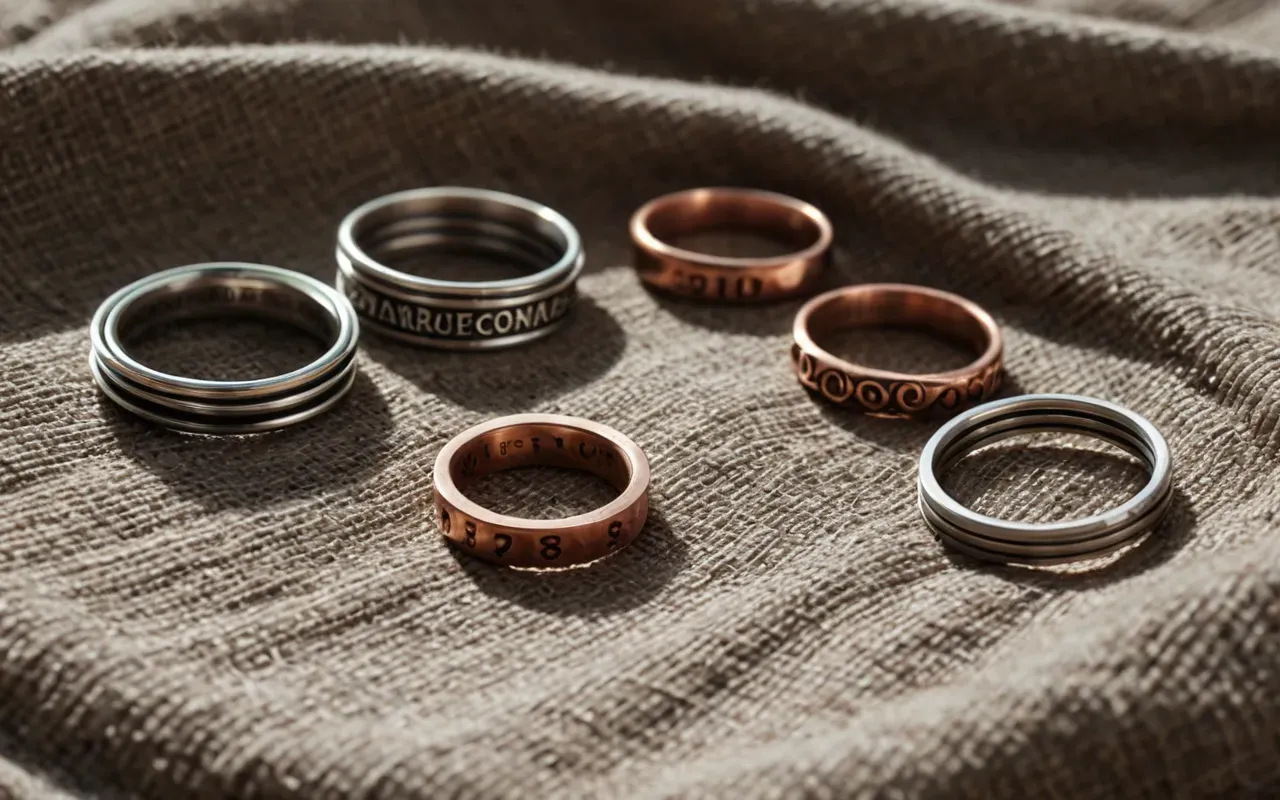
Don't overthink the pairing. A single wave ring looks stunning on its own. Or stack it with a simple band for added depth.
The spiral bracelet works best as a standalone statement. Keep the rest of your accessories minimal to let the wire work shine.
I often pair these pieces with neutral clothing tones. The warm glow of copper adds a subtle contrast to earthy fabrics.
Caring For Your Handmade Pieces
Copper does react to moisture. Wipe it down after wearing in humid conditions to prevent unwanted discoloration.
You can polish it with a soft cloth. Avoid harsh chemicals that might strip the natural finish you worked hard to achieve.
The Broader Shift Away From Disposable Fashion
This trend is part of a larger movement. Consumers are rejecting the throwaway culture that dominates retail today.
They want pieces with a story. Wire jewelry carries a narrative of creation that mass-produced items simply lack.
The viral nature of the tutorial shows how easily this message spreads. One video can inspire thousands to try their hand at wire work.
It's democratizing design. You don't need a degree in gemology to create something beautiful and meaningful.
Who Wins In This New Landscape
Artisans win. They can command higher prices for their skill and unique designs without relying on expensive materials.
Consumers win, too. They get high-quality pieces at a fraction of the cost of traditional luxury brands.
The only losers are those who refuse to adapt. Brands that rely solely on cheap materials and aggressive marketing will struggle.
What This Means For Your Personal Style In 2026
The era of logo-heavy accessories is fading. In its place comes a new appreciation for craftsmanship and individuality.
Wearing handmade jewelry is a statement of values. It says you care about the maker as much as the product.
If you've been searching for a way to elevate your wardrobe without breaking the bank, this is it.
Check out the handmade jewelry trends defining your style in 2026 to see where the industry is heading.
The Final Word On The Copper Revolution
This isn't a fad. It's a fundamental change in how we value beauty and utility.
The wave ring and spiral bracelet are just the beginning. More complex designs will follow as skills spread.
The key is to stay authentic. Let your hands do the talking. The result will speak for itself.
In a world full of noise, simple handmade elegance is the loudest statement you can make.
The copper wire trend is here to stay. And it's changing the game for everyone involved.