The Hidden Power of Handmade Jewelry in Sustainability Narratives
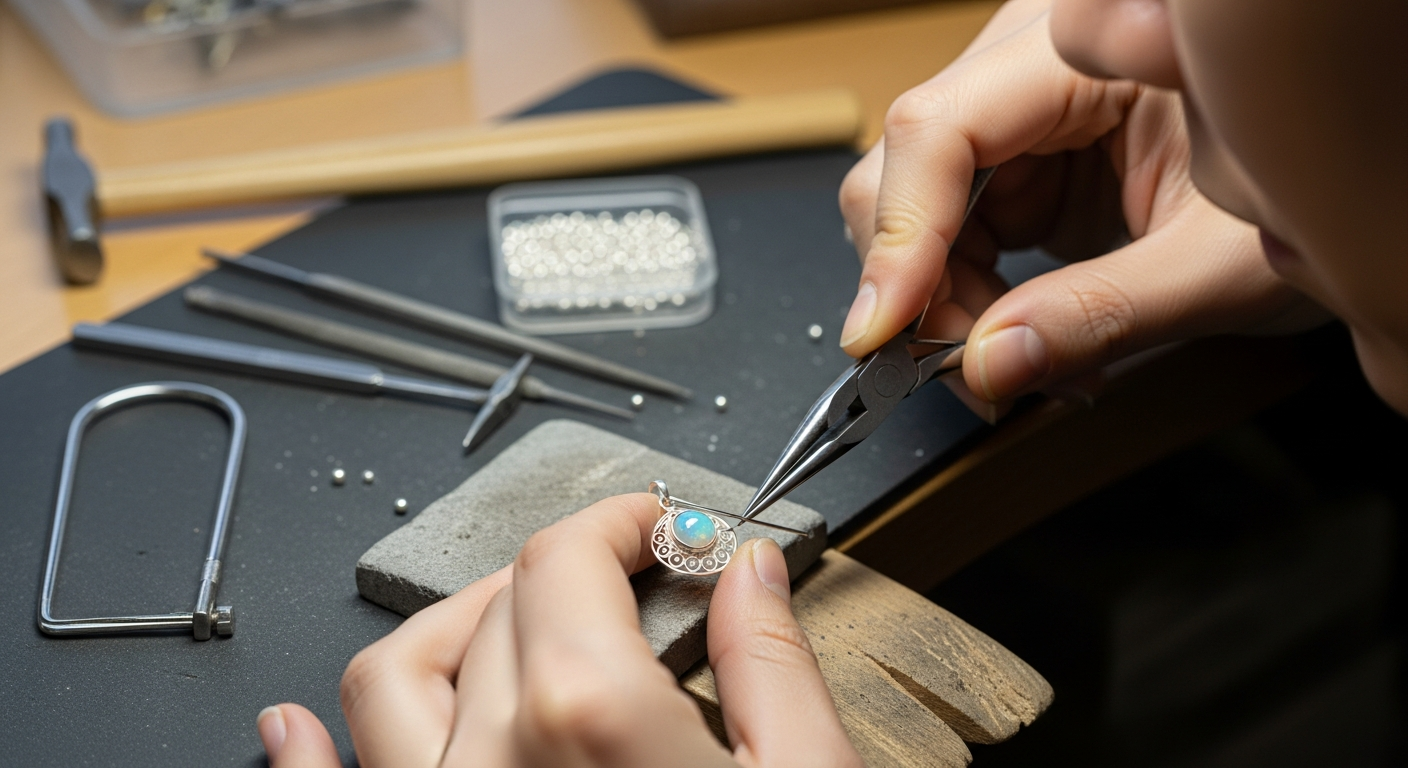
Most discussions around sustainable fashion emphasize mass-produced eco-friendly fabrics or recycled materials, often overlooking the underestimated impact of artisanal craftsmanship. Handmade jewelry, frequently dismissed as mere luxury or aesthetic indulgence, actually embodies a profound form of sustainability that challenges mainstream narratives. Every piece crafted by skilled artisans involves a meticulous process that often utilizes local, renewable, or reclaimed materials, reducing reliance on mass production and minimizing waste. Unlike fast-fashion accessories churned out in factory lines, handmade jewelry invests in longevity and uniqueness, encouraging consumers to cherish pieces for years rather than discarding them swiftly. This paradigm shift reveals that true eco-consciousness isn't just about materials but about fostering sustainable practices rooted in craftsmanship, community, and conscious consumption.
Unpacking Common Sustainability Misconceptions about Handmade Jewelry
A widespread myth assumes that only mass-produced items can be truly eco-friendly due to scalability and lower costs. However, this perspective ignores the environmental toll of fast fashion's rapid turnover, excessive waste, and the exploitation of cheap labor. Handmade jewelry defies this misconception by demonstrating that smaller-scale, artisanal production often results in a lower carbon footprint, especially when artisans use sustainable practices like reclaimed metals or naturally sourced stones. Moreover, these pieces tend to be more durable, reducing the need for frequent replacements, which is a crucial aspect of sustainable consumption. The myth that exclusivity equals ecological compromise is also debunked when considering how artisanal pieces encourage consumers toward mindful, long-term relationships with their accessories.
The Contrarian Case for Handmade Jewelry as the Pinnacle of Sustainable Luxury
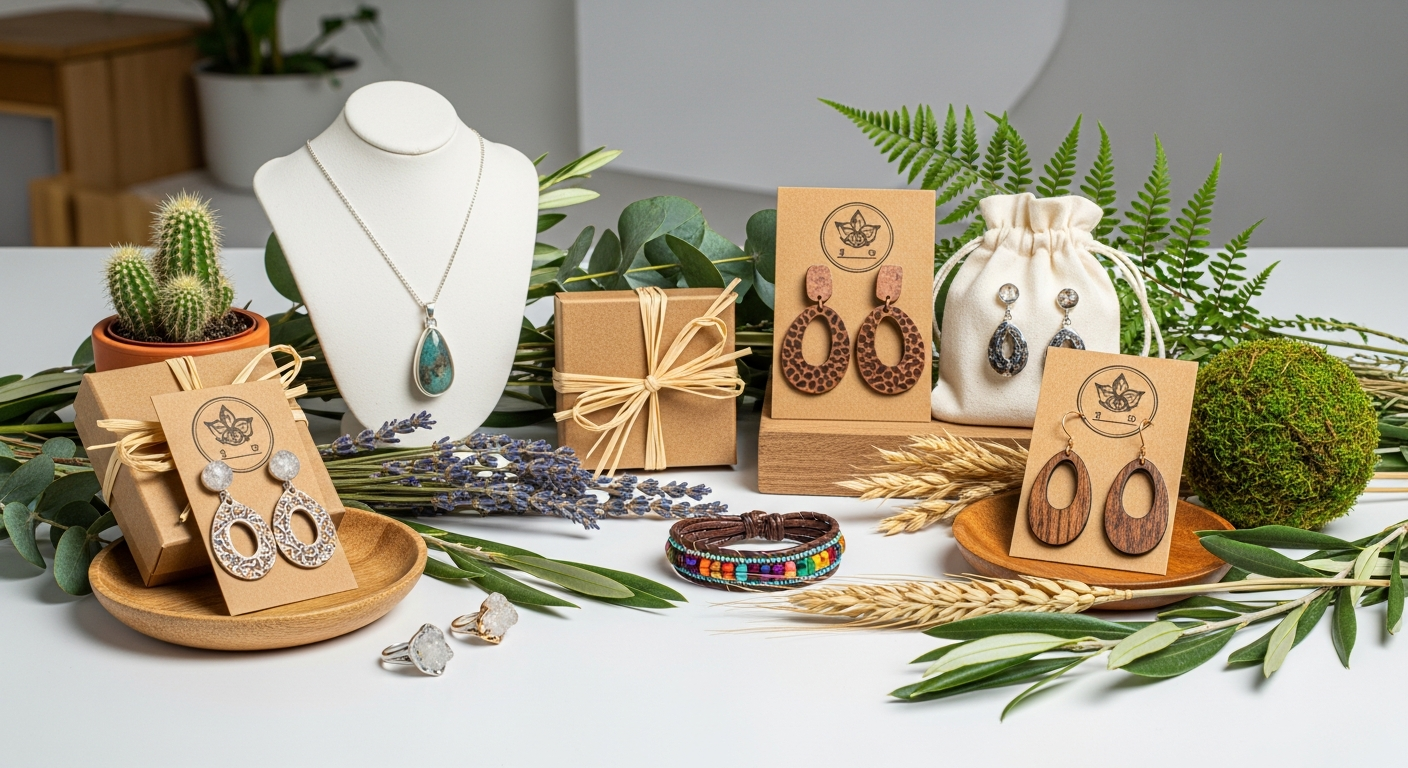
Contrary to popular belief that sustainability inherently sacrifices style or luxury, handmade jewelry places craftsmanship at the heart of eco-conscious fashion. Each artisan-developed piece is a testament to quality, longevity, and cultural heritage, offering a form of sustainable luxury that’s both meaningful and aesthetically compelling. Unlike mass-produced designer accessories that often involve harmful processes and unsustainable sourcing, handmade jewelry celebrates local materials, zero-waste techniques, and ethical labor standards. This approach not only provides consumers with distinctive, high-end adornments but also reinforces the social and environmental values behind sustainable fashion. Embracing handmade jewelry as a status symbol aligns with a future where true luxury is defined by authenticity, craftsmanship, and care for the planet.

Reframing Consumer Choices towards Authentic Artisan Sustainability
The real shift in sustainable fashion comes from re-evaluating our values around consumption. Choosing handmade jewelry encourages a move away from fleeting trends and mass-market obsolescence, fostering a deeper appreciation for one's accessories. This means investing in well-crafted, one-of-a-kind pieces that support local communities, traditional techniques, and environmentally responsible sourcing. By consciously selecting artisanal accessories, consumers challenge the notion that sustainability is incompatible with personal style or luxury. Instead, they recognize that genuine craftsmanship, like that showcased in artisanal jewelry, embodies a holistic approach to sustainability—respecting both the environment and cultural heritage, while offering personal expression that ages gracefully over time.

Handmade jewelry is typically produced on a smaller scale, utilizing eco-friendly materials and traditional techniques, which minimizes waste and environmental impact. It promotes durability and timeless design, reducing the cycle of fast consumption and waste. Fast fashion, by contrast, relies on mass production, cheap synthetic materials, and cheap labor, often leading to significant ecological harm and unethical practices. The artisanal process inherently supports sustainability when paired with responsible sourcing and local economies, making it a genuine alternative to the harmful environmental footprint of conventional, mass-market accessories.
Consumers can prioritize buying from local artisans, seek certified eco-friendly materials, and opt for timeless, high-quality pieces over fast, disposable trends. Supporting brands that emphasize transparency in sourcing and labor practices amplifies ethical standards and bolsters sustainable craftsmanship. Visiting dedicated boutiques or online platforms like Nua Cycle, which highlight artisanal work, can make a significant difference. By choosing these authentic options, buyers contribute directly to sustainable economic models and help reshape the jewelry industry into one where beauty and responsibility coexist.