The shine is real but the structure is fragile
I watched that video twice. The light caught the gold loops just right — honestly, it looked perfect. Almost too perfect for something that's supposed to survive a chaotic Tuesday morning.
That's the trap, isn't it. We fall for the shimmer. We forget to look at the stress points. A chain is only as strong as its weakest link, and in handmade work, that link is usually wherever the artisan's fatigue lives.
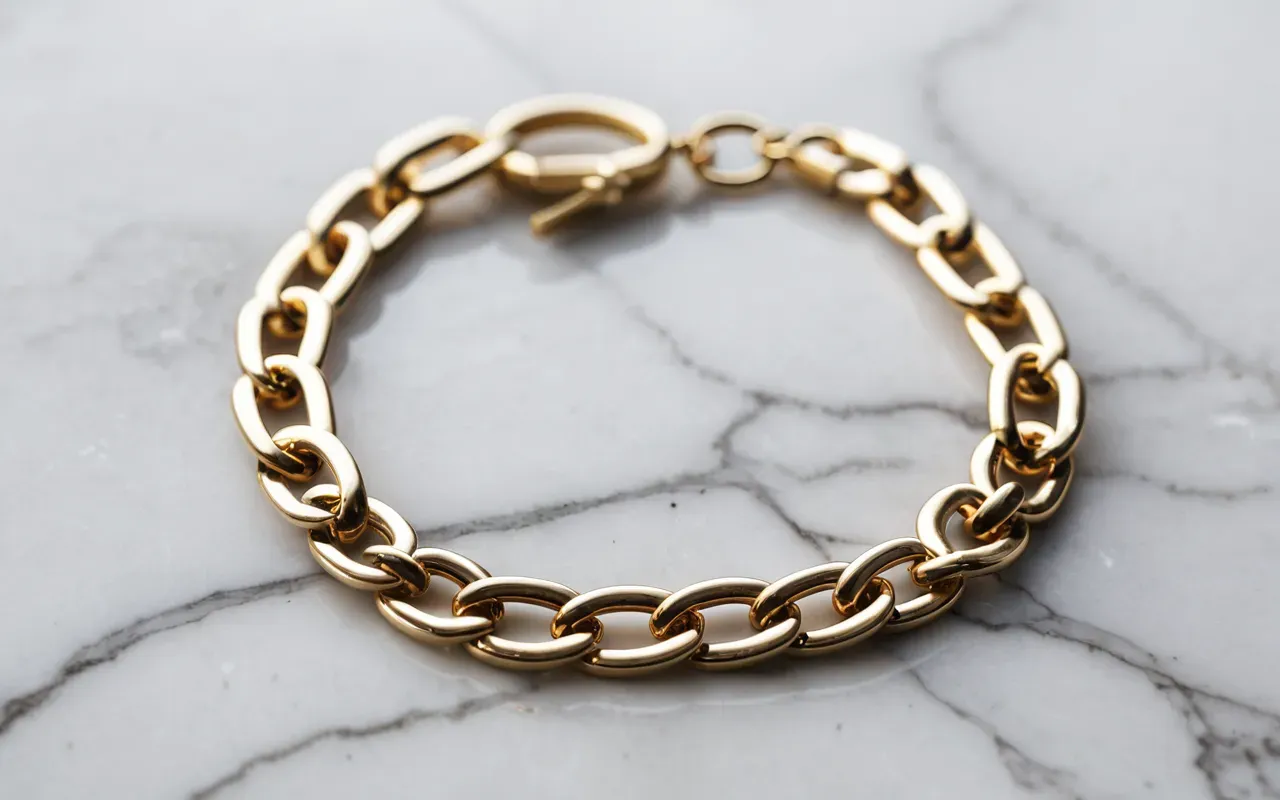
Why minimalist designs hide structural risks
Minimalism in jewelry cuts both ways. It looks clean. It feels modern. But it also means fewer points of support. A thick, chunky chain spreads the weight across many links; a delicate handmade loop dumps all of it into one tiny area.
I've watched this play out in my own collection. A gorgeous hand-forged cuff snapped clean at the hinge. The metal wasn't the problem. The hinge was the only thing holding the whole thing together. That's a design flaw dressed up as elegance.
The weight of your daily wear habits
We treat our wrists like they're indestructible. We type on keyboards. We wrench open jars. We brush our hair. Every one of those actions tugs on the chain. A mass-produced chain is cast in one piece — tough. A handmade chain is assembled — flexible. And flexibility is great right up until it snaps.
Go back and watch the video. Watch how the bracelet moves. It sways. It bends. Beautiful, sure. Also a warning. Every bend is a micro-fracture waiting to happen. I'm not saying it'll break today. I'm saying it'll break sooner than you think.
The artisan dilemma of beauty versus strength
Craftspeople face a hard choice here. Thin looks chic. Thick looks clunky. Most go thin — it sells better, it photographs better, it fits the whole modern sustainable-fashion aesthetic. Then it fails under pressure.
I asked a local jeweler about it once. He laughed. "Gold is soft," he said. "It was never meant to be armor." That stuck with me. We expect jewelry to be tough, and we forget it's precious metal. Precious things tend to be delicate.
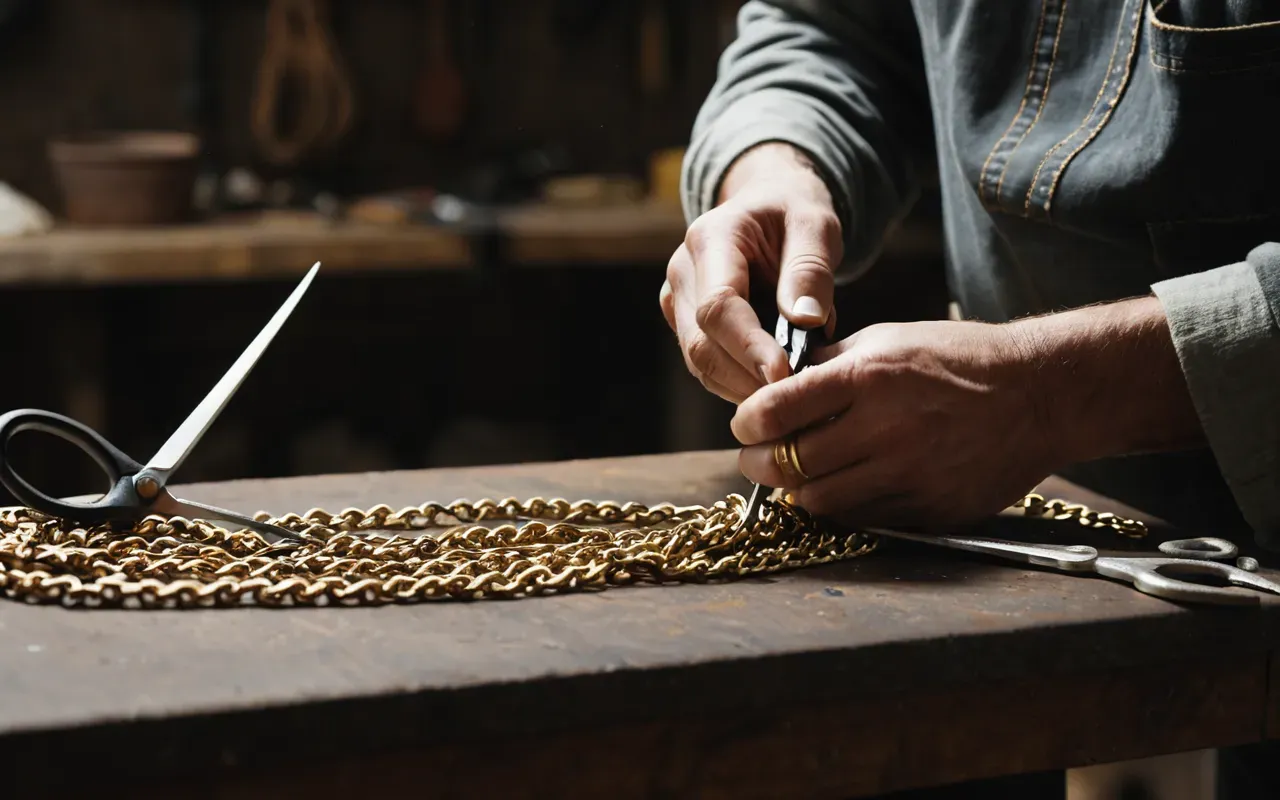
What the viral showcase misses about longevity
The video is a showcase, not a stress test. It shows the bracelet in one static, ideal state. It doesn't show it after six months of daily wear. It doesn't show it after it catches on a door handle. It doesn't show the green mark it leaves on your skin.
My favorite piece comes from a local maker — a simple band. Three years of abuse and it's still going. Why? No moving parts. No hinges, no links, just one solid piece of metal. That's the lesson. Simplicity isn't only about looks. It's about survival.
The cost of repairing a broken chain
And when a handmade chain does break, you're stuck. You can't just buy a replacement link off the shelf. It's custom. You go back to the maker. Maybe they're busy. Maybe they're out of stock. Maybe they've moved. Your bracelet is a paperweight now.
Mass-produced chains are replaceable. Handmade chains are liabilities. Harsh, I know. I don't say it to scare you — I say it so you can make an informed choice. Love the look? Accept the risk. Value longevity? Look elsewhere.
How to protect your investment in artisanal pieces
If you're set on a delicate handmade chain, take precautions. Take it off before you sleep. Take it off before you work. Store it in a soft pouch, not a box where it can tangle. Treat it like the fragile thing it is.
My delicate pieces live in a drawer with cotton. I check them weekly — looking for weak spots, discoloration, anything off. It's a bit of work. Better than losing a piece you love, though. The effort is part of the ownership.
Choosing the right maker for durability
Not all makers are the same. Some prioritize aesthetics, some prioritize function. Ask about their process. Ask about metal thickness. Ask about the clasp. A good maker will tell you the truth about the limitations. A bad one will promise you the moon.
I once bought a bracelet from a maker who swore it was "indestructible." It snapped in a week. Since then I trust physics over promises. Gold is soft. Chains are weak. Design is the only thing that can save them.
The future of handmade jewelry in a fast fashion world
We live in a world that wants everything durable and cheap at the same time. Impossible. Handmade jewelry is the opposite of that — unique and fragile, personal and temporary. That's not a bug. It's a feature.
Maybe the point isn't to keep it forever. Maybe it's to wear it while it lasts. To enjoy the beauty of the moment and accept that some things are meant to be worn, not kept. That's a different kind of value.
What this means for your next purchase
So before you buy that beautiful, delicate chain, ask yourself one question. Do I want a piece that looks perfect in a photo, or one that survives my life? The answer might change your choice. It might change your maker. It might change your expectations.
I still love handmade jewelry. I still wear it — just with care, and with awareness. I know it's fragile. I know it's beautiful. I know it's a compromise. And that's enough. More than enough.
A final thought on beauty and breakage
The video showed us a perfect moment. A flash of gold. A symbol of style. But behind that flash sits a reality of metal and stress. Flash or reality — your call. Or both. If you want both, you'll have to choose carefully.
The best jewelry isn't the strongest. It's the piece that fits your life. Chaotic life? Choose strength. Calm life? Choose beauty. No wrong answer here — only the right fit for you. And honestly, that's the most artisanal part of all.