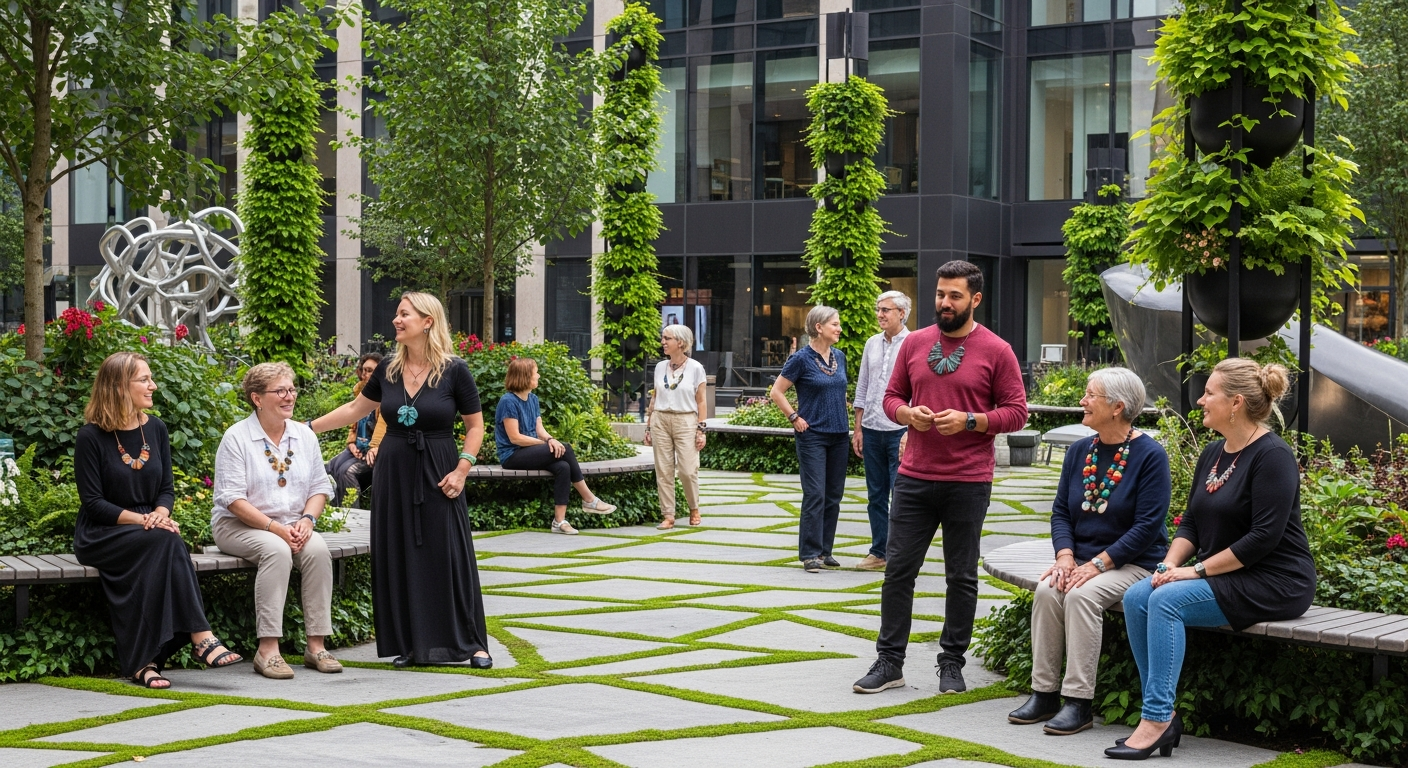
Uncovering the Subtle Revolution in Fashion Driven by Handmade Jewelry
In a world increasingly dominated by mass production and fast-fashion, a silent revolution is taking place—handcrafted jewelry is emerging as a powerful force that challenges the very core of what we consider fashionable. Unlike standardized, machine-made pieces, artisanal jewelry embodies a level of craftsmanship that speaks to individuality and sustainability. But what many may overlook is how this movement isn't just about aesthetics; it's fundamentally reshaping our understanding of personal identity and societal values in fashion. The story begins with talented artisans, whose work emphasizes eco-conscious materials and ethical practices, quietly influencing consumers eager to abandon homogenized trends. From minimalist chains to elaborate statement pieces, these handcrafted items are nudging fashion towards a future where quality and authenticity become more valuable than fleeting trends, making handmade jewelry a true disruptor in modern style narratives.
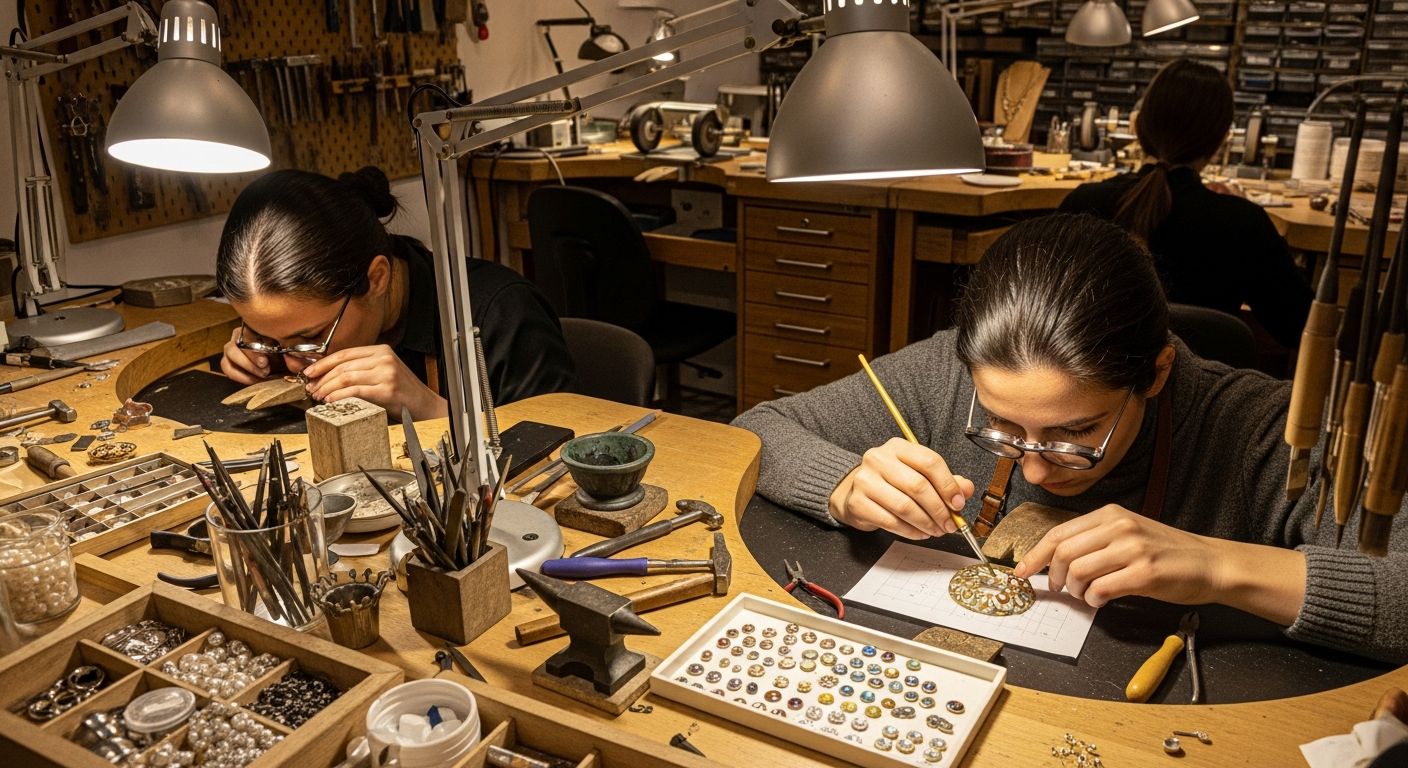
The Implication of Authenticity in a Culture of Mass Trends
While fast fashion has commodified style into a fleeting spectacle, handmade jewelry restores a deep sense of authenticity and uniqueness to personal adornment. Consumers today are battling fatigue from identical retail displays and cookie-cutter accessories, shifting their attention toward artisanal pieces that reflect their individuality. This desire for authenticity also carries a broader implication: it challenges the very notion of uniformity in consumption. As more people seek out handmade items, they are tacitly endorsing a shift away from disposable trends toward durable, meaningful adornments. This shift not only benefits artisans and sustainability initiatives but also elevates personal style into an act of self-expression that resists homogenization—a subtle but profound evolution resisting the tides of—and in many cases, opposing—the trend-driven fast fashion industry.
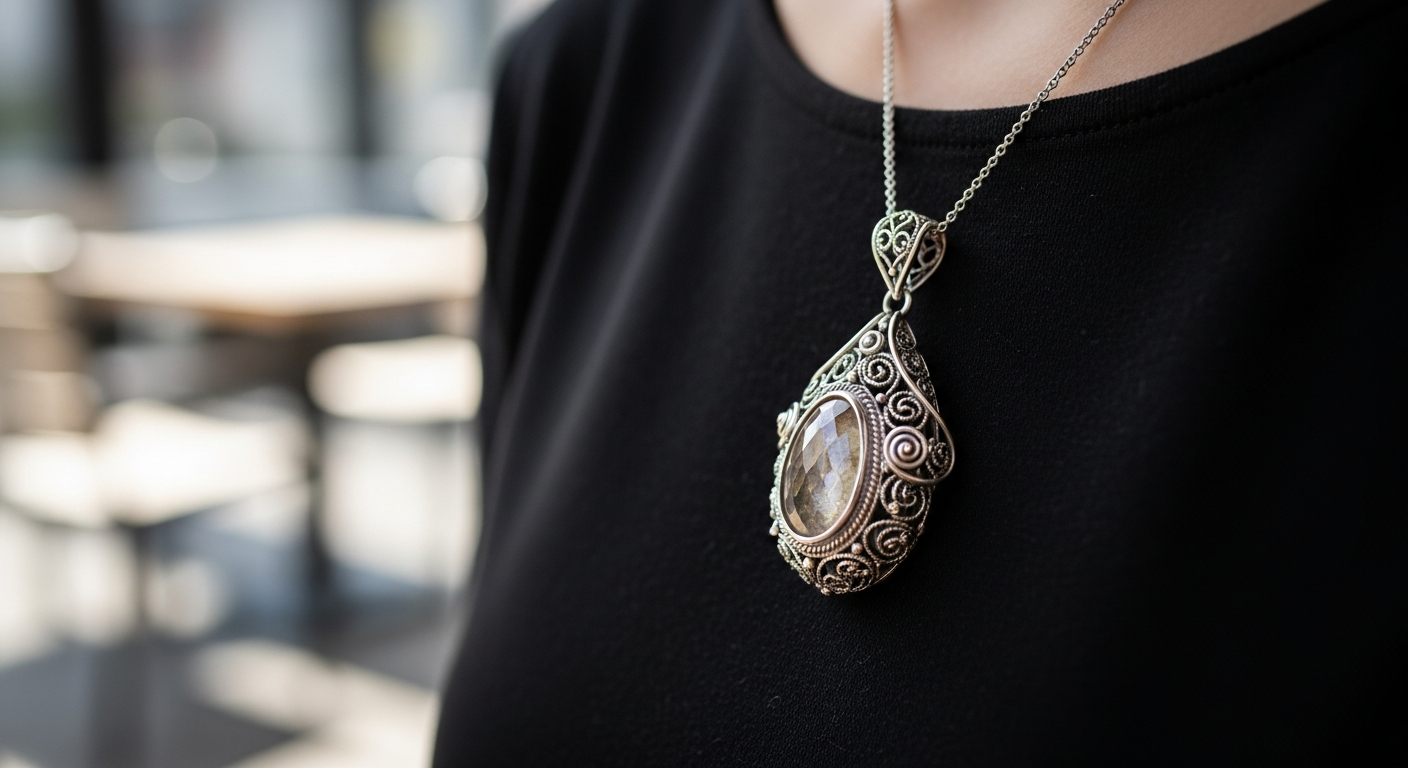
Who Truly Benefits from the Disruption of Traditional Fashion Powers?
The quiet upheaval caused by handcrafted jewelry raises a crucial question: who are the real winners and losers in this paradigm shift? On one side, small-scale artisans and sustainable brands gain recognition and economic empowerment, challenging the dominance of large corporations that prioritize profit over craftsmanship. Consumers benefit by gaining access to unique, high-quality pieces that tell stories—bearing personal or cultural significance rather than mere brand labels. Conversely, traditional fast-fashion giants face a decline in influence as they struggle to adapt to a market increasingly valuing authenticity and sustainability. This shift risks destabilizing the traditional power structures within fashion, leading to a potential redefinition of value itself—from fleeting trends to enduring craftsmanship—potentially redefining which brands and consumers hold influence in the new artisanal era.
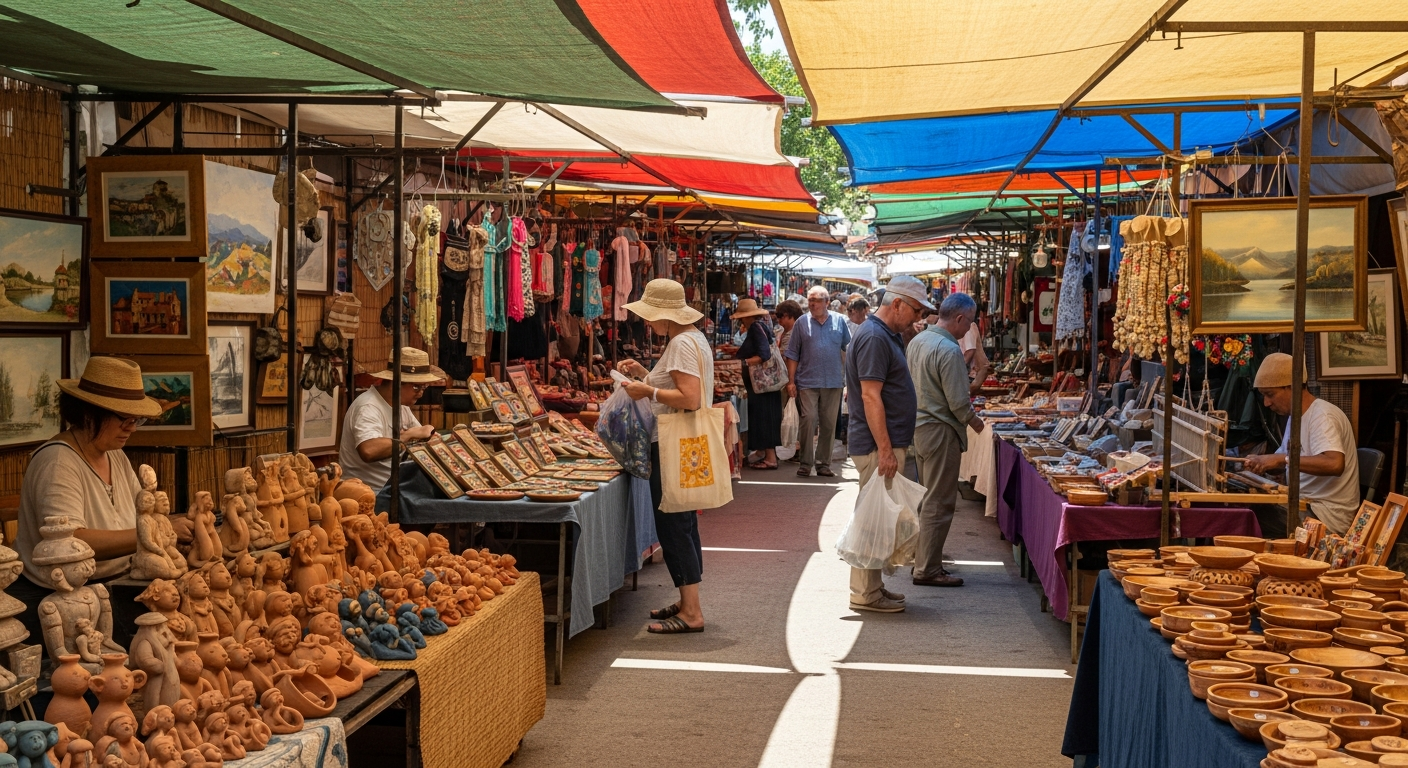
The Future of Fashion Lies in the Hands of Artisans and Conscious Consumers
As this quiet yet powerful movement continues to gain momentum, it signals a broader cultural shift — one that values sustainability, craftsmanship, and individual expression over mass-market conformity. The impact extends beyond aesthetics, influencing how brands approach transparency, materials sourcing, and ethical practices. Consumers increasingly view jewelry as an extension of their identity and values, championing brands that prioritize artisanal excellence and eco-conscious methods. This paradigm shift isn’t just a passing trend but a fundamental redefinition of what makes fashion meaningful. Ultimately, it fosters a landscape where individual stories, sustainable practices, and artistic mastery are the true currency. For those willing to embrace this change, the future promises more than just style—it offers storytelling, purpose, and resilience embedded into every handcrafted piece.