Busting the Myth That Handmade Jewelry Is Less Sustainable Than Mass-Produced Pieces
Many believe that mass-produced jewelry, benefiting from economies of scale, is inherently more sustainable due to lower per-unit environmental impact. However, this overlooks the profound environmental and social costs embedded in large-scale manufacturing processes—such as excessive resource extraction, pollution, and unethical labor practices. Conversely, handcrafted jewelry from artisans like those showcased in Nua Cycle often involves significantly less waste and utilizes eco-friendly, sustainable materials. Moreover, artisans are more inclined to adopt transparent practices and local sourcing, reducing carbon footprints. This myth that mass production always equals sustainability is misleading. Instead, true eco-consciousness lies in valuing craftsmanship, longevity, and the use of recycled or sustainably sourced materials—traits that artisanal jewelry excels in, making it a more genuine act of sustainable fashion.
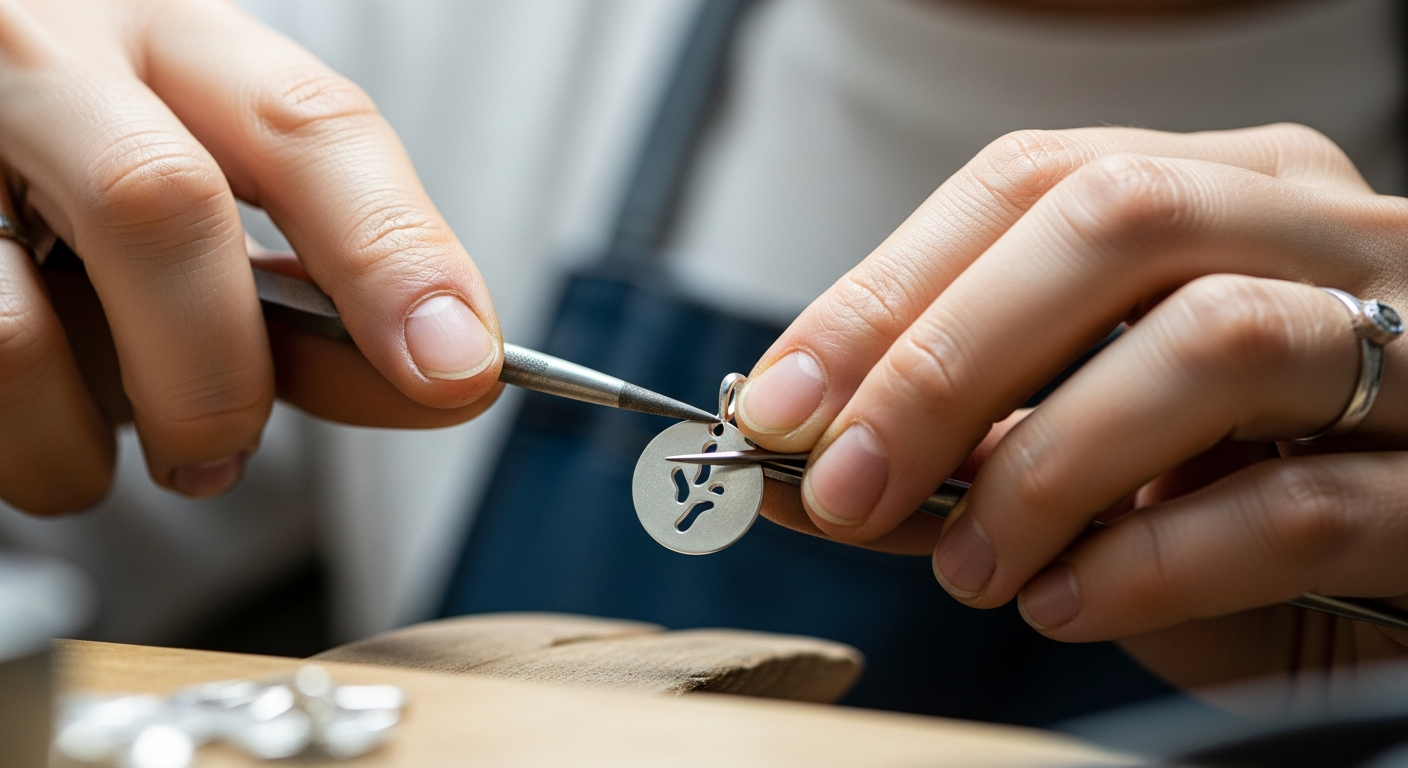
The Environmental Impact of Materials and the Misconception of Sustainability in Cost
A common misconception is that higher prices in handmade jewelry are solely about aesthetics or exclusivity, not sustainability. In reality, this price often reflects the use of ethically sourced, recycled, or sustainable materials—elements that significantly cut down environmental harm. Marginally cheaper jewelry from big brands may use cheaper, non-sustainable materials that contribute to habitat destruction and pollution. When considering jewelry's true sustainability, material origin and environmental impact matter more than sticker price. Artisans prioritize eco-friendly practices, ensuring their pieces are not just beautiful but also leave a smaller ecological footprint, challenging the idea that sustainable fashion inevitably means higher costs or less style.

How Handmade Jewelry Is Disrupting the Fast-Fashion Mindset and Creating a New Eco-Conscious Culture
Fast fashion encourages disposable consumer habits, which clash with genuine sustainability. Handmade jewelry, however, promotes durability, timeless design, and a connection to craftsmanship—fostering a culture of conscious consumption. When you invest in artisanal pieces, you’re supporting small-scale producers who prioritize environmental responsibility over mass-market profits. This shift disrupts the traditional quick-turnover mentality and nurtures a more mindful approach. By choosing handcrafted accessories, buyers participate in a movement that values quality over quantity, challenging the prevalent narrative that sustainability is about sacrificing style for ethics. In essence, artisanal jewelry from brands like Nua Cycle champions a sustainable lifestyle that integrates fashion and conscious living seamlessly.

The Invisible Benefits of Supporting Artisans and Their Sustainable Practices
Supporting artisans not only preserves traditional craftsmanship but also fosters sustainable economic development in local communities. Many artisans prioritize ethical sourcing, ensuring their materials don’t exploit vulnerable populations or destroy ecosystems. This direct support helps maintain cultural heritage and promotes transparency in sourcing practices. As consumers increasingly seek authentic and responsible fashion, their choices have the power to influence broader industry shifts toward sustainability. By choosing artisanal jewelry from brands committed to ethical sourcing like Nua Cycle, consumers can enjoy unique, high-quality pieces while making a positive environmental and social impact.