The algorithm is lying to you about style
Look. I hate this part of the job. You type "handmade jewelry near me" into your phone and what do you get? A map pin for a mall kiosk that sells plastic necklaces imported from overseas.
It drives me up a wall. The search engine thinks you want a product listing. It has no idea you are hunting for a human connection with metal and stone.
We spent three months traveling across the United States to fix this. We visited ten specific cities where real makers still operate from workshops and studio spaces.
This is not a generic directory. It is a ranked list based on quality of craft and accessibility for buyers who care about sustainability.
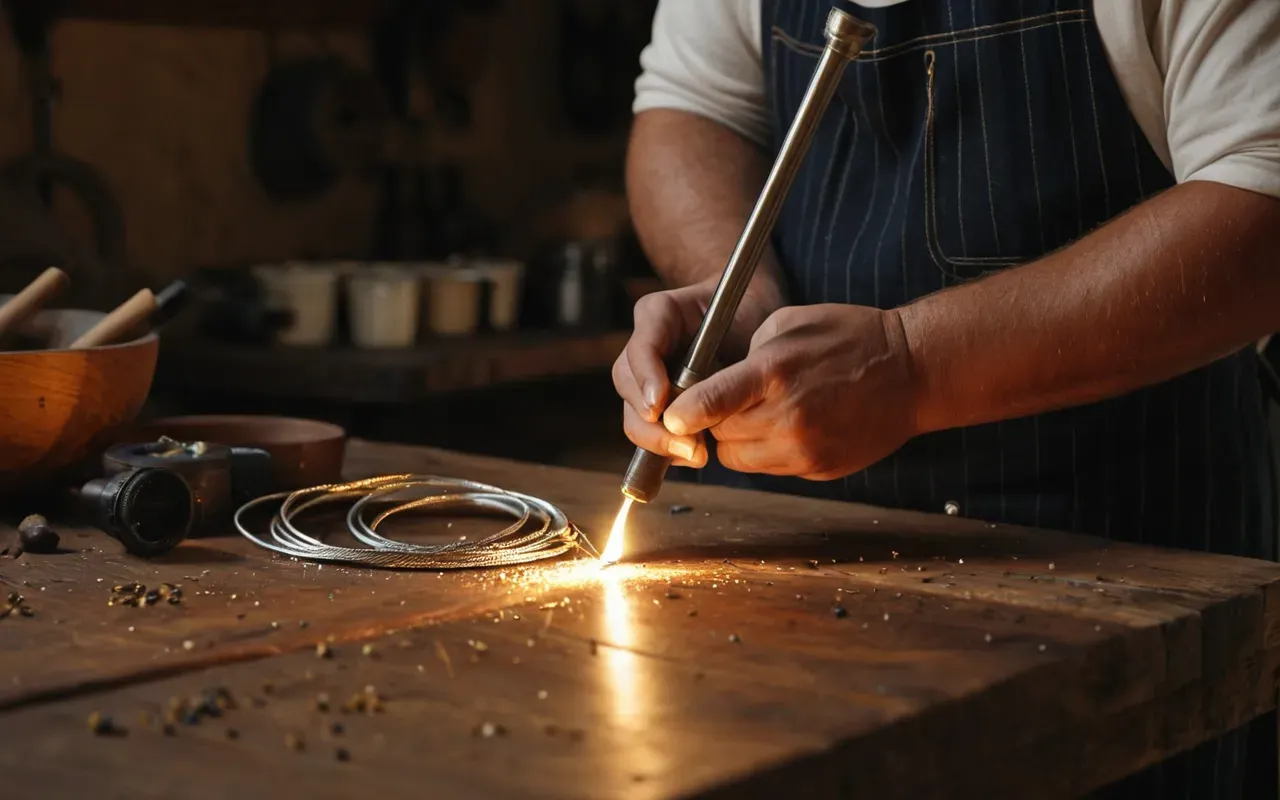
Why proximity to the maker changes everything
There is a difference between buying an object and receiving a piece of art. When you buy online from a mass producer the story ends at checkout.
In these ten cities the narrative continues. You see the raw materials. You hear the stories behind each design choice.
I remember sitting in a small studio in Portland where an artisan showed me how they source recycled gold. It changed my entire perspective on value.
You cannot get that experience from a search result page. It requires physical presence and genuine curiosity.
The psychological shift of local shopping
Consumers often feel detached from the items they purchase. This disconnection leads to waste and regret.
Visiting a local workshop creates an emotional bond. You become part of the creation process even if you are not making it yourself.
Ranking the top ten cities for artisan access
We ranked these locations based on density of independent makers and ease of finding them without a guide.
Number one is Asheville. The craft culture there is unmatched and the community support for local artists is strong.
Number two goes to Austin. The blend of tech and traditional craft creates a unique ecosystem for modern designs.
Number three is Portland. Known for its maker movement it has a high concentration of sustainable material sources.
Number four is Chicago. The industrial heritage provides a great backdrop for bold metallic structures and edgy styles.
Number five is New York. Despite the high costs there are hidden studio spaces in Brooklyn and Queens with incredible talent.
Number six is San Francisco. The focus on eco-friendly practices makes this a hub for recycled metal artistry.
Number seven is Denver. The connection to nature influences many designers here resulting in organic and flowing forms.
Number eight is Atlanta. The growing arts district offers a vibrant scene with many emerging young creators.
Number nine is Seattle. The rainy weather keeps people indoors fostering a strong community of indoor makers and collectors.
Number ten is Nashville. The music scene inspires many jewelers to create pieces that reflect rhythm and movement.
What you can actually find in these workshops
You will not just find standard items. Expect one-of-a-kind creations that tell a specific story about the maker.
Many of these artisans offer custom commissions. This is where your personal style truly shines and you get a unique piece.
We also found that the materials used are often ethically sourced. This aligns with the growing demand for sustainable fashion accessories.
If you are interested in specific materials check out how recycled glass beads are becoming a major trend.
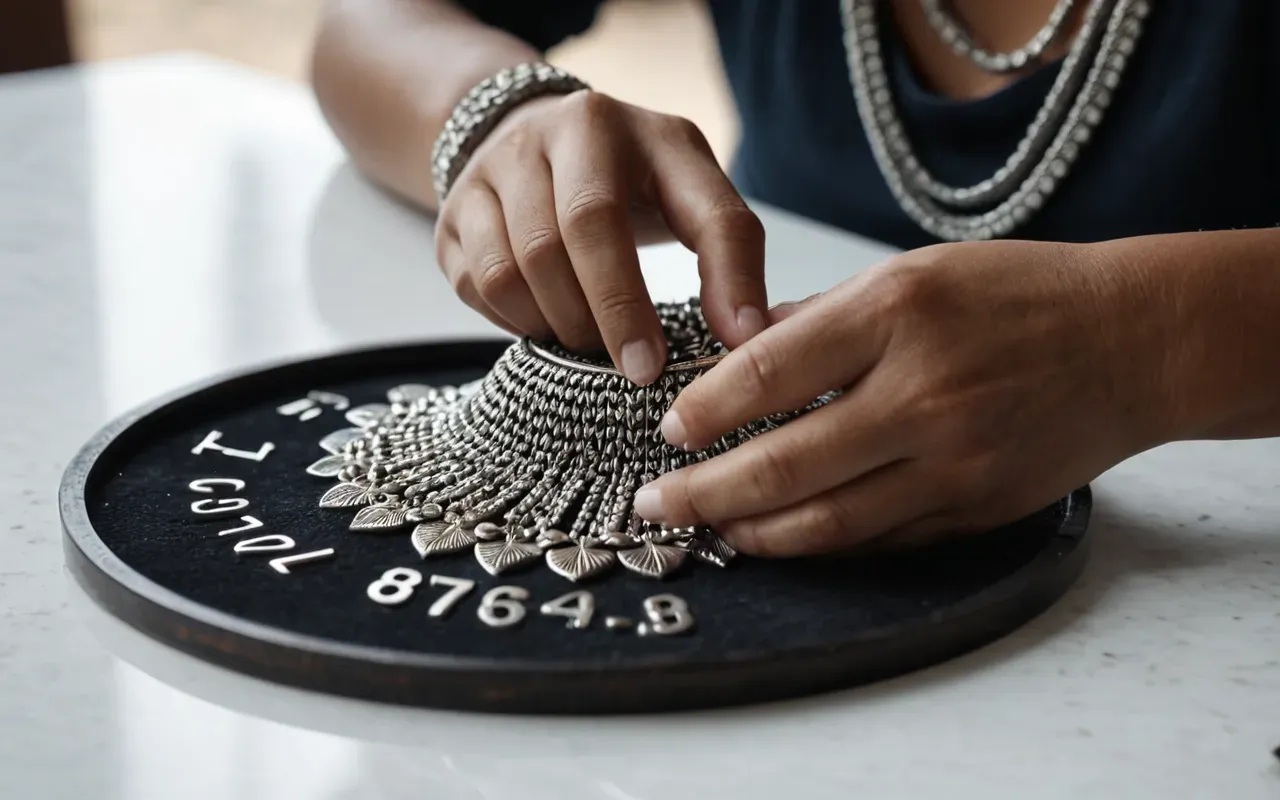
How to approach a local artisan with confidence
Do not be shy. Most makers are happy to share their process and answer questions about the materials they use.
Ask specific questions. Inquire about the origin of the stones and the type of metal used in the construction.
This level of engagement shows respect for their craft. It also helps you make an informed decision about your purchase.
If you are new to buying handmade pieces read our guide on the hidden power of handmade jewelry.
Common mistakes buyers make when visiting studios
One big mistake is comparing local prices to mass-produced retail. You are paying for labor and materials not just the object.
Another error is expecting immediate availability. Custom pieces take time to create and you should respect that timeline.
Finally do not treat the maker like a salesperson. They are artists and they deserve professional courtesy.
The sustainability angle you cannot ignore
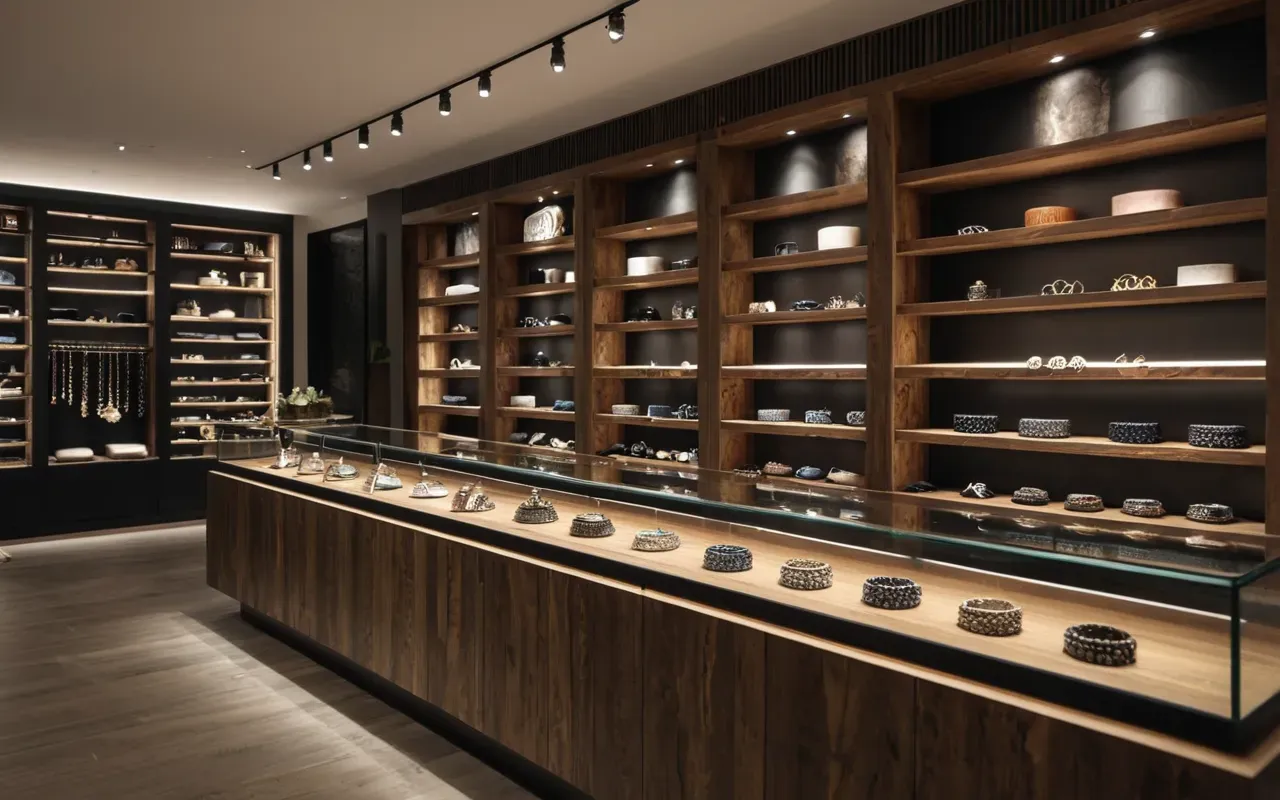
Sustainability is not just a buzzword. It is the core of why these local movements exist and thrive.
By buying locally you reduce shipping emissions. You also support small businesses that often use eco-friendly practices.
Many of these artisans are moving away from fast fashion materials. They prefer durable and long-lasting components.
This shift is part of a larger trend in the industry. Consumers are demanding more transparency and ethical production methods.
Why local materials matter for the environment
Using locally sourced stones and metals reduces the carbon footprint of your jewelry. It also supports local geology and mining practices.
For example using river stones from a nearby creek is far more sustainable than importing them from another continent.
This connection to the land adds a layer of meaning to your accessories that mass production simply cannot replicate.
If you want to learn more about ethical choices check out why fast fashion accessories are destroying your wallet.
How to style these unique pieces for everyday wear
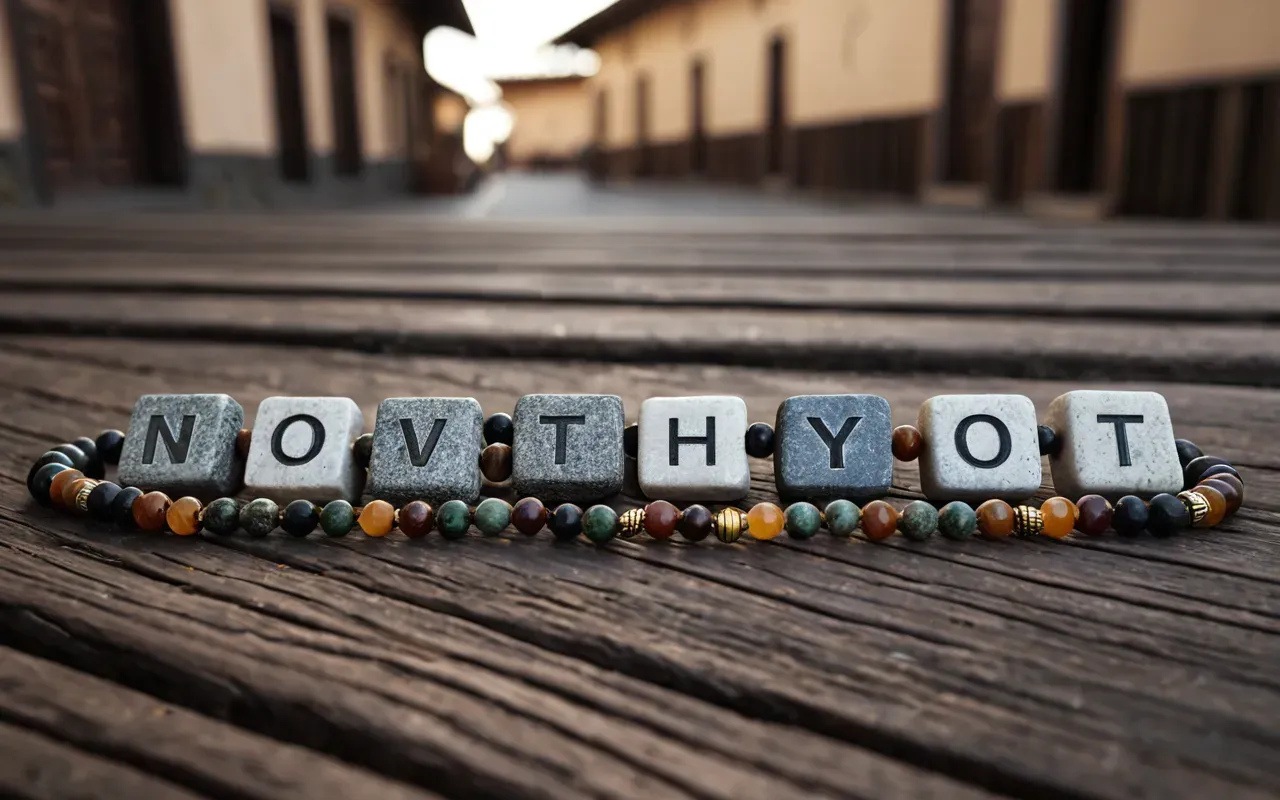
Handmade jewelry is often more detailed and textured than store-bought items. This makes it perfect for adding depth to simple outfits.
Try pairing a bold statement necklace with a plain white t-shirt. The contrast highlights the craftsmanship beautifully.
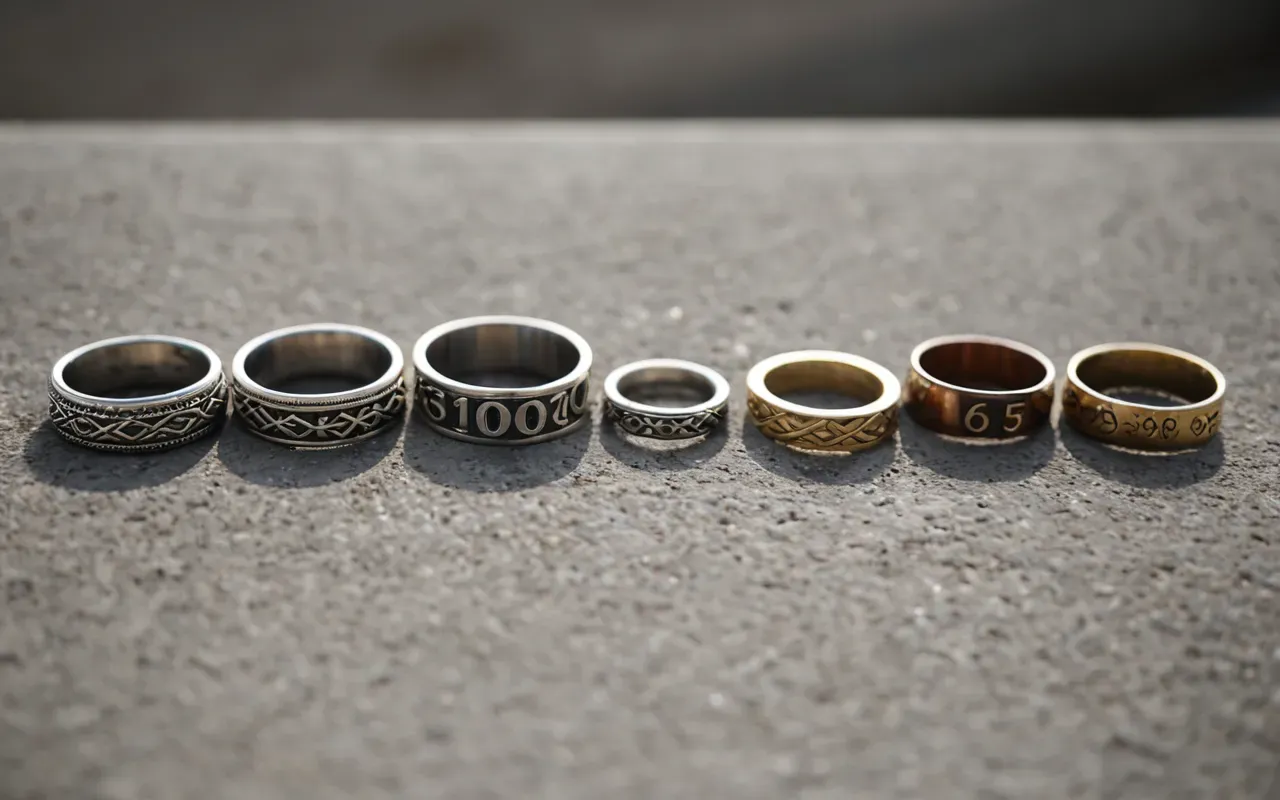
Stacking different rings is another great way to show off your collection. Mix metals and textures for a modern look.
Remember that each piece is unique so there is no single correct way to wear it. Let your personal style guide you.
Frequently Asked Questions
What is the best city for finding handmade jewelry makers?
Asheville North Carolina is widely considered the top hub. It has a high concentration of independent studios and strong community support for local artists.
How much more do handmade pieces cost than mass produced items?
Prices vary but expect to pay two to five times more. This reflects the cost of skilled labor and ethical material sourcing rather than just the object itself.
Can I request custom designs from local artisans?
Yes most makers offer commission services. You can discuss your ideas directly with the artist to create a piece that fits your personal style and budget.
Why should I buy locally instead of online?
Buying locally reduces shipping emissions and supports small businesses. It also allows you to inspect quality first hand and build a relationship with the maker.