The Silent Shift in Modern Jewelry Aesthetics
We usually tie luxury to rarity. Diamonds jump to mind first — they're hard, they're scarce, they've got that whole "forever" marketing machine behind them. But the market has quietly pivoted. Scarcity isn't the headline anymore. Story is.
Recycled glass beads are leading that charge. They now sit on wrists and necks that once only touched precious metals. And no, this isn't some passing fad. It's a structural shift in how we assign value to what we wear.
I've watched this transition up close over the past few years. The conversation around sustainability in handmade jewelry has gotten sharper, more sophisticated. Consumers aren't just asking if a piece is "green" anymore. They want names. They want provenance. Who made it, where did the glass come from, how did it get here.
The glass bead sector adapted faster than nearly any other material group. Artisans turned waste into a primary design element, not a compromise. That alone challenges the old hierarchy of gemstones — the idea that value flows from the earth's crust, not from human hands.
It feels almost audacious to say a bead can rival a diamond. But look at consumer retention data and the story flips. People hold onto glass pieces longer. Why? Because they connect with the process, the hands, the journey.
How Waste Becomes a Design Asset
The process starts with discarded glass. Bottles, jars, windows — the stuff we'd otherwise toss. It gets collected and cleaned thoroughly, stripped of impurities. At first glance, it looks like trash. Honestly, it looks like exactly that.
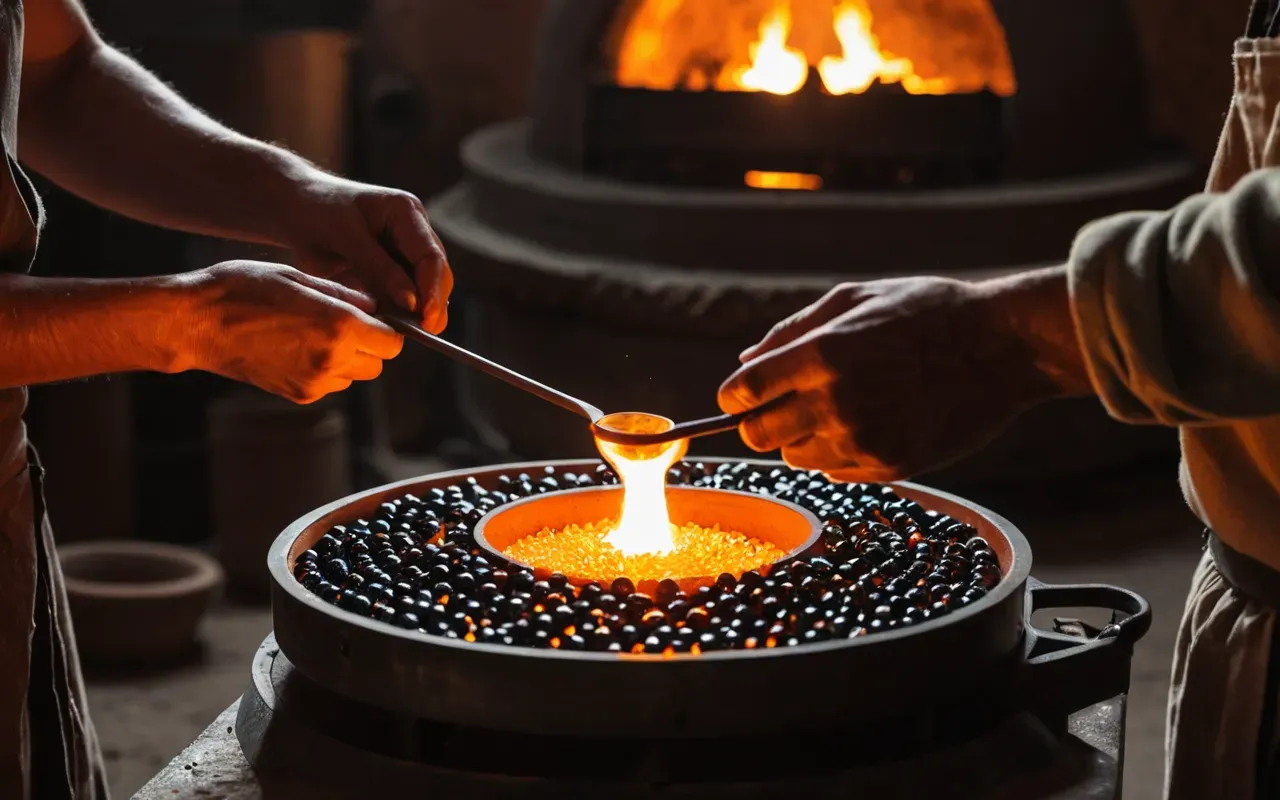
Then it's crushed into fragments. These pieces melt down in specialized furnaces. Here's the kicker: the energy required for this step is dramatically lower than mining new ore. That's not a minor detail; it's the whole point.
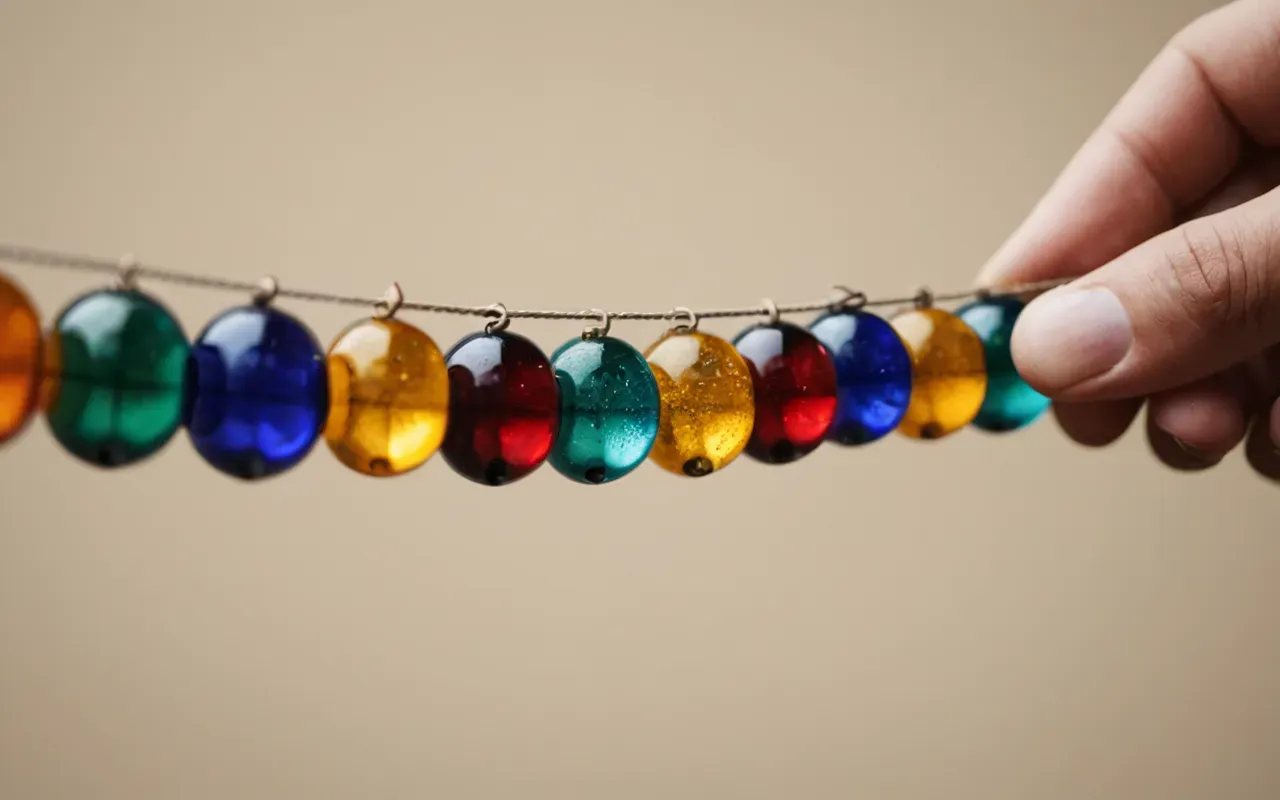
What comes out is a batch of uniform beads. But they keep the color and texture of their original source — that green from a wine bottle, that amber from a beer bottle. It gives them a visual depth that synthetic alternatives just can't replicate.
This part of the process is what I find most compelling. It flips a negative environmental impact into a positive creative one. The waste isn't just reduced. It's repurposed with intent.
Artisans can build intricate patterns from these beads. The material is flexible, forgiving, full of design possibility. You'll see complex geometric shapes next to organic curves, all coming to life in a single piece.
This method cuts down on landfill waste. It also shrinks the carbon footprint of jewelry production. Run the numbers and they're genuinely impressive.
Cultural Stories Behind Modern Patterns
Every bead carries a story. The patterns used in these pieces often trace back centuries, rooted in deep history. They've been passed down through generations of craftspeople, refined and preserved.
In many cultures, these designs signify status or protection. They represent community identity, belonging. The meaning stretches far beyond mere decoration.
Modern designers are blending those traditional motifs with contemporary aesthetics. The result? A piece that feels both ancient and brand new. It bridges heritage and innovation without skipping a beat.
We tend to overlook this cultural layer when we buy accessories. But honestly, it's the heart of what makes these pieces special. It connects you to a larger human narrative — one that predates you and will outlast you.
If you're searching for pieces that carry weight beyond aesthetics, this is the angle to explore. The craftsmanship tells a story of survival and adaptation, of people who refused to let their trade die.
Preserving Heritage Through Sustainable Means
Using recycled materials helps keep those traditions alive. It proves old techniques can meet new environmental standards — and do it without losing their soul.
Demand for authentic cultural design is climbing. Consumers want to support artisans who maintain these practices while staying ethical. That's a shift you can feel.
This dynamic creates a virtuous cycle. The more people buy these pieces, the stronger the tradition becomes. It's not just fashion anymore. It's preservation.
Economic Ripples in Local Artisan Communities
The economic impact is impossible to ignore. Artisans earn a living crafting unique pieces for global markets. That means stable income in regions where stability is hard to come by.
Local economies benefit directly from this demand. It sustains traditional craftsmanship while creating new opportunities at the same time.
I've watched small workshops grow into sustainable businesses. They hire more staff, invest in better tools, expand their reach. The ripple effect is real — and it's measurable.
This model supports economic growth within communities. It offers a path out of poverty that's dignified and creative. Not a handout — a craft.
When you buy from these artisans, you're not just buying an accessory. You're supporting a livelihood. A way of life. That's a transaction with meaning.
Crafting Your Own Sustainable Statement Piece
And you don't have to be a professional artisan to participate. Making your own pieces is genuinely rewarding — a hands-on connection to this whole movement.
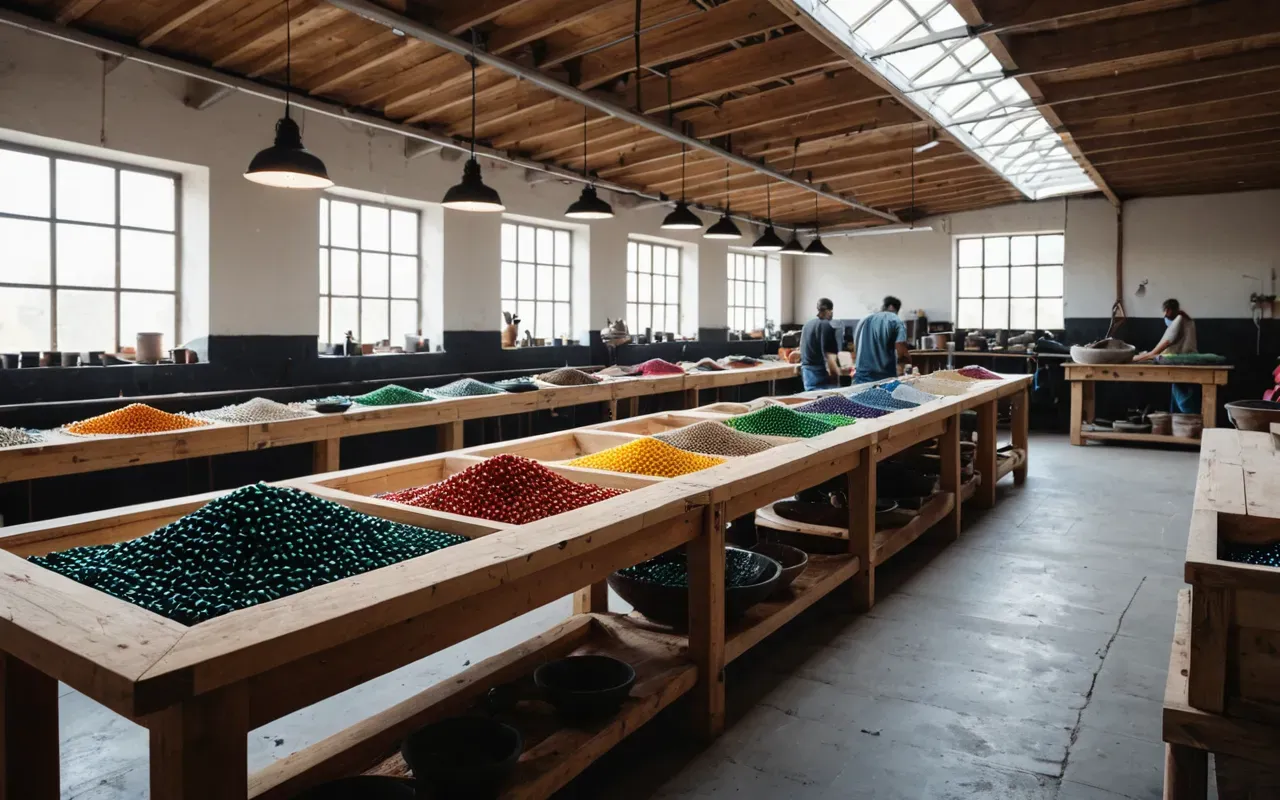
Start by picking a variety of bead colors and sizes. Look for recycled options to keep your project eco-friendly from the start.
Use strong string or wire for durability. String the beads into your desired patterns. Experiment until you find a design that resonates with you — you'll know it when you see it.
This hands-on approach connects you to the material in a way that reading about it never could. It makes the sustainability aspect personal, tangible, yours.
If you need inspiration, check out how simple wire and beads can rival expensive metals. The value is often in the story — and the story is right there in your hands.
Why This Trend Resonates With Modern Consumers
Today's buyers are more informed than ever. They care about the origin of their products as much as the design itself. That's not a niche attitude anymore; it's the norm.
Recycled glass beads hit several key points at once. They're sustainable. They're unique. They're culturally rich. Very few materials can claim all three.
That combination is rare in the fashion industry. Most materials fail on at least one of these fronts — usually sustainability or uniqueness.
The appeal isn't just about looking good. It's about feeling good about what you wear. About knowing the story behind the shine.
This shift reflects a broader cultural change. We're moving toward a model where consumption is more mindful, more deliberate. Less stuff, more meaning.
The Long Term Impact on Fashion Norms
If this trend continues, it could reshape the entire jewelry industry. Big brands may have to follow suit — or risk losing market share to smaller, more authentic players.
We're already seeing early signs. Luxury houses are experimenting with recycled materials. The groundwork is being laid.
The pressure from consumers is driving this change. It's a powerful force, one that brands ignore at their peril.
This isn't just about jewelry. It's a preview of how the whole fashion sector might evolve — toward transparency, toward responsibility.
The Future of Handmade Accessories in the US Market
The United States is a key player in this trend. Consumers here are increasingly demanding eco-friendly options, and brands are listening.
Artisans who master this craft will be well-positioned for the future. They offer something mass production can't replicate: authenticity, story, soul.
The demand for unique pieces is growing. People want to stand out — not just in style, but in values. What they wear says who they are.
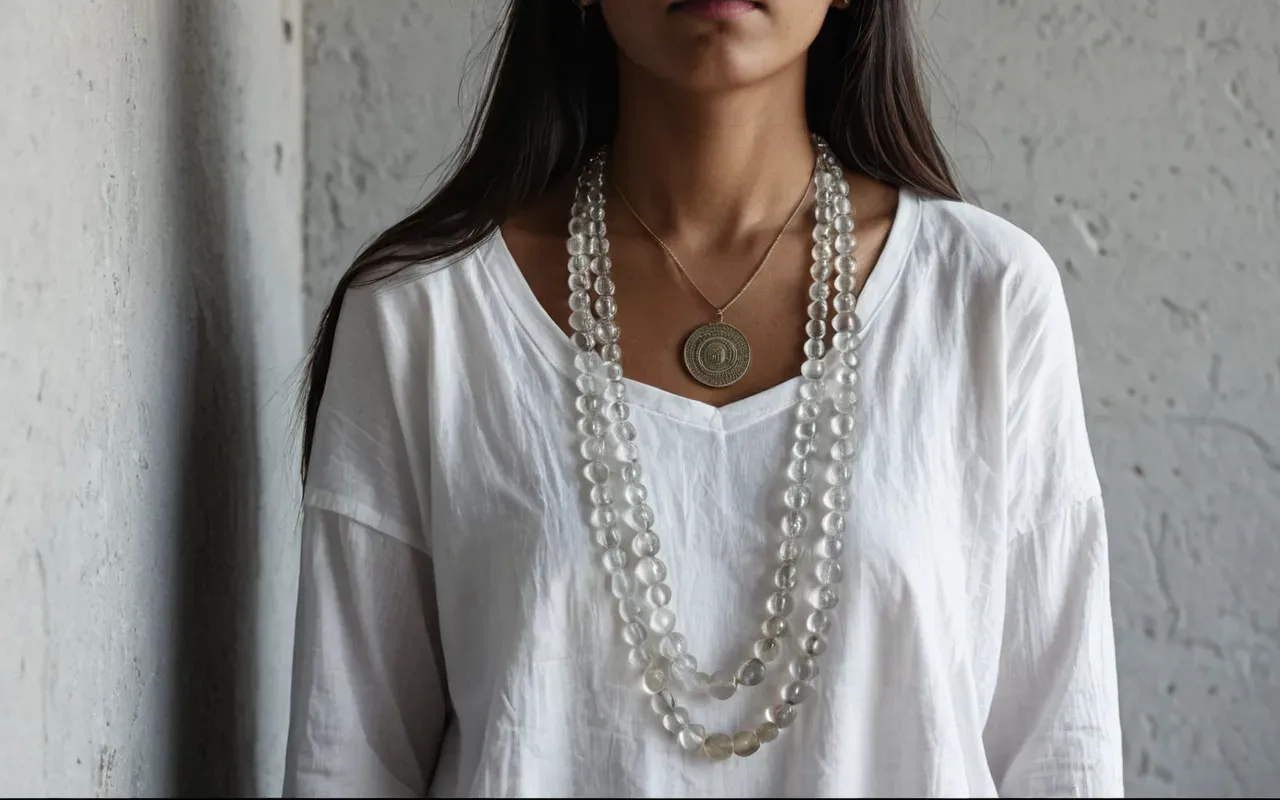
Recycled glass beads sit at the center of this shift. They represent a new kind of luxury — one that's both beautiful and responsible.
Looking ahead, the trajectory seems clear. The future of jewelry isn't just about what it looks like. It's about where it comes from.
This is a story of transformation. Waste becomes treasure. Tradition meets innovation. And we get to wear the result.