The $ Handbag Problem Nobody Wants to Admit
You spent five hundred dollars on that structured top-handle bag last month. It felt like a safe bet. A statement piece that screamed I have arrived.
But here is the uncomfortable truth from this year’s runway shows. That heavy leather piece might already look dated to the sharpest eyes in fashion.
Designers at major spring shows are betting on something radically different. They are swapping rigid structures for fluid movement.
The accessory stealing the spotlight is not a bag at all. It is a piece of fabric tied around your waist.
I saw it happen in real time during recent fashion weeks. Models walked with empty hands but full presence.
Why the Industry Is Shifting to Textiles
It starts with weight. A luxury handbag can weigh up to three pounds before you add your phone and keys.
A silk scarf weighs less than an ounce. It drapes, it moves, and it catches the light in ways leather never can.
There is a tactile pleasure to soft materials that rigid goods simply cannot match. Runway directors noticed this shift early.
They began styling looks with loose knots and flowing ends. The effect was instant sophistication without the bulk.
This move signals a broader cultural shift. We are tired of carrying our status symbols in heavy leather boxes.
We want adornment that feels personal. A hand-knotted tie says you curated this look with intention.
The Runway Evidence You Cannot Ignore
Look at the recent spring collections from major houses. The pattern is undeniable and consistent across multiple shows.
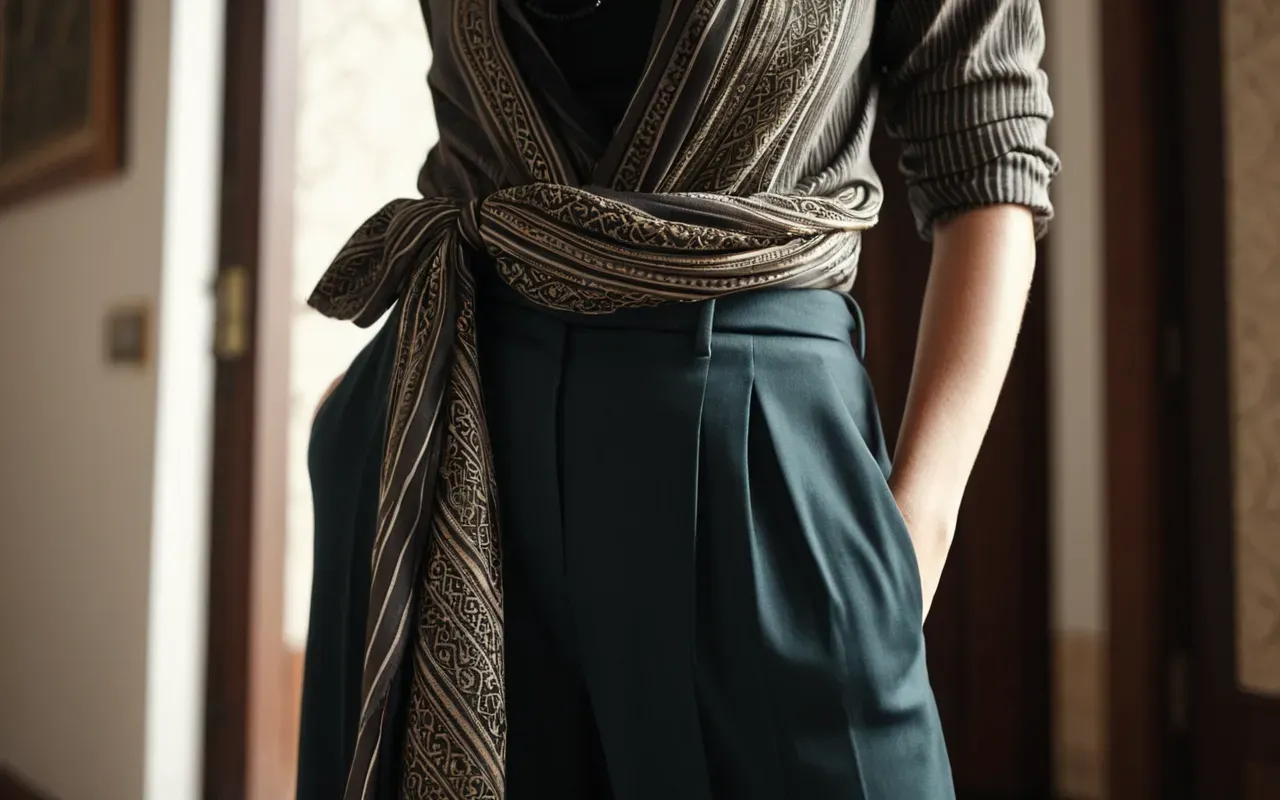
One designer used fringed squares tied loosely over blazers. Another wrapped silk around flowing dress waists.
The common thread is ease. None of these looks require a rigid structure to hold their shape.
Instead they rely on the natural fall of fabric. It looks effortless because it is physically lighter.
Photographers loved this too. The movement creates dynamic lines in images that static bags cannot achieve.
Specific Brands Leading the Charge
Ralph Lauren showcased this trend with particular elegance. Their models wore silk squares as belt alternatives.
The effect was polished yet lived in. It suggested a woman who values comfort without sacrificing refinement.
Tory Burch took a similar approach with embroidered details. Their bags were beautiful but the scarves stole focus.
Even Michael Kors paired white footwear with fluid top pieces. The overall vibe was light and airy.
These are not minor brands. They set the tone for what becomes mainstream in stores within months.
Why This Changes Your Shopping Strategy
If you are still saving up for the next big leather purchase, pause. The value proposition has shifted.
A high quality silk scarf costs a fraction of a designer handbag. It lasts just as long if cared for properly.
You can own five scarves in the price of one top-tier bag. Versatility becomes your ultimate luxury.
Consider the storage aspect as well. Scarves fold flat into a suitcase or drawer.
Bags take up precious space and can get dented during transit. Fabric is resilient in ways leather is not.
This practicality matters for anyone who travels frequently or moves between offices daily. Lighter is better.
The Hidden Connection to Handmade Craftsmanship
Here is where this trend intersects with values you might already hold. Mass produced bags often lack soul.
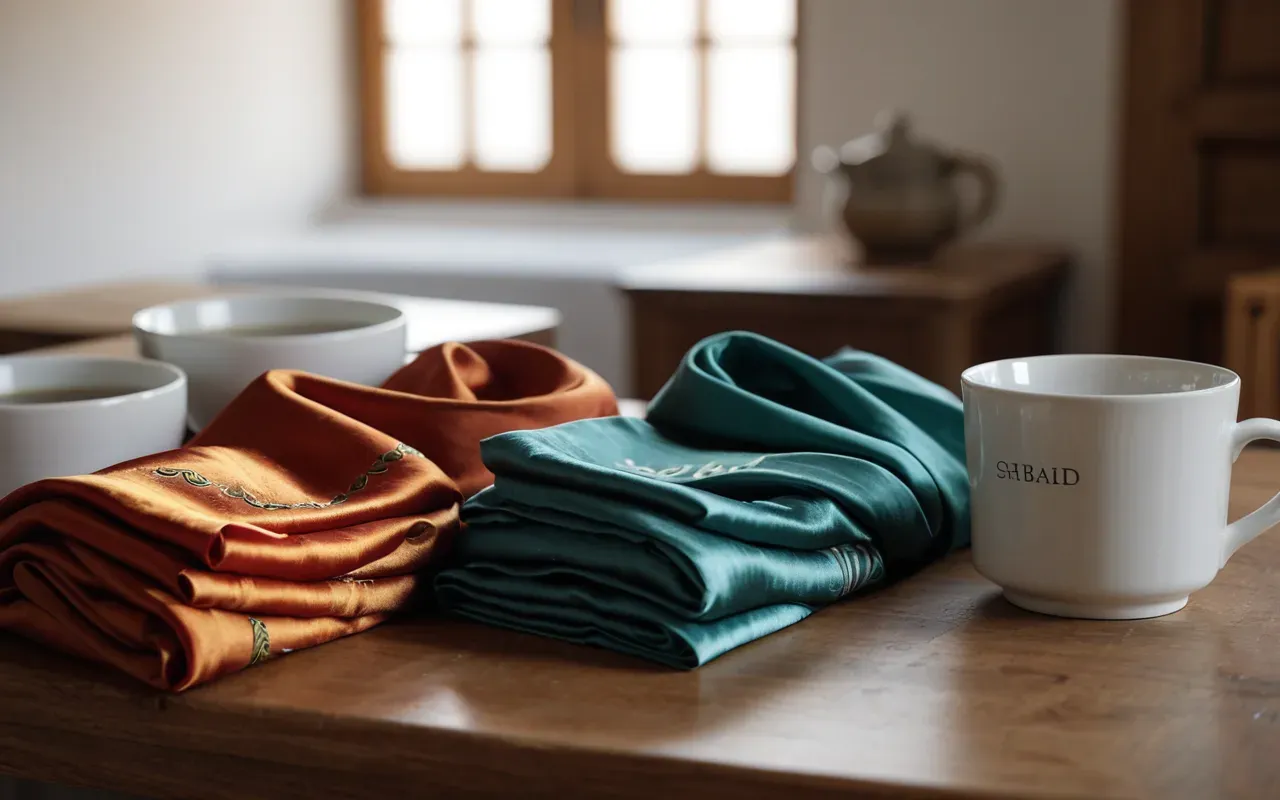
Scarves however can be hand dyed or embroidered with unique patterns. Each piece tells a story of human touch.
I recently explored how simple beads can outshine luxury brands and the same principle applies here.
The imperfections in handwoven fabric are features not flaws. They signal authenticity to the eye.
When you tie a scarf around your waist, you are wearing someone else’s art. That connection matters in fast fashion.
It aligns with the growing interest in stopping fast fashion accessory purchases that destroy wallets and planets.
How to Style This Trend Without Looking Costume
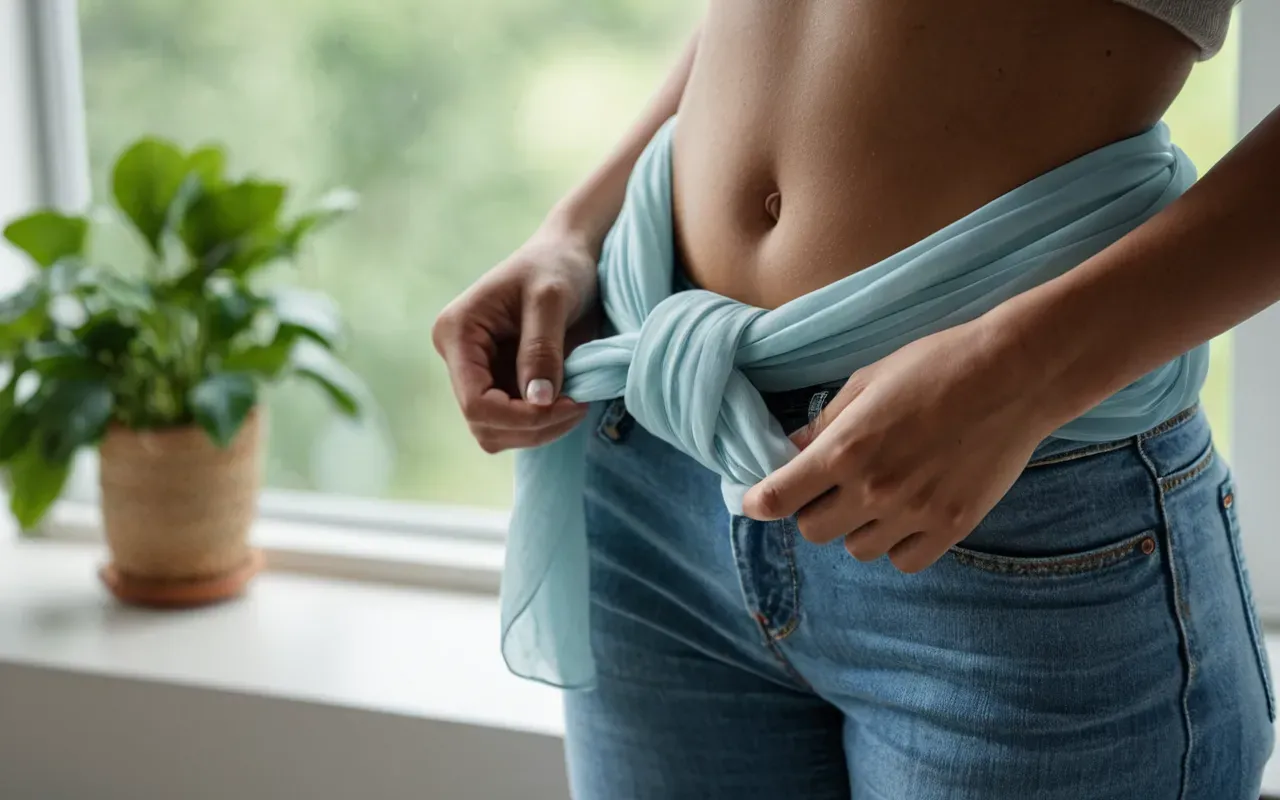
The key is restraint. Do not tie the scarf too tightly or you lose the fluid effect.
Let the ends hang loosely at your side. Aim for a slightly asymmetrical look that feels natural.
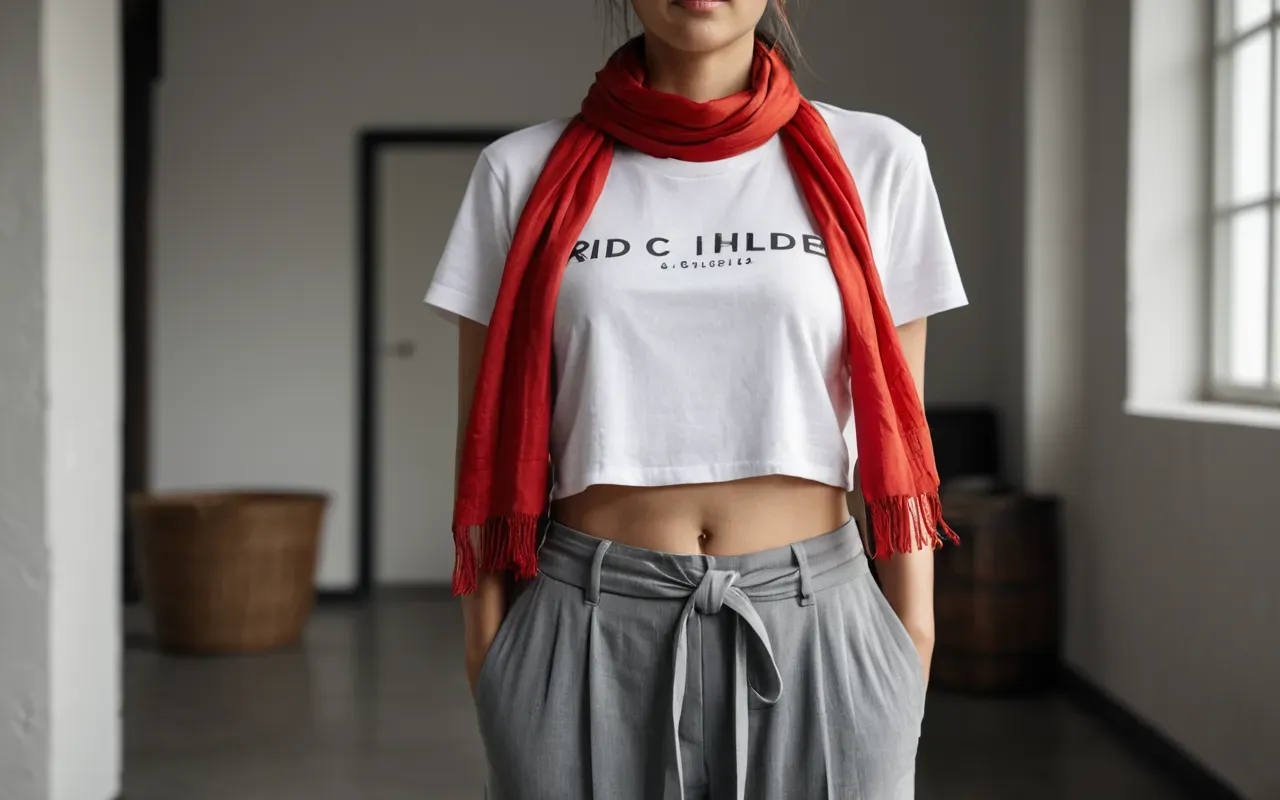
Pair it with simple clothing. A plain white t-shirt and tailored pants let the scarf speak.
Avoid busy prints underneath. The scarf should be the focal point of your entire ensemble.
You can also drape it through belt loops for a more structured appearance. This bridges both trends.
If you are interested in how the right belt transforms jewelry looks, this technique complements that advice perfectly.
The Financial Reality of Following Runway Trends
Let us talk numbers. A designer scarf from a top house might cost eight hundred dollars.
A high quality handmade silk piece from an artisan studio could be two hundred to four hundred dollars.
Compare that to the three thousand dollar price tag of a comparable luxury handbag. The savings are significant.
And that artisan piece supports a real person making it by hand. You get style and social good simultaneously.
I have seen how visiting handmade makers changes your perspective on value and quality in fashion.
The same logic applies to textiles. Knowing the maker adds emotional value that price tags cannot capture.
What This Means for Your Existing Wardrobe
You do not need to throw away your bags. They will still serve a function for carrying items.
But stop reaching for them as your primary style statement. Let the fabric do that heavy lifting.
Start with one scarf in a neutral tone. Test it against different outfits before committing to colors.
Once you see how much lighter your looks feel, the transition becomes natural and automatic.
This is not about rejecting luxury. It is about redefining what feels luxurious to you personally.
For many of us that now means softness and movement over weight and structure. The runway agrees.
The Final Word on Accessory Hierarchy
Fashion has always been about signaling. We use objects to communicate status and taste.
But the signal has shifted from what you carry to how you move. Lightness is the new power.
When a $ scarf outperforms a $, bag in perceived elegance, the market has spoken.
I think this shift is overdue. We have carried too much weight for too long both literally and metaphorically.
The next time you stand in front of your closet wondering what to wear, reach for the fabric.
Tie it around your waist. Walk out with lighter hands and a heavier presence.