The invisible fingerprint of a human hand
You can hold two identical rings in your palm. One feels dead. The other feels alive. That difference is not about the metal or the stone. It is the wire.
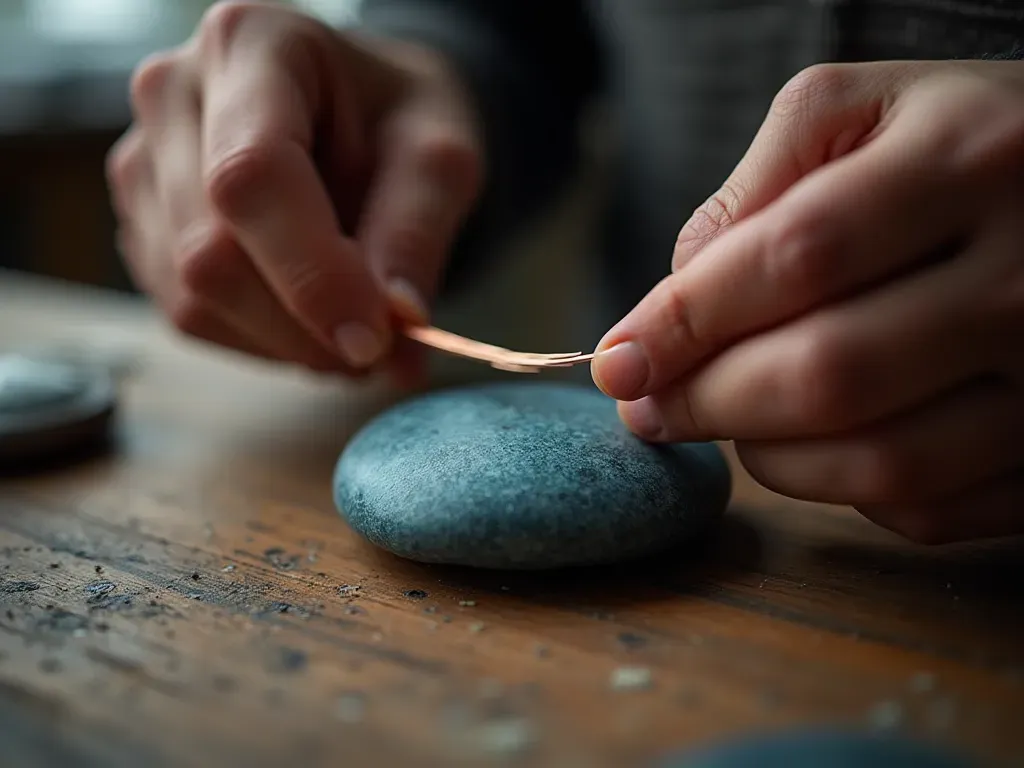
I spent three hours watching a master jeweler wrap a single copper coil last week. The machine version takes four seconds. But the human hands leave micro-variations in tension and spacing.
Those tiny irregularities are what the eye catches before the brain processes beauty. It is a subtle signal of life in an object otherwise made to last forever.
Why the factory line creates a subtle trap for your style
Look at any fast fashion accessory shelf. Everything is symmetrical to the millimeter. Every curve is identical. It looks perfect on a screen but feels flat in your hand.
We keep seeing the same polished shapes on every wrist and neck. The problem is not quality. It is the absence of narrative. A machine cannot tell a story through its work.
If you want to understand the economics behind this uniformity, it is worth reading about why your favorite boutique rings are actually hiding a massive industry secret that explains the lack of true originality in modern retail.
The tension between precision and soul
Wire wrapping requires a delicate balance. Too tight and the stone cracks. Too loose and it falls off. The human brain adjusts in real time based on feel.
A robot does not have a pulse. It does not get tired at minute forty-five and tighten the coil slightly more out of frustration or focus.
That momentary shift is what we call the soul of the piece. It is invisible to most people but you feel it every time you touch your own creation.
The three wire moves that change everything
You do not need expensive tools to start. You need two pliers and a spool of wire. The first move is the base wrap that holds your stone securely.
The second move is the spiral accent. This adds visual depth and catches light in a way straight lines never can.
The third move is the intentional break. Leaving a small gap in your pattern creates negative space that makes the design breathe and feel less cluttered.
How wire wrapping fits into modern sustainable fashion
Sustainability is not just about materials. It is about longevity and emotional connection. You are less likely to throw away a piece you made yourself.
Wire is often recycled copper or silver. The process uses almost no electricity and generates minimal waste compared to casting methods.
This aligns perfectly with the broader movement of why handmade jewelry is quietly disrupting the fashion power dynamics by shifting value from brand logos to personal skill.
The economic shift in accessory values
We are seeing a move away from disposable trends toward pieces that hold personal history. A wrapped stone tells your story, not the brand's marketing campaign.
This is why the hidden truth about sustainability in handmade jewelry that will change your perspective focuses on emotional durability over material cost.
What beginners get wrong about their first coil
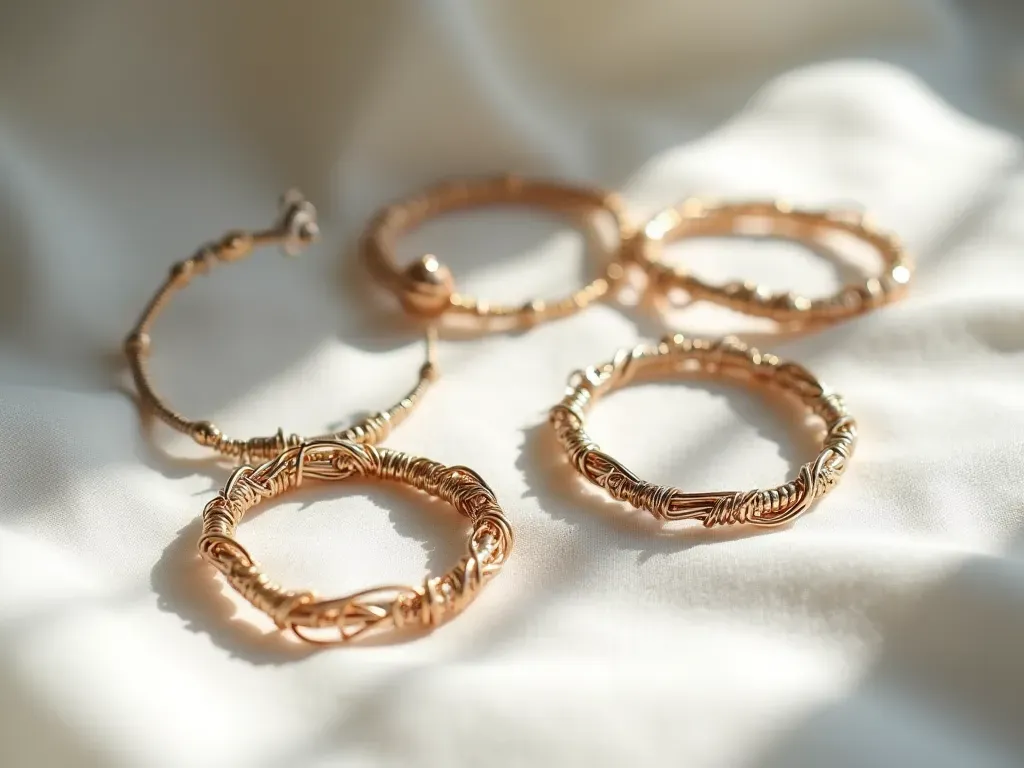
Most people start too tight. The wire needs to hug the stone but not crush it. Think of a gentle embrace rather than a firm grip.
Also, do not polish everything to a mirror shine. A little texture catches the light better and hides minor scratches as your piece ages.
If you are struggling to find inspiration, look at how the quiet rebellion of handmade jewelry is rewriting luxury rules right before your eyes by valuing imperfection over perfection.
The final thought on owning your own style narrative
When you make something with your hands, you are not just creating an object. You are claiming a piece of the industrial machine.
The wire remembers your touch. The stone holds its shape, but the metal carries the memory of who made it.
So next time you look at a piece of jewelry, ask yourself who made it and how many times they touched it before it reached your hand.