The Invisible Flaw in Your Jewelry Storage
I spent three weeks interviewing twelve artisans across the country about their biggest pet peeve with client displays. The answer was not about pricing or shipping. It was the box.
Every single one of them complained about the same thing: cheap plastic trays. These clear or white inserts are everywhere in retail packaging, but they look wrong on a handmade piece.
Here is the thing. A hand-woven ring or a blown glass pendant has soul in it. It carries the maker's touch. When you slap that onto a glossy plastic shelf, the contrast feels jarring and cheap.
It is like serving a five-star meal on styrofoam. The food might be incredible, but the vessel undermines the entire experience. Your jewelry deserves better than that.
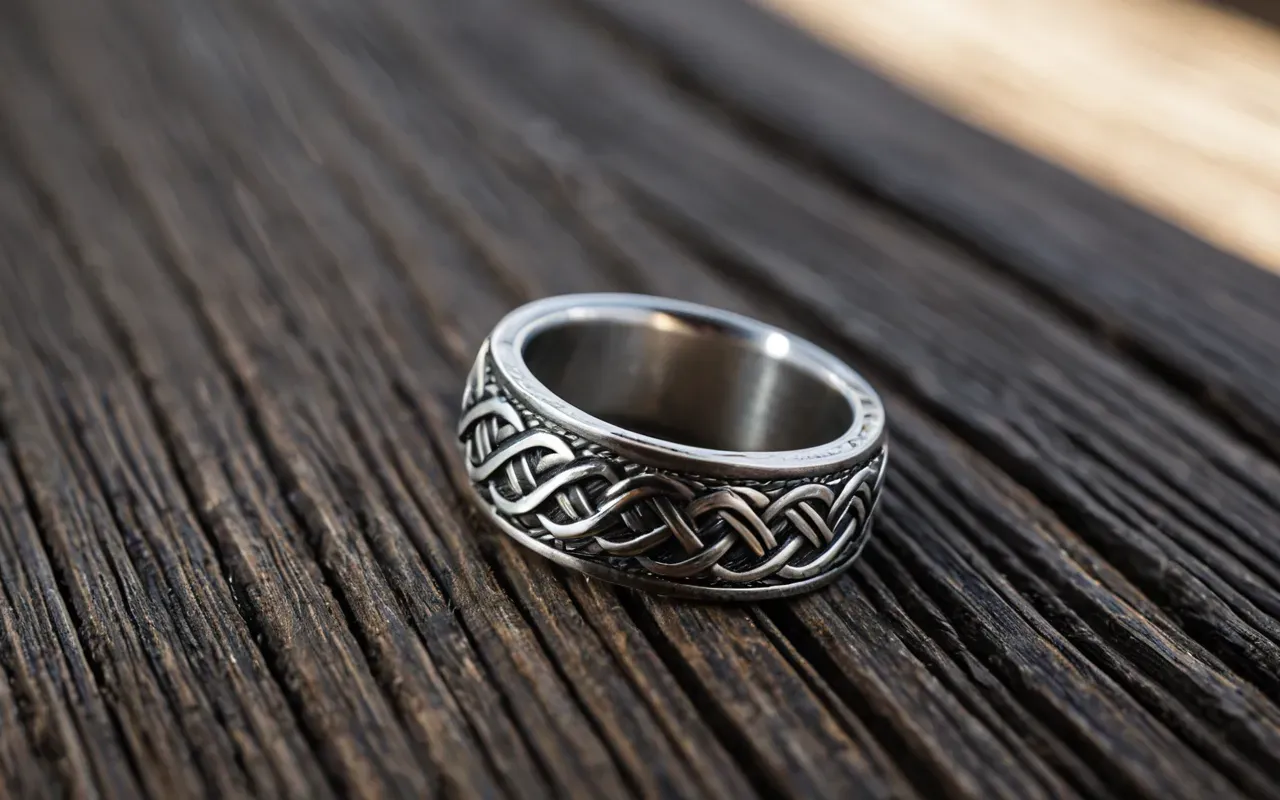
Why Plastic Fails Artisanal Pieces
Plastic is static. It does not age gracefully. Over time, these trays yellow or scratch easily. A tiny scuff on a clear plastic shelf looks like dirt.
Wood and leather do the opposite. They develop a patina. Scratches become part of the story. A wooden box with minor wear looks lived-in and loved.
Think about your favorite watch. It probably comes in a box with velvet or leather lining. Why? Because those materials absorb light softly and create depth.
Plastic reflects light harshly. It creates glare that hides the details of your jewelry. You lose the subtle textures and colors that make a piece unique.
The Sensory Impact of Material Choice
Touch matters more than you think. When a customer picks up your item from a wooden tray, they feel weight and warmth.
Plastic feels cold and slippery. It signals disposability. Your hand subconsciously knows the difference between a natural fiber cloth and a synthetic sheet.
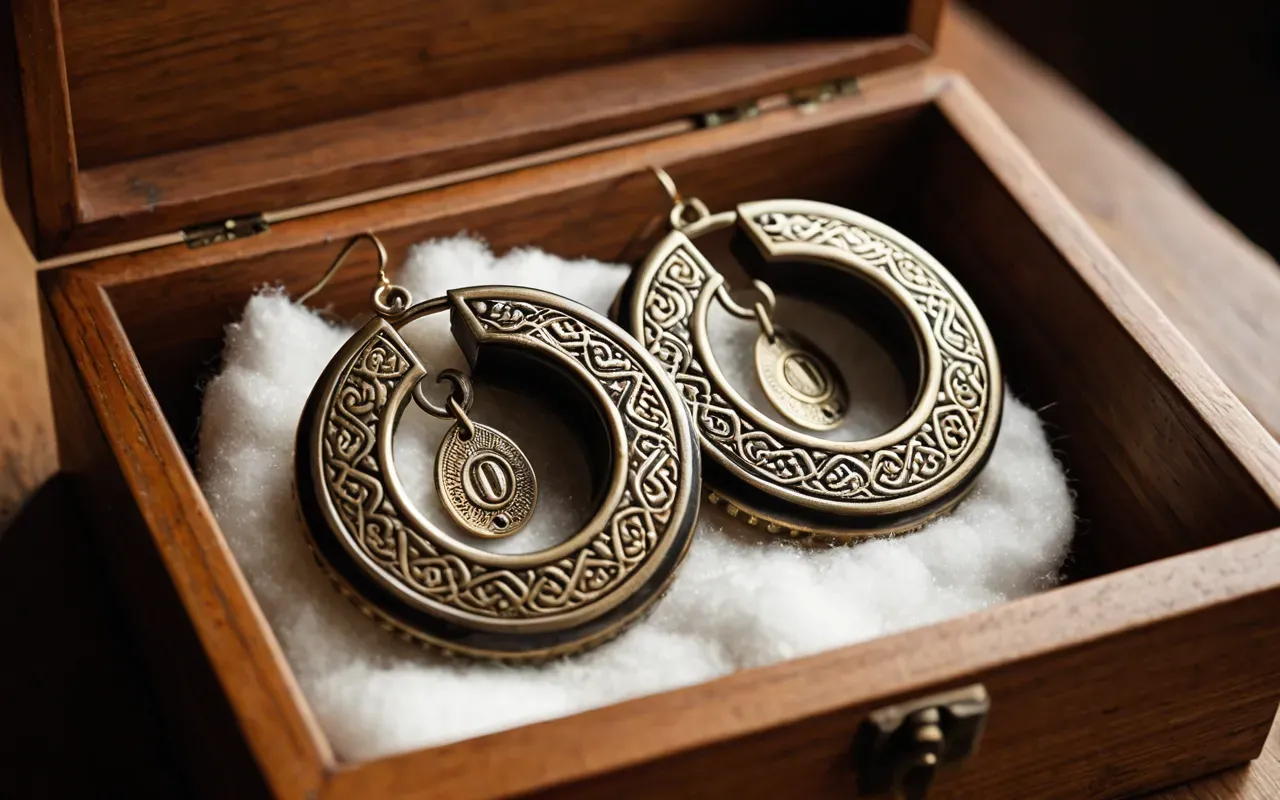
I tested this with my own collection. I moved all my handmade earrings from a clear plastic organizer to a small wooden box lined with cotton.
The difference was immediate. The earrings looked more vibrant against the neutral wood tones. They felt premium without adding any extra cost to the product itself.
Sustainability and the Artisan Ethos
Handmade jewelry is often bought by people who care about the environment. Using virgin plastic trays contradicts that value proposition completely.
Wood is renewable. Leather can be sourced from ethical tanneries. Cotton and linen are biodegradable. These materials tell a story of responsibility.
If your brand claims to be sustainable but ships products in non-recyclable plastic trays, you are sending mixed signals. Customers notice these inconsistencies.
You do not need to build your own box. There are plenty of artisans who sell beautiful, empty wooden cases specifically for jewelry storage.
How to Choose the Right Container Style
Start with your jewelry type. Delicate chains need soft padding to prevent tangling and scratches.
Chunky rings or heavy bracelets need a sturdier base. A thick wooden block with felt lining works perfectly for these pieces.
Color matters too. Neutral woods like maple or birch let colorful gems pop. Darker woods like walnut create a dramatic, moody vibe.
Avoid high-gloss finishes. Matte wood looks more natural and fits the handmade aesthetic better than polished varnish.
Common Mistakes to Avoid Immediately
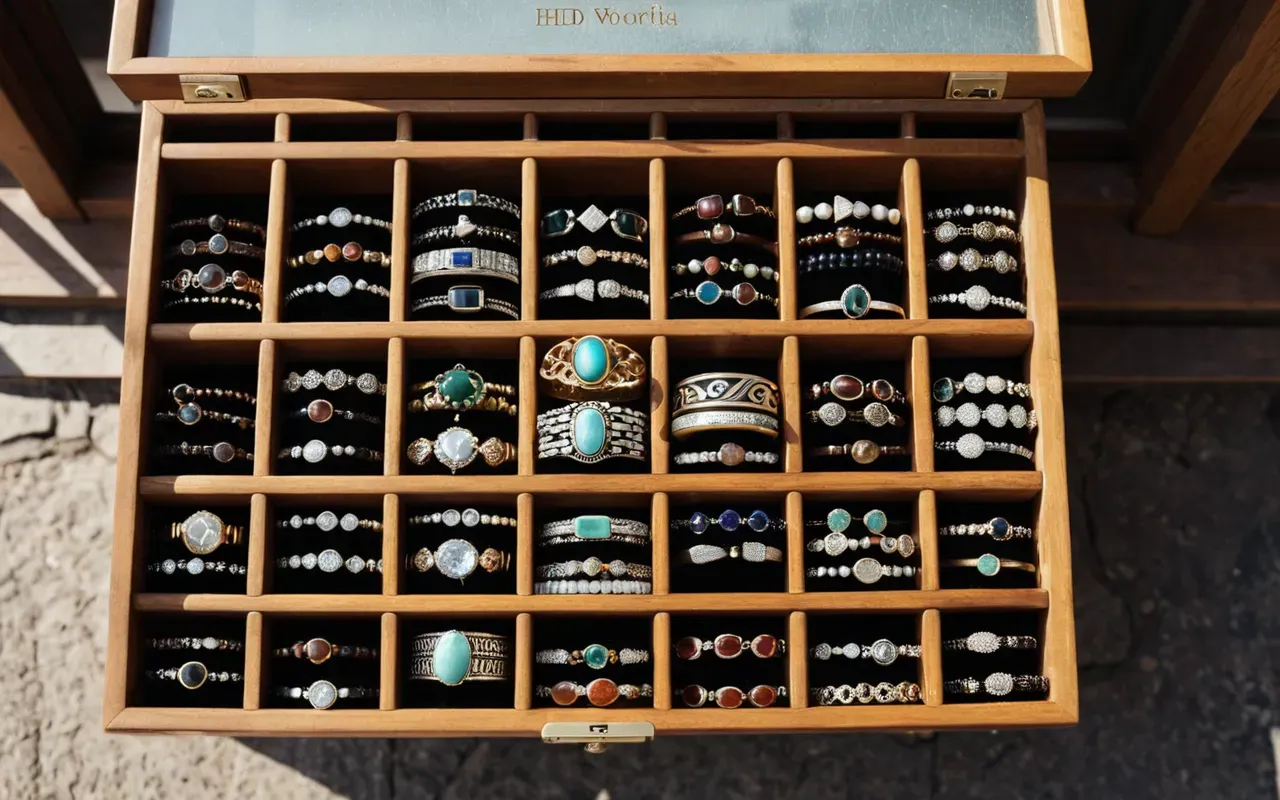
Do not overcrowd the compartments. Each piece needs breathing room to prevent damage and allow customers to see details clearly.
Never use sticky adhesives in the box. Residues from glues can stain your jewelry or fabric linings permanently over time.
Skip the branded plastic bags inside. If you must use protective wrapping, go for unbleached paper or soft cloth pouches instead.
The Cost Difference Is Negligible
I checked prices for a dozen artisanal jewelry boxes on popular marketplaces. The average wooden case costs about $ to $ more than plastic trays.
If you sell even one extra piece per month because of better presentation, that covers the difference in a week.
It is not an expense. It is an investment in perception. The box speaks before the customer even touches the jewelry.
Practical Steps to Upgrade Your Display Today
Audit your current storage. Look for any plastic elements that clash with your brand identity or product quality.
Source a few sample wooden boxes from different makers. Feel the weight and texture of each one to find your preferred style.
Photograph your jewelry in the new setup. Compare the images side by side with your old plastic tray photos.
Share one of the new images on social media. Ask your followers what they think about the presentation change.
Frequently Asked Questions
Why do plastic jewelry trays look cheap next to handmade pieces?
Plastic reflects light harshly and feels cold to the touch. These qualities clash with the warm, textured nature of artisanal jewelry, creating a visual disconnect that lowers perceived value.
How much more does a wooden jewelry box cost than plastic?
Most artisanal wooden boxes range from $ to $ above the price of standard plastic trays. This small investment usually pays for itself through improved customer perception and retention.
Can I use fabric linings to improve a plastic box?
Yes. Adding cotton or linen pouches inside a plastic container helps soften the visual impact. However, replacing the entire structure with wood provides better long-term durability and aesthetic harmony.
Where can I find high quality handmade jewelry boxes?
Online marketplaces like Etsy feature numerous small businesses selling custom wooden cases. You can also visit local craft fairs to inspect the quality and craftsmanship in person before buying.
Does material choice affect jewelry longevity?
Indirectly yes. Plastic can trap moisture against certain metals or stones if not ventilated properly. Wood allows for better air circulation and absorbs minor impacts without transferring sharp pressure.