Why a Simple Wire Ring Is Beating Luxury Brands
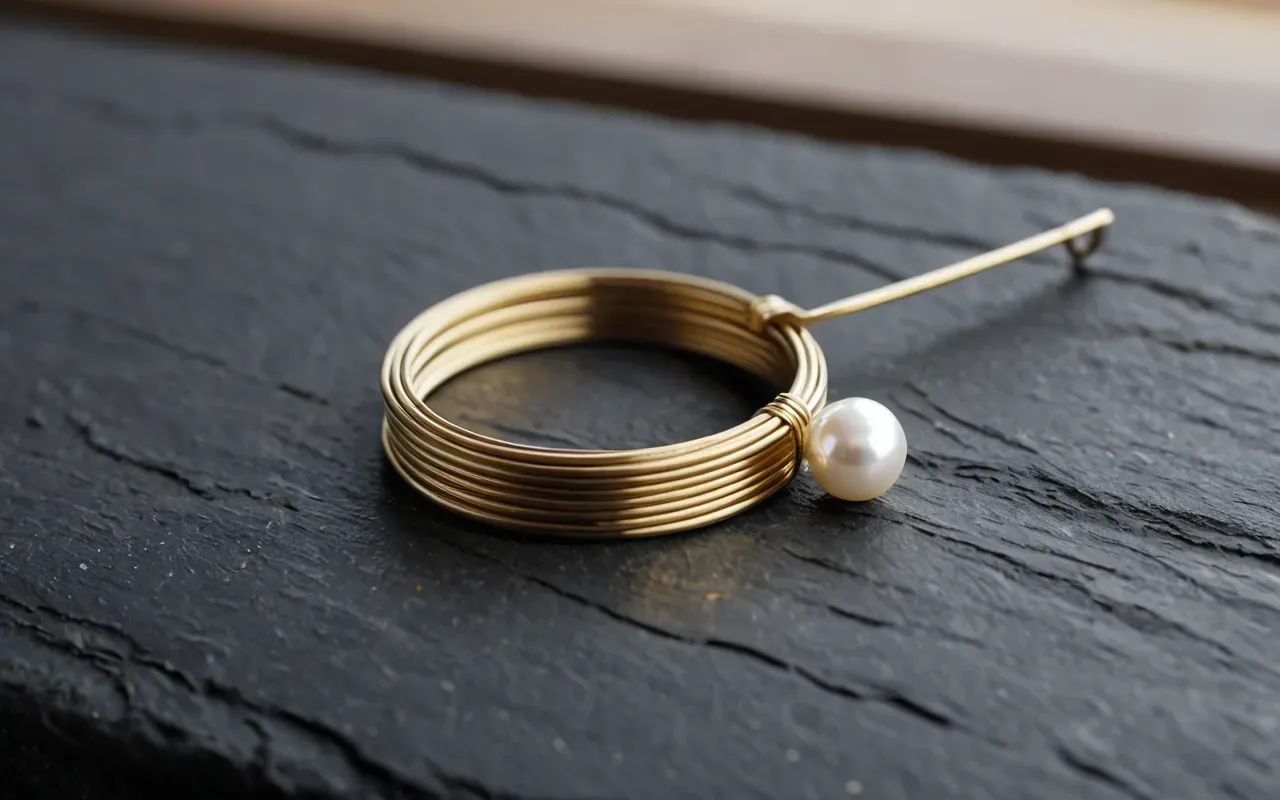
You're looking at a piece of jewelry that costs less than your lunch. It's made from gold wire and a sliver of mother-of-pearl. Yet it somehow looks pricier than the $200 ring sitting in your drawer right now.
This isn't some marketing gimmick. It's a genuine shift in how we value craftsmanship. The viral tutorial featuring this exact creation has ignited a real conversation about authenticity versus price tags.
I've watched this happen before with other artisan trends. The second a simple technique hits social media feeds, the perceived value of mass-produced items takes an immediate nosedive.
The Shocking Cost Gap in Modern Jewelry
Let's talk numbers for a second. A standard gold wire ring with a small pearl inlay can be crafted for under $20 if you source materials locally. The only real variable is the labor you put in.
Now compare that to a boutique brand charging $300 for the same aesthetic. The difference isn't in material quality — it's in the marketing overhead and retail margins stacked on top.
When consumers actually see the process unfold, that price gap becomes impossible to ignore. It lays bare a hidden truth about how luxury gets constructed in today's market.
What The Tutorial Actually Teaches You
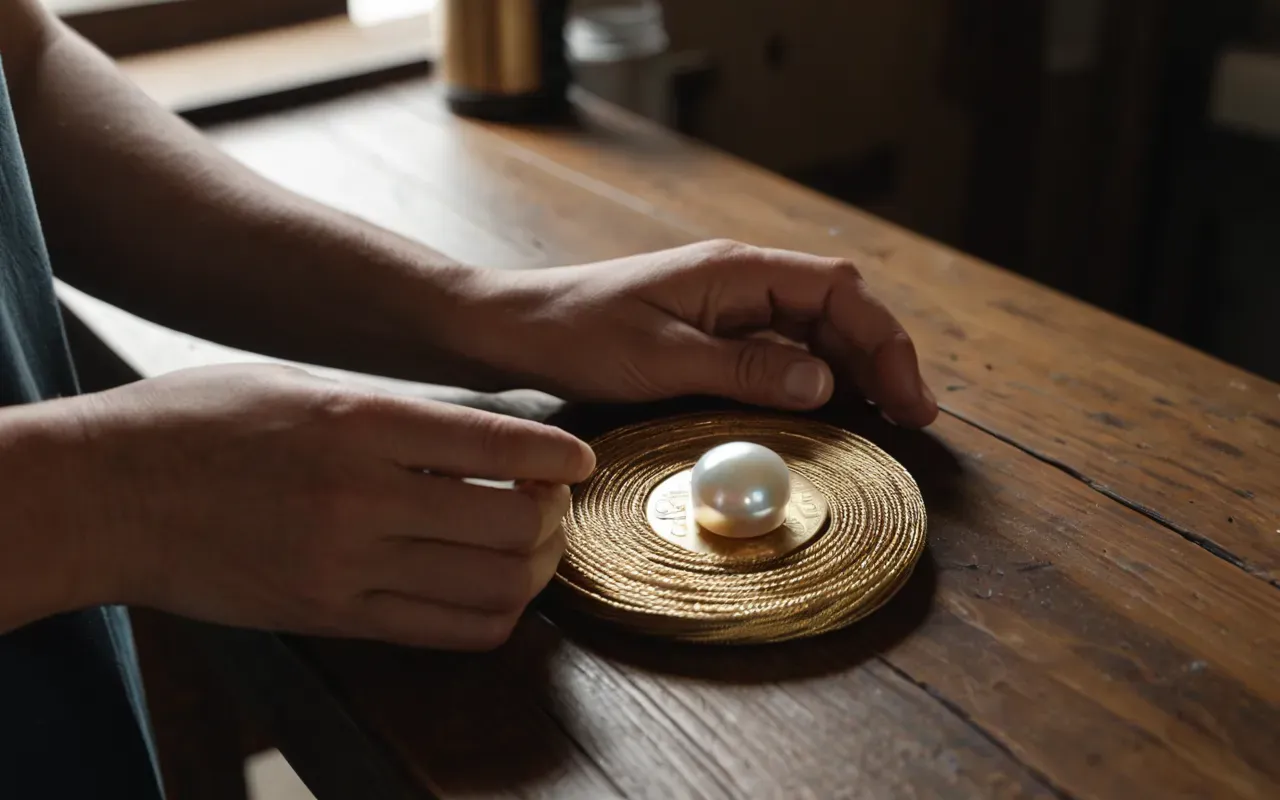
The video breaks everything down into straightforward steps. First, you cut a length of gold-plated wire to fit your finger size. Precision genuinely matters here.
Next comes the pearl setting. You wrap the wire tightly around the stone to secure it without any glue. The result looks clean and surprisingly professional.
Finally, you shape the band and add a decorative twist. For someone with basic tools, the whole thing takes about ten minutes to complete.
The simplicity is the whole point. If it demanded complex machinery or rare skills, it could never go viral this way. Accessibility drives adoption.
Who Wins When DIY Goes Mainstream
Artisan sellers benefit the most from this shift. They can showcase their process and justify higher prices for finished pieces, because customers now understand exactly what the labor involves.
Mass-produced brands, on the other hand, lose ground. Once you see how easy it is to make a similar piece at home, their value proposition weakens significantly.
Consumers win on cost but lose on convenience. You end up with a unique piece for less money, but you spend your own time creating it.
This dynamic is reshaping the entire accessory market. It forces brands to compete on story and sustainability rather than just logo recognition.
The Sustainability Angle Nobody Talks About
There's a deeper environmental story hiding here too. Buying handmade often means fewer shipping emissions and far less packaging waste compared to fast fashion accessories.
When you make it yourself, the carbon footprint is minimal. You're using materials from local suppliers and sidestepping the global logistics chain entirely.
This connects directly to a broader trend I've explored before regarding why fast fashion accessories hurt your wallet and the planet. The link is unmistakable.
Consumers are increasingly voting with their wallets these days. They want items that last and carry a story, not just cheap disposable trends.
How This Changes Your Shopping Habits
The next time you spot a ring online for $150, ask yourself honestly: is the design truly unique? Or could it be replicated with basic wire wrapping skills?
I challenge you to inspect the materials. If it's just metal and stone, that premium price is usually covering marketing rather than material rarity.
This awareness creates a far more informed buyer. You stop paying for the illusion of exclusivity and start valuing actual skill and design integrity instead.
It also opens doors for hobbyists to sell their work. If you can make one ring, you can make ten and share them with friends or online communities.
The barrier to entry for creating beautiful accessories has honestly never been lower. And that's a good thing for the culture of craft.
The Real Value in Handmade Simplicity
There's a quiet satisfaction in wearing something you made yourself. It connects you to the object in a way that purchased items simply can't replicate.
The gold wire ring isn't just a fashion statement. It's living proof that beauty doesn't require high cost or complex machinery.
As this trend grows, expect more brands to highlight their artisan roots. The ones that fail will be those desperately trying to hide the process.
We're moving into an era where knowing how things are made matters just as much as what they look like. And honestly, that's a win for everyone.
So the next time you see a simple wire ring online, don't dismiss it. It might just turn out to be the most valuable piece of jewelry in your collection.