The $5 Wire and Bead Paradox Nobody Talks About
You can buy a gold ring for $200 and it still looks like it came out of a factory. I have seen this happen too many times to count.
Then you grab a spool of copper wire and a bag of $5 beads. You twist them together in your kitchen at midnight.
The result looks more expensive than the first item. Why does that happen? It is not about the material cost.
It is about the imperfection. Machine-made items have a sterile perfection that screams cheap to trained eyes.
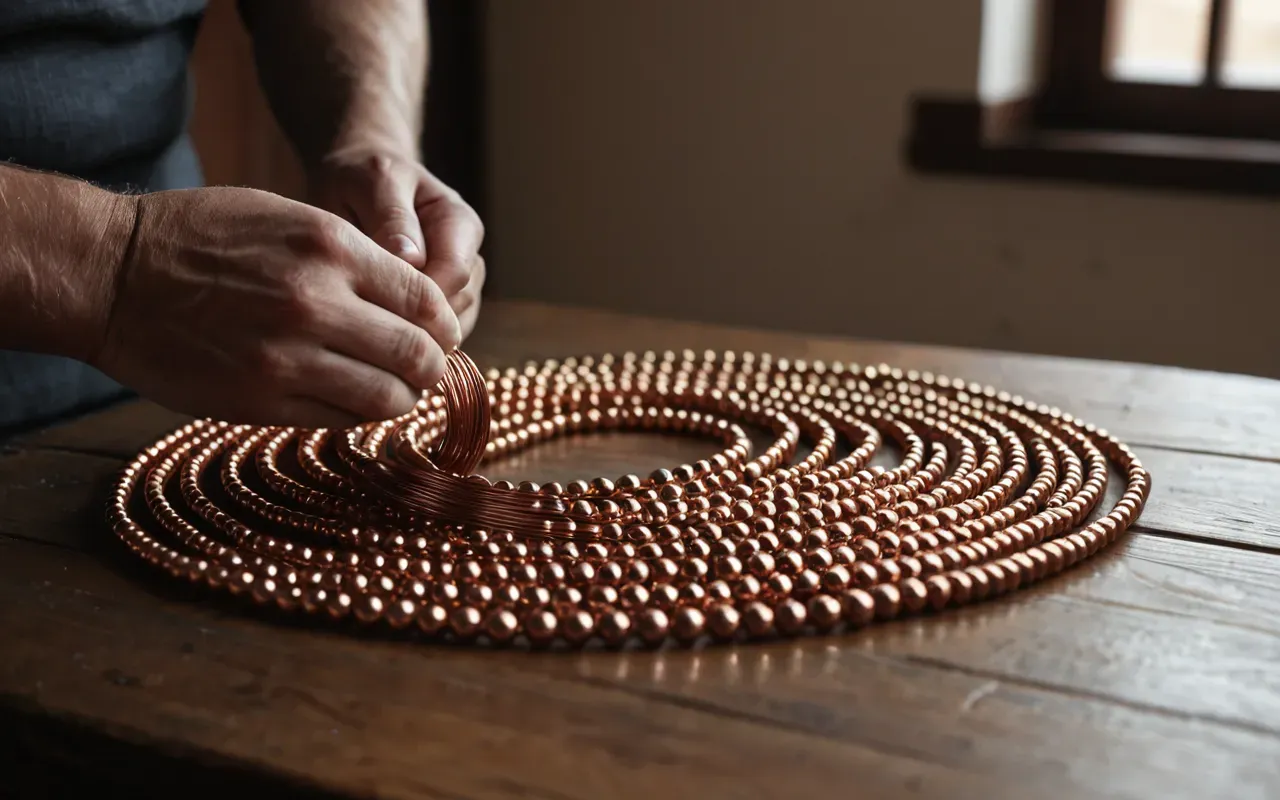
Why Mass Produced Brands Cannot Copy This Look
Mass production relies on uniformity. Every bead sits in the exact same millimeter position.
Human hands create micro variations. A slight tilt in a bead setting adds visual interest that machines simply cannot replicate.
This is the core secret. The slight irregularity signals human labor to the brain.
We perceive that effort as value. It is a psychological trick baked into our visual processing.
The Wire Wrapping Secret That Changes Everything
Standard crimping looks clunky. It holds the bead but it does not celebrate it.
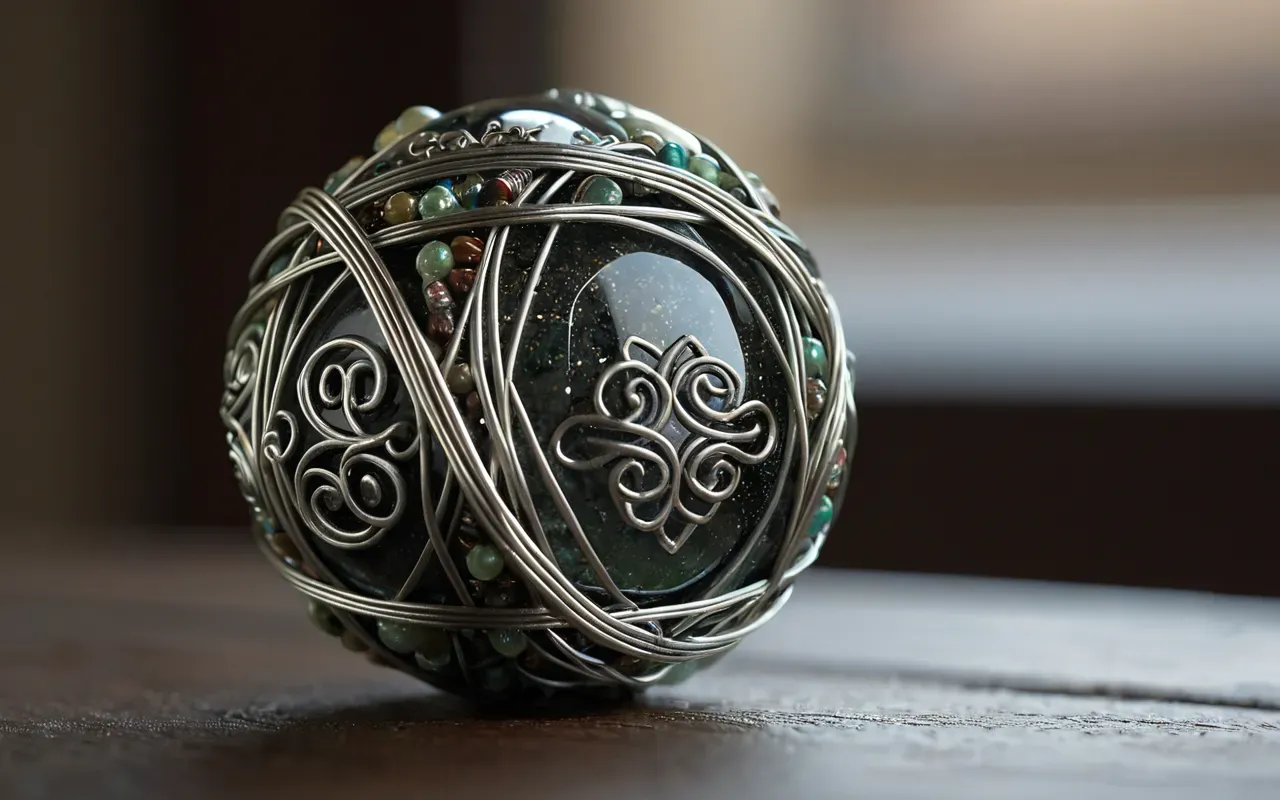
Wire wrapping encases the stone in a cage of metal. It creates depth and shadow.
If you want to see how this specific technique works in practice there is a detailed breakdown here on the secret wire wrapping method that brands cannot copy.
The metal wraps around the glass or stone. It holds tight but it also frames the piece.
The Psychology of Imperfection in Luxury Style
Luxury brands spend millions on marketing. They try to sell you a feeling of exclusivity.
But true exclusivity comes from scarcity. Handmade items are naturally scarce.
No two pieces made by the same artisan will be identical. That is a feature not a bug.
When you wear something no one else has exactly that changes the dynamic completely.
Why Glass Beads Are Outshining Diamonds Right Now
Diamonds are heavy. They carry weight both physically and culturally.
Glass beads are light. They catch the sun differently. They feel modern and fresh.
The market shift is clear. People are trading heavy stones for colorful glass.
This trend proves that color and light can be more valuable than carat weight in daily wear.
If you are curious about this shift I wrote a piece on how recycled glass beads are quietly winning the style war.
Practical Steps to Elevate Your DIY Pieces Today
Do not just string beads on a wire. That is the first mistake beginners make.
Start with spacing. Use spacer beads between larger elements to create rhythm.
Rhythm in design is what separates a craft project from a fashion statement.
Try mixing metal colors. Gold and silver together can look chaotic if not balanced.
Use a dominant metal for the structure and let the second metal appear only in accents.
The $12 Bead Trick That Looks Like Luxury Brand Work
You do not need expensive materials to look high end. You need the right placement.
A single focal bead can anchor an entire design. It draws the eye immediately.
Surround it with smaller neutral elements. This creates a halo effect that reads as expensive.
There is a specific bead trick that uses only twelve stones to create this illusion perfectly.
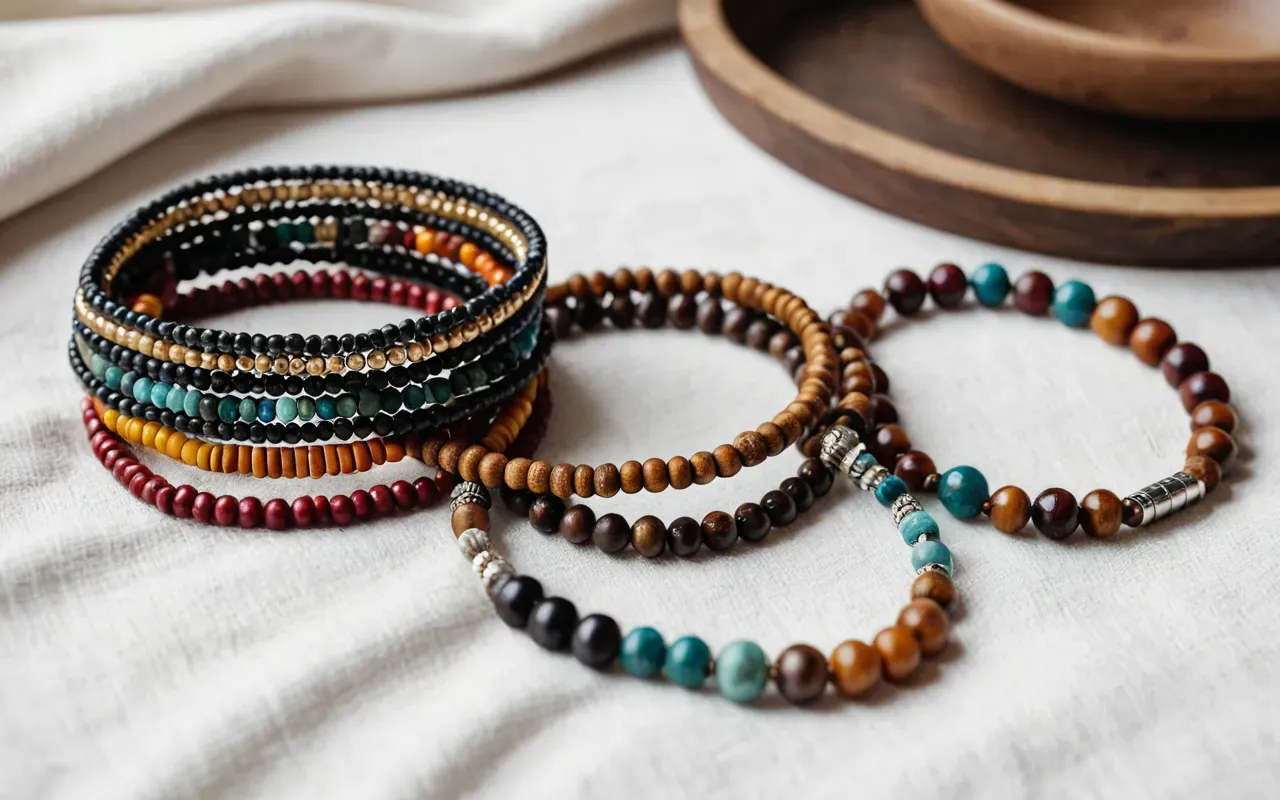
How to Style These Pieces for Maximum Impact
Jewelry is not an afterthought. It should be the first thing people notice.
Wear one statement piece. Do not crowd the space with too many small items.
A single large handmade earring can balance a simple black dress better than ten small studs.
Think about the neckline of your clothing. It dictates where the eye goes.
High necklines need shorter chains. Low necklines can handle longer drops.
The Mistake That Ruins Even Good Designs
Ignoring the closure. A weak clasp can ruin an otherwise beautiful piece.
Use a lobster claw or a box clasp. Avoid simple twist closures for heavy pieces.
The closure is the functional heart of the accessory. Do not skimp on it.
A secure clasp tells the wearer that this is a quality item meant to last.
The Future of Artisanal Accessories in Your Wardrobe
Fast fashion is losing its grip on the accessory market. People are waking up.
They want items with a story. They want pieces that feel personal and unique.
Handmade jewelry offers exactly that. It is a connection to the maker.
When you wear something made by hand you are wearing a specific moment of creativity.
That is a level of luxury that no factory can ever replicate with cold precision.
Why This Matters More Than You Probably Think
Style is a form of self expression. It tells the world who you are.
Wearing generic items says very little about your personality or taste.
Choosing unique pieces signals that you value depth over surface level trends.
It is a small choice but it has a surprisingly large impact on how you are perceived.
The next time you reach for a cheap earring stop and consider the handmade option.
You might find that a few dollars spent on wire and beads creates more joy than any store purchase.
The craft is simple but the result can be stunning. That is the real secret.