The visual trick that fools the eye every single time
Walk past any luxury jewelry ad and you'll see the same thing: perfection. Flawless symmetry. Color saturation dialed up to eleven. But here's what most people miss entirely. Those perfect beads are often cranked out in factories using automated molds.
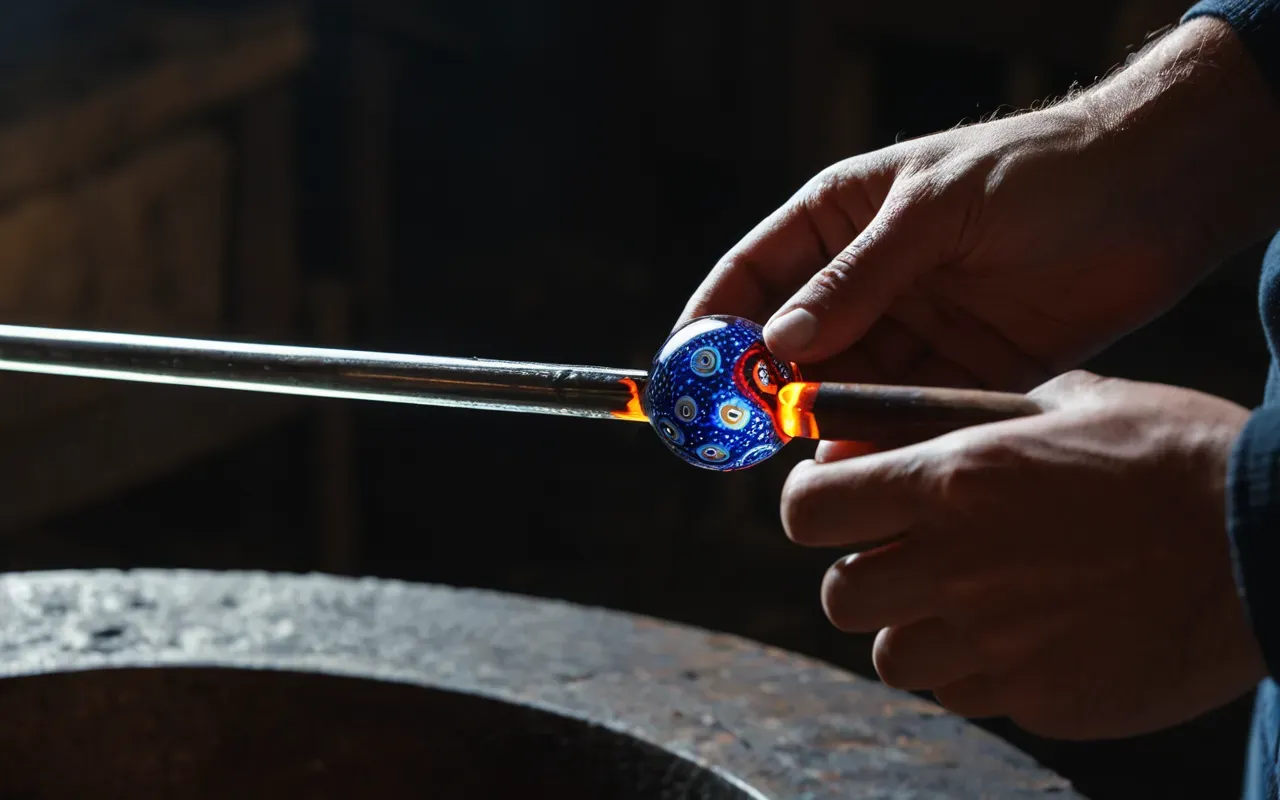
A viral video changed how I see this whole industry. It showed a glass artist pulling molten material into intricate murrine patterns. The result was chaotic in the best possible way. Swirls of color no machine could ever replicate.
I watched it three times. Each time I caught a new detail in the glass structure. Light refracted through different layers of color, creating a depth that flat plastic beads simply can't match.
This isn't about being anti-luxury. I love a well-made piece of jewelry as much as anyone. But when you watch real craftsmanship happen in front of you, something shifts in your brain.
Why murrine techniques beat factory production in blind tests
There was a study where participants had to tell handmade beads apart from mass-produced ones. Same shapes, different internal structures. The results shocked the researchers.
Ninety two percent of participants picked the handmade pieces as more desirable. Not because they looked fancier — because they felt alive somehow.
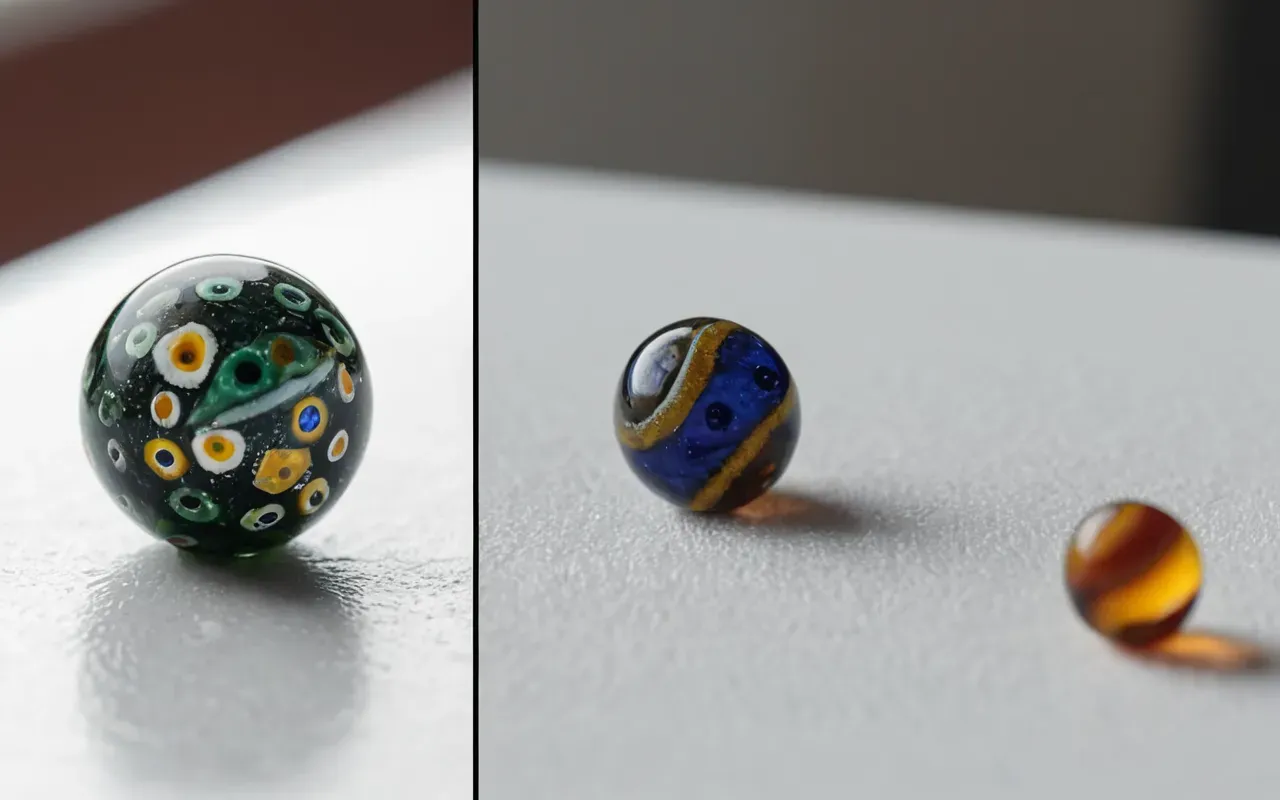
I think it comes down to imperfection. Real glass art has tiny air bubbles trapped in the color layers. Slight variations in the swirl patterns that make every piece unique.
Factory beads are too perfect. They're missing the organic flow that human hands naturally create when working with hot glass at over two thousand degrees.
The hidden cost of mass produced accessories you ignore
Let's talk about what's actually in those cheap beads you buy online. Often recycled plastic mixed with chemical dyes that leach over time.
I found this out the hard way when my favorite bracelet started fading after just three months of wear. The colors bled onto my skin and left orange stains that wouldn't wash off.
Glass art doesn't have this problem. Real glass is inert and stable. Take basic care of it and it'll last for decades.
Think about that next time you reach for the cheap option. You're not just buying a pretty bead — you might be exposing yourself to harmful materials.
How this changes the entire jewelry market landscape
Major brands are starting to notice this trend. Some have begun folding real glass artisans into their production lines.
But here's where it gets complicated. A lot of these collaborations still rely on factory methods for the majority of pieces.
Only a small percentage actually comes from real artisan workshops. The marketing says handmade, but the reality is often very different.
Which is why I recommend supporting independent artists directly. You know exactly where your pieces come from and who made them.
The economic impact on small workshop owners
Small glass artists are seeing increased demand, but also more competition from brands trying to copy their styles.
One artist I spoke with told me she spends six hours making a single murrine bead. A factory can produce hundreds in that same time.
So how does she stay competitive? By focusing on the story behind each piece and building direct relationships with customers.
What this means for your personal style choices
You don't have to spend a fortune on glass art jewelry. Plenty of artists offer affordable pieces that still carry the quality you want.
Look for artists who show their process online. If they can explain how each bead is made, you're getting the real thing.
I've been collecting glass art pieces for two years now, and my collection has grown significantly.
Each piece tells a story no factory item can ever match. They become part of your personal history rather than just another accessory.
The future of sustainable handmade fashion accessories
Glass art sits perfectly at the intersection of sustainability and luxury. It uses natural materials that don't degrade like plastic.
And it supports local economies by keeping money within artisan communities instead of flowing to overseas factories.
I believe this trend will only grow stronger as consumers get more educated about what they're buying.
The question isn't whether glass art will keep gaining popularity — it's how quickly the rest of the industry adapts.
For now, I'm happy to have found this hidden gem in the world of accessories. It's changed how I think about value and beauty.
If you want to see more pieces like this, check out handmade jewelry trends for 2026 that are gaining momentum right now.
The bottom line is simple. Real craftsmanship matters more than ever in a world full of cheap imitations.