The Tuesday I stopped scrolling and started looking down the block
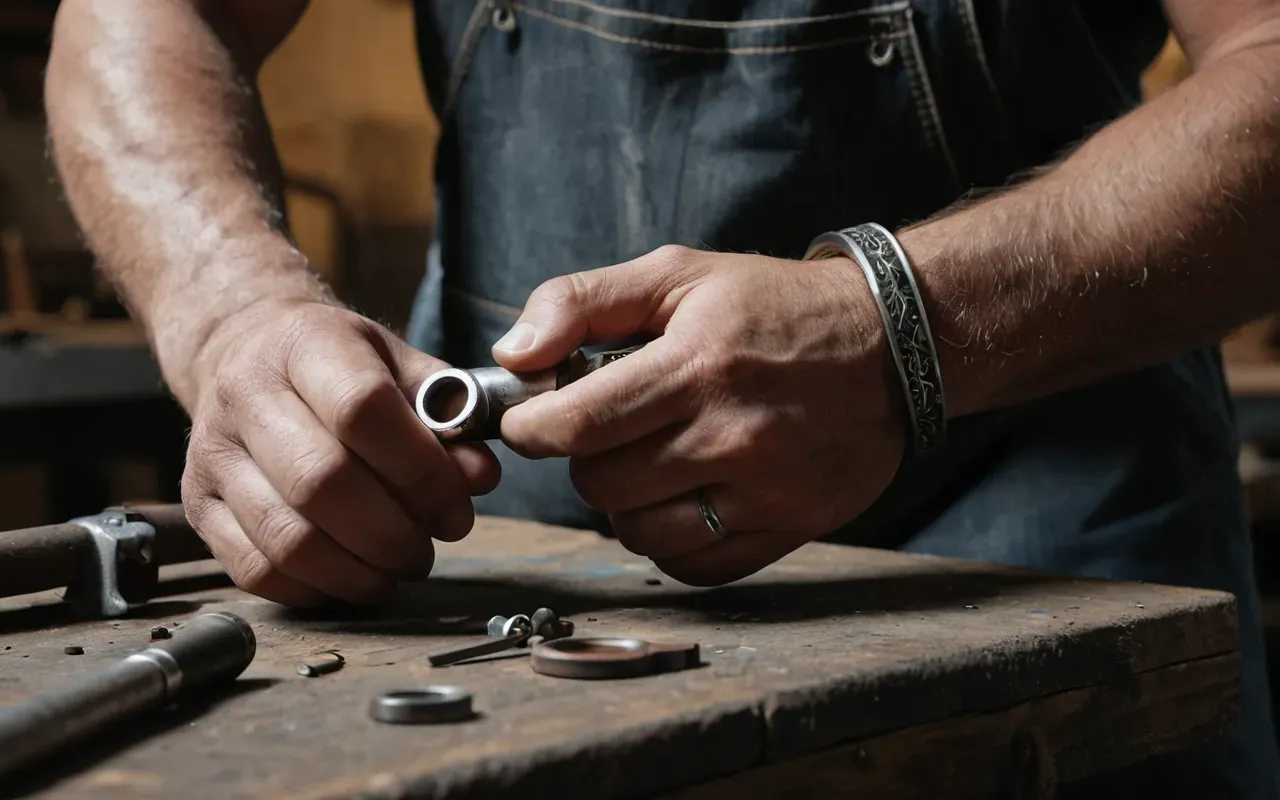
My favorite silver ring snapped right there at a coffee shop. I didn't panic. I walked three blocks to a workshop with sawdust on the floor and watched a pair of hands re-weld it in twelve minutes.
That moment broke my habit of typing "handmade jewelry near me" into a browser tab while holding a latte. The best pieces weren't sitting in an inbox. They were being forged, knotted, and polished just down the street.
I've spent years chasing online carts. The algorithms feed you more and more until your cart is full of plastic and regret. But walking into a shop with actual tools changed my whole view on value.
Why your search engine is lying to you about proximity
Type "handmade jewelry near me" and you'll mostly get ads. Or generic stores selling resin beads from a warehouse five states away.
The real makers rarely have big marketing budgets. They're the ones with a tiny website and a Facebook page that updates once a week.
I found a woman in my neighborhood making earrings from reclaimed copper. No fifty-thousand-follower Instagram account. But her work had weight and history that no app could replicate.
The invisible economy of neighborhood craftsmanship
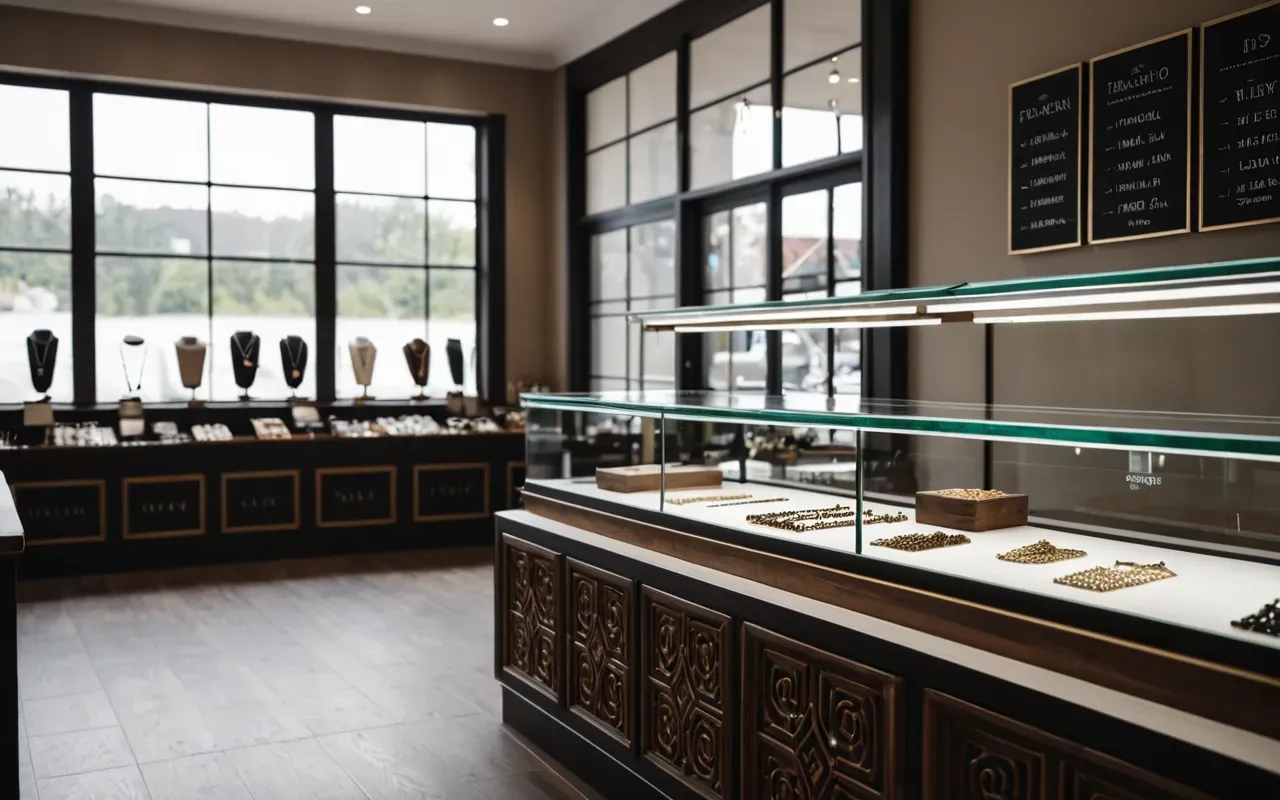
These local shops are the backbone of sustainable fashion. Less packaging, no carbon-heavy shipping, for a simple pair of hoops.
To be fair, not every local shop is eco-friendly. But the odds are much higher that a piece made three miles away has a smaller footprint than one from across the ocean.
I started tracking my purchases. The local shop gave me a small repair for free when I brought back a clasp that felt loose two weeks later.
What I learned from the maker who uses only local stones
Her name is not public. She sits at a window table with a magnifying lamp and a box of river rocks she collected herself.
She told me most people think handmade means expensive. For her, it meant honest.
The stones are not diamonds. They are quartz and hematite from a creek behind her house.
The story behind the $ pendant that outshined a $ chain
I bought one for my sister. She wore it to a wedding where everyone had designer brands.
Two guests asked her where it was from. She said a woman down the road.
That is the power of local. It has a narrative that mass production cannot fake.
I've seen this pattern before. The pieces with a story are the ones people keep.

How to actually find the good stuff without wasting hours
Stop using Google Maps as your only tool. It's a starting point, not the answer.
Ask at your local farmers market. The vendors often know who makes the best metalwork in town.
I asked a baker once. She knew exactly which shop had the best silver cuffs.
The three questions to ask before you buy
Where do the materials come from? Is it recycled metal or newly mined?
Can you see the process? A real maker will show you their tools.
What is the repair policy? If they don't offer it, walk away.
I lost a bracelet to breakage once. The local shop fixed it for $.
The myth that handmade is always expensive and fragile
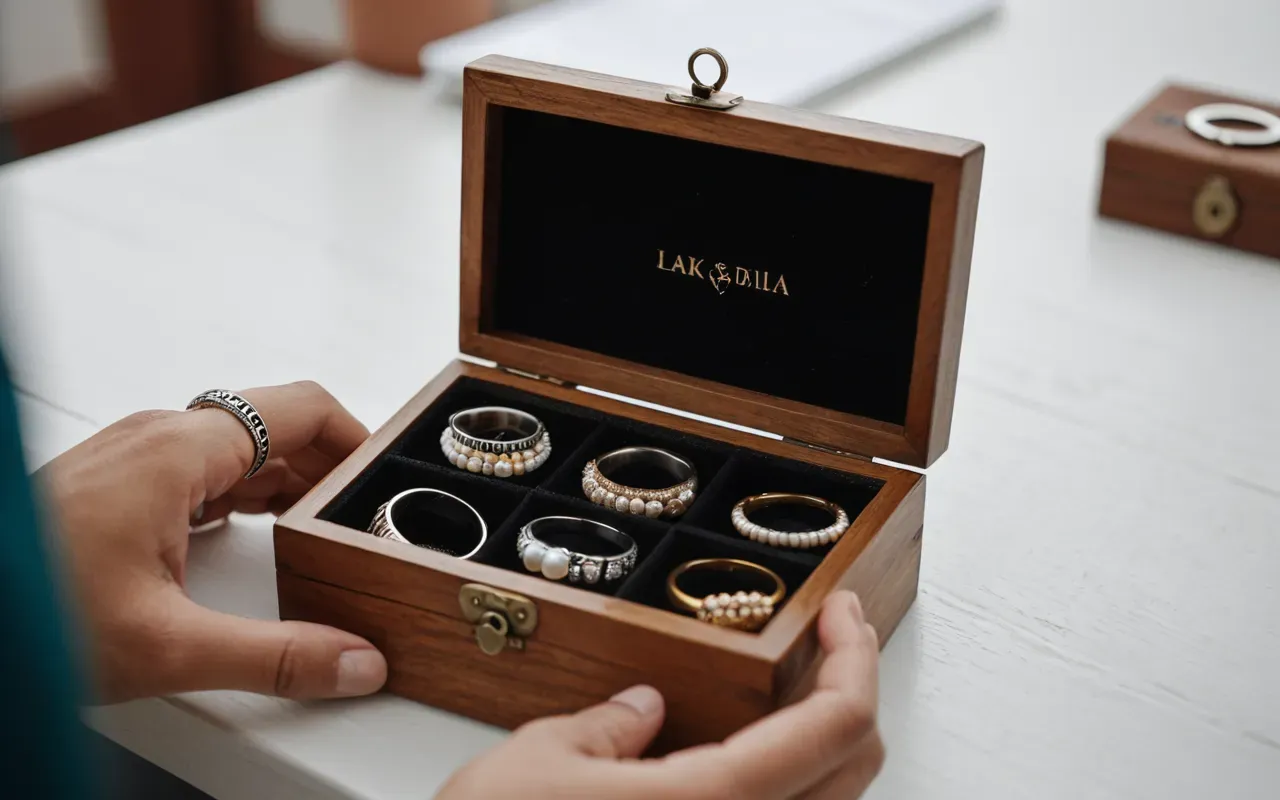
This is the biggest lie I've heard. My local silver ring has survived a year of daily wear.
It's thicker than the mass-produced ones I used to buy. The solder joints are stronger.
And the price? Often lower than you think once you factor in longevity.
A quick math breakdown of cost per wear
I bought a cheap pair for $. It broke in two months.
I bought a local pair for $. They have lasted three years.
The local pair cost less per day of use. And they look better.
Your mileage may vary depending on the maker. But the math usually works out in favor of quality.
The social side of supporting nearby makers
When you buy locally, you are not just buying an object. You are funding a skill.
That maker I mentioned? She teaches workshops on weekends.
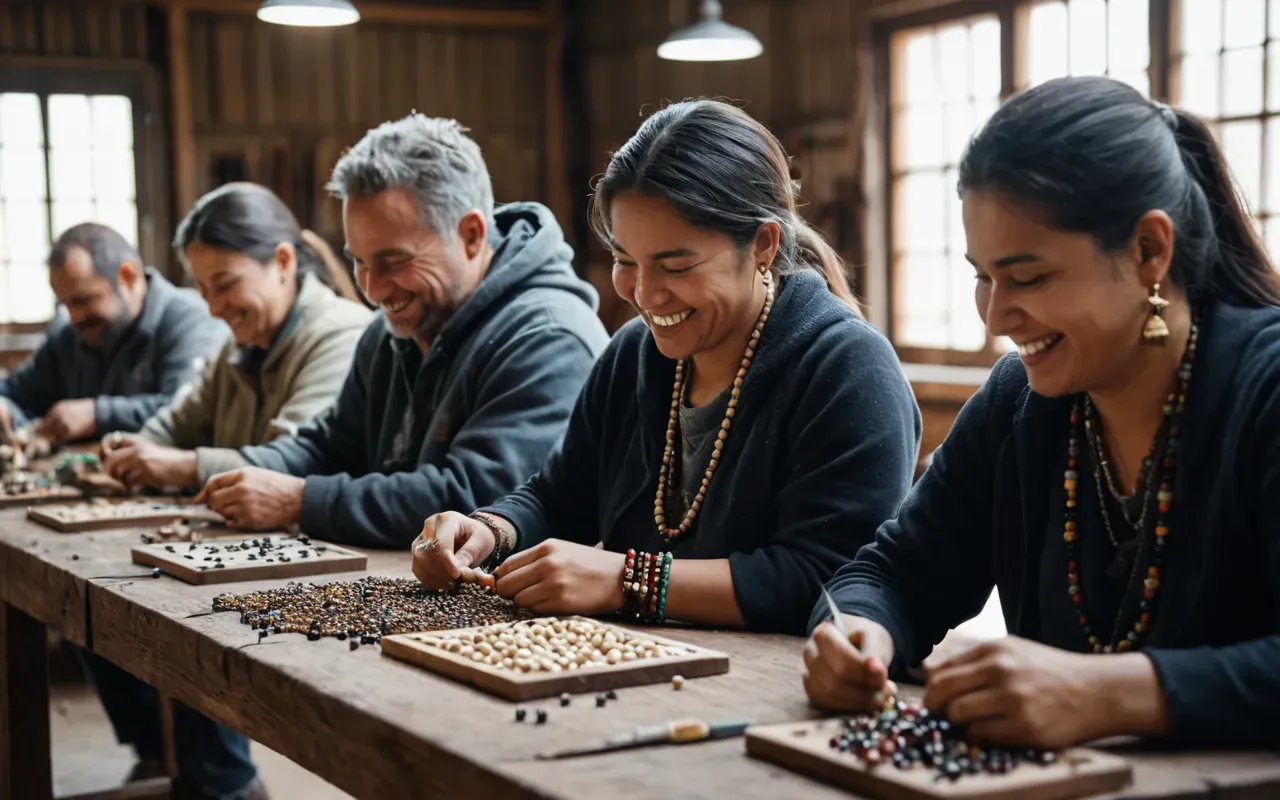
I signed up for a one-hour class. I made my own wire cuff.
It was messy and fun. And now I understand why the local pieces cost what they do.
Building a circle of fashion friends through craft
We started trading tips on care and styling.
One friend showed me how to clean tarnish with baking soda. It worked instantly.
These small exchanges turn a transaction into a relationship.
What I do differently now that you can copy today
I keep a list of three local shops. I visit them once a month.
I ask for new pieces before they hit the website.
And I bring old broken items back for repair instead of throwing them away.
A simple checklist for your next outing
Bring a small notebook. Write down names and prices.
Take photos of the tools on display. It tells you about their skill level.
Ask if they accept trade-ins. Some shops do for metal.
The quiet rebellion of choosing nearby over viral
Social media pushes the same five brands to everyone.
But local makers create for their community. They know what people actually wear.
I see this in the styles they offer. Practical, sturdy, and easy to mix.
It is not about being trendy. It is about being right for your life.
Frequently Asked Questions
How do I find reliable handmade jewelry near me?
Start by visiting local craft fairs or asking at nearby cafes. Look for shops that display their tools and offer repair services. Check online reviews but prioritize in-person visits to see the quality firsthand.
Is handmade jewelry always more expensive than store brands?
Not necessarily. Many local makers charge less for basic pieces but offer higher durability and customization options. The cost often reflects the time spent on craftsmanship rather than just material value.