The Miami shop that made sustainability look expensive

The Aesthetic Revolution in Ethical Retail
For years, sustainable fashion had an image problem. Rough edges. Earthy tones that felt dusty. Packaging so plain it read like an apology for whatever was inside. And honestly? We mostly accepted it — that was just the price of being good citizens.
Then Sophie Zembra walked into Miami's Wynwood neighborhood and decided to blow that assumption apart. She didn't just open a shop. She built an argument — one for beauty without guilt.
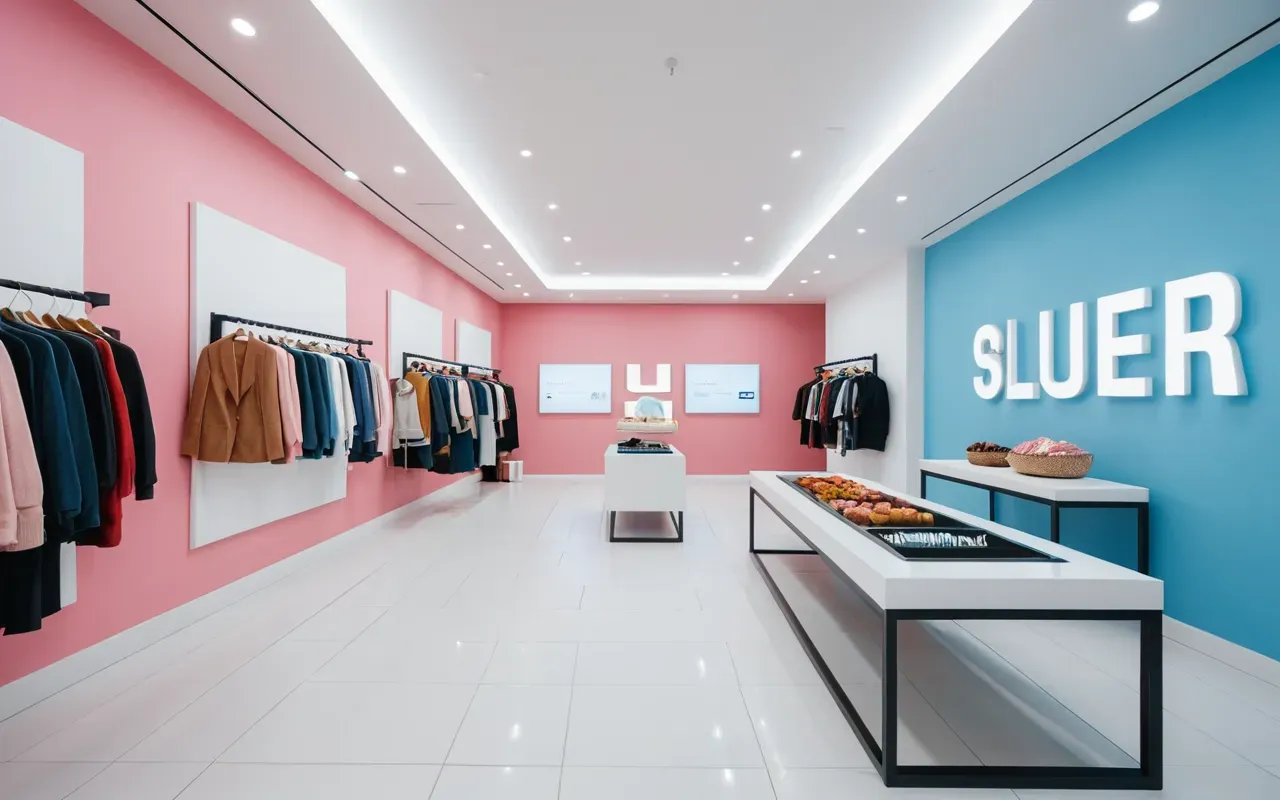
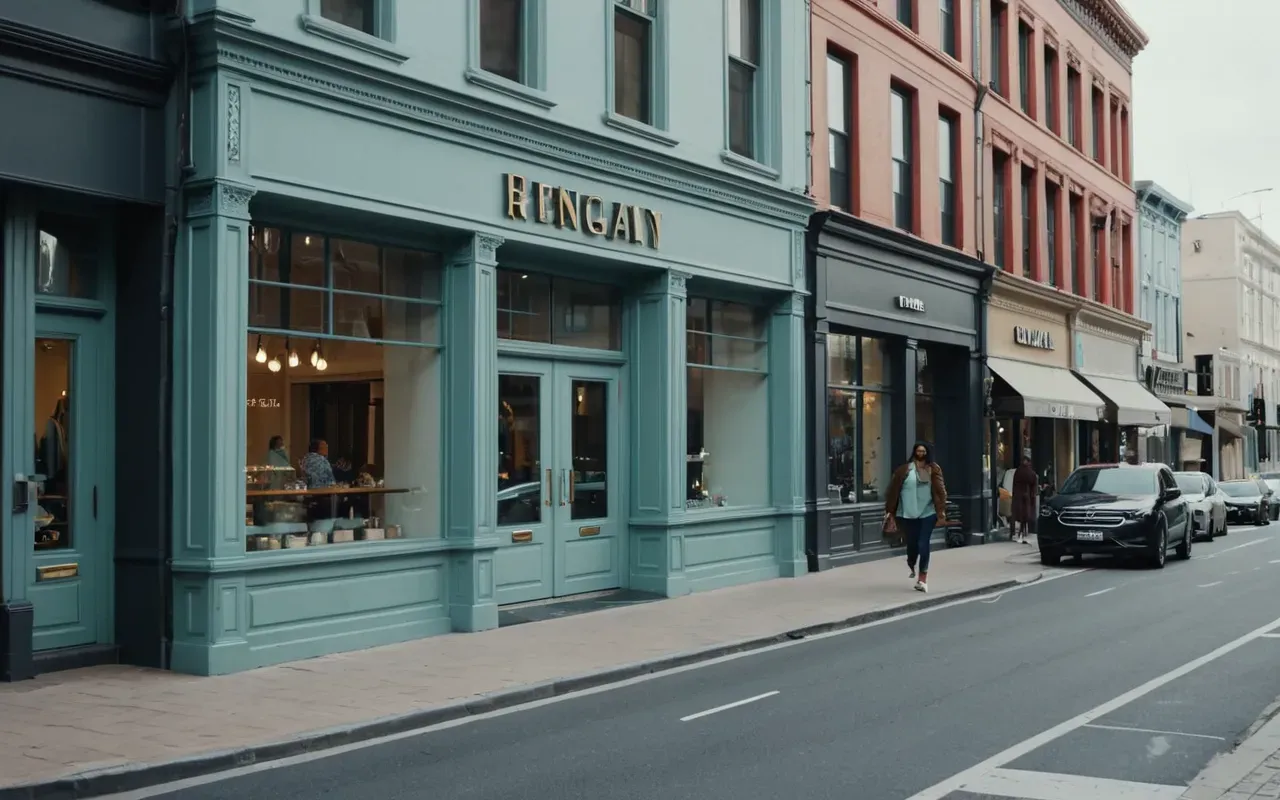
Her boutique, Antidote, is a slap in the face to the idea that ethics require sacrifice. The space is drenched in saturated pastels and sharp geometric furniture.
It looks like a high-end gallery. It feels like a dream. And it's built from materials that respect the planet. That contradiction is exactly what makes it fascinating.
Why Color Matters in Ethical Spaces
Look at the color palette of Antidote. It is eye-popping. Zembra and interior designer Guillermo de Yavorsky chose this aesthetic deliberately.
They wanted to free conscious fashion from tired norms. The goal: a personal experience that feels vibrant and positive, not restrictive or somber.
It's a subtle shift, but a powerful one in how we perceive sustainability. The message to the customer is simple — your values don't have to be drab.
The store proves you can care about the environment and still demand a visually stimulating shopping experience. It's an invitation to enjoy fashion.
The Psychology of Pastel Tones in Retail
Psychologically, bright pastels evoke optimism and creativity. In a space selling ethical goods, that matters more than you might think.
Customers often feel a sense of moral weight when buying sustainable items. The vibrant interior lifts that burden and replaces it with joy.
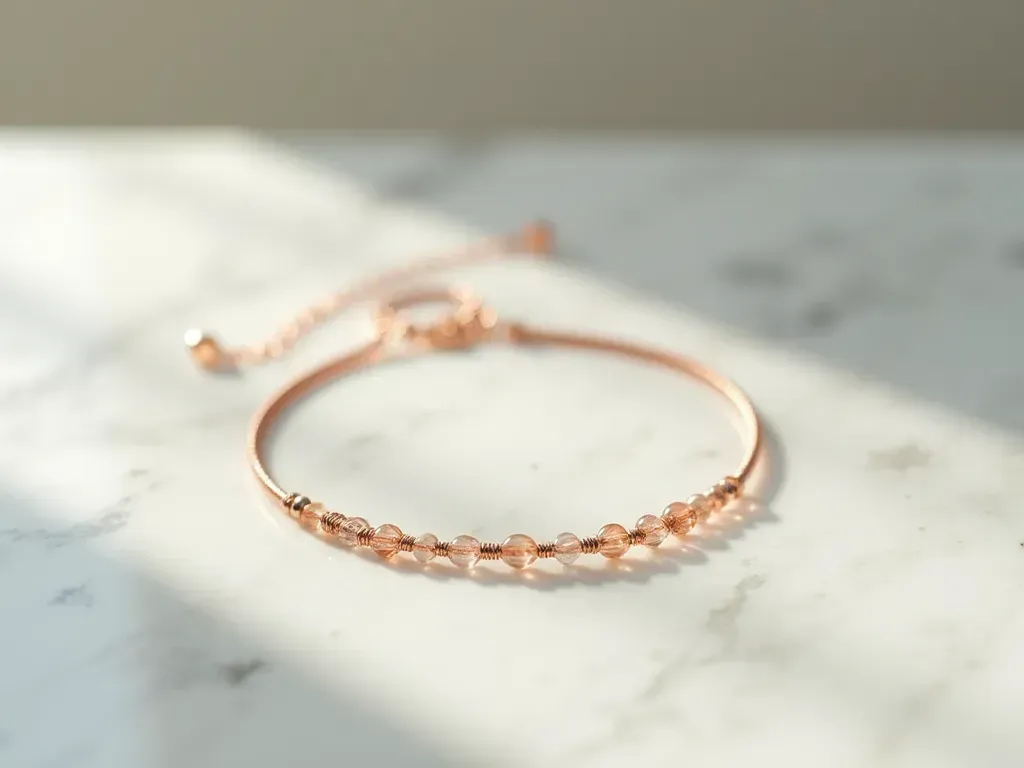
It turns a transaction into an experience. You're not just buying a bracelet; you're entering a universe of creativity and positive vibes.
This approach is rare. Most ethical brands hide their values behind beige walls and recycled paper bags. Antidote wears its heart on its sleeve.
The Curated Selection of Artisanal Gems
The visual appeal is only half the story. The inventory at Antidote tells a deeper narrative about global craftsmanship and fair trade practices.
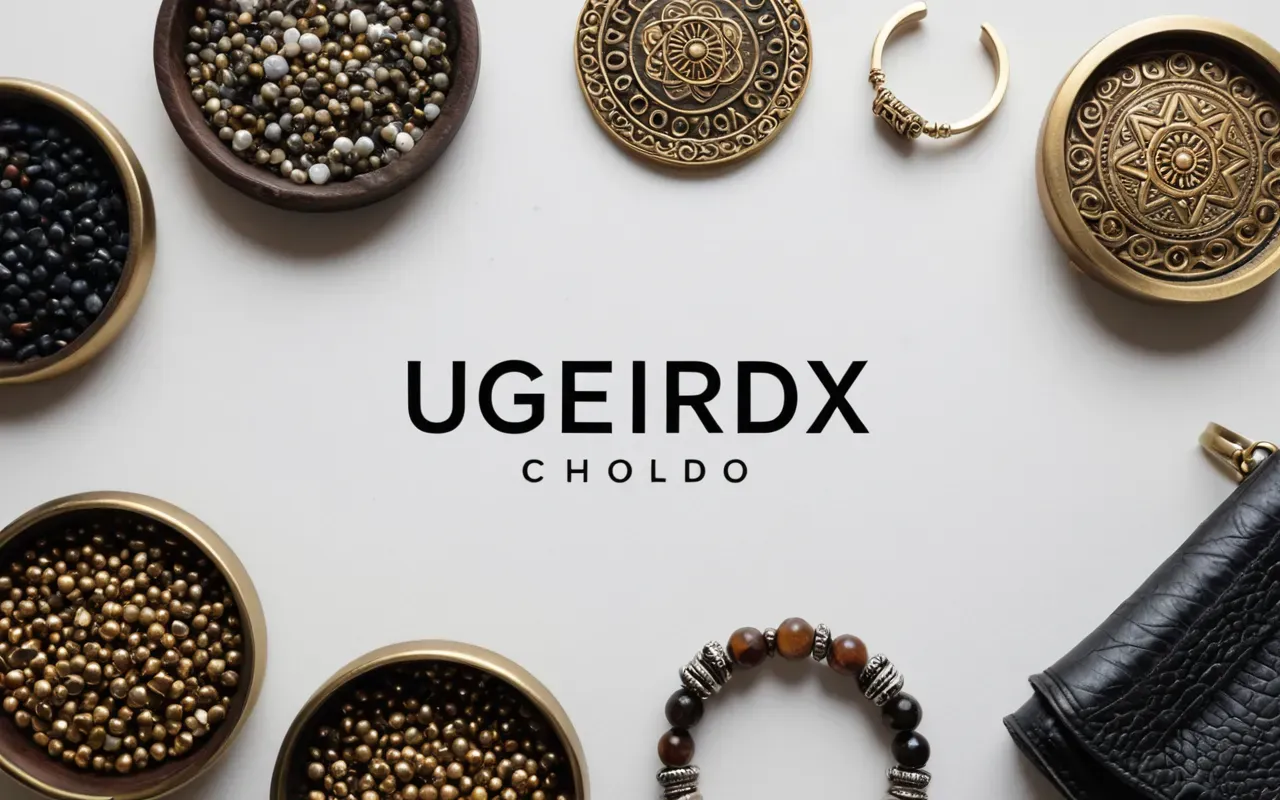
Zembra stocks emerging brands with distinct stories. One favorite is LLY Atelier from Montreal, where every piece is handcrafted with meticulous attention to detail.
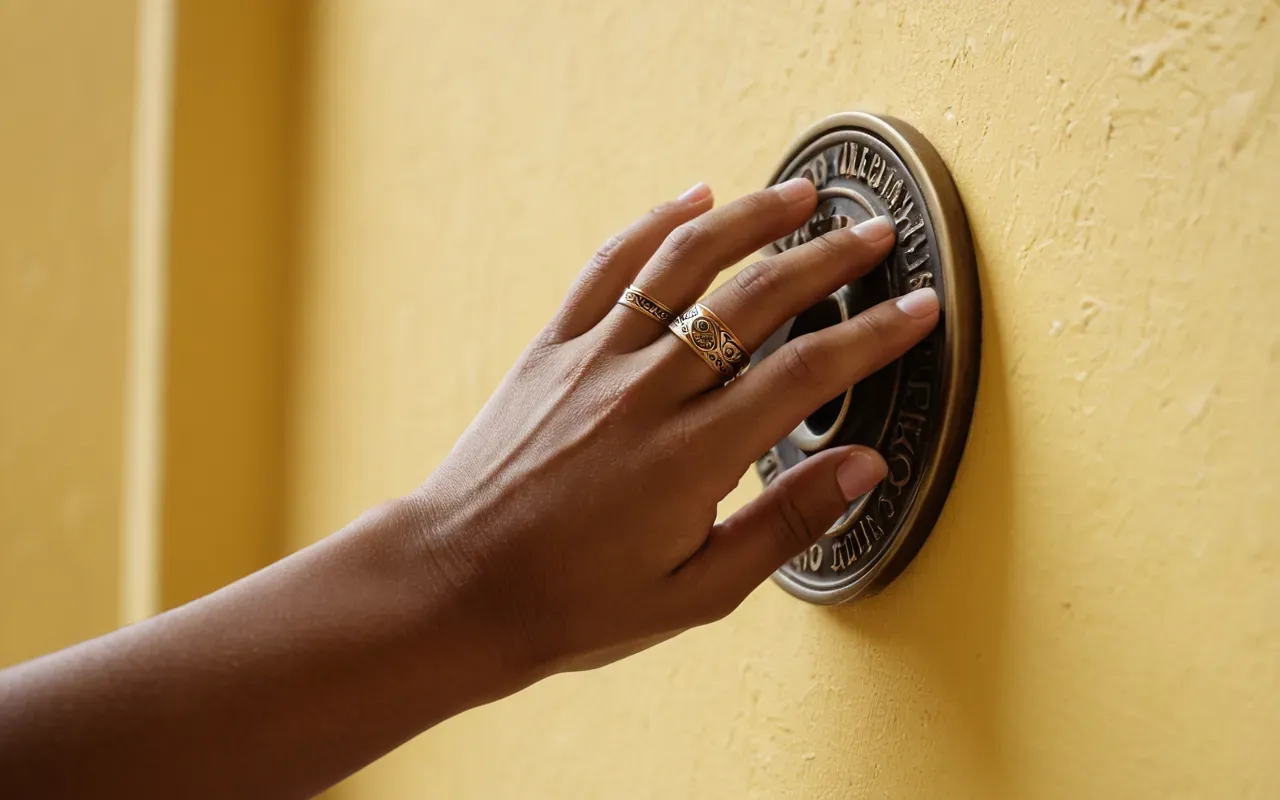
There's also Soko, a fair-trade brand that uses recycled brass to marry contemporary design with artisanal craft. Jewelry with a conscience and a history.
Lozza D Marin adds another layer with its handmade leather accessories. These pieces speak for themselves through quality and unique aesthetic choices.
Why Emerging Brands Win Over Mass Market Retailers
Mass market retailers offer convenience and low prices. But they lack the soul that defines a piece of handmade jewelry.
When you buy from an emerging brand like LLY Atelier or Soko, you're supporting a specific creator's vision. You know the origin of your purchase.
This connection is powerful. It transforms a simple accessory into a symbol of your values and taste.
The curation process itself is an act of care. Zembra selects each line to ensure it aligns with the store's ethos and aesthetic.
The Hidden Cost of Greenwashing vs. Real Ethics
There's a big difference between marketing sustainability and practicing it. Many brands use greenwashing to appeal to eco-conscious buyers without changing their methods.
Antidote takes a different approach. The store was built with ecological materials such as eco-cement and natural woods.
Zembra emphasizes that the space was created with a conscious mind. Every step of the way aimed to achieve eco-friendly practices.
This transparency is refreshing. It shows that the commitment to sustainability extends beyond the products on the shelves.
Materials That Matter in Store Construction
The use of nontoxic paints and natural woods is a small detail with big implications. It ensures the air inside the store is clean.
It also reflects a respect for health and environment. These choices may not be visible to the casual shopper but they define the soul of the business.
In a world where corporate greenwashing is rampant, this level of detail stands out. It proves that the brand walks the talk.
It sets a standard for other retailers to follow. If you want ethics, build the space with it in mind.
The Future of Shopping Experiences in Urban Centers
Zembra doesn't want customers to come solely to purchase goods. She wants them to have a unique experience.
From the smell of the store to the captivating interior, every element is designed to engage the senses. It's a multi-sensory journey.
This model of retail is becoming more common in creative neighborhoods like Wynwood. It blends art, commerce, and community.
The success of Antidote suggests that consumers are ready for this shift. They want spaces that reflect their values and aesthetics.
How Location Influences Brand Identity
Wynwood is known for its artsy vibe and creative energy. This environment complements the brand's message of creativity and sustainability.
The location attracts a specific demographic. These are people who value originality and ethical practices in their daily lives.
This synergy between place and product strengthens the brand's appeal. It's a natural fit for the modern consumer.
It shows that retail can be more than just a transaction. It can be an expression of lifestyle and values.
What This Means for the Jewelry Industry in 2026
The trend toward sustainable and aesthetic retail is not going away. It is becoming the standard for new entrants in the market.
Brands that fail to adapt will find it harder to compete. Consumers are becoming more discerning about the origins of their purchases.
Antidote is a preview of this future. It combines beauty, ethics, and community in a way that resonates with modern shoppers.
If you're looking for jewelry that tells a story, this is the direction to watch. The future of fashion is bright and conscious.
The Role of Social Media in Amplifying Ethical Brands
Social media has played a key role in bringing these brands to the forefront. It allows creators to share their stories directly with consumers.
This direct connection builds trust and loyalty. It bypasses traditional gatekeepers in the fashion industry.
It empowers small brands like LLY Atelier and Soko to compete on the global stage.
This democratization of fashion is a positive development for everyone involved. It encourages diversity and innovation.

The Last Word on Stylish Sustainability
Sophie Zembra has proven that you do not have to choose between style and substance. You can have both.
Her vision for Antidote is a reminder that fashion can be a force for good. It can inspire creativity and positive change.
As we move forward into 2026, let's embrace this new standard. Let's demand beauty and ethics in equal measure.
The future of jewelry is not just about what it looks like. It's about where it comes from and who makes it.
Antidote is a shining example of what's possible when passion meets purpose. It's a beacon for the industry.
So next time you shop for accessories, think about the story behind them. Choose pieces that align with your values.