Why Handcrafted Earrings Make Perfect Gifts for Her
We all love a good sale. But what happens when that bargain costs the earth? I've been tracking the supply chains of popular fast fashion retailers like **Fashion Nova** for the past year. The numbers are staggering. It's not just about the price tag you see in the store window.
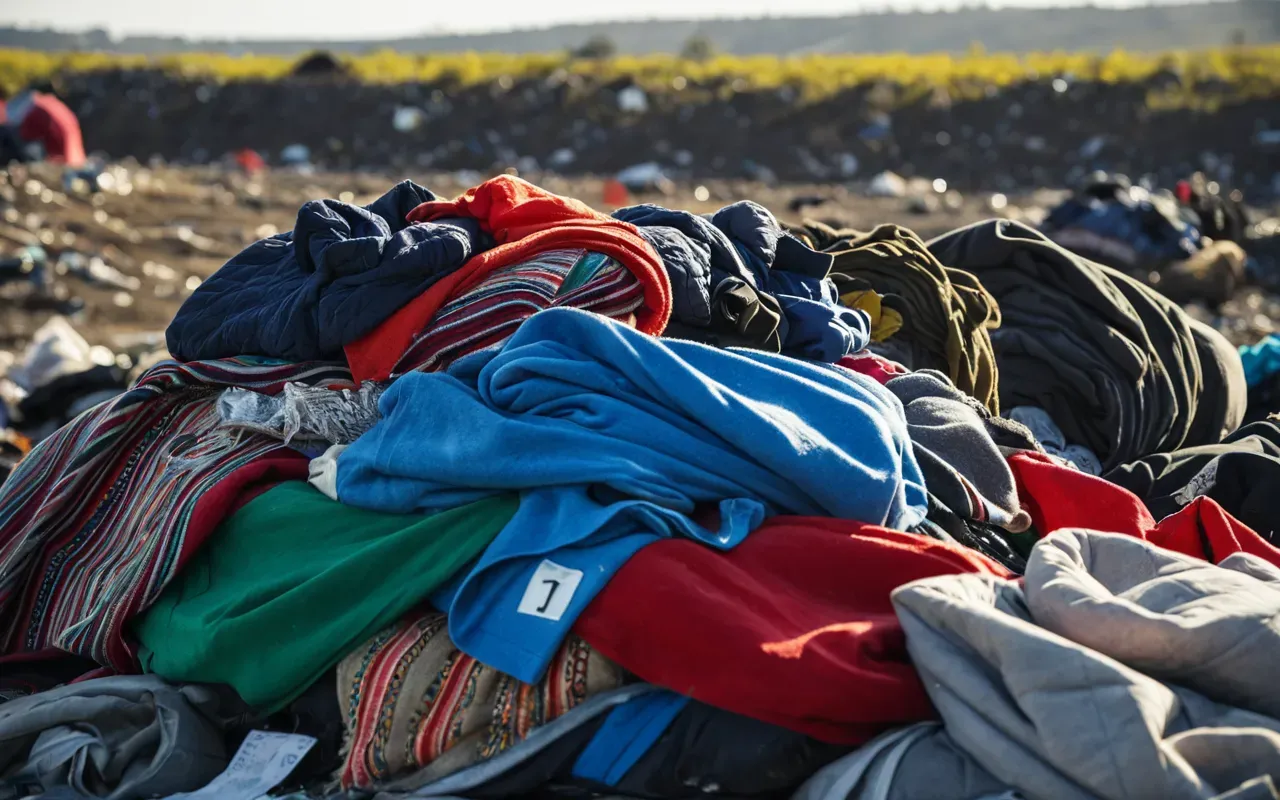
Look at the timeline. A trend hits social media today. It's on a rack tomorrow. And it's in a landfill by next week. This rapid cycle isn't accidental. It's designed to make you buy more. And wear less. The environmental toll is massive. Water waste. Chemical dyes. Microplastics. It adds up.
Why Handmade Accessories Are the Answer
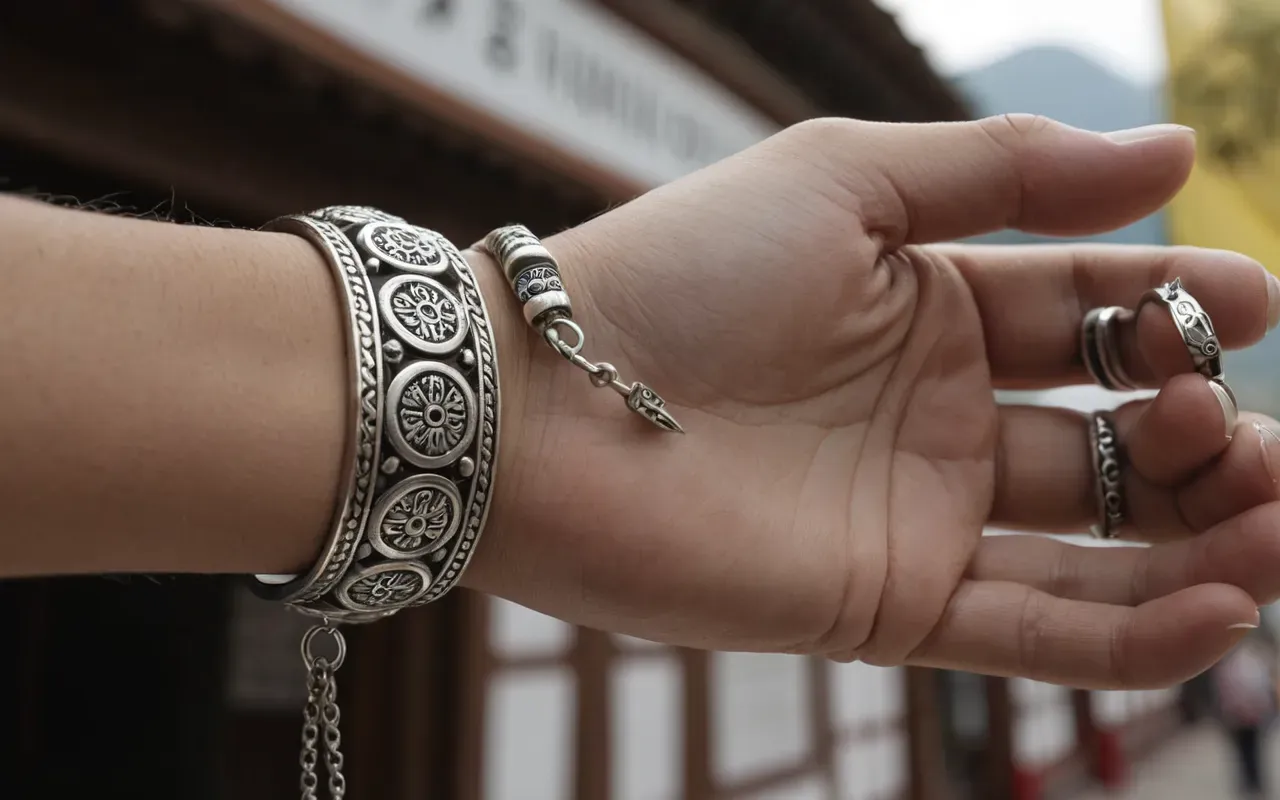
Here's the thing. Quality lasts. When you invest in a handmade piece, you're buying craftsmanship. Not just a product. I've seen artisans spend hours on a single bracelet. The attention to detail is remarkable. Each piece tells a story. It has soul. Fast fashion items feel disposable.
And it's not just about durability. It's about ethics. Artisans get paid fairly. Materials are sourced responsibly. No sweatshops. No exploitation. Just honest work. This shift towards conscious consumption is growing. People want to know where their clothes come from. They care about impact.
The Rise of Sustainable Style
Sustainable style isn't a trend. It's a movement. Brands like Nua Cycle are leading the charge. We focus on eco-conscious choices. Unique designs that don't compromise on quality or values. It's about making fashion work for you and the planet. A win-win situation.
I've noticed a shift in my own wardrobe. Less clutter. More meaning. Each accessory I own has a purpose. It gets worn. It gets loved. It doesn't sit in a drawer gathering dust. This mindset change is powerful. It starts with awareness. And it ends with action.
Debunking the Myths of Affordable Luxury
There's a myth that luxury must be expensive. And cheap must be cheap. But that's not always true. Handmade items can be priced fairly. They reflect the true cost of production. No hidden subsidies. No externalized environmental costs. Just honest pricing for honest work.
And let's talk about style. Fast fashion copies trends. It rarely innovates. Handmade designers create. They push boundaries. They offer unique pieces you won't see on every street corner. Standing out is the new luxury. Being unique is the real status symbol.
The Environmental Impact of Textiles
The textile industry is a major polluter. Water usage is insane. Chemical runoff poisons rivers. Microfibers choke our oceans. It's a crisis. And it's getting worse. Every time we buy a cheap item, we contribute to this problem. The cost is higher than we think.
But there's hope. Sustainable materials are emerging. Organic cotton. Recycled fabrics. Natural dyes. Innovations are happening. We just need to support them. By choosing brands that prioritize sustainability, we vote for a better future. With every purchase.
How to Build a Conscious Wardrobe
Start small. Audit your closet. What do you actually wear? What sits untouched? Donate the rest. Then, be intentional. Buy less. Choose well. Make it last. This approach saves money. And it reduces waste. It's a simple formula for a better wardrobe.
Focus on versatility. Pieces that mix and match. Accessories that elevate basic outfits. A quality bag. A timeless watch. A handmade necklace. These items become staples. They anchor your style. They don't go out of fashion. Because they never were in fashion.
Supporting Local Artisans
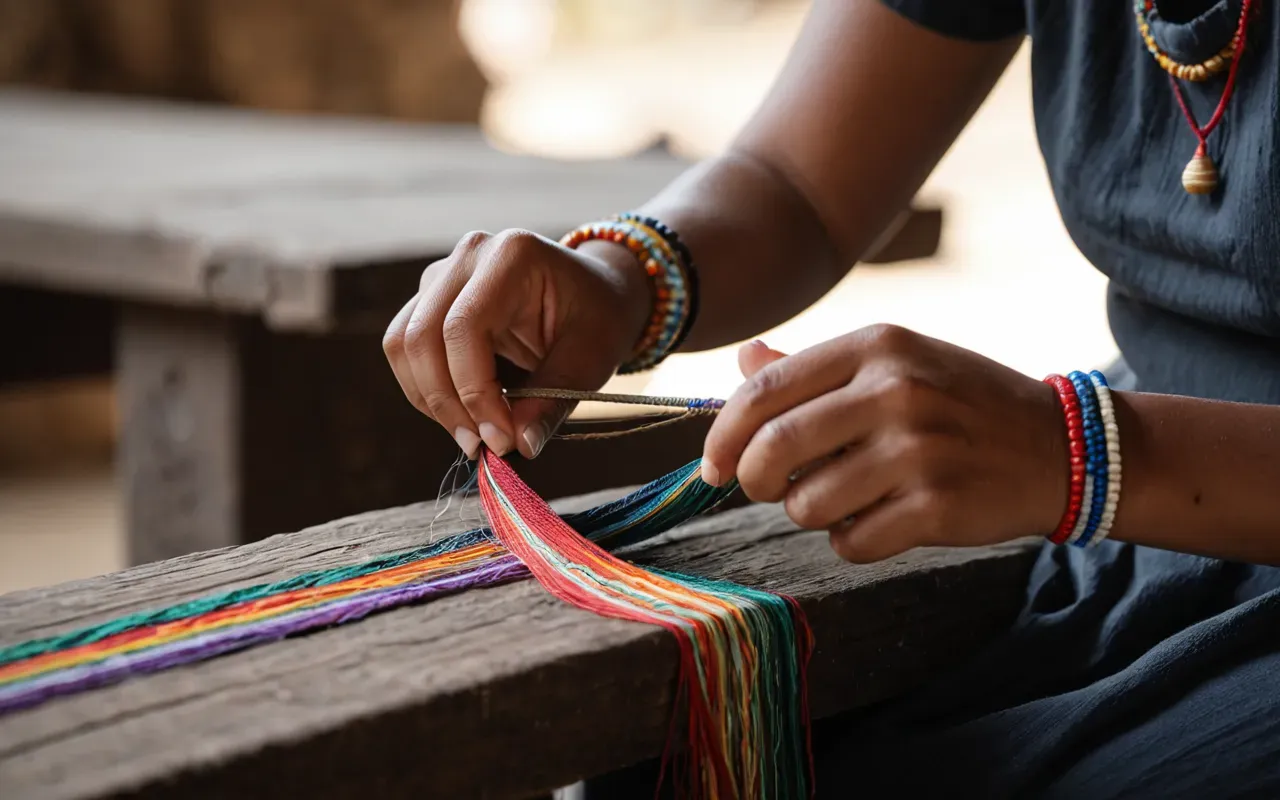
Artisans are the backbone of handmade fashion. They preserve traditional techniques. They create jobs. They foster community. When you buy from them, you support a livelihood. Not just a product. This human connection is invaluable. It brings meaning back to shopping.
And the quality is undeniable. Handcrafted items have a warmth that mass-produced goods lack. You can feel the care in every stitch. Every bead. Every clasp. It's tactile. It's personal. It's the opposite of the cold, impersonal nature of fast fashion.
The Future of Ethical Fashion
The future is bright. Consumers are waking up. They demand transparency. They value ethics. Brands that ignore this shift will fade. Those that embrace it will thrive. This isn't just a trend. It's a fundamental change in how we view consumption. And it's here to stay.
Innovation is key. New materials. Circular models. Rental services. Repair workshops. The industry is evolving. And it's exciting. We have the power to shape it. By choosing wisely. By supporting the right brands. By being conscious consumers.
Making a Difference Through Style
Every purchase is a vote. Vote for quality. Vote for ethics. Vote for sustainability. Your style choices matter. They send a message. They influence the market. They drive change. So wear your values. Let your accessories speak for you. And make a difference.
It's not about perfection. It's about progress. We don't need a handful of people doing zero waste perfectly. We need millions doing it imperfectly. Start where you are. Use what you have. Do what you can. Together, we can transform the fashion industry. One piece at a time.
Frequently Asked Questions
What is the environmental impact of Fashion Nova?
Fashion Nova contributes to significant textile waste and water pollution due to its rapid production cycles and low-quality materials. The brand's model encourages frequent disposal of garments, leading to landfill overflow and microplastic contamination in waterways.
How can I identify sustainable handmade accessories?
Look for transparency in sourcing and production. Authentic handmade items often come with stories about the artisan and materials used. Check for certifications like Fair Trade or GOTS. High-quality craftsmanship and durable construction are also strong indicators of sustainability.
Why are handmade items more expensive?
Handmade items reflect the true cost of production, including fair wages for artisans and sustainable material sourcing. They lack the economies of scale and cost-cutting measures used by mass manufacturers, resulting in higher upfront prices but greater longevity and ethical value.
For the full overview, see handmade jewelry trends.