The Rise of Sustainable Fashion Transforming the Apparel Industry
Understanding the Foundations of Sustainable Fashion
Fashion shifting toward lasting practices isn’t just fleeting style - it reshapes how clothes are made, worn, and cared for. Rooted in smarter choices, sustainable approaches lean on green fabrics, fair treatment of workers, while sparking changes that cut down trash and harmful emissions. Since people now pay more attention to nature's toll from clothing habits, companies act - valuing items that last, being open about methods, grounding decisions in fairness and care for communities. From the ground up, this effort leans on cutting down carbon use, sidestepping hazardous substances, along with boosting equitable trade practices. Lately, companies across the sector have picked up various labels - Fair Trade, GOTS, B Corp among them - that confirm green methods while helping people feel assured about brand choices. What stands out? Sustainable fashion pushes for smarter buying habits: less frequent purchases, yet more thoughtful ones, favoring durability instead of sheer volume, while backing firms that share responsible principles. Because of this shift, what was once a small specialty area now drives change across industries. Big companies along with independent teams begin reshaping how clothes are made and worn. Fashion stops being just trend followin g- it starts shaping business decisions.
Innovations Driving Sustainable Fashion Forward
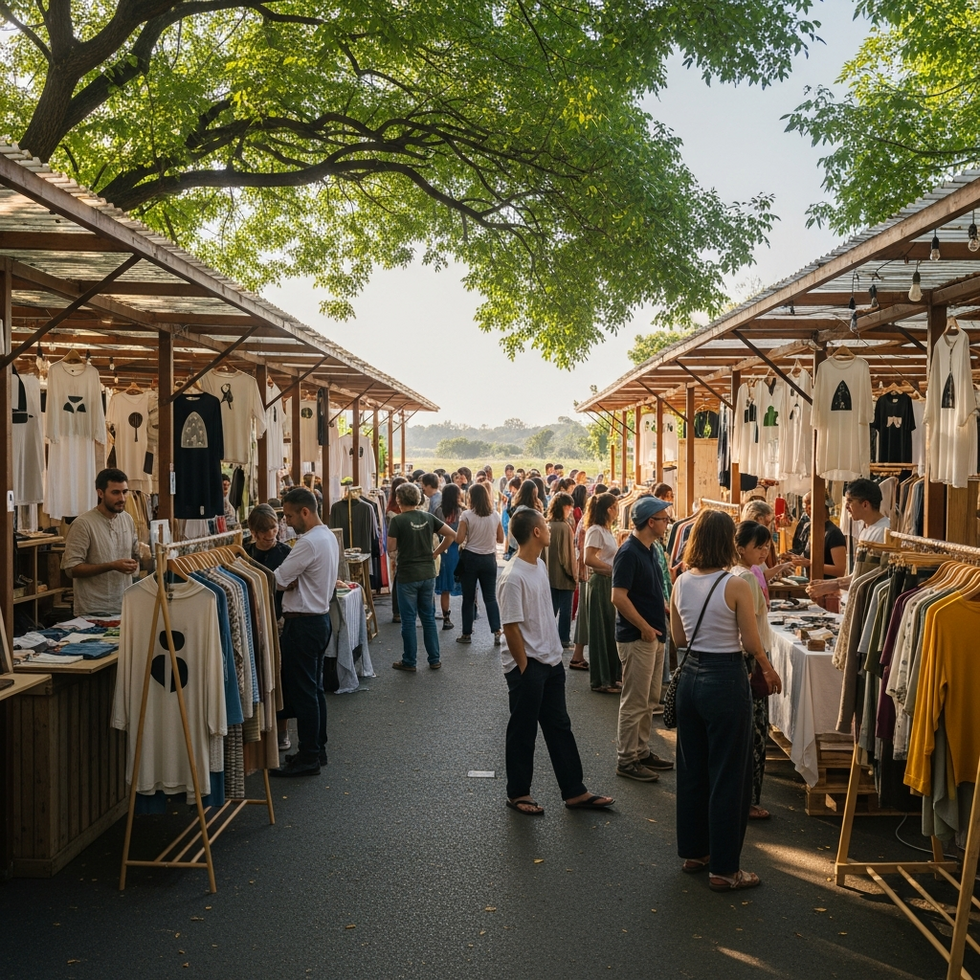
Change in green clothing often comes from new tools that help people choose better, easier options. Instead of old methods, ideas like dyeing without water, materials that break down naturally, and clothing built from recycled stuff drive much of it forward. Take Stella McCartney - her label now tests living dyes grown without artificial help. These steps move eco-friendly designs closer to everyday reality. Now think about clothes made today that come back another way later. Some brands now offer clothes you send back when done, showing people another path. Instead of throwing away, some designers test ideas with digital prints or try-ons without fabric samples. Even sharing outfits for events exists - one company lets females rent dresses for special days. These steps quietly move fashion away from quick trends toward longer useful life cycles. Now imagine seeing every step in your shirt - from cotton fields to factory floors - thanks to blockchain. This shift isn’t about flashy tools; it shows how values are changing fast within style industries. What gets made matters more now - not just what goes into fabrics but where things sell and who handles them. Transparency isn’t optional anymore; it shapes decisions at every level of creating clothing.
The Role of Consumers in Shaping a Sustainable Fashion Future
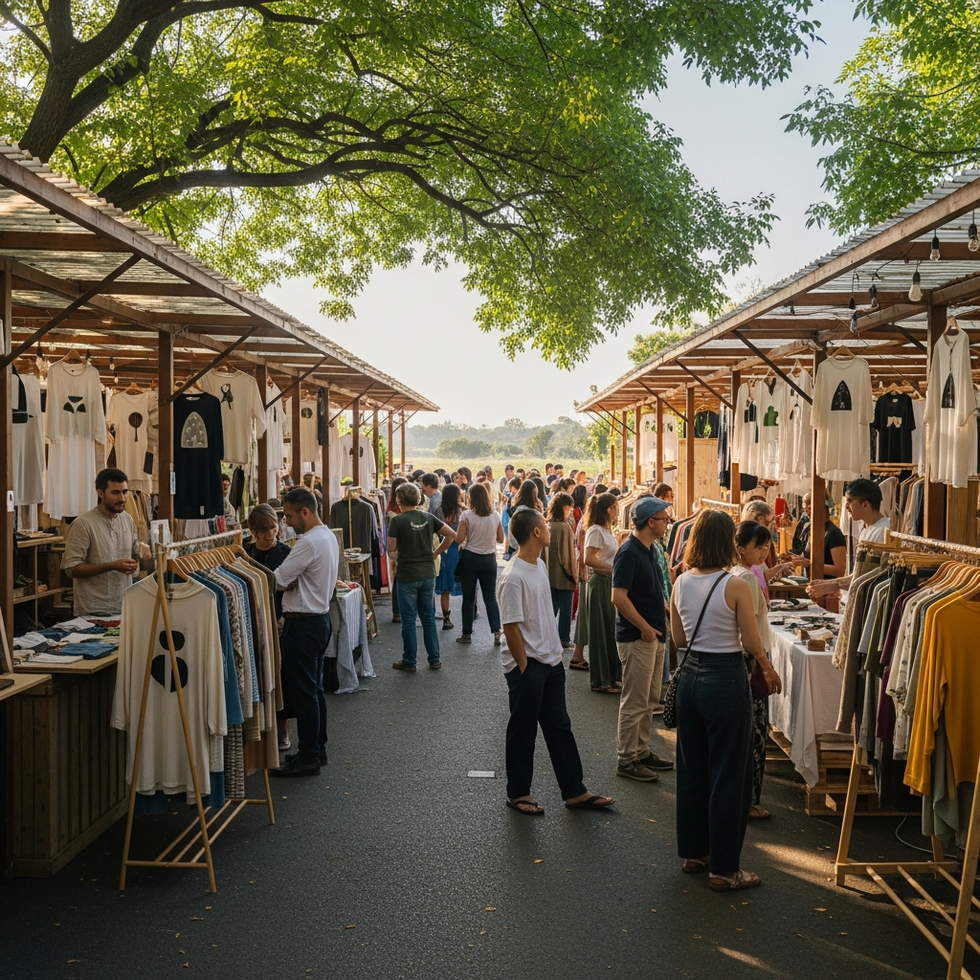
What drives change in clothes today? It's people paying attention, stepping in themselves. These days, shoppers aren’t just buying - they look who makes things and how. Online spaces give buyers real power - calling for fair work, less waste, greener methods. When people pick brands like Patagonia, tentree, or Veja, they’re matching what they care about with their buying decisions - this kind of choice quietly pushes others toward similar actions. Another shift comes from tools built for sustainable shopping: labels and expert advice guide buyers through confusing options. Learning matters too - stories about how fast fashion harms nature and workers often tip behavior, sparking real change without grand announcements. People now often pick used clothes, fix what they have, or join friends wearing each other's items - this cuts down trash while shifting how they think about stuff. Because more buyers want greener options, companies must change fast; staying ahead means sustainability isn’t optional anymore, lighting a steady path toward cleaner fashion ahead.