The Container Is The Message
I bought a beautiful set of silver rings last month. Stunning in the shop. On my vanity? They looked cheap.
The problem wasn't the metal. It was the box I put them in.
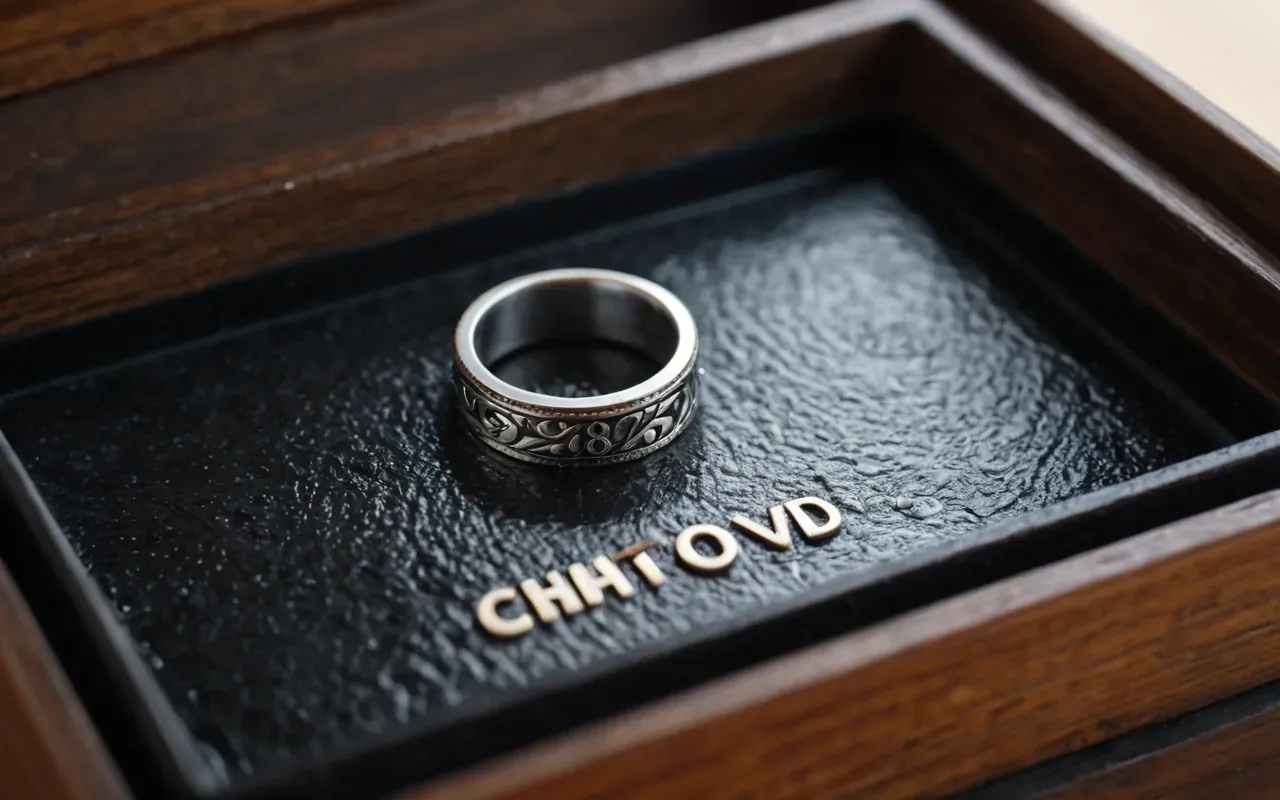
Why Plastic Trays Kill Perceived Value
Most mass-produced brands use injection-molded plastic. Cheap to ship, sure.
But our brains file smooth, cold plastic under "disposable." Think of a fast-food container.
Drop an artisan piece into that same material and the value tanks instantly.
It's a psychological trick. The object doesn't change. Only the frame does.
The Texture Test You Can Do Right Now
Touch your current storage. Slick and uniform? Or does it have grain?
Uniform surfaces say mass production. Grain says human hands.
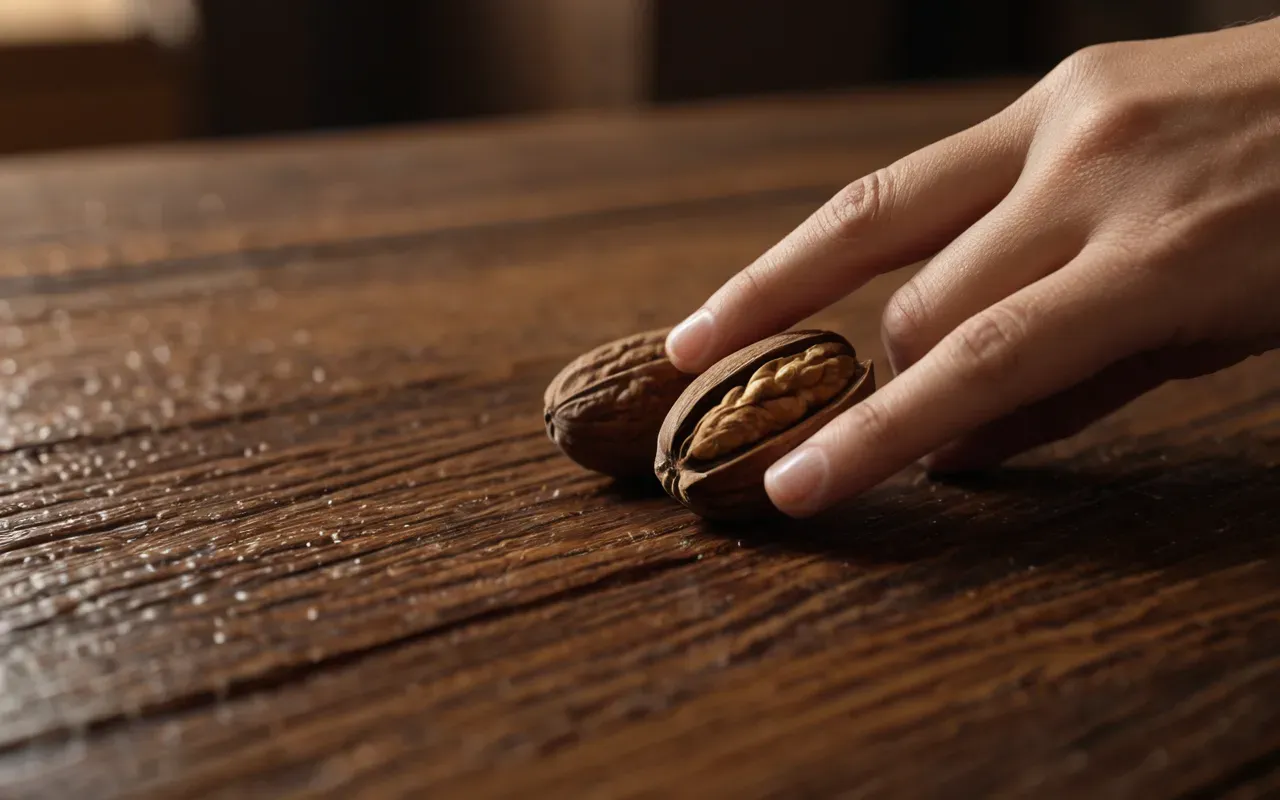
The Wood That Actually Matters
Not all wood is created equal, though. Some species are too soft for daily use.
I recommend walnut or maple. They hold their shape well over time.
Why Soft Woods Fail in Hot Climates
Pine is cheap. It dents easily.
In a hot car or humid room, soft wood warps. Your jewelry gets scratched.
Hardwoods are dense. They resist damage and look premium for decades.
The Oil Finish Difference
Polyurethane makes wood look like a table. Shiny and hard.
Natural oil lets the wood breathe. It highlights the grain without a plastic coat.
The Interior Is Where the Money Goes
People look at the outside. They feel the inside.
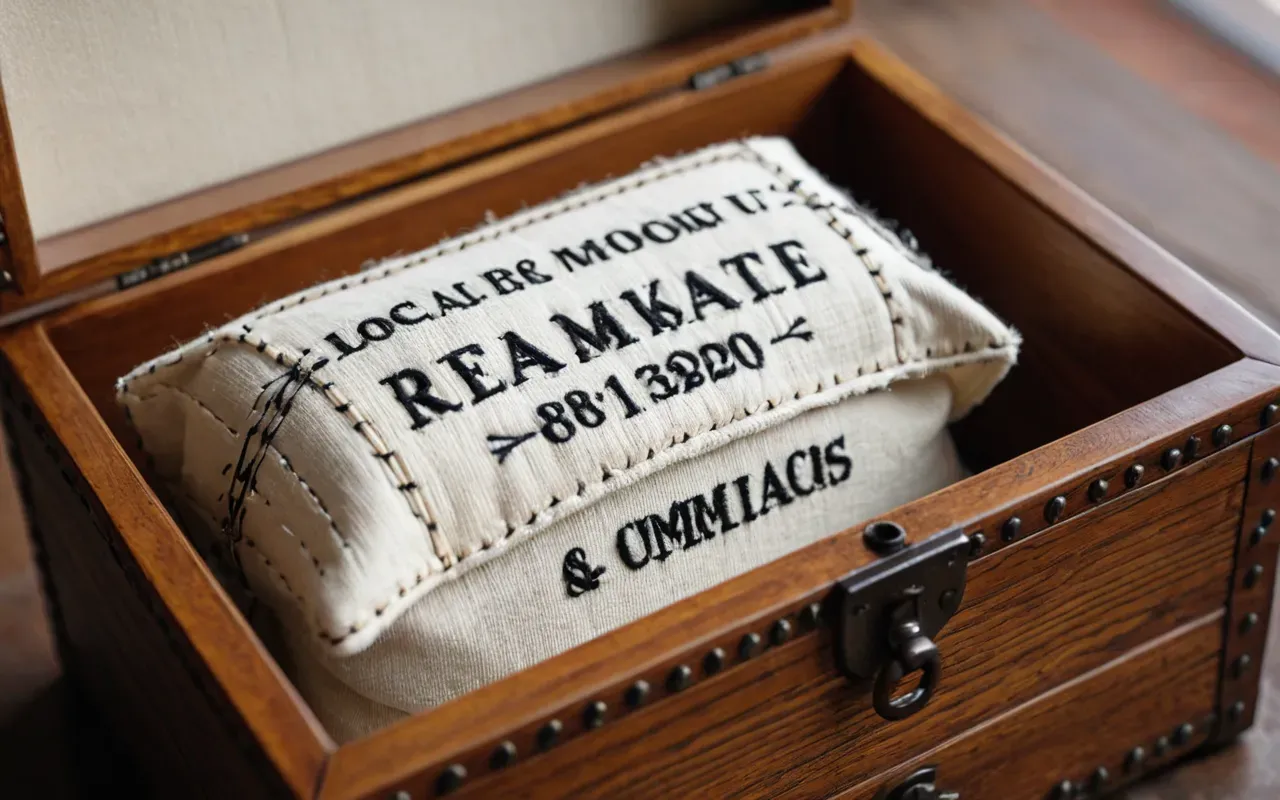
Cheap boxes use felt that sheds fibers onto your gems. Expensive ones use silk or cotton velvet.
Why Cotton Velvet Beats Synthetic Felt
Synthetic felt is made from plastic. It creates static electricity.
Static pulls dust onto your jewelry. You spend more time cleaning it.
Cotton is natural. It reduces static and feels luxurious against the skin.
The Stitching Detail That Signals Quality
Look at the seams. Machine stitching is straight and fast.
Hand-stitched seams have slight irregularities. These prove a human made them.
Sizing Your Collection for Maximum Impact
A box that is too big looks empty. A box that is too small feels cramped.
I recommend leaving one third of the space empty. This creates visual breathing room.
The One Item Per Compartment Rule
Never stack rings. They scratch each other.
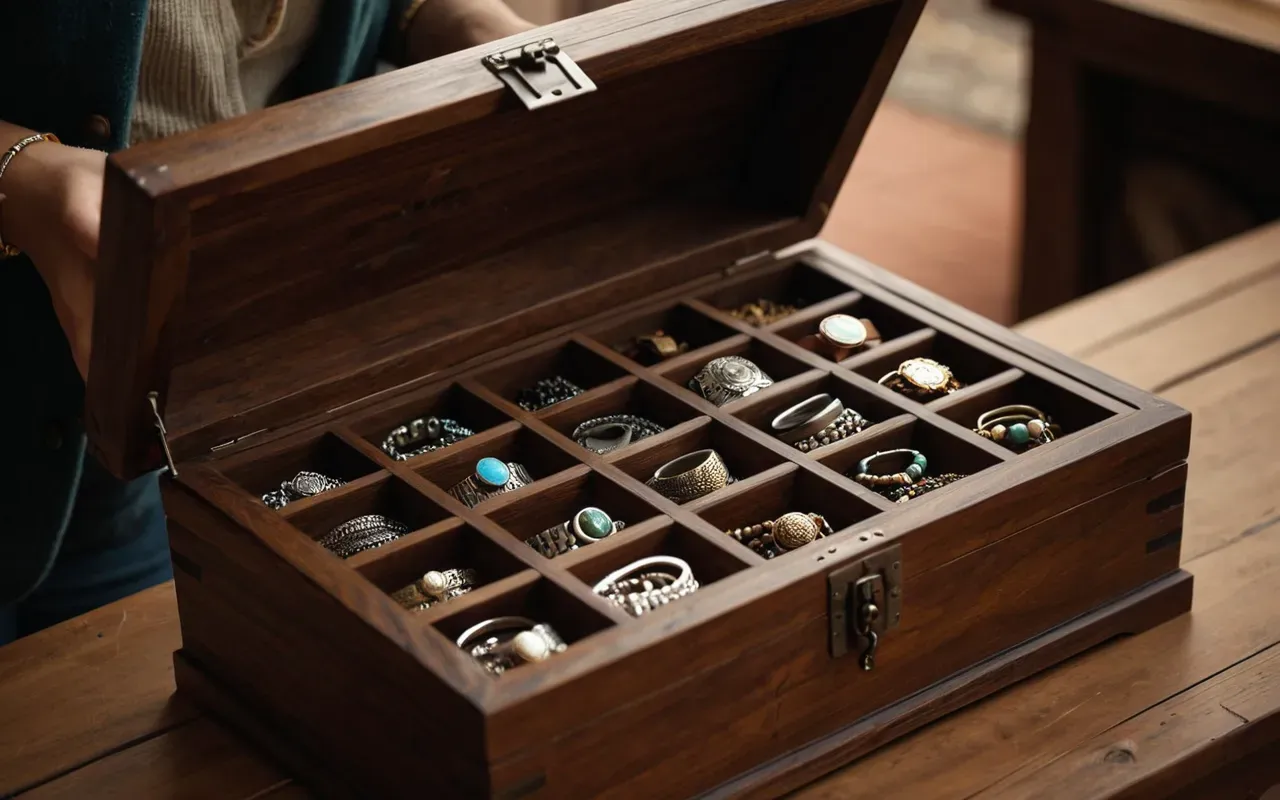
Each piece needs its own defined space to look like a curated collection.
The Hidden Cost of Cheap Storage
You think a $ box saves money. It actually costs you more.
Plastic degrades in sunlight. The glue dries out and peels.
After two years, your box looks ugly. Your jewelry inherits that ugliness.
How Long Does a Solid Wood Box Last?
A well-made walnut box can last fifty years or more.
It becomes an heirloom. A plastic tray ends up in the trash within a year.
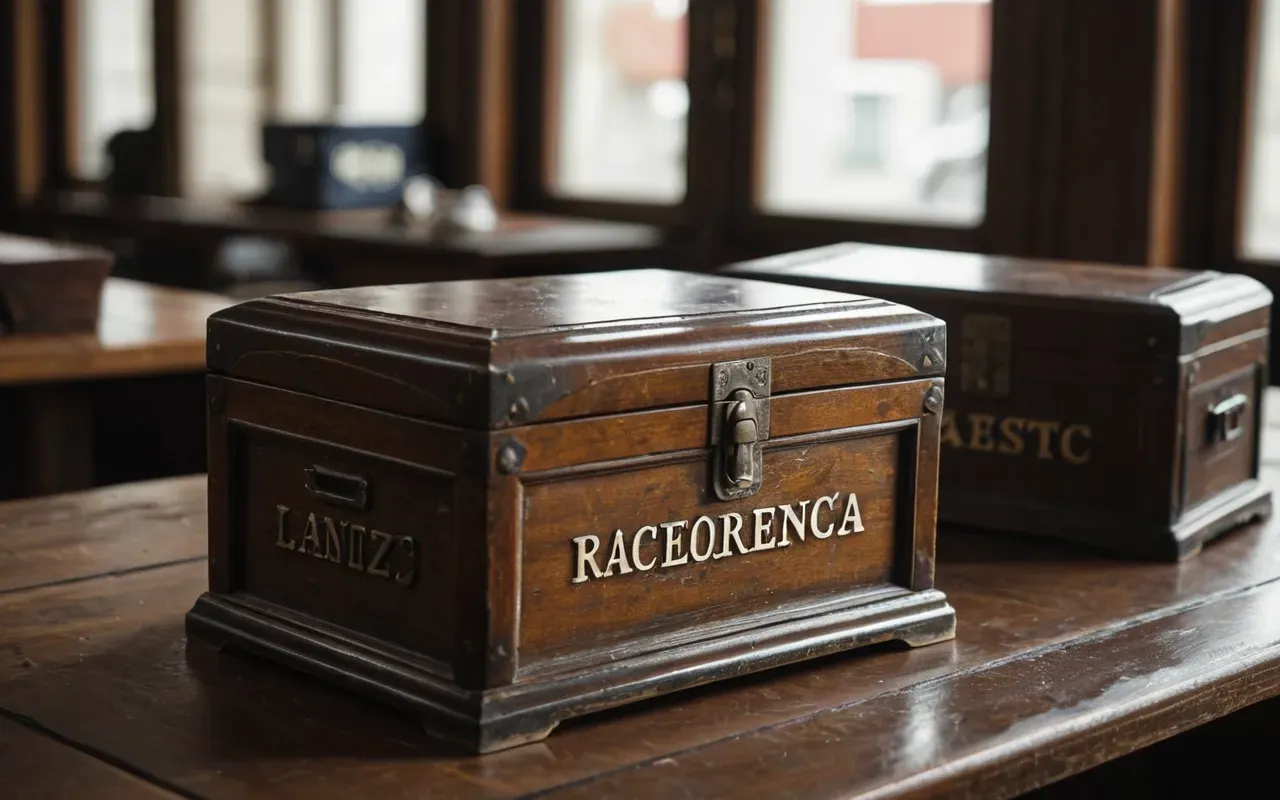
Styling Tips for Displaying Your Pieces
Light affects how your jewelry looks. Avoid direct sun.
Use a box with a clear lid or open top for daily viewing.
The Color Contrast Trick
Dark wood makes gold pop. Light maple makes silver shine.
Match the box tone to your dominant jewelry color for a cohesive look.
Where to Find Quality Artisan Boxes Today
Online marketplaces are full of options. But quality varies wildly.
Look for sellers who show photos of the actual wood grain. Not just stock images.
Questions to Ask Before You Buy
Ask what wood species is used. Ask about the lining material.
If they cannot answer clearly, walk away. Vague sellers hide poor quality.
The Psychological Power of Ownership
We value what is hard to get. A handmade box takes weeks to make.
That effort translates into perceived luxury. You feel like a collector.
Frequently Asked Questions
What is the best wood for a handmade jewelry box?
Walnut and maple are ideal. They have high density and resist denting well over time.
Why does my plastic jewelry box make my rings look cheap?
Plastic signals mass production. Your brain links it to disposable items, lowering perceived value.
How long does a solid wood jewelry box last?
Decades. High quality hardwoods can survive fifty years or more with basic care.