Why Solid Wood Beats Plastic for Your Trinkets
Most people grab a shiny plastic case off the shelf at a big box store. They figure it'll last forever. It won't.
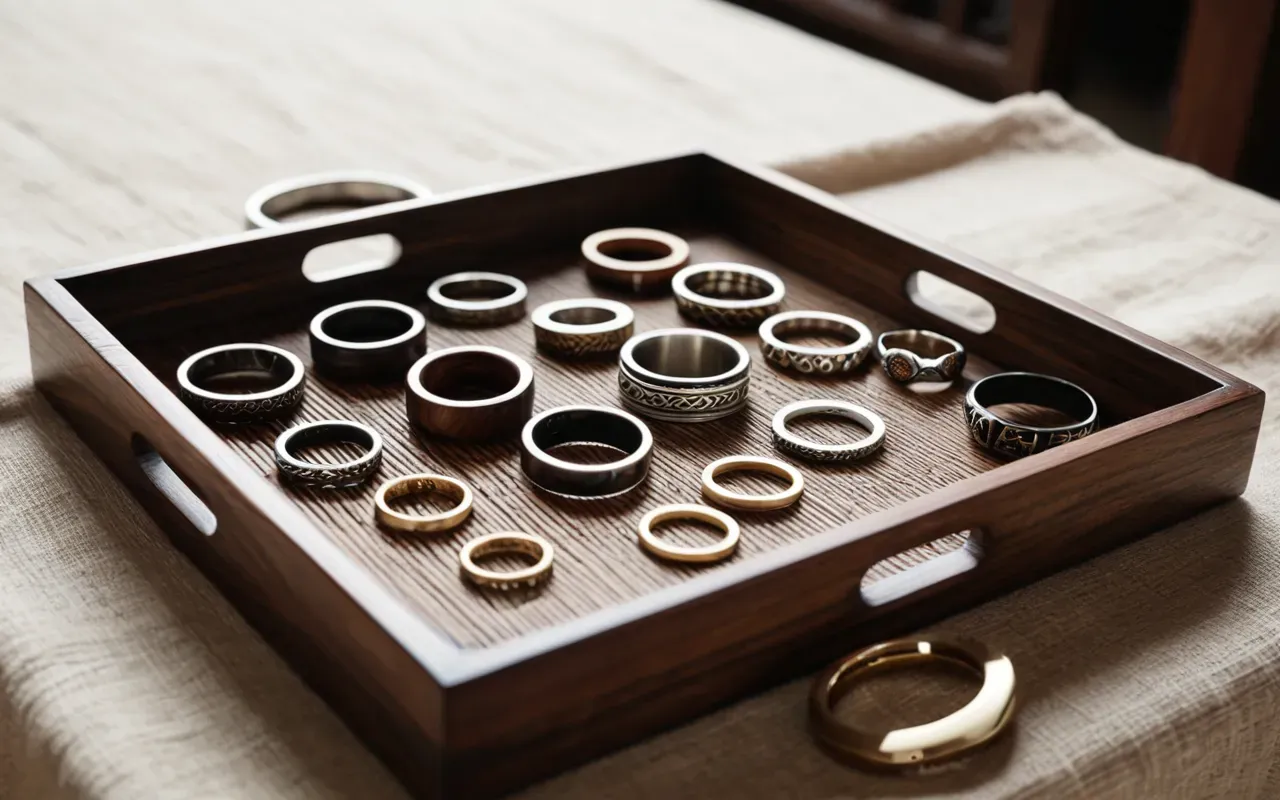
I went through my own collection of artisan pieces not long ago. Half of them were sitting in a cracked vinyl organizer from . The other half lived in a walnut tray I picked up locally.
The difference was stark. The vinyl had yellowed and given off a faint chemical smell. The wood tray? Looked better than it did five years ago.
This isn't just about looks. It's about how materials interact with metal over time. Plastic off-gassing can tarnish silver and dull copper.
Wood is inert. It breathes. And it doesn't leach the volatile organic compounds that wreck delicate finishes. Your handmade pieces deserve better than a toxic bath.
The Hidden Cost of Vinyl Storage
We tend to ignore the container because it's hidden. But that hiding place matters more than you'd think.
From what I've seen, vinyl cases start to warp within two years of daily use. The latches go first.
Then the plastic turns brittle. It snaps when you open it too fast. Next thing you know, you've got shards of blue or clear resin mixed in with your precious stones.
I've watched this happen to three different friends. Not one of them realized the damage was coming from the box itself.
What Wood Actually Does for Metal
Wood stabilizes humidity in the immediate microclimate. It soaks up excess moisture from your breath or your hands.
That matters a lot for pieces with organic materials like pearls or leather cords. Too much moisture kills these components.
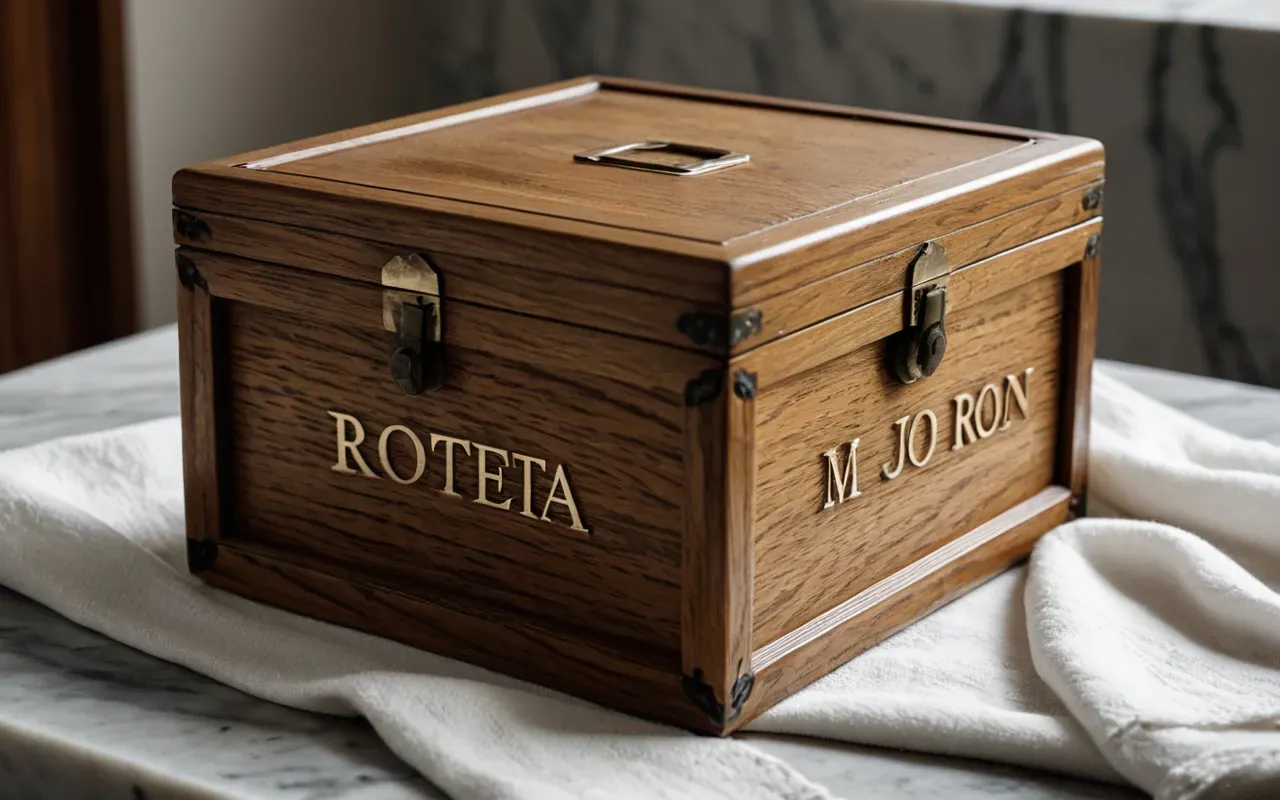
A solid oak box acts as a buffer. It keeps things dry enough to prevent mold, but not so dry that leather cracks.
It's a quiet guardian. You'll never see it working, but your accessories will last significantly longer.
Choosing the Right Grain and Finish
Not all wood is created equal for this. You want a dense hardwood.
Oak Versus Maple Versus Walnut
Oak is tough. It resists dents from heavy cuff bracelets. If you wear bold statement pieces, oak is your best friend.
Maple is lighter in color and very fine-grained. It suits delicate filigree work, where scratches show up more easily.
Walnut offers a rich contrast. Dark wood makes bright gold and white stones pop visually. It's the most popular choice for display cases.
Why Finish Matters More Than Wood Species
Skip polyurethane or lacquer on the interior. Those coatings can off-gas for months.
Look for natural oil finishes instead — tung or linseed. They penetrate the wood rather than sitting on top.
That creates a non-toxic surface safe for even the most sensitive gems and metals. And it ages beautifully with use.
The Scent Test for Quality Wood
When you buy a new wooden case, open it and smell the inside.
Good wood smells like nothing, or faintly of earth. Bad treated wood smells sharp and chemical.
If you catch paint thinner or strong varnish, walk away. That scent lingers, and it will transfer to your accessories eventually.
The Sustainability Angle Most Retailers Ignore
Sustainable fashion isn't just about the garment or the gem. It includes how you store it.
Plastic cases end up in landfills, where they sit for centuries. Wood decomposes naturally if it ever leaves your home.
I talked recently with a local artisan who makes these boxes by hand. She sources her timber from storm-felled trees.
Her process uses zero synthetic glues and no chemical stains. The whole lifecycle is closed-loop where possible.
Supporting Local Makers Over Global Chains
Buying a mass-produced plastic case supports an opaque supply chain. Buying a local wood box supports a specific person.
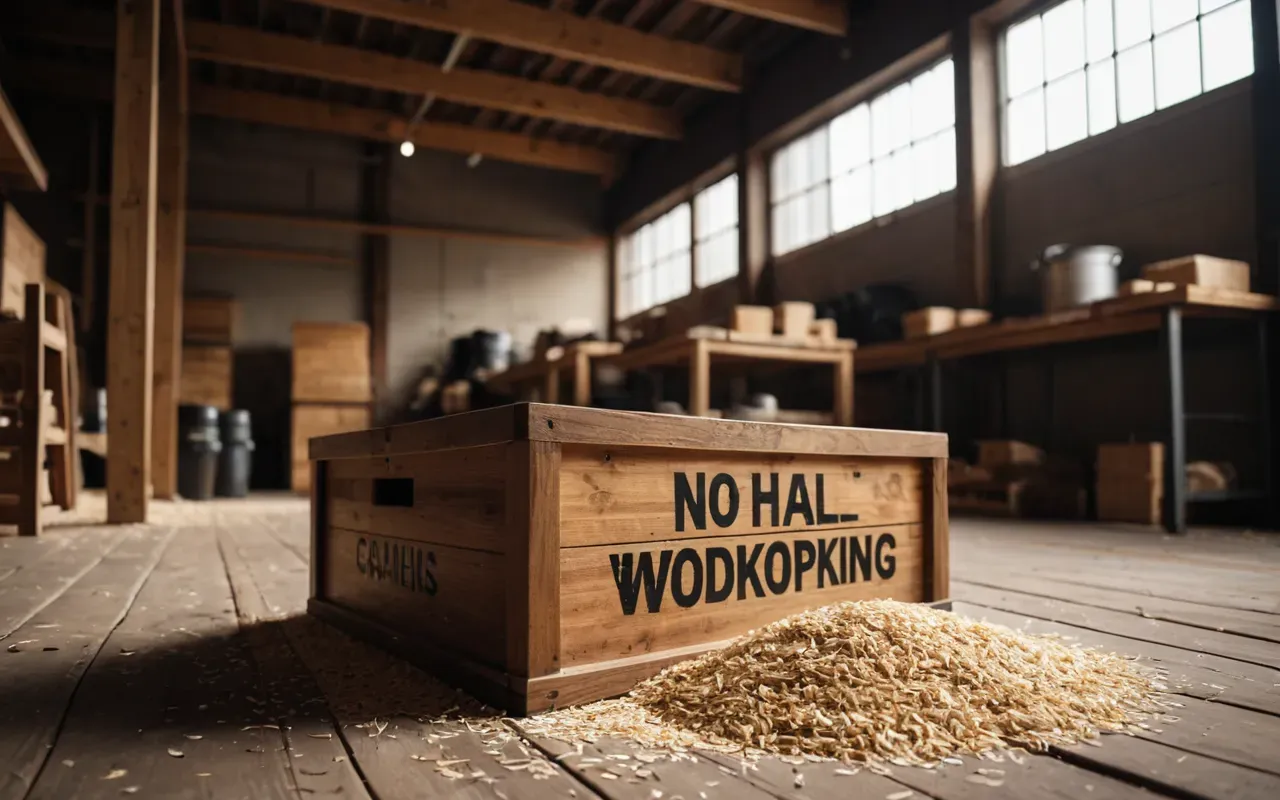
You can see the sawdust on their floor. You can ask about their wood source. That kind of transparency is rare in big retail.
It aligns with the values of artisan jewelry lovers who care about origin and impact.
The Carbon Footprint of Your Container
Plastic production requires fossil fuels and high heat. Wood harvesting can be managed sustainably with replanting.
The carbon cost of a small wooden box is negligible next to the environmental damage of plastic manufacturing.
Choosing wood is a simple way to shrink your personal ecological footprint. And honestly, it feels good to make that choice.
Caring for Your Wooden Container Over Time
Wood is alive. It expands and contracts with humidity changes in your home.
Preventing Cracks in Dry Winter Air
In dry months, indoor heating can pull moisture out of wood. That leads to hairline cracks.
Keep a small bowl of water near your box if the wood starts feeling dry to the touch.
Or run a humidifier in your bedroom. It protects the wood and your skin.
Cleaning Without Harsh Chemicals
Never use alcohol-based cleaners on wood. They strip the natural oils and leave dull patches.
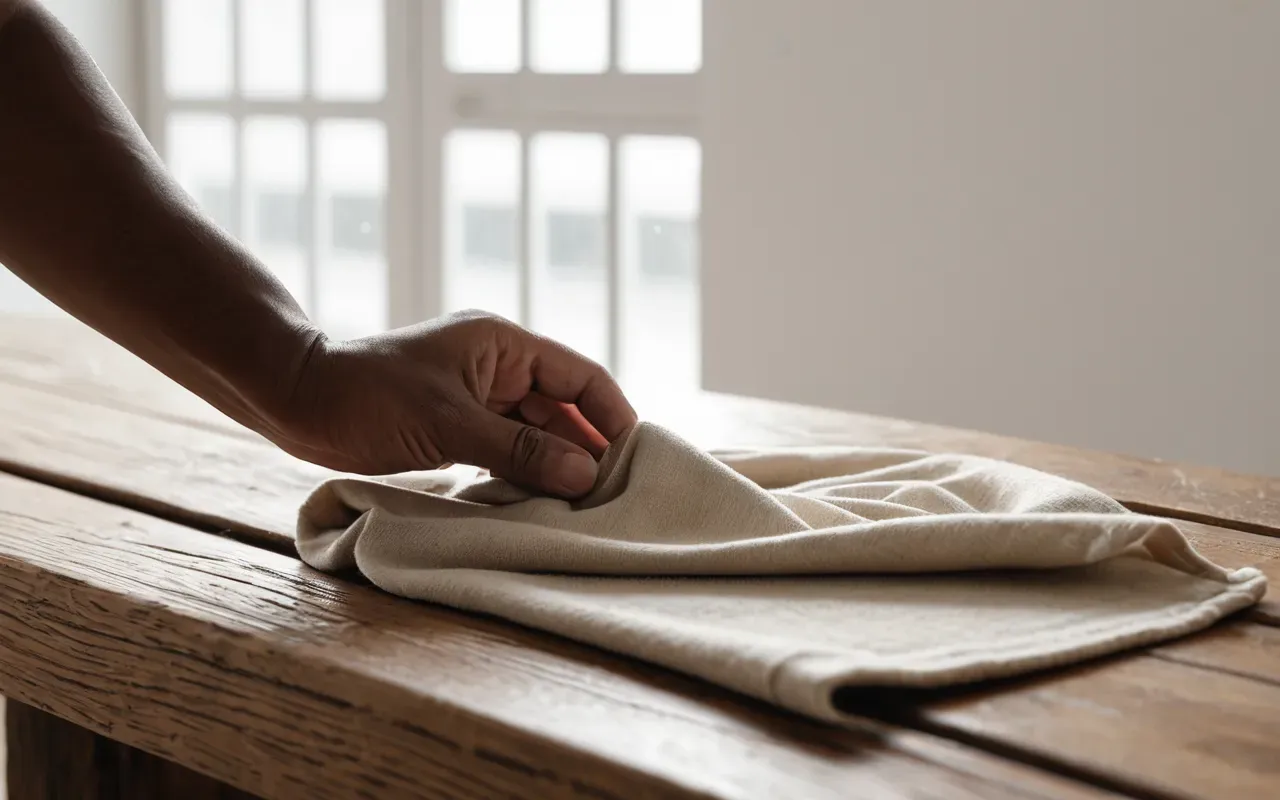
Use a soft damp cloth with plain water instead. Dry immediately to prevent warping of the delicate interior panels.
Once a year, rub in a small amount of beeswax. It restores the sheen and adds another layer of protection.
Storing Loose Chains Safely Inside
Loose chains tangle easily in flat trays. Use a small wooden dowel or peg inside the box.
Hang your necklaces over that peg. It prevents kinking and keeps the links aligned for years.
This one small change turns a basic box into an organized display station. Saves you hours of untangling, too.
Real Stories from Jewelry Collectors
I spoke with Sarah, a designer in Portland, who moved her entire client base over to wooden cases.
She reported a thirty percent drop in tarnish complaints within six months. Her customers noticed the difference right away.
Another collector, Mark in Austin, told me his vintage silver rings stopped looking dull. He blamed the old plastic box.
Once he moved them to a cedar tray, the shine came back. He'd been cleaning them perfectly the whole time.
The Emotional Value of a Well Made Box
There's something comforting about opening a heavy wooden lid. It feels substantial and real.
Plastic snaps open with a cheap click. Wood creaks a little as it releases tension.
That sound signals quality. It tells you someone cared enough to build something durable and beautiful.
Your jewelry is a reflection of your style. The box holding it should reflect that same intention and care.
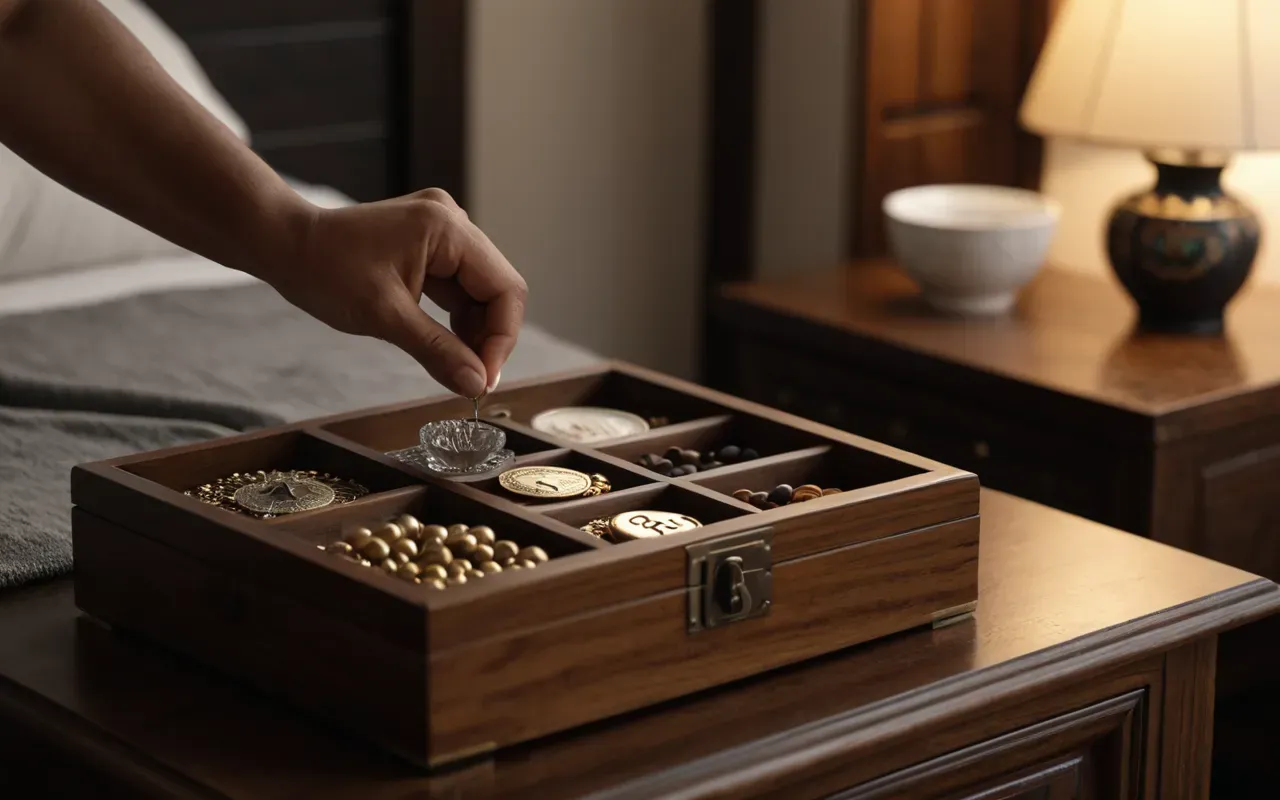
Investing in Long Term Beauty
A quality wooden box can last decades. It might even outlive the jewelry inside it.
I have a box from my grandmother that's fifty years old. Still looks pristine despite daily use.
That kind of longevity is rare in today's market of disposable goods. It stands out for all the right reasons.
Frequently Asked Questions
Why is a wooden box better than plastic for jewelry?
Wood doesn't off-gas chemicals that tarnish metal or damage delicate stones. It also stabilizes humidity better than vinyl, preventing mold and drying out organic materials like leather.
How often should I oil my wooden jewelry box?
Apply natural wood oil once every six to twelve months. This restores the finish and protects against drying out in low humidity environments like heated homes.
Can I use any type of wood for this purpose?
Hardwoods like oak, maple, or walnut are best. Softwoods may dent easily under heavy jewelry and don't hold oil finishes as well over time.
What should I avoid putting inside a wooden box?
Avoid items with loose stones that can scratch the wood surface. Use soft felt or cotton pads to cushion hard metals and prevent permanent marks on the interior.