The Algorithm Cannot Paint A Flower
Look at your phone right now. I bet it is showing you another algorithmically generated outfit. The feed is endless. It is optimized. It is designed to make you click. But have you ever stopped to wonder what happens when a machine tries to paint a flower on a ring? I was struck by the sheer audacity of Matthew Campbell Laurenza. He runs M.C.L. Design from a Bangkok atelier. It is 2026. The world is obsessed with efficiency. Laurenza is obsessed with the messy, beautiful chaos of the human hand.
And here is the thing. Most luxury brands are rushing toward computer-aided design. They want perfection. They want identical copies stamped out in seconds. Laurenza refuses. He keeps 10,000 original designs in his archive. That is not a stockroom. That is a rebellion. Every single piece is a testament to a mind that refuses to be automated. When you wear an M.C.L. piece, you are wearing a ghost of a moment that can never be replicated by a server farm.
I remember visiting a similar workshop years ago. The smell of metal and enamel is distinct. It smells like history. Laurenza approaches jewelry making as wearable sculpture. He does not just set stones. He builds worlds. The brand has been blazing a chromatically intense trail since 1998. That is nearly three decades of resisting the grey sludge of fast fashion. Your mileage may vary, but I think this dedication to color is exactly what the modern wardrobe is missing.
Why Cold Enamel Is The Ultimate Flex
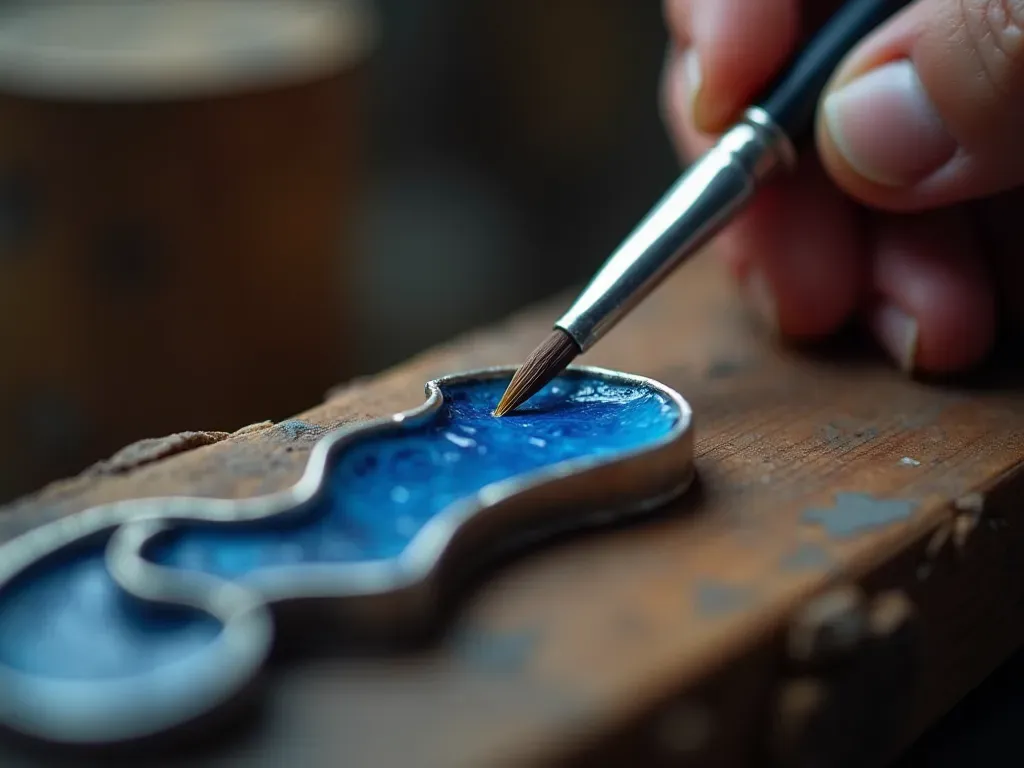
Let's talk about the enamel. This is where the magic happens. Laurenza uses hand-painted cold enamel on precious metals. It sounds simple until you try it. One wrong brushstroke and the entire piece is ruined. There is no undo button in a Bangkok workshop. The artisans paint abstract, opulent, and nature-inspired designs. The result is a vibrancy that digital rendering simply cannot capture. Light hits the enamel differently than it hits a printed surface. It glows from within.
You can see this in the biomorphic cuff bracelets. They are swathed in colored sapphires and then painted. The interior design is just as detailed as the exterior. Most brands hide the inside of their jewelry. They know you will not look. Laurenza knows you will feel it. The ergonomic fastening is secure. It feels great against the skin. It is a sensory experience. The enamel adds a tactile dimension that smooth metal lacks. It is subtle, but your brain registers the difference immediately.
Laurenza explains that successful jewelry must create multiple impacts. It needs to be sensory, functional, and expressive. The cold enamel delivers on all three fronts. It catches the eye. It rests comfortably. It tells a story of human patience. In a world where everything is instant, waiting for a hand-painted detail feels radical. It forces you to slow down. It demands appreciation. And honestly, that is a luxury we desperately need.
The 2008 Crash And The Psychology Of Sparkle
History has a funny way of repeating itself. Think back to 2008. The global financial market melted down. Panic was everywhere. People lost fortunes. You would think luxury sales would vanish. They did not. In fact, M.C.L. Design thrived. Laurenza launched in Bergdorf Goodman and Neiman Marcus right during the crisis. It seems counterintuitive. Why buy jewelry when the economy is crumbling? The answer lies in human psychology.
People were desperate for a mood boost. The world felt grey and uncertain. They needed color. They needed something beautiful to hold onto. Laurenza positioned his brand perfectly. The designs were vibrantly colored and richly textured. But here is the key. The pricing was accessible to those with expensive tastes but empty portfolios. It was affordable luxury. You could buy a statement piece that felt opulent without bankrupting yourself. That is a brilliant strategy.
Laurenza recalls that his jewelry fitted the bill then, and the same holds true today. Economic uncertainty always brings a craving for tactile comfort. We crave beauty. We crave the tangible. A pavé-set ring with robin's egg blue enamel is a meditation on calm. It is a small, manageable joy. You can control how it looks. You can control how it feels. In chaotic times, that control is priceless. And the market always rewards those who understand this emotional undercurrent.
When Gossip Girl Met High Art
You cannot talk about M.C.L. Design without mentioning pop culture. The brand received massive worldwide exposure on the Gossip Girl television series. It ran on the CW network from 2007 to 2012. Lead actors wore the jewelry in every single episode. That is huge visibility. It embedded the aesthetic into the collective consciousness of a generation. We keep seeing those bold, colorful statements on our feeds today. The influence is undeniable.
A-list actors also adorned themselves with these pieces for red carpet events. They chose M.C.L. over traditional diamonds. Why? Because diamonds are safe. They are expected. M.C.L. Design is unexpected. It screams individuality. The cocktail rings are cosmically colorful. They stand out in a sea of black ties and white gowns. Even now, in 2026, the nostalgia for that era is palpable. The reboot of the series on HBO Max kept the flame alive. The aesthetic has aged like fine wine.
I was reminded of this while reviewing the archive. The designs have not changed much, and that is a good thing. The floral detailing remains intricate. The curvilinear Art Nouveau influences still feel fresh. The Art Deco architectural concepts are timeless. You can wear a piece from the early 2000s and it looks completely modern. That is the definition of classic. It is not about chasing trends. It is about establishing a language that outlasts them all.
A Sanctuary For Endangered Skills
Let's shift gears to the ethics. This is where M.C.L. Design truly shines. Laurenza lives above his Bangkok atelier. He is not a distant CEO. He works alongside 36 artisans every day. He supervises the process. He knows their names. He knows their struggles. This proximity ensures that traditional jewelry making skills are preserved. It is not just a business model. It is a cultural mission. If you are curious about the hidden truth about sustainability in handmade jewelry, this is the gold standard.
Laurenza realized long ago that preservation requires fair wages. MCL Design pays Fair Trade wages. They also pay taxes that fund Thai national health insurance coverage for his employees. That is a massive commitment. Many brands talk about ethics. Few actually fund healthcare for their workers. This stability allows artisans to focus on their craft. They do not have to worry about the next meal. They can bring their best energy to the bench. The quality of the jewelry reflects this security.
He also brings in apprentices. This is crucial for the future. Skills are dying out. Young people are not learning to set pavé stones by hand. They are not learning to paint enamel. Without apprenticeship, these techniques vanish. Laurenza is fighting a losing battle against automation, but he is fighting it with integrity. He ensures that Thailand avoids the fate of other jewelry hubs. He is protecting the soul of the industry.
The Ghosts Of Hong Kong And Myanmar
You need to understand the regional context. Myanmar, Hong Kong, and Cambodia were once vibrant centers of fine jewelry design. They had incredible craftsmanship. But civil war and economic disasters decimated the industry in Myanmar. The Khmer Rouge regime wiped out applied arts in Cambodia. These cultures lost significant amounts of their intangible cultural heritage. It is a tragedy. The knowledge was erased along with the people.
Hong Kong faced a different enemy. Real estate values skyrocketed in the late 1990s. Jewelry businesses could not afford to rent buildings. They got priced out. The industry shrank accordingly. Automation moved in. Cheap production took over. Laurenza sees this pattern clearly. He strives to help ensure Thailand avoids a similar fate. His atelier is a fortress against this erosion. It keeps the flame of traditional fabrication burning bright.
Computer-aided design threatens the existence of labor-intensive jewelry. Automated production technologies prioritize speed over soul. Low retail costs of mass-produced jewelry lure consumers away from quality. Laurenza pushes back. He is a fine arts university graduate and a bench jeweler. He understands the art. He knows that jewelry making is a manifestation of sculpture. This belief keeps him inspired. It motivates his team despite the tumult of global disruptions.
Biomorphic Shapes And The Human Form
The designs themselves are fascinating. They draw from ancient Aztec ruin motifs. They incorporate Egyptian-inspired sculpture. There is intricate floral detailing everywhere. The curvilinear Art Nouveau design is a constant thread. You see reimagined European jewelry traditions mixed with explosions of color from Asia. It is a cosmopolitan fusion. The pieces feel global, yet deeply rooted in specific artistic movements. The enamel work accents these influences perfectly.
Take the 18-karat gold 'Iris' statement ring. It is pavé set with pink and green sapphires. The life-like petals cradle large colored stones. It is a floral composition that blooms on your finger. Or look at the ring with black-sapphire studded spiders. They hang in elegantly suspended animation on the sides. It is spooky, but undeniably chic. These pieces are conversation starters. They refuse to be ignored.
The sensual dogwood flower cuff bracelet is another masterpiece. It features pavé colored sapphire flowers and leaves. The shape is earthy and delightful. It blossoms on your wrist. Laurenza has a knack for translating nature into metal and stone. The botanical details are finely detailed. You can almost feel the texture of the leaves. It is jewelry that breathes. It connects you to the organic world in a very direct way.
Colored Sapphires Versus The Diamond Monopoly
Why sapphires? This is a great question. Diamonds dominate the luxury market. They are pushed relentlessly. But sapphires offer something diamonds cannot. They come in every color of the rainbow. You can find sapphires in pink, green, blue, and yellow. This allows for incredible creative freedom. Laurenza uses them to build vibrant palettes. A pavé set of mixed sapphires creates a kaleidoscope effect that clear stones simply cannot achieve.
The blue topaz rings are another favorite. They are pavé set with sapphires and painted with robin's egg blue cold enamel. It is a meditation on blue. The shades blend seamlessly. The architectural elegance of the setting provides a strong frame for the softness of the enamel. It balances structure and fluidity. This combination is rare in mainstream jewelry. Most brands stick to one material or one technique. M.C.L. Design refuses to choose.
Styling these pieces in 2026 is easy. The colors are bold, but they are sophisticated. You can wear a flamboyantly sculpted colored sapphire ring with a simple white shirt. It becomes the focal point. It elevates the entire outfit. You do not need to dress up to wear M.C.L. Design. The jewelry does the work for you. It adds a layer of luxury and intrigue to any ensemble. That is the power of a well-designed statement piece.
Styling The Unstoppable M.C.L. Aesthetic
How do you actually wear this? I get asked this a lot. The fear is that colorful jewelry looks costumey. It does not have to be. The key is balance. If you wear a bold biomorphic cuff, keep the rest of your look clean. Let the jewelry scream. The hand-applied cold enamel paint design draws the eye. You do not need other competing elements. A tailored blazer and dark jeans work perfectly. The contrast between the rugged denim and the delicate enamel is striking.
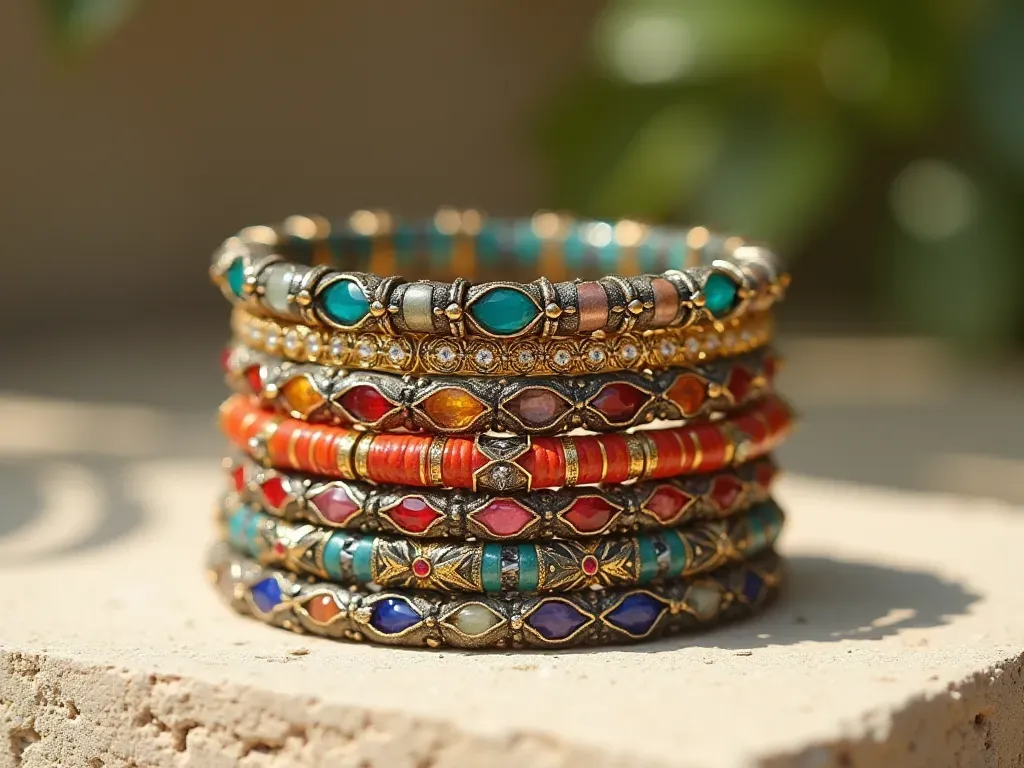
Layering is another option. The hinged and bangle bracelets in sterling silver are ornately hand-painted. You can stack them with turquoise bracelets. This embodies artistic influences from ancient Egypt and the Ottoman Empire. It also nods to Retro jewelry from the 1940s. The mix of textures and eras creates a rich narrative on your wrist. It tells people you have a deep appreciation for art history. And if you want more ideas on elevating style with handmade jewelry innovations, this stacking technique is essential.
The Bohemian bracelet stack is inspired by Central Asian tile work. It features Byzantine mosaics and Moorish art influences. The hand-enameled and precious gemstone-studded pieces embody a richly cultured attitude. It appeals to jewelry lovers of all nations. You can wear this look to a garden party or a gallery opening. It fits both settings. The versatility is impressive. The craftsmanship holds up under scrutiny, but it also feels playful.
The Psychology Of Vivid Gemstones
Color affects our mood. This is a scientific fact. Wearing vibrant jewelry can elevate your spirits. Laurenza notes that our turbulent times reaffirm humanity's primal need for color. After tools and paintings, jewelry was the next life-enhancing object humans began making. We have been wearing jewelry for approximately 100,000 years. It is deeply ingrained in our DNA. We crave adornment. We crave the sparkle.
Jewelry is an applied art form. It symbolically proclaims individual identity and status. As long as we are alive, we will take pleasure in adorning ourselves. We want to be admired. It is a basic human desire. M.C.L. Design taps into this desire. The pieces are designed to catch the light. They are designed to catch the eye. They make you feel seen. They make you feel special. That is the true value of luxury.
We continue buying and gifting jewelry on special occasions. Holidays, birthdays, Valentine's Day. Jewelry is symbolic. It touches us deeply. It may live on our bodies, but it also brings meaning to our emotions. It holds memories. It represents aspirations. A ring from M.C.L. Design is not just a purchase. It is a milestone. It marks a moment in time. The vibrant colors ensure that the memory stays bright.
Why You Should Stop Searching For Perfection
The algorithm wants perfection. It wants smooth curves and identical sizes. But perfection is boring. It is sterile. Handmade jewelry has character. You can see the brushstroke in the enamel. You can feel the slight variation in the stone setting. These are not flaws. They are signatures. They prove a human made it. If you are tired of why your mass produced ring is actually a trap, you need to embrace these imperfections. They are the soul of the piece.
Laurenza would never say this himself, but the range here is genuinely staggering. The archive holds more than 10,000 original designs. That's not just a collection—it's a whole universe of ideas. He's clearly rejected the single-hit wonder approach, and honestly, we're all better for it. M.C.L. Design has something for absolutely everyone. Maybe you're into those delightfully creepy spider rings. Or perhaps the lush, trippy pearl bracelets are more your speed. Either way, there's a piece waiting for you. The sheer breadth of the inventory speaks to decades of relentless, joyful creation.
Take the sterling silver bracelets, for example, with their psychedelic pearls and colorful gemstones. The hand-painted enamel in luscious purple and fuchsia practically vibrates with energy. Pavé colored sapphires catch the light and throw it right back at you. It's seriously psychedelic. It's fun. And it's unapologetic about it. Look, fashion is supposed to be fun. Somewhere along the way, we all got a little too serious. But this jewelry? It's a nudge to play, an invitation to experiment. And honestly, that's a lesson we could all stand to relearn.
At its core, M.C.L. Design is more than just a jewelry brand. It's a preservation project, a style movement, and a living reminder of what human skill can create. Laurenza is keeping the flame burning bright. He's proving the algorithm wrong, piece by piece. Because the algorithm can't replicate a human heart. It can't fake the work of a hand. And it certainly can't capture the pure joy of wearing a piece of art made just for you. That's a victory worth celebrating.