The Hidden Power Shift in the Jewelry Industry
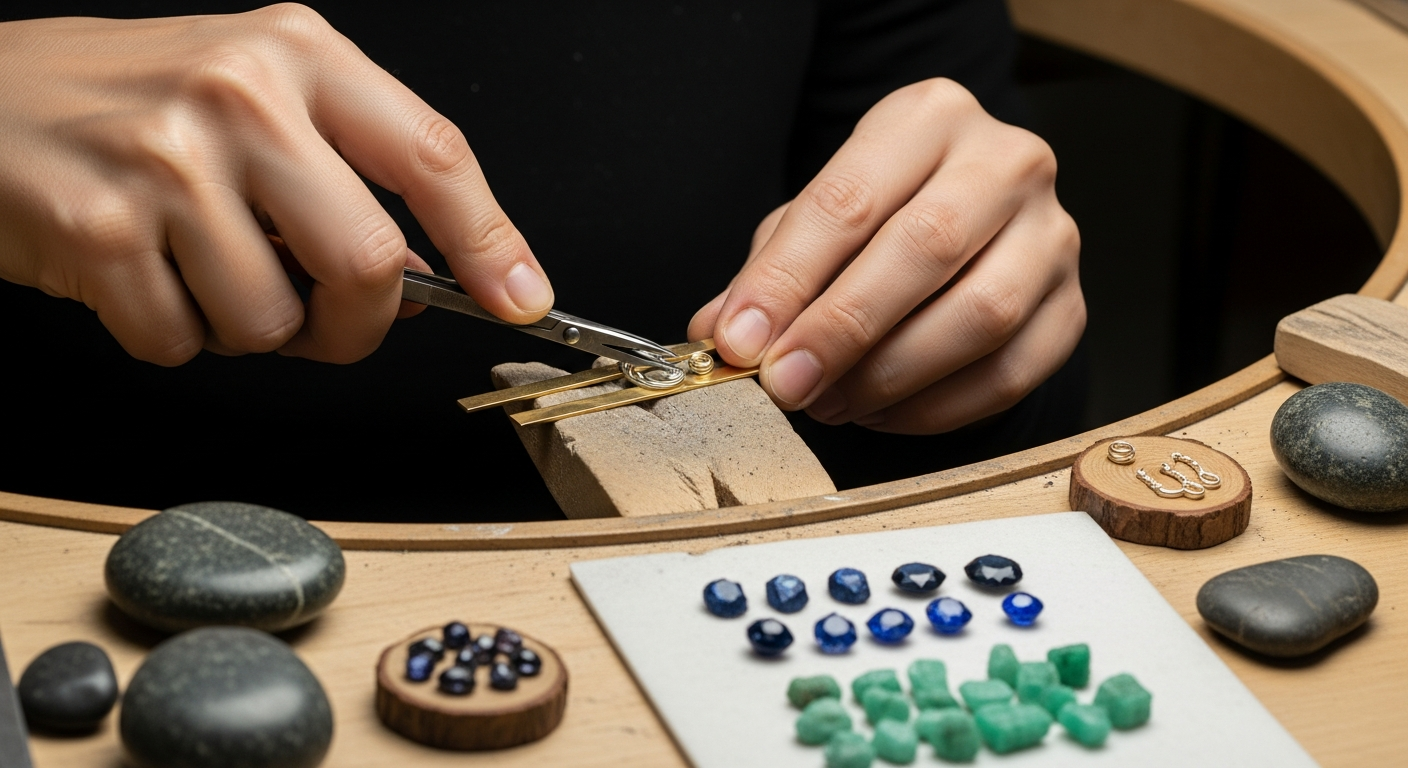
In recent years, a quiet revolution has been unfolding within the global fashion landscape—a shift that de-prioritizes the traditional dominance of luxury conglomerates and mass-market brands in favor of a burgeoning wave of independent, artisanal jewelry creators. This movement isn't just about aesthetics; it signifies a fundamental redefinition of influence, value, and authenticity in the world of accessories. Once, the biggest names dictated trends from their sprawling ateliers, wielding their power with marketing budgets, celebrity endorsements, and extensive retail networks. Today, however, the most compelling stories are emerging from small studios that prioritize craftsmanship, sustainability, and personal connection over sheer volume. This paradigm evolution is fundamentally altering which brands hold sway over consumer preferences, with handmade jewelry increasingly challenging the former titans of the industry. This isn't merely a niche trend; it signals a potential reshaping of who wields influence in the fashion ecosystem and how value is assigned in the marketplace.
The Contradiction of Power in Authenticity
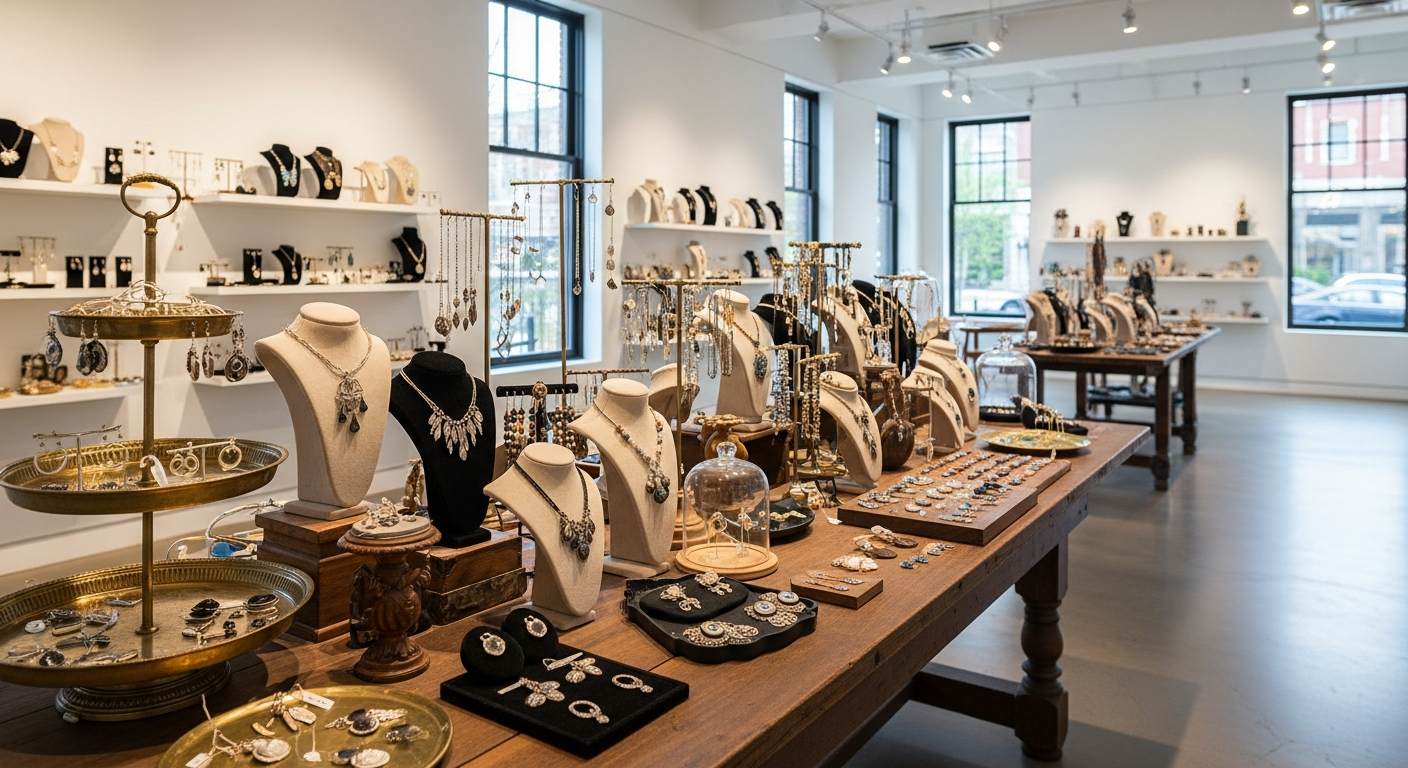
The all-too-familiar narrative of dominance within fashion has often centered on the brands capable of mass production, strategic marketing, and global distribution. Yet, the rise of handmade jewelry underscores a fascinating contradiction: authenticity and uniqueness have become new forms of power that challenge the old gatekeepers. Consumers, especially the younger generations—millennials and Gen Z—are prioritizing brands that tell a story, embody ethics, and practice sustainability. The artisanal movement illustrates that influence now extends beyond advertising budgets; it’s rooted in transparency, craftsmanship, and the emotional resonance of the product. Brands like Nua Cycle exemplify this shift by blending creativity with eco-conscious values, quietly rebalancing the scales of influence away from industry giants.
Who Really Benefits From This Disruption
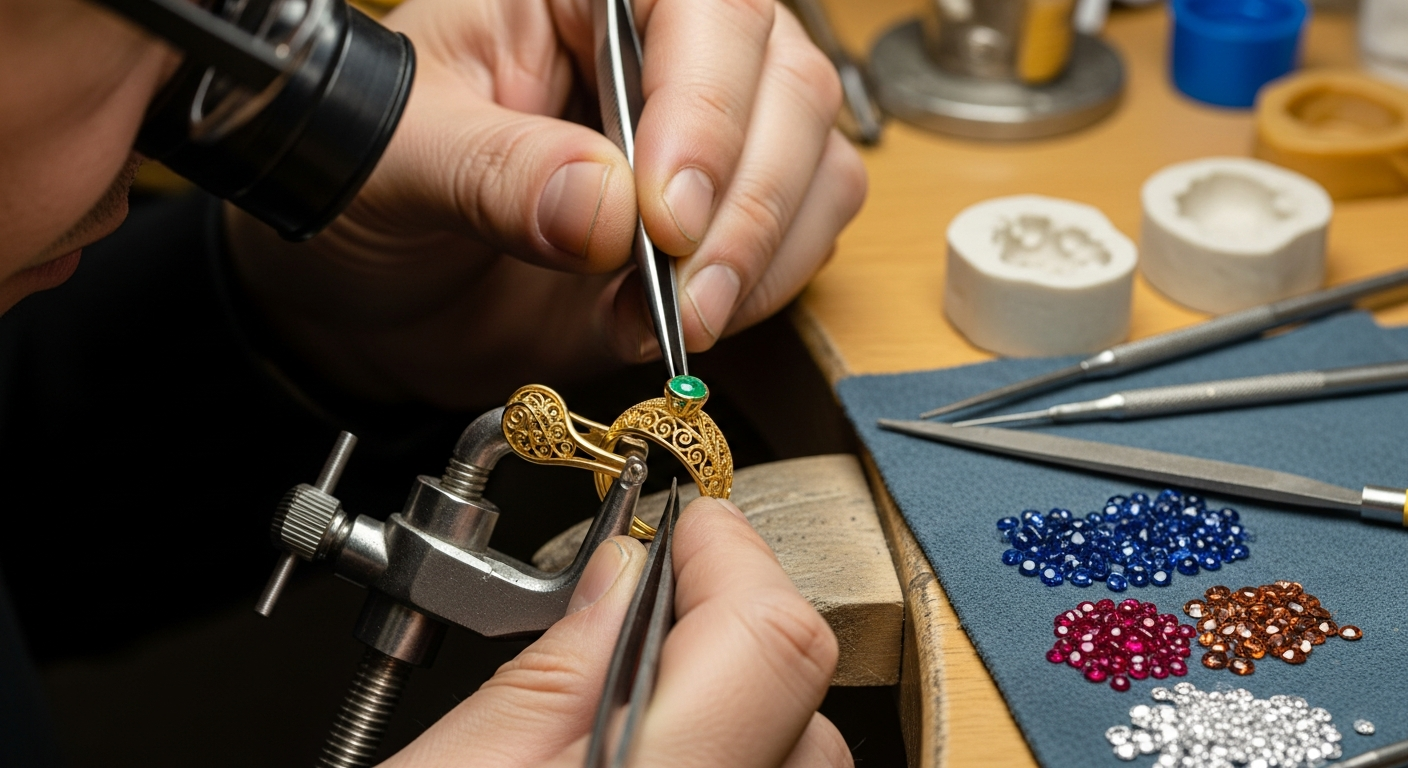
As this shift gains momentum, the true winners are the independent artisans and small studios that have often been sidelined by the traditional industry powerhouses. These brands are redefining the standards of luxury—not necessarily through price tags, but through storytelling, sustainability, and artistic integrity. Consumers are increasingly discerning, seeking pieces that embody their values and offer something singular—a handcrafted item with a story behind it. Brands like Nua Cycle and others that emphasize eco-conscious practices and artisanal techniques are gaining influence, directly challenging the monopoly of well-established luxury brands. This change indicates a wider cultural shift towards valuing authenticity and sustainability over superficial glamour, leaving the traditional power structures vulnerable to even modest but genuine craftsmanship.

The Global Impact of Local Artisans on Fashion Norms
The ripple effect of this paradigm shift extends well beyond local studios, influencing international fashion conversations and consumer expectations. As global awareness of environmental and ethical issues increases, so does the appetite for products that align with these values. Handmade jewelry serves as a tangible expression of this ethos, connecting consumers to their purchases in a way mass-produced items often cannot. This cultural change challenges dominant narratives about luxury and influence, which have traditionally been controlled by conglomerates with extensive marketing machinery. Instead, influence is now rooted in storytelling, provenance, and the tangible impact of supporting small-scale artisans. The evolution is further accelerated by online platforms and direct-to-consumer models, allowing independent brands to reach a broader audience without the gatekeeping of traditional retail. This confluence of social consciousness and new technology is giving rise to a more democratized and ethically driven fashion landscape.