The Invisible Cost of Convenience in Modern Jewelry Manufacturing
Look at your favorite accessory right now. Is it perfect? Does every curve mirror the other side with robotic precision? If so, you are holding a product of efficiency, not artistry. We have been conditioned to equate symmetry with quality in our daily lives.
But here is the thing that most retailers will never tell you. That perfection is a trap. It means your piece was likely cast in a mold and finished by machines designed for speed, not longevity.
I recently spoke with Ken Bowers, an artisan in Metairie, Louisiana. His perspective changed how I view every piece of jewelry I own. He argues that handcrafted work reflects time and experience.
Mass-produced items are built to be replaced. When a clasp breaks or a stone falls out, the cost of repair often exceeds the value of the item itself.
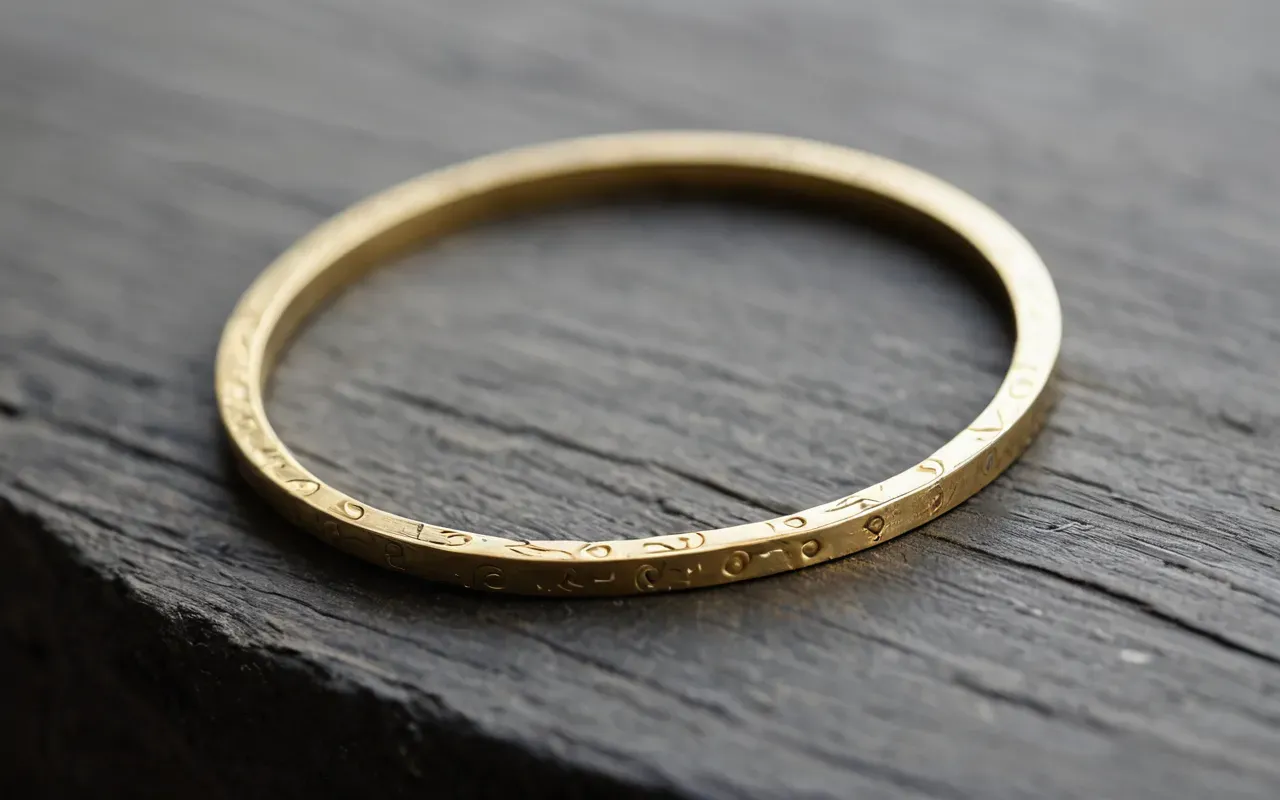
The Myth of Uniformity Why Imperfection Is Actually A Feature
We live in an era obsessed with flawlessness. Algorithms feed us images of identical products until we forget that nature is rarely uniform.
Handcrafted jewelry embraces variation. Every file mark tells a story of human intervention. These subtle differences are not mistakes; they are signatures.
Ken Bowers notes that individual craftsmanship gives each piece a unique character. This is crucial for sustainable fashion because uniqueness fosters emotional attachment.
When you love a piece deeply, you do not throw it away. You repair it. This mindset shift is what disrupts the fast fashion cycle.
Consider the hidden truth about sustainability in handmade jewelry. It is not just about materials. It is about the lifespan of the object.
Understanding The Emotional Investment In Artisanal Pieces
There is a profound psychological difference between owning a commodity and owning art. A mass-produced ring is interchangeable.
A handcrafted pendant carries the energy of its maker. You know someone held that metal. They shaped it with intention.
This connection matters more than we admit. In a world of digital noise, tangible authenticity provides comfort.
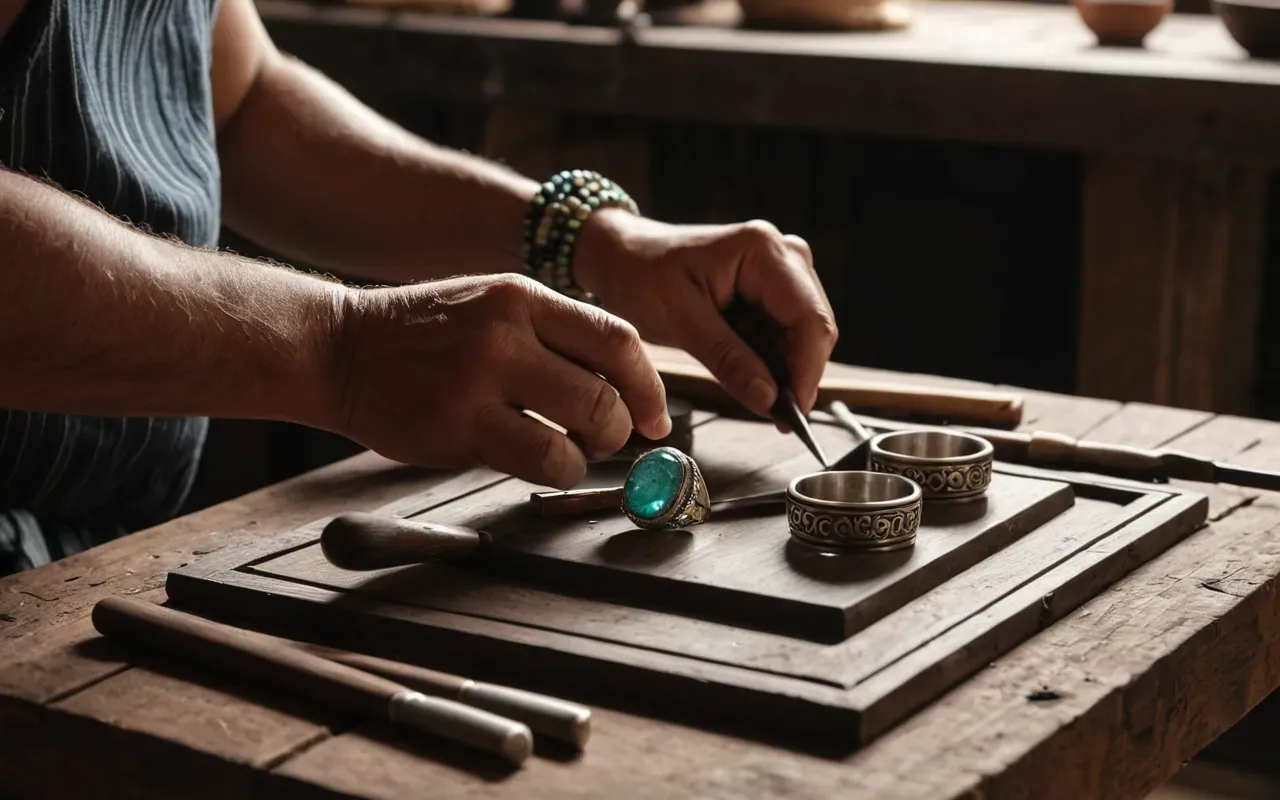
Repairability As The Ultimate Luxury Feature You Are Ignoring
Let us talk about construction. Most fast fashion jewelry uses ultrasonic welding or weak alloys to save costs.
These methods make repair nearly impossible. Once it breaks, it is dead. Handcrafted pieces use traditional soldering and fabrication.
This means a skilled jeweler can resize it. They can replace stones or fix broken clasps without compromising the design.
Think of your grandmother's ring. It likely survived decades because it was built with these traditional techniques.
KenWorks in Metairie specializes in this kind of longevity. They design pieces that can evolve with you.
Traditional Soldering Versus Modern Adhesives In Jewelry Making
Adhesives degrade over time. Heat and moisture break chemical bonds. Solder creates a permanent metallic fusion.
This is not just technical jargon. It is the difference between a one-season item and an heirloom.
If you are curious about the art of handmade jewelry and its impact on modern fashion, start by examining how your pieces are assembled.
Customization Freedom Beyond The Standard Size Chart Limitations
Mass production relies on standardization. One size fits all is a myth that ignores human diversity.
Artisans can customize dimensions based on your preferences. They adjust gemstone placement to complement natural variations.
This flexibility is revolutionary for personal style. You are not buying into a trend; you are defining it.
Ken Bowers emphasizes that every design decision is made by the artisan. This direct connection ensures satisfaction.
You can request specific metals. You can choose unusual stone cuts that factories would discard as irregular.
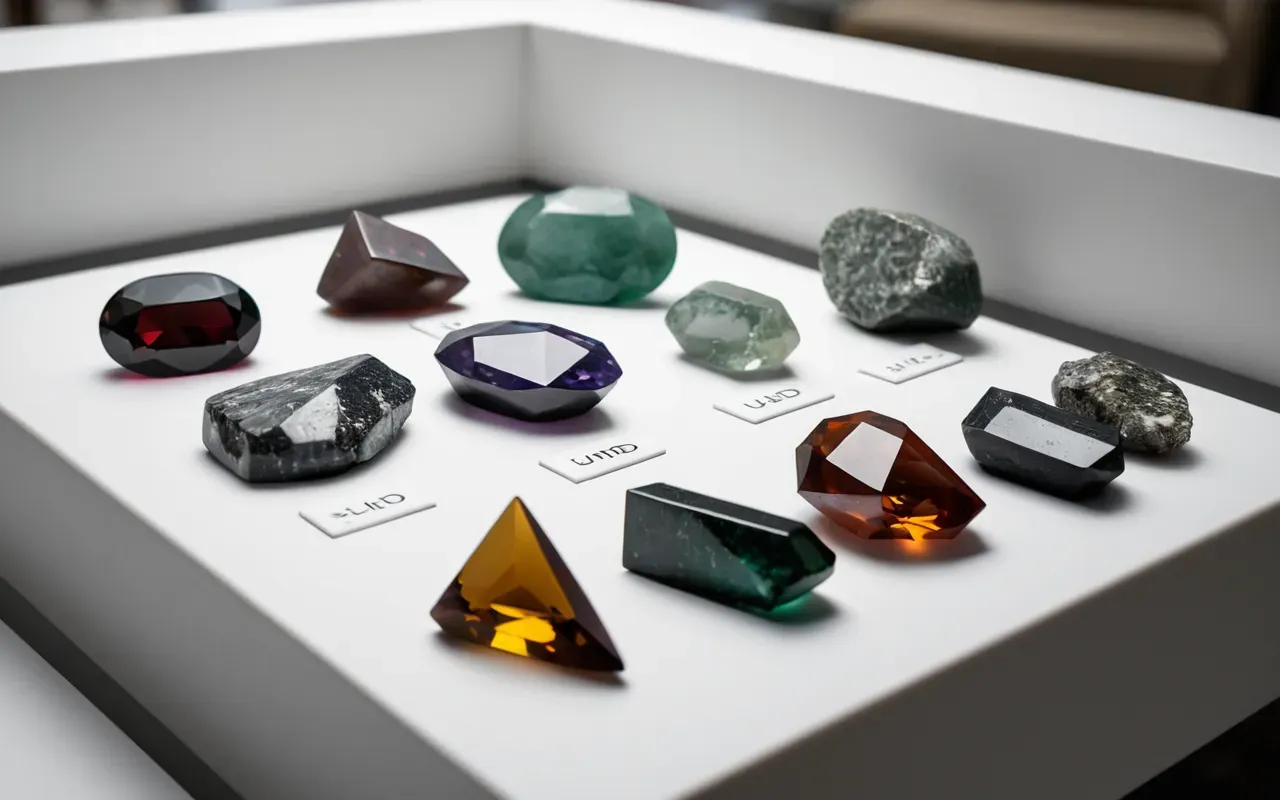
The Time Investment Behind Each Unique Artisan Creation Process
Time is money. That is why handcrafted items cost more upfront.
But consider the hourly rate of your jewelry over ten years. A mass-produced piece might cost less initially but needs replacement.
A handcrafted ring may take weeks to complete. This investment ensures durability and aesthetic richness.
We keep seeing a shift in consumer values. People are willing to pay for quality because they value authenticity.
Why handmade jewelry is quietly disrupting the fashion power dynamics becomes clear when you analyze total cost of ownership.
Calculating The True Long Term Value Of Artisanal Investments
Divide the purchase price by expected lifespan. Mass-produced items often fail within months.
Handcrafted pieces can last generations if cared for properly. The math favors quality every single time.
This is not just theory. It is economics applied to personal aesthetics and sustainability goals.
Preserving Centuries Of Traditional Jewelry Making Skills Today
When you buy handcrafted, you support living history. Techniques like wax carving and milgrain detailing are dying arts.
Artisans keep these skills alive through practice. Your purchase funds their apprenticeships and tool maintenance.
Ken Bowers believes understanding craftsmanship helps people appreciate the work involved. This awareness builds respect for artisans.
It is a choice to participate in cultural preservation rather than industrial consumption.
Sustainable Fashion Choices Through Conscious Accessory Selections
Eco-consciousness is not just about recycled materials. It is about reducing waste through longevity.
Fast fashion generates massive landfill contributions annually. Jewelry is no exception to this rule.
By choosing durable handcrafted items, you reduce your environmental footprint significantly over time.
Why handmade jewelry challenges the very core of sustainable fashion myths lies in this durability factor.
Material selection remains important regardless. Precious metals are used in both types of production.
Ethical Sourcing Practices In Modern Artisan Jewelry Production
Many artisans source ethically. They know their suppliers personally.
Large manufacturers often obscure supply chains to hide labor violations or environmental damage.
Transparency is a feature of the handcrafted model. Ask questions about origin and treatment.
Styling Tips For Incorporating Unique Handcrafted Pieces Daily
Unique pieces deserve thoughtful styling. Do not let them sit in a box gathering dust.
Mix handcrafted items with minimalist basics. Let the artisanal work shine without competition.
Consider the art of accessorizing discovering unique handmade jewelry trends to refresh your wardrobe.
Layer delicate chains with bold statement rings. Contrast creates visual interest and personality.
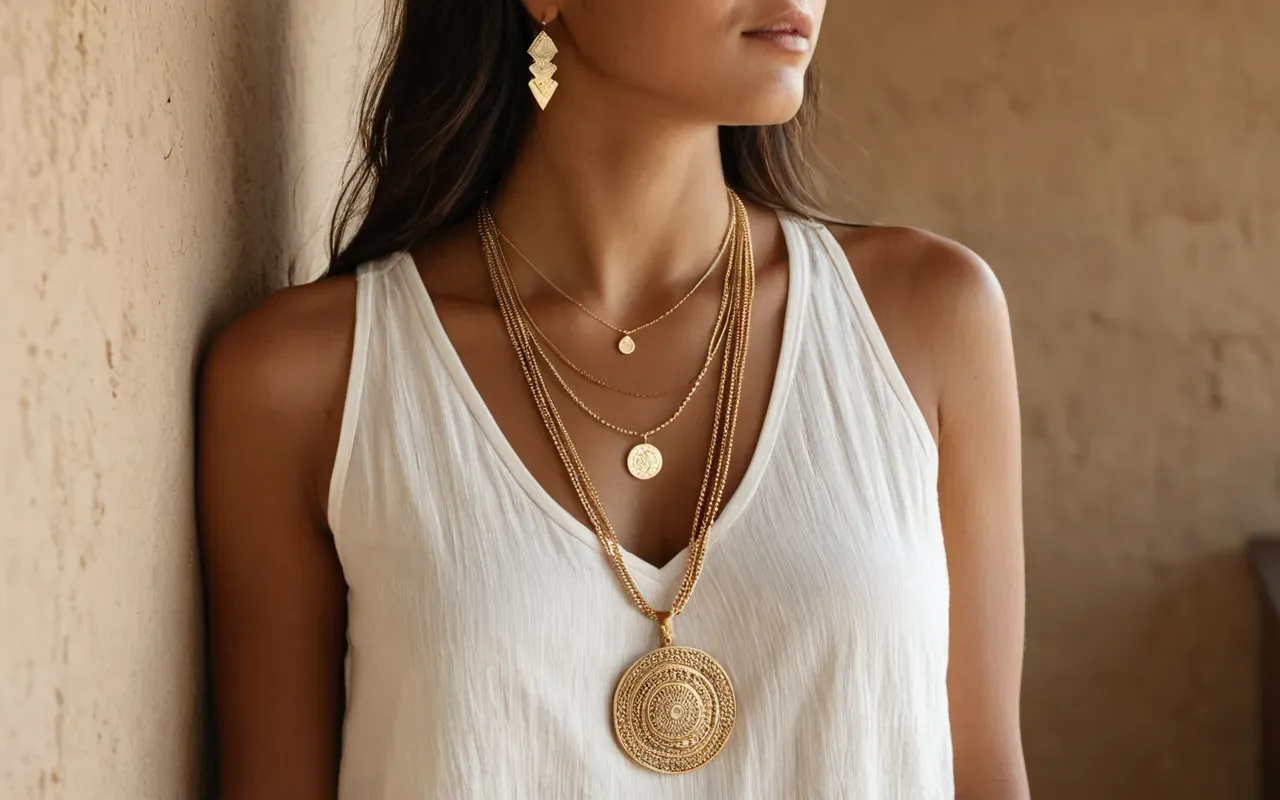
Matching Jewelry Personalities With Outfit Color Palettes Effectively
Warm metals complement earth tones. Cool silvers pair beautifully with blues and greens.
Use your handcrafted pieces to add unexpected accents. A turquoise ring can pop against neutral clothing.
Experiment freely. There are no rules in artisanal styling because each piece is one-of-a-kind.
Caring For Your Heirloom Quality Handmade Jewelry Investments Properly
Proper care extends lifespan dramatically. Clean your pieces regularly with mild soap and water.
Store them separately to prevent scratching. Soft pouches work better than crowded jewelry boxes.
Avoid exposure to harsh chemicals. Perfumes and lotions can tarnish metals over time.
Schedule professional checkups annually. Tighten prongs and inspect clasps before they fail.
Cleaning Techniques For Delicate Gemstones And Metal Finishes Safely
Some stones are porous. Ruby and sapphire can handle ultrasonic cleaners.
Emeralds require gentle handling due to inherent fractures. Consult your jeweler for specific advice.
Silver benefits from anti-tarnish strips in storage. Gold is more resistant to oxidation naturally.
The Future Of Jewelry Lies In Human Touch Not Machine Speed Efficiency
We are at a crossroads. Will we continue consuming disposable goods?
Or will we embrace the beauty of slow fashion? The choice defines our cultural values.
Ken Bowers and artisans like him represent the latter path. They offer depth in a shallow market.
Supporting them ensures these traditions survive for future generations to admire and wear.