The quiet rebellion against the round brilliant
For decades, the jewelry industry ran on one unspoken rule. Round, brilliant cut, diamond — or forget it. I remember standing over ring trays in high-end boutiques years ago, staring at row after row of identical stones. Beautiful, sure. But interchangeable.
Then the shift came. No bang, no viral moment. It crept in through small workshops and niche online retailers instead. Suddenly people wanted pieces that told a story. Irregular shapes. Color.
Angara's recent push into their Artisanal collection feels like the mainstream finally catching up to that underground movement. They're not just selling stones anymore — they're curating personalities through geometry.
Geometry and the search for individuality
Look closely at the Geometry sub-collection. Hexagons, trillions, cushions. These aren't just pretty shapes to me. They're statements of structure.
There's something deeply satisfying about a hexagon cut gemstone. It feels intentional. In a world of chaotic feeds and endless scrolling, clean lines offer a visual pause. I find myself gravitating toward these pieces when I want to feel grounded.
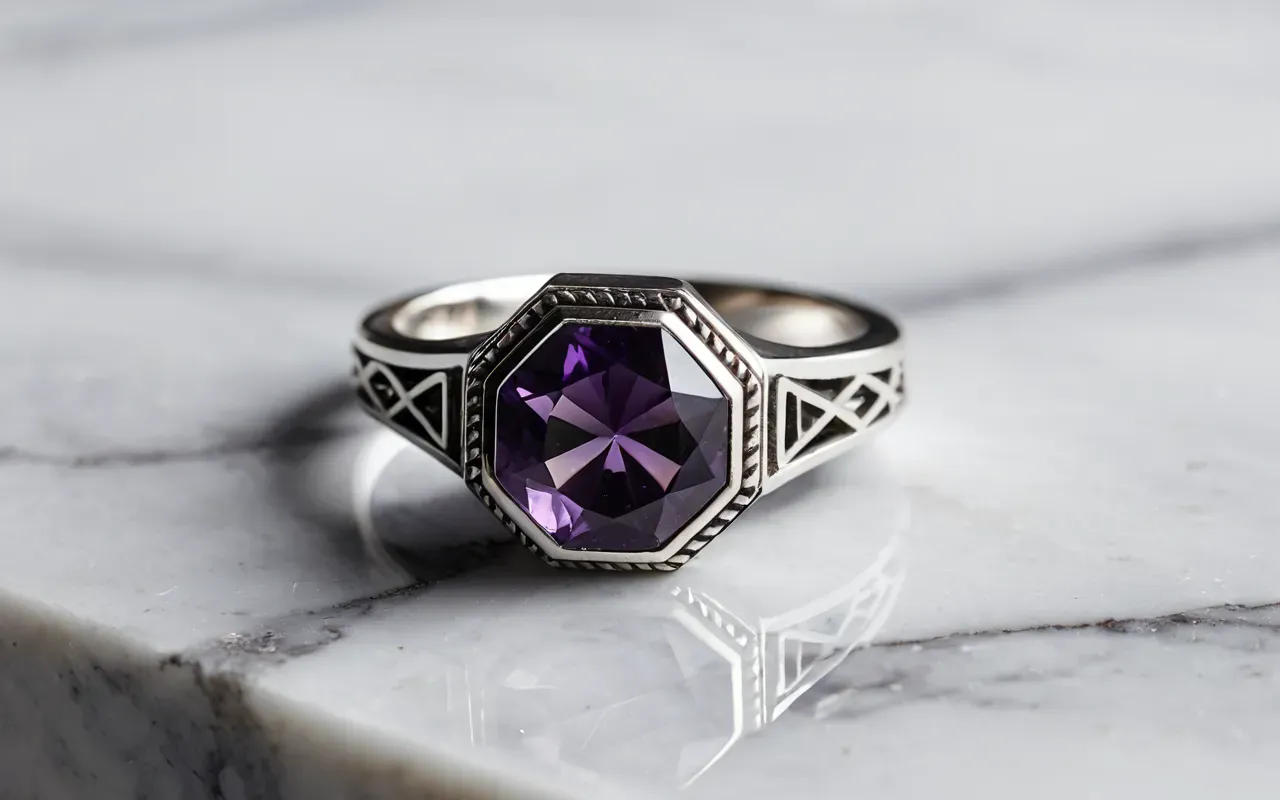
Amethyst and citrine in these settings is a smart move. Affordable enough for everyday wear, rich enough to look luxurious. They bridge high fashion and accessible style.
Why structure matters in modern styling
I've noticed minimalists getting drawn to angular designs. A round pearl feels soft and traditional. An oval citrine feels modern and sharp.
This matters because our wardrobes are shifting. More structured blazers, more tailored trousers. The jewelry has to match that energy. A geometric pendant complements a sharp collar better than a teardrop does.
Earthy Treasure and the return to nature
Here's where it gets interesting. The Earthy Treasure line includes snowflake cuts and floret designs. Not the standard shapes you see in a mall store.
A snowflake is the most unique shape because no two are alike. Using it as a gemstone cut celebrates exclusivity. It tells the wearer they value individuality over uniformity.
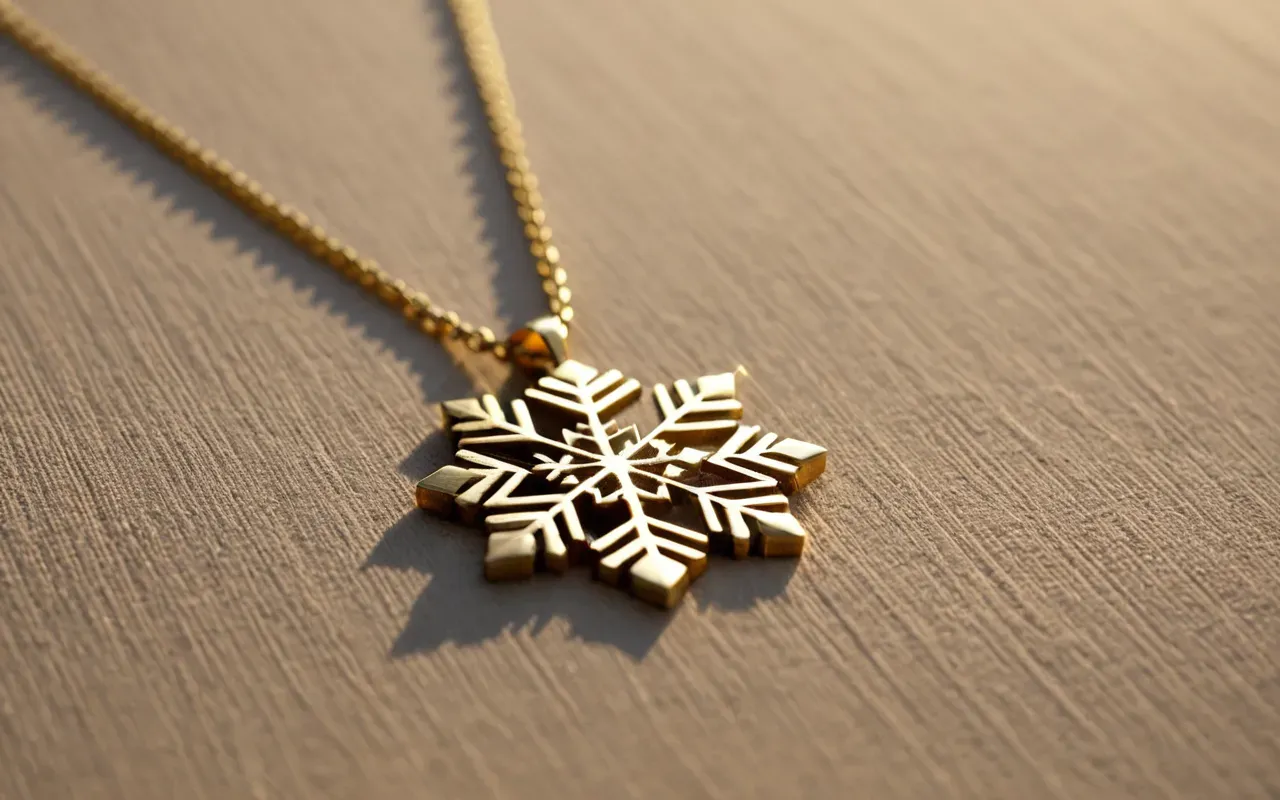
I think this appeals to the eco-conscious consumer. See a snowflake or a leaf-inspired cut, and something clicks emotionally — a connection to the natural world.
The psychology of organic shapes
Design studies suggest humans naturally prefer curves and organic forms. They feel safe and welcoming. A square cut feels rigid. A floret cut feels alive.
That's why I always recommend nature-inspired pieces to clients who want their jewelry to feel personal. It's less about the stone and more about the symbol.
Panache and the boldness of character
Finally, there's Panache. Kites, lozenges, barrels. Whimsical shapes that demand attention.
Wearing a kite-cut gemstone is an act of confidence. It says you're comfortable being different. In a fashion landscape dominated by safe choices, this stands out.
I've seen these pieces in photos from recent fashion weeks. Designers are moving away from logos and toward unique silhouettes. Panache fits this trend perfectly.
How to style unconventional cuts
The key is balance. If your ring is a large barrel cut, keep the rest of your outfit neutral. Let the jewelry be the focal point.
Pair a lozenge pendant with a simple white shirt. The contrast between the bold stone and plain fabric creates visual interest without overwhelming the eye.
The bigger picture of artisanal craftsmanship
Angara's family has been in the gemstone business for generations. That history matters — it informs their understanding of stone quality.
They know how to cut a stone to maximize color and clarity. That expertise is what separates their Artisanal line from generic mass-produced goods.
For us as consumers, this means we're getting a product that respects the material. Not just a pretty rock; a carefully crafted object.
What this means for your jewelry collection
If you've been holding out on buying something new because everything looks the same, now's your chance. The market is finally offering variety.
I suggest starting with a single piece from the Geometry or Earthy Treasure lines. See how it makes you feel. Does it spark joy? Does it reflect your personality?
If the answer is yes, you're ready to move beyond the standard. The future of jewelry isn't about bigger stones; it's about better stories.
The shift away from mass-produced uniformity
We're seeing a broader cultural push against homogeneity. People want their accessories to be as unique as their fingerprints.
This aligns with the rise of handmade and custom jewelry. If you are interested in how local makers are beating big brands, this trend is part of that same movement.
The Artisanal collection represents a bridge. It brings the quality of fine jewelry with the spirit of artisan design.
Why sustainability drives this trend
Sustainable fashion is no longer a niche. It is the standard. Consumers are asking where their jewelry comes from and how it was made.
By choosing a gemstone with a unique cut, you are supporting craftsmanship that values precision over quantity. It is a smarter way to shop.
Final thoughts on the Artisanal movement
The launch of this collection is a sign that the industry is listening. We want more than just sparkles; we want meaning.
Whether you choose a geometric hexagon or an earthy snowflake, the message is clear. Your jewelry should be as unique as you are.
So next time you shop, look past the carat count. Look at the shape. Ask yourself what it represents.
The best jewelry is not the most expensive; it is the one that speaks to your soul.