The Algorithm Trap of Local Jewelry Searches
You type it into the search bar every single day. It feels urgent. You want that specific ring right now, not in three weeks from overseas. The query "handmade jewelry near me" promises immediacy and authenticity. But here is the uncomfortable truth I have noticed while curating pieces for Nua Cycle. That search term is actively working against you.
Google’s local algorithm prioritizes proximity and business density over craftsmanship quality. When you search for handmade items in a dense urban center like New York or Los Angeles, the top results are often large boutiques stocking mass-produced "handmade-adjacent" inventory. These stores pay for high visibility rankings. They do not necessarily house true artisans.
I remember walking into a highly rated shop in Seattle last month. The reviews were glowing. Five stars across the board for customer service and speed. But when I picked up their "artisan" silver cuff, it felt cold and hollow. There was no weight to it. No imperfection that suggested human hands had shaped the metal. It was stamped out by a machine in a factory halfway around the world.
This is not an isolated incident. It is a systemic issue with how we define "local" in the digital age. We equate physical closeness with ethical sourcing and unique design. But geography does not guarantee integrity. A shop ten blocks away might carry the same generic stock as a chain store across town.

The Illusion of Authenticity in Modern Boutiques
Let’s talk about what we mean by handmade. In the context of Nua Cycle and our readers, it means a direct connection to the maker. It means knowing who soldered the clasp or polished the stone. When you rely on broad local searches, this transparency vanishes. You are left with marketing speak.
Many boutiques now use terms like "inspired by artisan techniques" or "small-batch production." These phrases sound lovely. They feel safe and sustainable. But they are often code for limited runs of factory-made goods. The difference is subtle to the untrained eye but massive in impact.
I once bought a pair of earrings from a local market stall. The vendor swore they were hand-strung by a grandmother in her home village. Upon closer inspection back at my studio, I found uniform micro-beading that could only be achieved with high-speed industrial threading machines. The story was compelling. The product was not.
This deception hurts the true artisans we try to support at Nua Cycle. It dilutes the value of genuine craftsmanship. When consumers are flooded with cheap imitations labeled as handmade, trust erodes. People start questioning if any piece is truly special.
Why True Artisans Avoid the Mainstream Radar
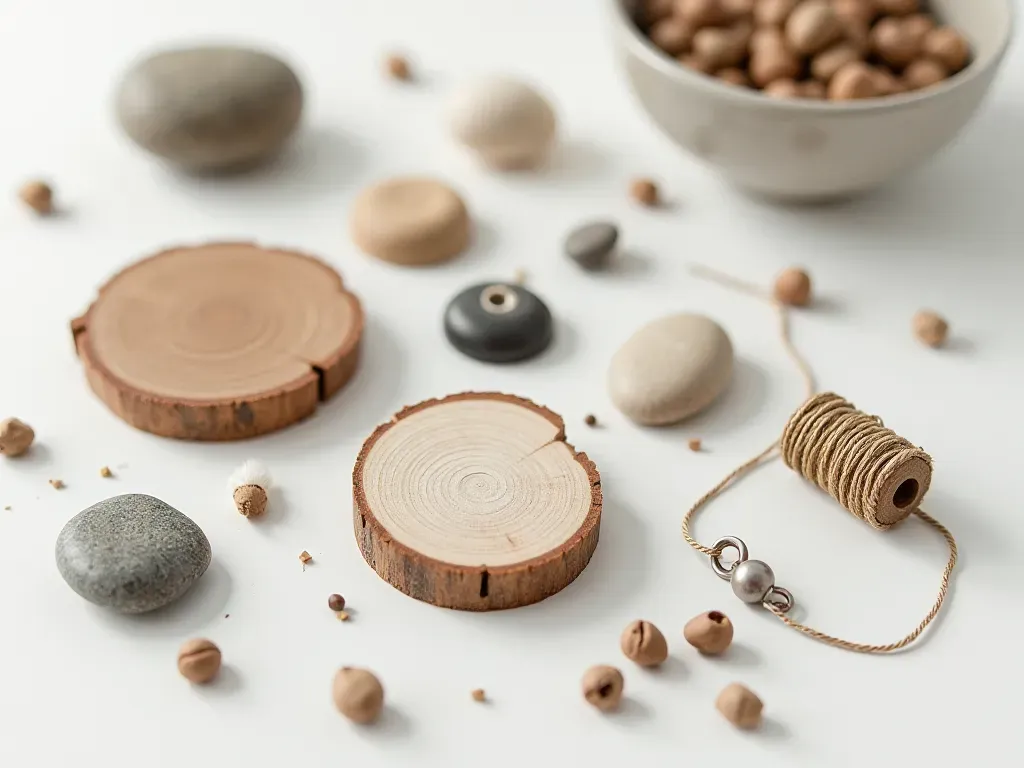
Here is a surprising fact. The best handmade jewelry makers often do not appear in standard local searches at all. Why? Because they operate on different cycles. They work with slow materials like reclaimed wood, ethically sourced gemstones, or recycled metals that require time to process.
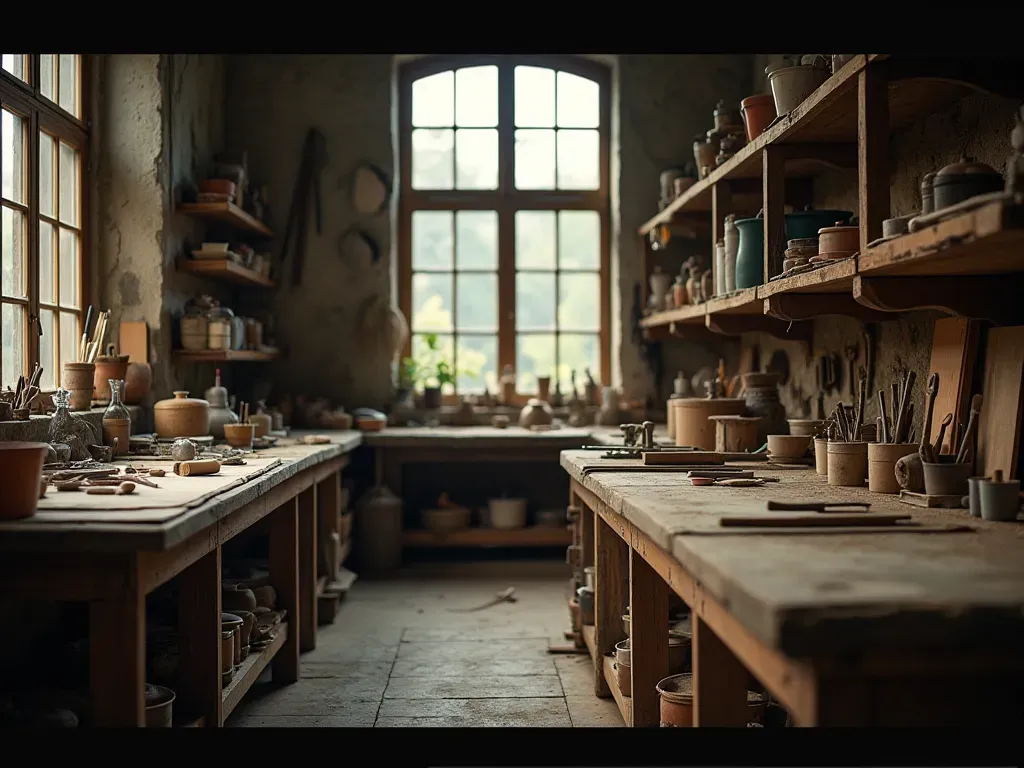
These creators prioritize material integrity over inventory volume. They cannot keep stock ready for immediate pickup. Their studios are often tucked away in residential neighborhoods or creative co-working spaces that lack the digital footprint of commercial retail zones.
In Austin, for example, there is a brilliant silversmith who works only from her garage. She has no website SEO strategy. She relies entirely on word-of-mouth referrals and local art gallery shows. If you search "handmade jewelry near me" in downtown Austin, her name will not appear.
She is invisible to the algorithm. Yet she produces some of the most innovative pieces I have seen in years. Her work challenges traditional forms and uses zero-waste techniques. This is the kind of innovation Nua Cycle aims to highlight, but it requires looking beyond the search bar.
The Hidden Cost of Convenience
When you choose convenience over discovery, you miss out on the story. Jewelry is not just an accessory. It is a narrative object. Each handmade piece carries the intention of its maker. Ignoring this connection reduces jewelry to mere decoration.
I have noticed that readers who engage deeply with the maker’s process tend to value their purchases more highly. They care for them better. They wear them longer. This aligns perfectly with our mission at Nua Cycle to promote sustainable fashion choices.
Understanding Material Provenance
True artisans will always tell you where their materials come from. They are proud of it. If a local shop cannot explain the origin of its silver or the ethical sourcing of its stones, be skeptical. Transparency is non-negotiable in genuine handmade markets.
Look for details about smelting processes or recycling programs. Ask questions. A true maker loves to talk about their craft. They will explain why a particular clasp design is more durable or how the patina develops over time.
How to Find Real Handmade Jewelry in Your Area
So what should you do instead? Stop relying solely on map-based searches. Start engaging with the local creative community directly. Visit independent art fairs and craft markets that feature vetted vendors.
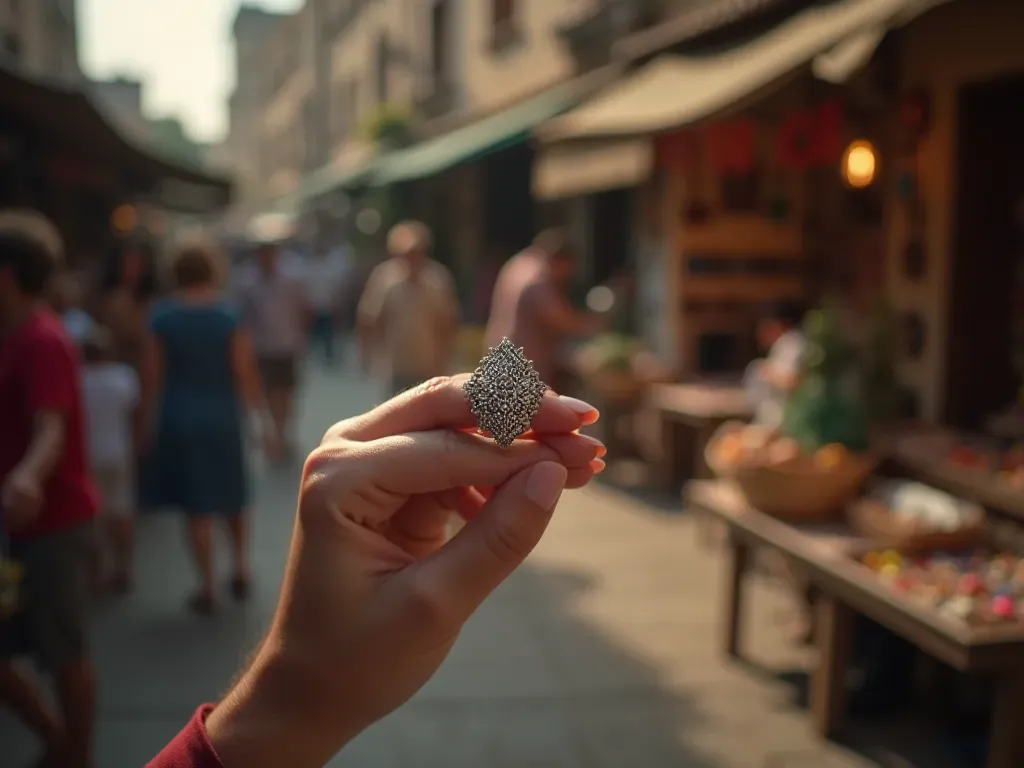
These events are goldmines for discovery. You can meet the makers face-to-face. See how they work. Ask them about their process right then and there. The tactile experience of holding a piece while hearing its story is invaluable.
Also consider following local makers on social media. Many artisans post daily updates from their studios. This gives you a window into their workflow and upcoming collections before they hit any retail shelf.
Nua Cycle curates these connections carefully. We highlight designers who share our values of quality and sustainability. By following trusted sources like ours, you bypass the noise of generic search results.
Building Relationships with Local Makers
Once you find a maker you love, build that relationship. Commission pieces for special occasions. Learn about their upcoming projects. This supports the local economy in a meaningful way.
It also ensures you get access to limited edition items. Many artisans release small batches exclusively for their loyal followers or repeat customers. You become part of the inner circle.
I have seen this firsthand with several designers we feature. Their most unique pieces never appear in general inventory. They are reserved for those who know and care about the craft.
The Sustainability Myth of Local Shopping
There is a prevailing belief that buying local automatically equals sustainable. This is not always true. Local production still relies on energy grids and supply chains that may have significant carbon footprints.
What matters more is the maker’s intention and material choices. A small studio in Portland using recycled brass is far greener than a local boutique selling newly mined gold from questionable sources.
We discuss this extensively in our coverage of the hidden truth about sustainability in handmade jewelry. It is a complex topic that goes beyond zip codes.
Look for certifications or clear statements about waste reduction. Ask if the maker uses renewable energy in their studio. These details reveal true commitment to eco-conscious practices.
Styling Tips for Unique Artisan Pieces
Once you have found genuine handmade jewelry, how do you wear it? These pieces often stand out due to their uniqueness. They demand attention and careful styling.
I recommend letting one artisan piece be the focal point of your outfit. If you are wearing a bold statement necklace from a local maker, keep earrings simple and understated.
This approach highlights the craftsmanship without overwhelming your look. It allows viewers to appreciate the detail and texture of the handmade item.
Mixing vintage finds with new artisan creations can also tell a compelling story. It shows depth of style and a real appreciation for design across different eras.
The Future of Jewelry Discovery in America
As we move further into 2026, consumer awareness is growing. People are demanding more authenticity and transparency. The era of blind trust in search algorithms is ending.
We're seeing a shift towards community-driven discovery. Platforms that verify maker credentials and showcase process videos are gaining traction.
Nua Cycle is proud to be part of this movement. We believe that true style comes from understanding the source of what you wear.
By educating our readers on how to identify genuine craftsmanship, we empower them to make better choices. This supports artisans and elevates the entire fashion landscape.

Frequently Asked Questions
Why does Google prioritize certain jewelry shops?
Google prioritizes businesses with strong local SEO signals like verified reviews and consistent directory listings. This often favors larger boutiques over small home-based artisans who lack digital marketing resources.
How can I verify if jewelry is truly handmade?
Look for slight imperfections that indicate human workmanship. Ask the seller about their production process and material sourcing. Genuine makers are usually eager to share these details openly.
Is handmade jewelry always more expensive?
Not necessarily. While high-quality materials cost money, many artisans offer affordable pieces using recycled or abundant natural materials. The price reflects the maker's overhead and experience level more than intrinsic value alone.
Where can I find reliable artisan jewelry recommendations?
Trusted fashion blogs like Nua Cycle curate selections based on verified craftsmanship and ethical practices. Following these sources helps you discover quality makers without sifting through unreliable search results.
Does buying local support the economy significantly?
Yes, purchasing from independent artisans keeps money within your community. It supports individual livelihoods and preserves traditional crafting skills that might otherwise disappear due to mass production pressures.