The quiet rebellion of copper and bronze
I watched a video last night that stopped me cold. Just a bracelet. But the way the light hit the copper wire changed everything I thought I knew about value. It wasn't shiny. Wasn't perfect. It was alive. And that's exactly why it beat the diamond.
We're living in a strange time for accessories. Big brands are selling plastic that looks like gold. They charge hundreds for it. You buy it, it feels heavy, and then it tarnishes in a week. Meanwhile, a small workshop in a garage is making pieces that last decades. The difference isn't magic. It's wire.
This isn't about being anti-consumer. It's about seeing clearly. When you look at a mass-produced piece, you see the mold. You see the uniformity. But when you look at a handmade wire bracelet, you see the hand. You see the hesitation. You see the decision. That is where the beauty lives.
What the video actually showed
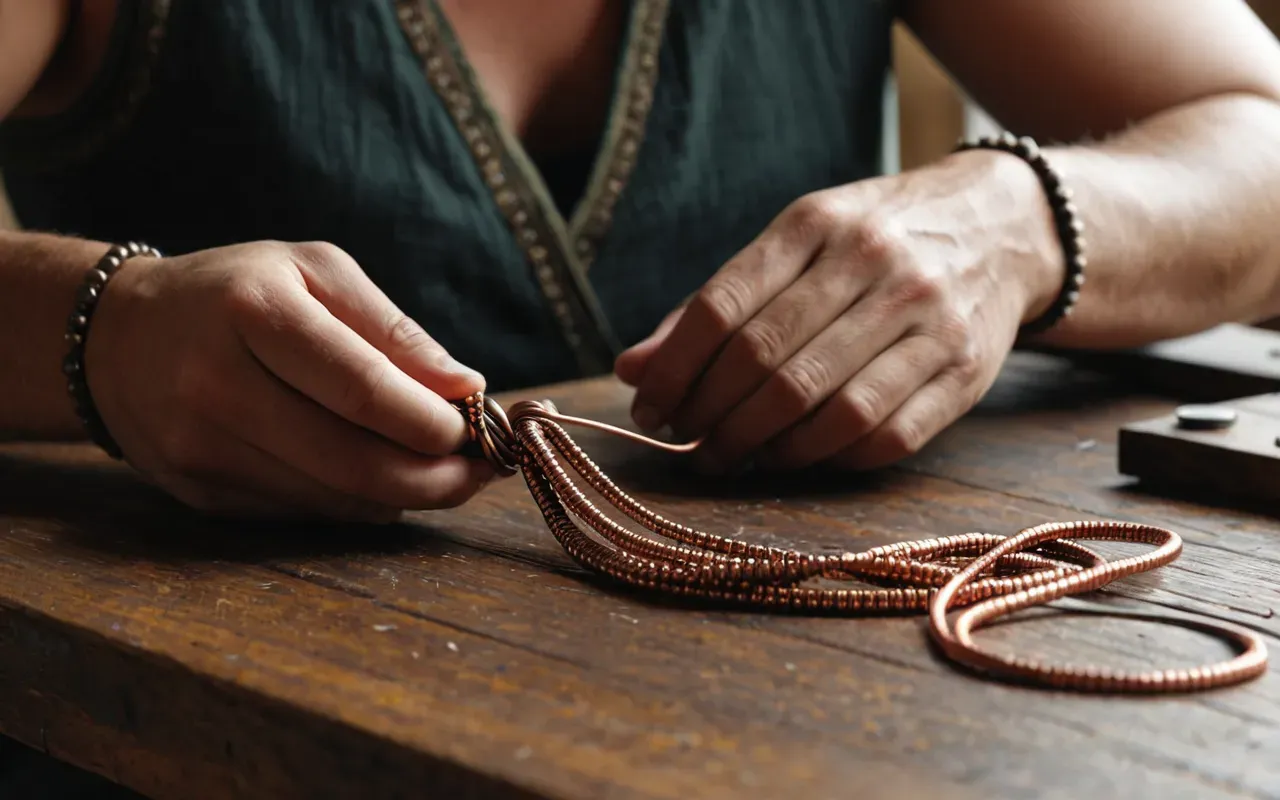
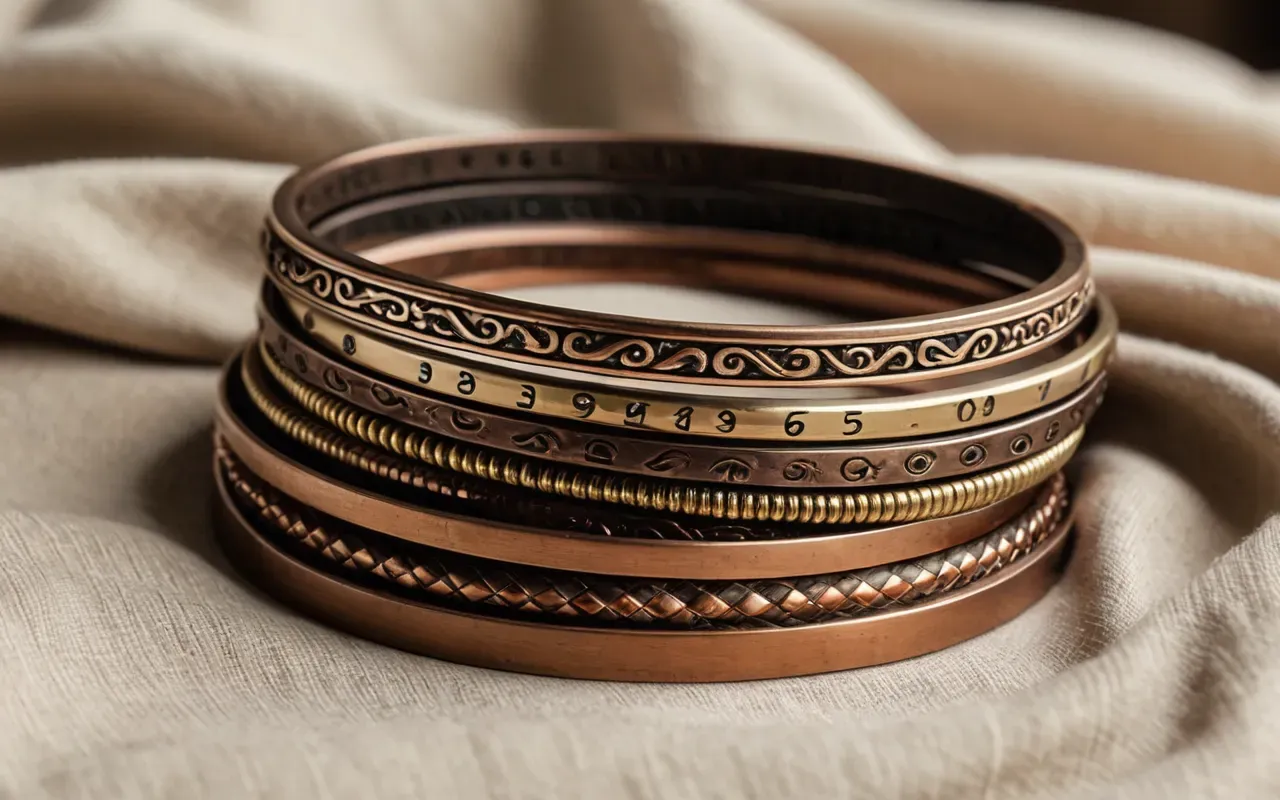
The creator posted a simple showcase. No music. No voiceover. Just hands working with copper, bronze, and gold-finished wire. The designs were wavy. They had shell patterns. They looked organic. They looked like something grown from the sea rather than made in a factory. It was stunning in its simplicity.
Here is the part that got me. The creator didn't show the final product first. They showed the process. They showed the wire being bent. They showed the mistakes. They showed the wire snapping and being fixed. That transparency is rare. It builds trust. It tells you that a human being made this with their own two hands.
I have been following this trend for years. I have seen the shift. People are tired of the same old pendants. They want something that tells a story. They want to know who made it. They want to know where the metal came from. This video captures that exact mood. It is a snapshot of a larger cultural shift.
The psychology of touch
Think about how you hold a phone versus how you hold a book. A phone is smooth. Cold. Uniform. A book has texture. Weight. Imperfections. Jewelry works the same way. Mass-produced pieces feel sterile. Handmade pieces feel warm. They have character. They have a pulse. That is not just a feeling. It is a psychological response to authenticity.
When you wear a piece of handmade wire jewelry, you are wearing a conversation. You are wearing a moment. The creator spent an hour on that single bracelet. They thought about it. They felt it. That energy is in the metal. It is subtle, but it is there. And people can feel it. They just don't have the words for it yet.
Why copper and bronze are winning
Gold is expensive. Silver is common. Copper is honest. Bronze is strong. These metals have been used for thousands of years. They are durable. They are affordable. They age well. They develop a patina. That patina is not a flaw. It is a feature. It is a record of time. It is a record of you.
Look at the video again. Notice the colors. The copper is warm. The bronze is deep. The gold finish is subtle. It is not flashy. It is not trying to impress. It is trying to connect. That is the power of these metals. They are humble. They are strong. They are real. And in a world of fake, that is a radical act.
I have a copper bracelet on my wrist right now. I have worn it for three years. It has a few scratches. It has a dark spot near the clasp. I love it. I would not trade it for a gold chain from a department store. Why? Because it is mine. Because it has history. Because it is real. That is what matters.
The economic angle nobody talks about
Here is the thing. When you buy a mass-produced bracelet, you are supporting a corporation. You are supporting a supply chain that is often opaque. You are supporting a system that prioritizes speed over quality. But when you buy a handmade piece, you are supporting a person. You are supporting a skill. You are supporting a local economy.
That is not a small thing. It is a huge thing. Every dollar you spend on artisan jewelry goes directly to the maker. It goes to their rent. It goes to their materials. It goes to their family. It is a direct line of support. It is a way to vote with your wallet. And it is a way to make the world a slightly better place. One bracelet at a time.
How to spot the real thing
So how do you know if a piece is truly handmade? It is not just about the price. It is not just about the brand. It is about the details. Look at the connections. Are they perfect? Are they uniform? If they are, it might be machine-made. If they are slightly off, it might be human-made. If they are strong, it is well-made.
Look at the finish. Is it even? Is it consistent? Or does it have variation? Variation is a good sign. It means a hand touched it. It means a human made it. It means it has soul. A perfectly even finish is often a sign of a machine. A slightly uneven finish is a sign of a maker. Trust the unevenness.
I have seen this in tiny details that prove authenticity. It is a subtle clue. It is a whisper. But it is there. And once you see it, you cannot unsee it. It changes how you look at every piece of jewelry you own. It changes how you shop. It changes how you value things.
The styling secret
Here is a tip that will change your wardrobe. Stop mixing your handmade pieces with your mass-produced ones. Keep them separate. Wear them alone. Let them speak. A single copper bracelet on a bare wrist is powerful. A stack of five cheap bracelets is noise. Let the handmade piece be the star. Let it shine.
I have been doing this for a year. I wear one handmade piece at a time. It is enough. It is perfect. It is beautiful. And it makes me feel connected to the maker. It makes me feel connected to the craft. It makes me feel connected to the world. And that is worth more than any price tag.
The future of accessories
Where is this going? I think it is going to get bigger. I think it is going to get better. I think more people are going to wake up and realize what they have been buying. I think they are going to start looking for the real thing. I think they are going to start supporting the makers. And I think that is a good thing.
We are at a turning point. We are choosing between the fake and the real. We are choosing between the fast and the slow. We are choosing between the cheap and the valuable. And I am choosing the real. I am choosing the slow. I am choosing the valuable. And I hope you will too. Because it matters. Because it is right. Because it is beautiful.
Looking for inspiration? Go check out DIY ideas that look expensive. Seriously — it's a great resource, packed with tips and ideas, and it won't cost you a thing. That's the beauty of sharing. The beauty of community. The beauty of craft. It's alive. It's real. It's here.
The cost of authenticity
Let's talk about money. Sensitive topic, I know. But it matters. A handmade bracelet costs more than a mass-produced one — why? Because it takes time. Because it takes skill. Because it takes care. Because an actual person made it. That's the cost of authenticity. And it's a cost worth paying.
I've watched people buy a $ bracelet from a big brand. I've also watched them buy a $ bracelet from a maker. And you know what? They wear the $ one more. They love the $ one more. They talk about the $ one more. Why? Because it's real. Because it's honest. Because it's theirs. That's the value of authenticity.
What I learned from the video
Here's what I've learned: beauty isn't in the perfection. It's in the process. Value isn't in the price — it's in the story. Quality isn't in the material, it's in the making. Style isn't in the trend, it's in the truth. And I've learned that I want more of it. More of the real. More of the honest.
A single wire can hold a world. A single hand can change a life. A single piece of jewelry can tell a story. A single choice can make a difference. And I've learned that I'm part of it — part of the story, part of the craft. And I'm proud of it.
So the next time you look at a piece of jewelry, look closer. Look at the connections. Look at the finish. Look at the story. Then ask yourself: is this real? Is this honest? Is this mine? If the answer is yes, you've found something special. And that's a good thing. A beautiful thing. A real thing.