The $ Wire Trick That Beats Luxury Brands
I bought a pair of earrings for $ last month. They looked nice. Then I watched a local artist take a $ spool of copper wire and make something that turned my $ pair into plastic right before my eyes. Humbling. And honestly, a wake-up call.
We obsess over materials. We assume expensive has to mean gold, platinum, diamonds. But look closer at the top tier of artisanal work. The difference is rarely the metal. It's the movement. The weight. The way light hits a curve that human hands shaped — not a mold.
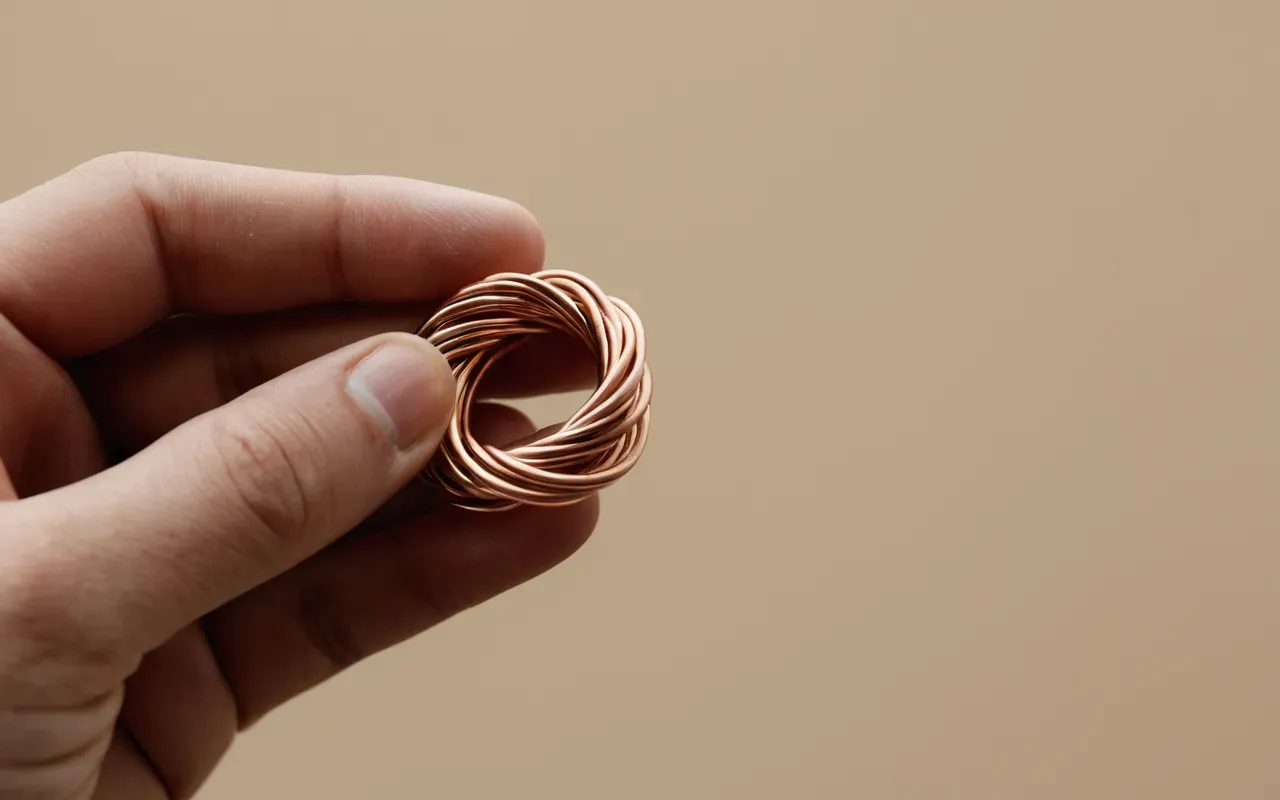
Here's the thing. Most mass-produced jewelry is static. It just sits there. A handcrafted piece interacts with you. It shifts when you turn your head. It catches the light differently every single time. That dynamic quality is what reads as expensive. It's the feeling of life inside the object.
If you've ever wondered why your favorite boutique rings feel so different, you might be interested in how local workshops are quietly outpacing luxury brands. The secret is in the process, not the price tag.
Why Your Ring Looks Cheap And How To Fix It
Let's talk about the band. I see this mistake constantly. A beautiful stone set on a thick, shiny band. It looks like something from a mall kiosk. Why? Because it's too perfect. Too uniform. It lacks the subtle irregularities that signal human craftsmanship.
The fix is simple. Texture. Add a hammered finish to the metal. It creates micro-shadows. It breaks up the flat surface. Suddenly the ring has depth. Character. It stops looking like a product and starts looking like an object with a story.
Try this at home. Take a plain silver band. Use a small hammer to create random dents. Do not aim for symmetry. Symmetry is the enemy of the handmade look. You want chaos. You want evidence of the hand. That's where the value lies.
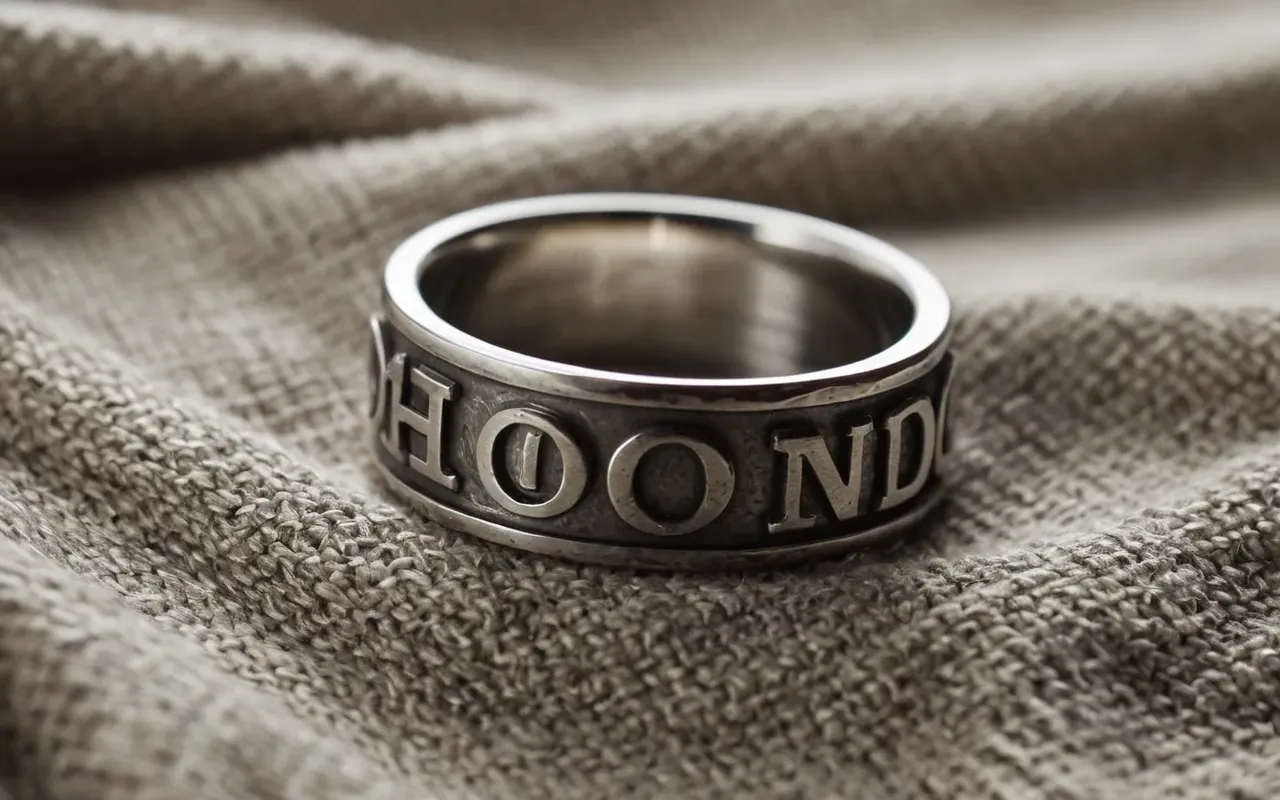
This technique works for bracelets too. A plain bangle is boring. A bangle with a twisted wire edge is chic. It adds a layer of complexity. It shows effort. And effort is what we subconsciously value in fashion. We pay for time, even if we won't admit it.
I tested this with a friend. She wore a $ gold bangle. I wore a $ copper bangle with a twisted wire edge. She asked where I got mine. She thought it was custom. That is the power of detail. Small changes create big perceptions.
The Glass Bead Technique That Changes Everything
Glass beads are cheap. Everyone knows that. You can buy them by the pound at a craft store. But the way you assemble them matters more than the beads themselves. A string of identical glass beads looks like a necklace from a discount store.
Mix it up. Add a single large bead in the center. Use a contrasting metal spacer. Change the spacing. Create rhythm. The eye follows the pattern. A random pattern feels chaotic. A rhythmic pattern feels designed. That's the difference between a craft and a creation.
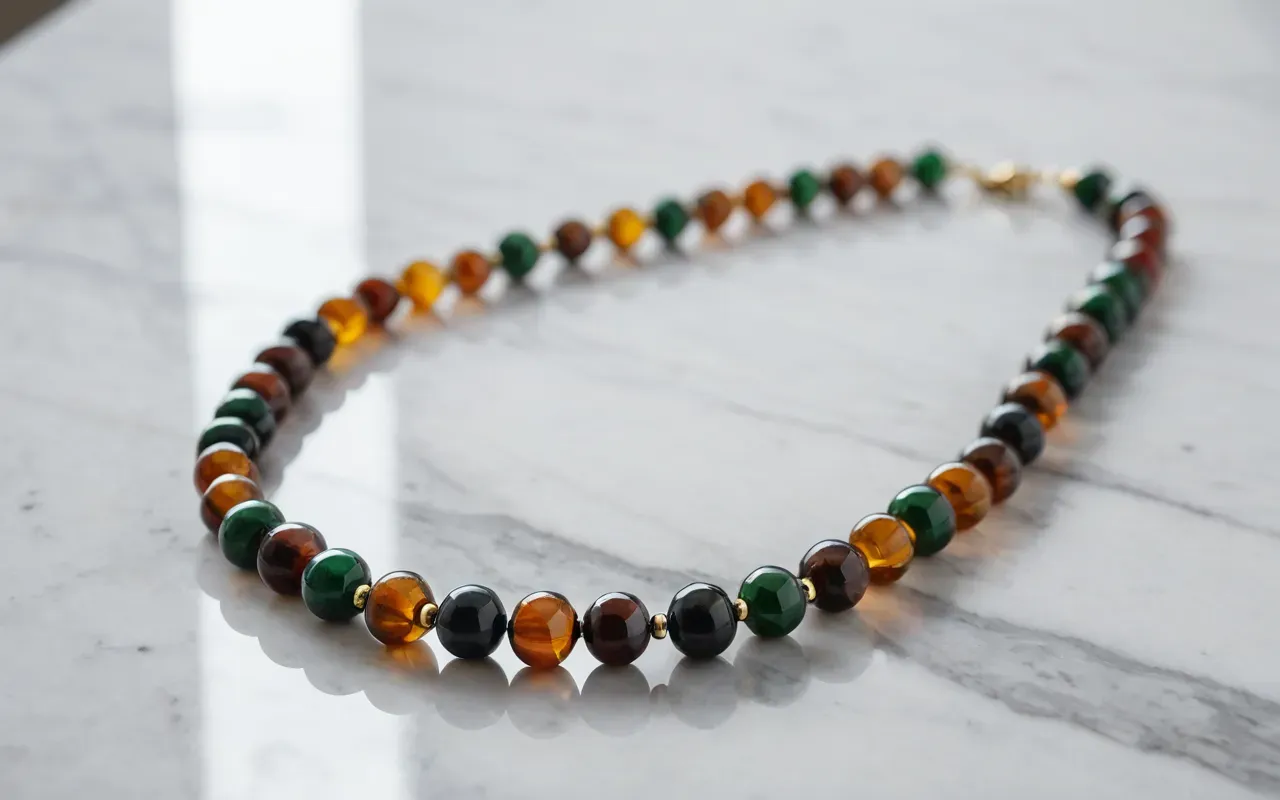
I recently saw a piece that used sea glass. It was free. The artist found it on a beach. She cleaned it. She strung it with silver beads. It looked like it cost $. The value was in the curation. The selection was the art. Not the material.
This applies to any material. Wood. Stone. Resin. The key is selection. Pick the best pieces. Discard the mediocre ones. Quality is not about quantity. It's about curation. If you are interested in how a $5 glass bead can outshine designer jewelry, pay attention to the selection process.
It's a counterintuitive lesson. We think more is better. But in jewelry, less is often more. A single perfect bead is stronger than a dozen imperfect ones. Trust your eye. Trust your taste. Let the materials speak for themselves.
The Wood Box Hiding Your Best Pieces
You have beautiful jewelry. But it sits in a plastic box. It looks cheap. The presentation matters. If your jewelry is stored in a flimsy plastic container, it will look cheap when you take it out. The context creates the perception.
A wooden box changes everything. It adds weight. It adds warmth. It suggests care. It suggests value. I switched my storage to a small wooden box last year. My jewelry felt more important. It felt more valuable. The psychology is real.
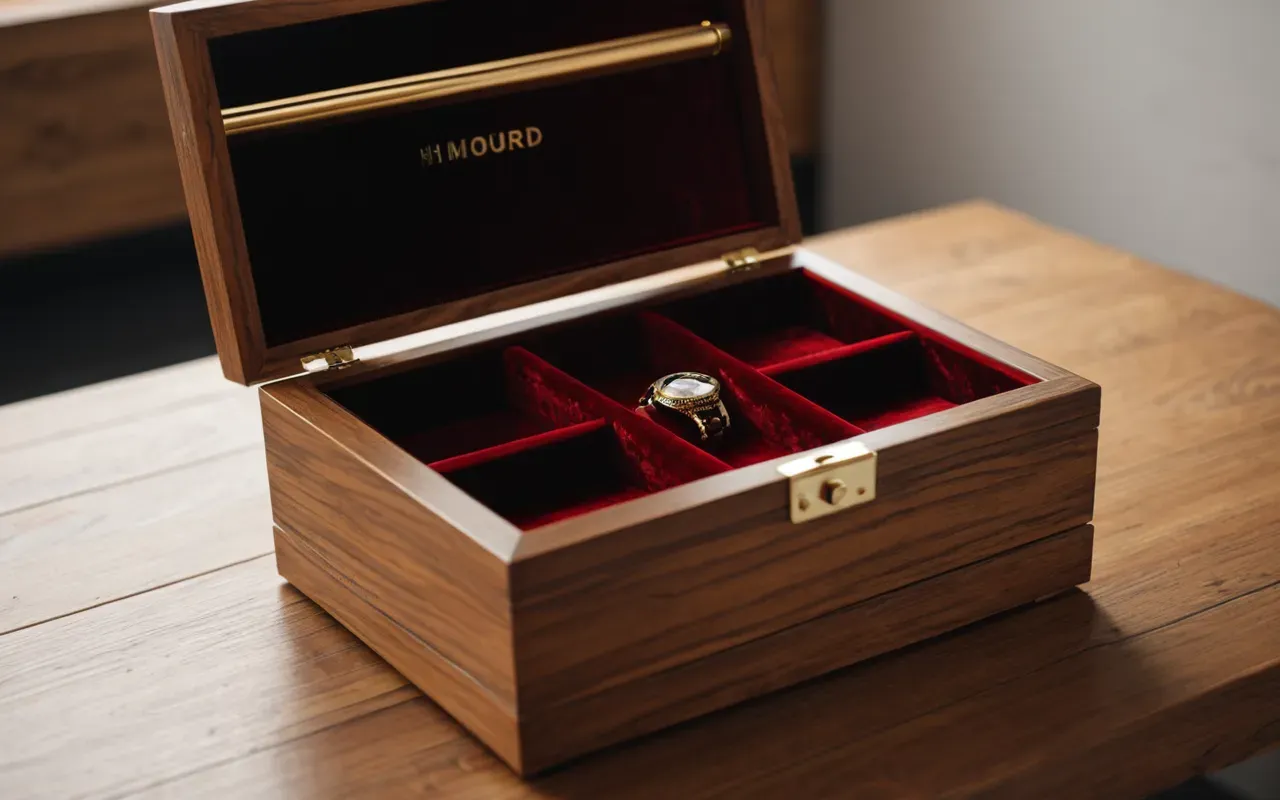
This is not just about storage. It's about ritual. Taking your jewelry out of a beautiful box is an experience. It's a moment of anticipation. It's a small luxury. And that small luxury adds up. It makes the piece feel more special.
If you are still using plastic trays, it might be time for a change. Stop buying plastic trays and invest in something that respects your craft. Your jewelry deserves better than a flimsy container.
It's a small investment. But it changes how you see your pieces. It changes how others see them. Perception is everything. And in fashion, perception is profit. Or in this case, pride. Take pride in your work. Show it off in a way that honors it.
The $ DIY Ring That Beat A Luxury Brand
I challenged myself. I had $. I had to make a ring that looked like it cost $. I used a plain brass band. I added a small copper accent. I hammered the texture. I polished it until it shone. The result was stunning.
I showed it to a friend who works in fashion. She asked where I bought it. I told her I made it. She was shocked. She said it looked like a piece from a high-end boutique. That is the power of technique. You do not need expensive materials. You need skill.
The lesson is clear. Value is created, not bought. It's in the hands that make it. It's in the time that is invested. It's in the attention to detail. If you want your jewelry to look expensive, focus on these three things.
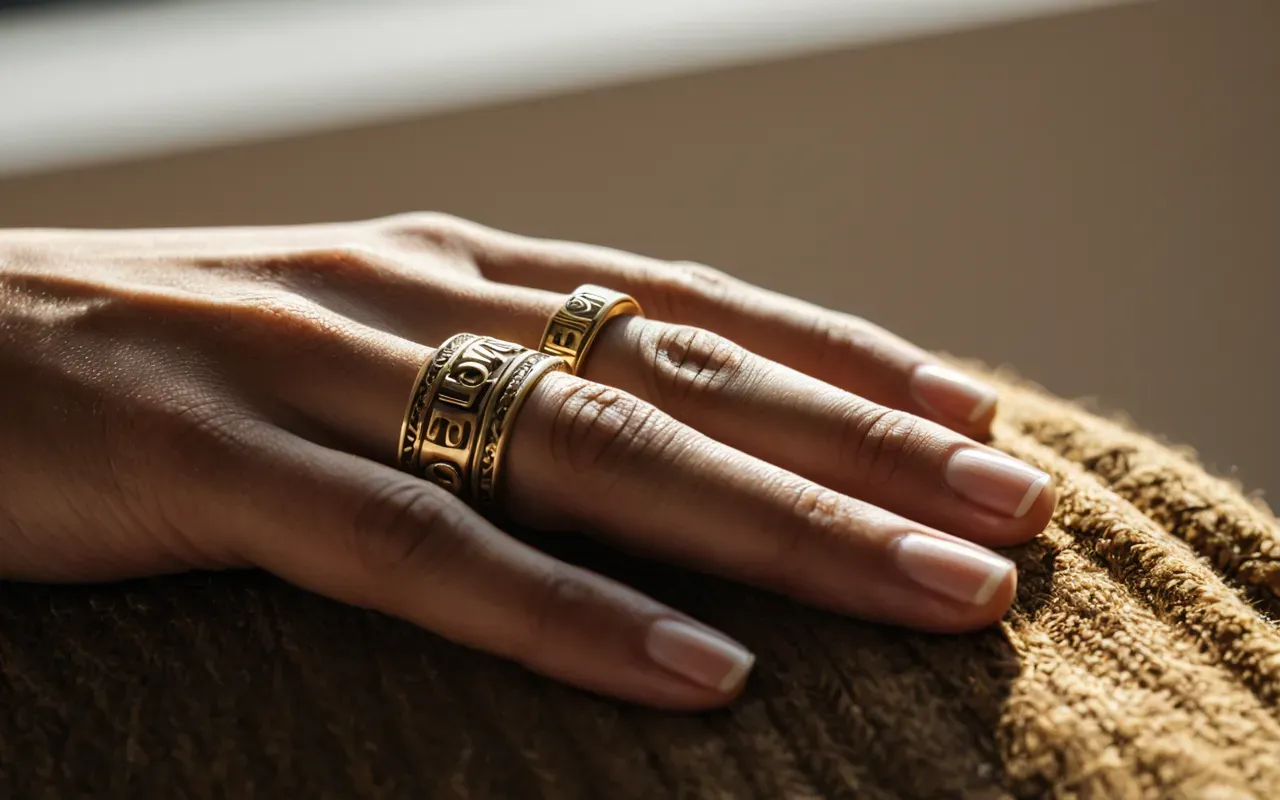
This is a shift in mindset. We are conditioned to think that expensive means good. But in the world of handmade jewelry, that is not true. Good means well-made. It means thoughtful. It means unique. And those things are free. If you have the time and the will.
So the next time you are looking for inspiration, do not look for new materials. Look for new techniques. Look for new ways to present what you have. The best jewelry is not the most expensive. It is the most intentional.
Frequently Asked Questions
What is the best metal for beginner jewelry making?
Copper is the best metal for beginners. It is affordable, easy to shape, and develops a beautiful patina over time. It is also forgiving if you make mistakes. Silver is a good next step, but it requires more precision and care.
How can I make my handmade jewelry look unique?
Add texture. Use mixed materials. Create asymmetry. These are simple ways to make a piece stand out. Avoid perfect symmetry. Aim for organic shapes. The goal is to show the hand of the maker. That is what makes it unique.
Is handmade jewelry more sustainable than mass produced?
Yes — generally speaking, handmade jewelry does use less energy and creates less waste. Here's the part that matters more to me, though: it's made to last. Mass-produced jewelry often relies on cheap materials that snap, tarnish, or fall apart within months. Handmade pieces are built for the long haul.