The quiet revolution in Texas workshops
I walked into a small studio on East Sixth Street last month and stopped breathing. Not the air conditioning. The ring in my hand. Recycled copper and sea glass — and somehow it felt heavier than any diamond I've ever owned.
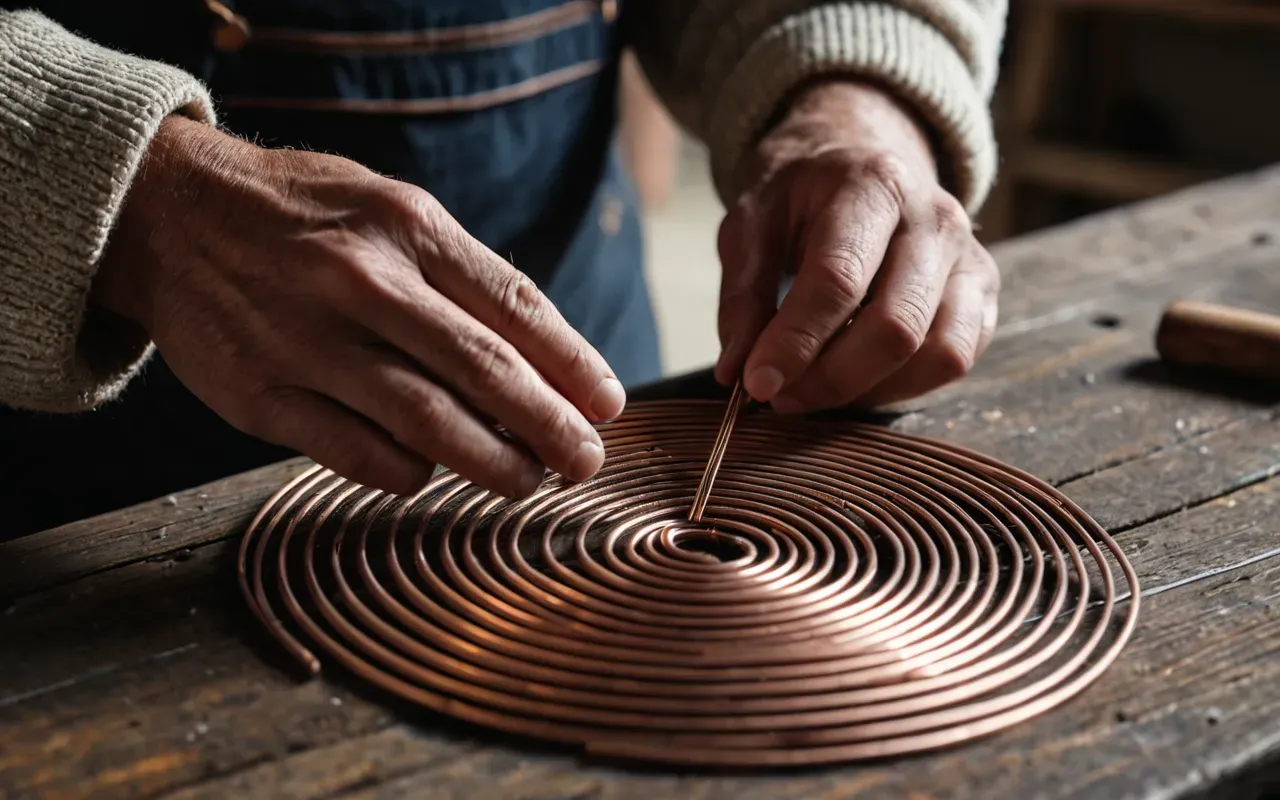
The creator told me he spent three weeks perfecting that single piece. No machine. Every curve shaped by hand, with tools his grandfather left behind.
This isn't a niche hobby anymore. It's a movement. And it's happening right now in the heart of Texas.
Why mass produced brands are losing ground
Here's the thing. Luxury houses still sell millions of units a year. But their buyers are changing. The new generation wants stories, not just logos.
When you buy from a local maker in Austin, you're not just buying an accessory. You're supporting a specific person with a specific history.
I asked five creators about their biggest challenge. Four mentioned supply chains. One said it was finding buyers who actually understand the value of time spent on a single clasp.
The sustainability angle nobody talks about enough
We talk a lot about eco-friendly fashion. But jewelry is different. The metals don't biodegrade. They accumulate.
Artisans in this region are using post-consumer waste at a rate that shocked even industry analysts. They melt down old electronics to extract silver and gold.
It's messy. It's dangerous. And it creates pieces with a carbon footprint that is nearly zero compared to mining new ore.
How to spot a genuine artisan piece
You can't always tell by looking at the shine. That's a common misconception.
Look for imperfections that tell a story
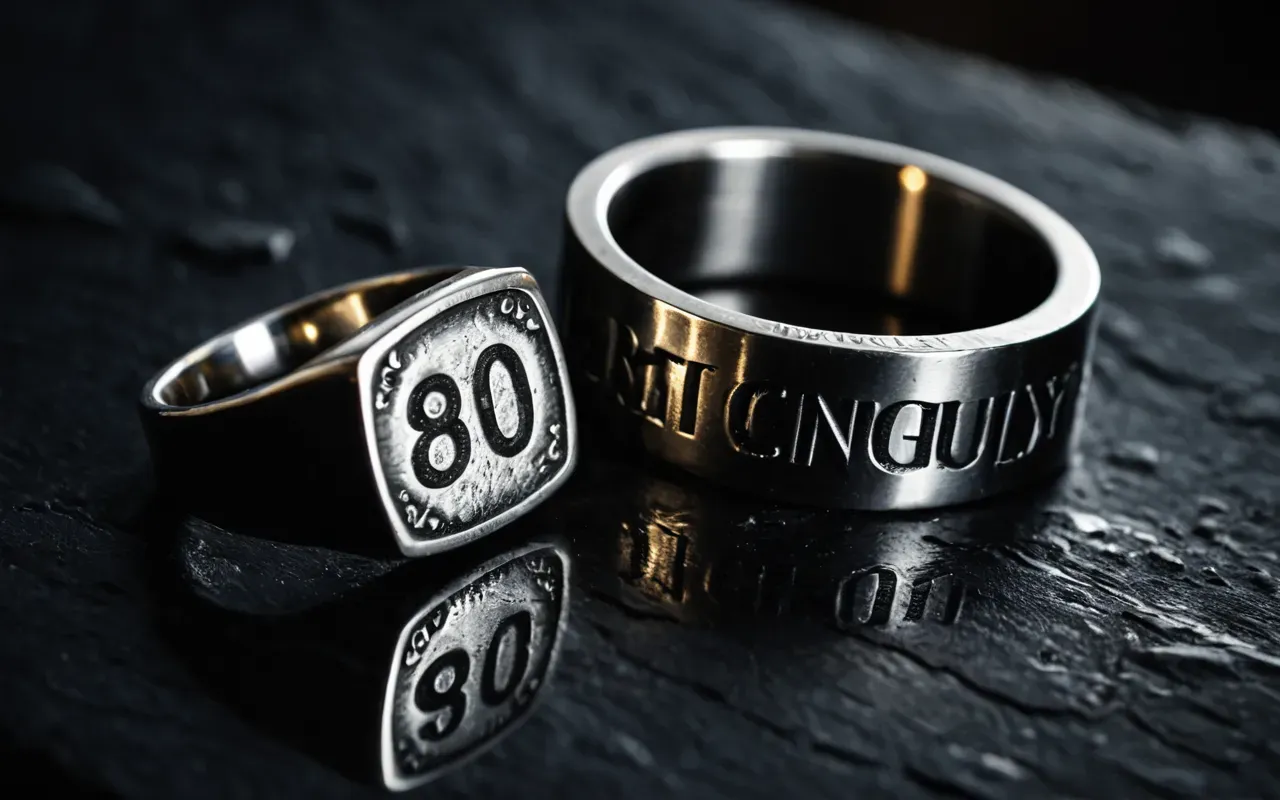
Machines create symmetry. Humans create character. A slight variation in bead spacing or a subtle brush mark on the metal often proves it was made by hand.
If every piece in a collection looks identical down to the millimeter, it's likely stamped from a mold.
Ask about the origin of the materials
A true creator knows exactly where their stones came from. They can name the mine or the riverbed.
They'll also tell you about the ethical practices used during extraction. This transparency is rare in high street retail.
Styling these pieces for everyday wear
You don't need a gala to show off your favorite creation. In fact, the best looks happen when you pair bold textures with simple fabrics.
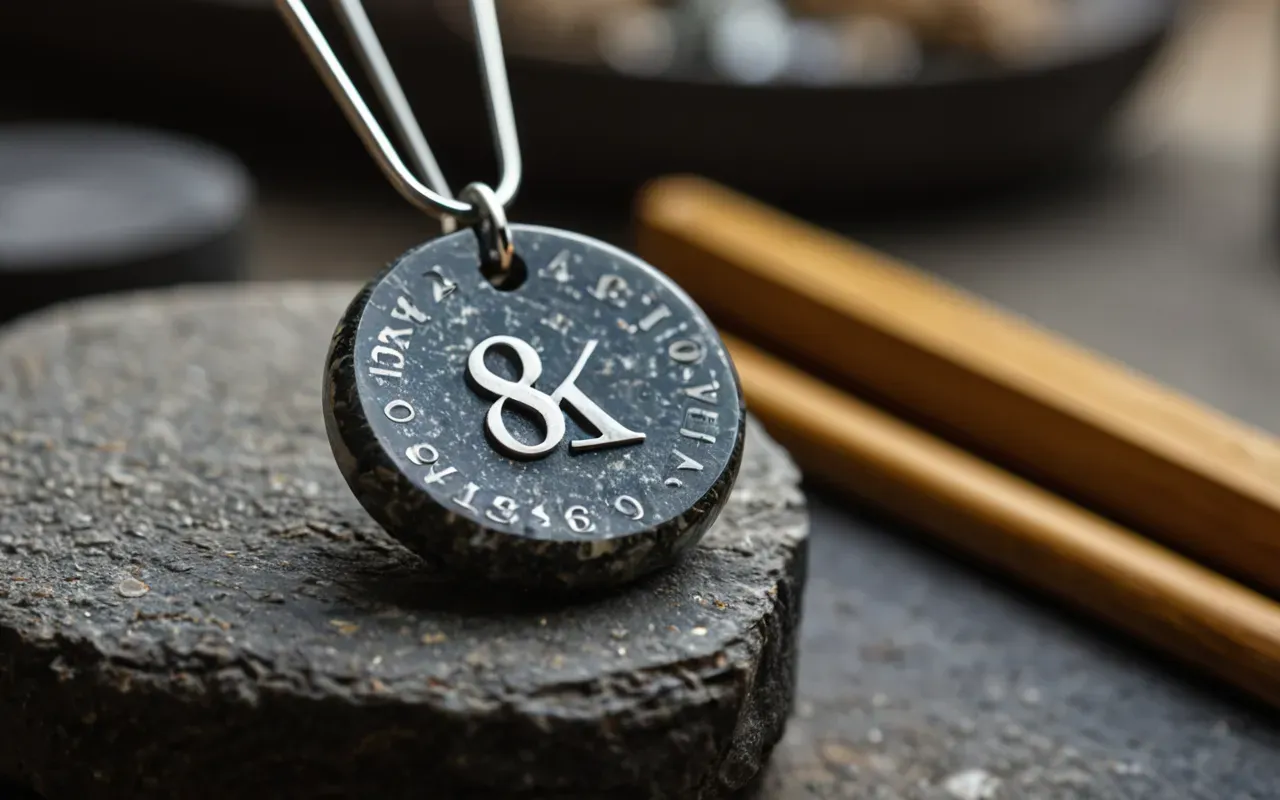
I've noticed that neutral colors like beige or grey make handmade details pop. Let the accessory be the statement.
If you're looking for more inspiration on how to build a versatile wardrobe around unique items, check out this breakdown of DIY jewelry ideas that look expensive. It's surprisingly practical.
The economics of buying local in
Let's talk numbers. A typical mass-produced necklace might cost $ to make and sell for $.
A handmade piece from a Texas studio might cost $ in materials and take four hours to finish. The price tag? Often higher than you'd expect.
But that's not a markup. That's labor value. And in , consumers are finally starting to respect the difference.
What this means for your next purchase
The next time you're tempted to buy a fast fashion accessory, pause. Ask yourself if it will still look good in five years.
Handmade pieces age beautifully. They develop a patina that tells the story of your life.
And when you need to care for them properly, remember that gentle cleaning is key. Harsh chemicals can ruin delicate finishes.
Frequently Asked Questions
Why is handmade jewelry more expensive than store bought items?
The higher price reflects the time and skill involved in creating each piece by hand. Artisans spend hours shaping metal and setting stones without machines, which adds significant labor value compared to mass production methods used in large factories.
How can I verify that a piece is truly artisan made?
Look for unique imperfections like slight variations in shape or texture that indicate human craftsmanship. Ask the seller about the material sources and production process to confirm ethical sourcing and hand-finishing techniques.
What is the best way to care for handmade metal accessories?
Store pieces in individual pouches to prevent scratching and avoid exposure to water or harsh chemicals. Clean gently with a soft cloth after wear to maintain the natural patina and finish of the metal.