The Blind Test That Broke My Assumptions About Luxury
I've worn $800 rings. I've also twisted scrap wire around a bead I dug out of my kitchen drawer and called it jewelry.
So when that viral video crossed my feed—a creator whipping up a simple gold wire ring with genuine mother-of-pearl in under ten minutes—I felt the familiar pull of envy. Then skepticism.
My first instinct was pure dismissal. Too easy to be valuable, too quick to be real. But then I actually ran the numbers.
The materials cost less than a coffee and two pastries. The time? Negligible compared to waiting on a shipping truck for weeks.
Here's the thing nobody in fashion circles wants to say out loud. Perceived value rarely tracks with material cost.
We've been conditioned to equate higher price with better quality. But in accessories, context is the whole game.
Why A Single Bead Changes The Entire Vibe of Your Hand
In the video I watched, one design choice caught my eye immediately. It wasn't the wire itself.
It was the genuine mother-of-pearl element nestled right in the center of that gold band. One organic piece turned a simple loop into something you'd actually call jewelry.
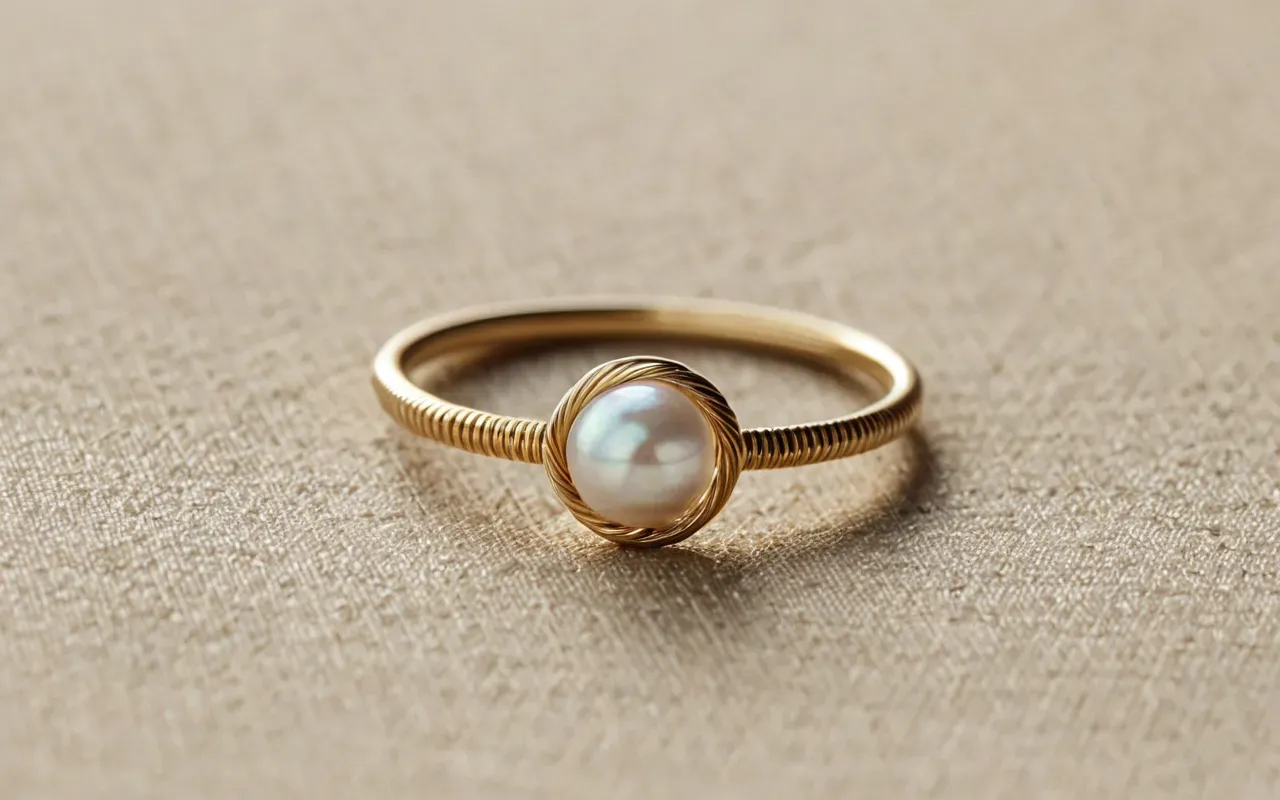
This is where the science of aesthetics meets practical craft. Rigid metal against soft, organic shell—that contrast creates a visual tension that pulls your eye in and holds it there.
Mass-produced brands rarely nail this nuance. They lean on uniformity to move volume, and the result is pieces that feel interchangeable. Forgettable, even.
Add a natural element like shell or stone to your own creation, and you're introducing an unpredictable variable. No two beads are exactly alike. That's the point.
That uniqueness is the core appeal of handmade accessories. It tells a story a factory stamp can never replicate.
The Psychology Behind Why We Crave Handcrafted Pieces Right Now
We're living through a moment of digital saturation. Our feeds are wall-to-wall perfect images—polished, distant, unattainable.
So we crave objects that feel tangible and real. A wire ring shaped by human hands carries a weight of intention that algorithm-generated trends simply don't have.
I noticed this shift when I started wearing my DIY pieces to work. Colleagues would ask where they were from, assuming some boutique or designer.
When I told them I'd made them at my kitchen table on a Tuesday night, their eyes would widen just a little. Surprised by the ease. Surprised by the beauty.
That reaction says a lot about a deeper hunger. We want to know the origin of what we wear. We want a story we can touch.
The Emotional Connection to Your Own Creation
There's a specific joy in making something useful with your own hands. It's not just the end product—it's the process of shaping material into form.
Every twist of the wire is a decision. Every adjustment reflects your personal taste, your mood, that exact moment in time.
That level of customization cannot be bought off a shelf. You're designer and manufacturer in one, and that's rare.
Why Luxury Brands Are Struggling to Keep Up With This Shift
High-end brands built empires on exclusivity and heritage. But the definition of luxury is shifting fast in our culture.
Younger consumers are less impressed by logos and more curious about the story behind the item. They value sustainability and personal expression over status symbols.
If a $5 wire ring can make you feel as elegant and unique as an $800 brand piece, the entire value proposition of luxury starts to wobble.
How To Master The Wire Wrapping Technique In Just Minutes
You don't need a degree in metallurgy to make beautiful jewelry. Just patience and the right tools.
Start with a simple round nose plier set. It'll run you about fifteen dollars at any local craft store.
The technique itself is intuitive. You bend the wire around your bead to secure it in place.
The magic happens when you smooth the wire down for a seamless finish. That's where your eye for detail takes over.
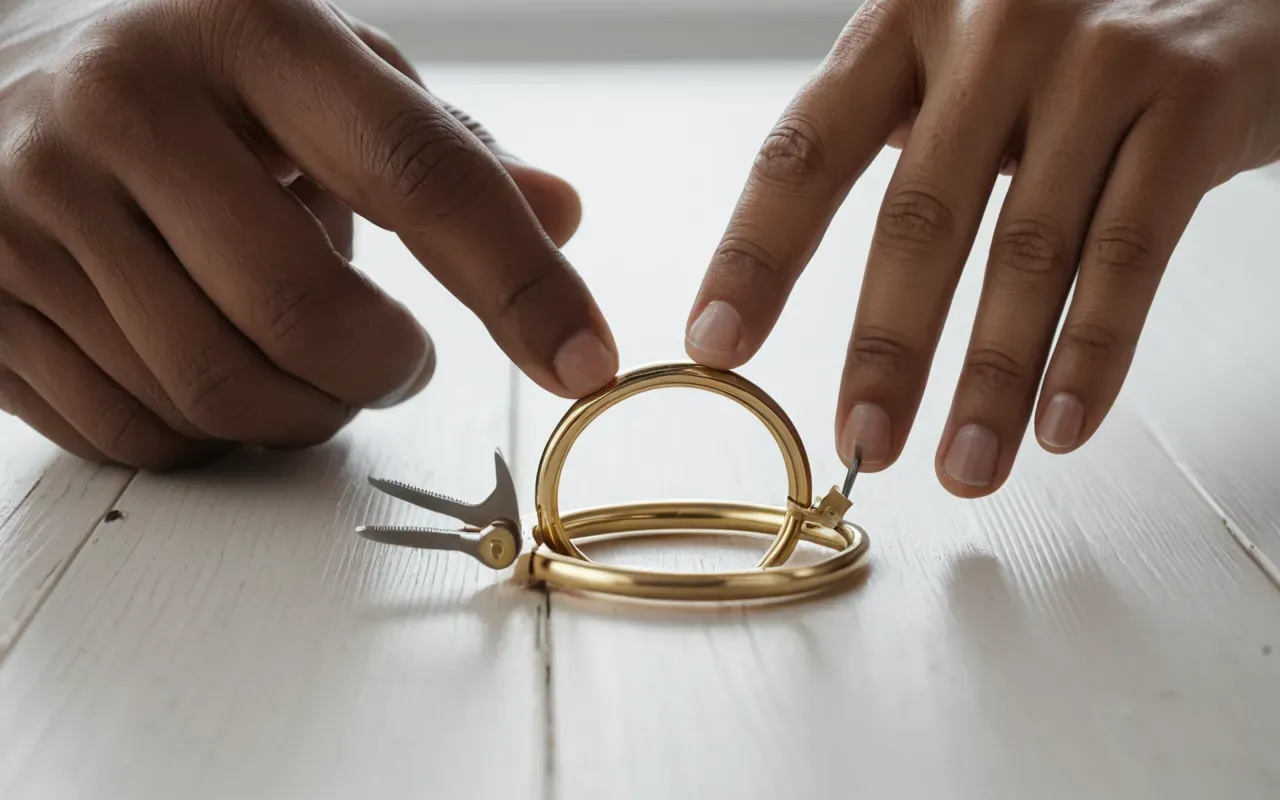
I found that practicing on a scrap piece of wire first builds muscle memory. Within ten minutes, your movements start to feel confident.
The result is a piece that feels organic and fluid. It doesn't look stamped out of steel like so many commercial options.
The Sustainable Choice That Actually Makes Financial Sense
Let's talk about environmental impact for a moment. Mass-produced jewelry carries a massive carbon footprint.
Mining for gold and silver is destructive. Shipping heavy metal items across the globe only adds to the problem.
When you create your own accessory from materials you already have—or buy locally sourced beads—you shrink that footprint significantly.
It's a small action, sure. But it adds up over time. That's the quiet power of DIY in our daily lives.
You're also saving money. Instead of spending hundreds on a single ring, you can build an entire collection for less.
Comparing The Cost Per Wear Of DIY vs Store Bought Items
Buy a $100 ring and wear it only five times because it feels too formal for daily life? Your cost per wear is brutal.
A $5 DIY ring you love wearing every day? After the initial material investment, the cost per wear approaches zero.
That economic reality is why more people are turning to handmade options. It's simply smarter spending.
Why This Trend Is Reshaping The Entire Accessory Market Forever
The rise of DIY jewelry isn't just a hobby trend. It's a fundamental shift in how we view ownership and style.
We're moving away from passive consumption toward active creation. That changes the power dynamic between consumer and brand.
Brands that ignore this shift risk becoming irrelevant. They need to offer experiences or stories that can't be replicated at home.
The winners will be the ones who embrace the handmade aesthetic and supply quality materials for creators.
I believe we're only at the beginning of this movement. The next decade will bring even more personalization to fashion.
Your Next Accessory Could Be Made In Your Own Kitchen Tonight
You don't need to be an artist to join. Just curiosity and a little bit of time.
Pick up some wire. Find a bead that speaks to you. Start twisting and bending until something beautiful appears.
The result will be unique to you. No one else on Earth has a piece exactly like the one you made.
That's the true luxury. The knowledge that your hands created something beautiful and meaningful—for yourself.