The wire twist nobody is talking about
Look at your neck right now. What are you wearing? A shiny stone on a chain is fine for a day out. But if that pendant claims to be handmade floral jewelry, check the back. That one small twist of wire tells more truth than any glossy photo ever could.
I've seen a thousand floral designs this year. Most look identical from the front. Petals curve nicely. Stones catch the light. Every single one passes the quick glance test at a market stall or an online store. The difference only shows up when you flip it over and actually inspect the construction.
Here's the thing. Most buyers judge a piece by how it sits on their collarbone. Fair enough. Who really looks at the back of an earring? But that exact lack of scrutiny has let mass-produced copies flood the market with a confidence that feels almost disrespectful.
We keep seeing this pattern in reviews and social media posts. Someone buys a lovely looking flower pendant for twenty dollars online. They wear it once or twice. Then the wire snaps clean through, because there was no real finishing work done at all.
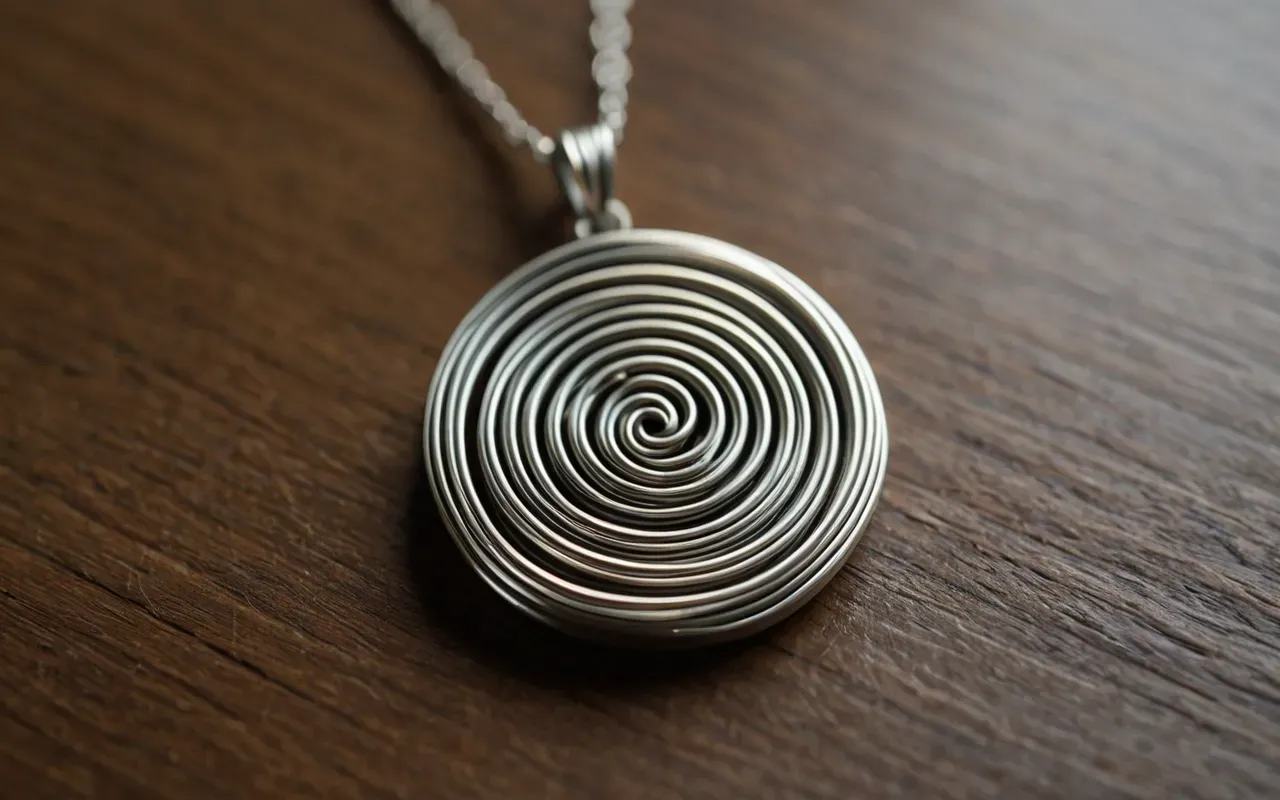
Why the back of the piece matters more than you think
A real artisan spends time on what no one sees. That takes patience and skill that machines simply do not have to replicate quickly for profit margins.
If the wire ends are sharp or jagged, you will feel it against your skin after an hour. That is a red flag that cost cutting happened somewhere in the production line.
To be fair, not every piece needs to look like a museum artifact. But there is a baseline of care that separates genuine craft from fast fashion waste.
What the wire twist actually tells you about the maker
A clean twist means the person holding that wire thought about your comfort. They trimmed the ends smooth. They wrapped it tight enough to hold but loose enough not to pull hair.
A messy twist means they rushed. Maybe they were making fifty pieces a day in a factory setting rather than one piece at a time with full attention to detail.
I was struck by how many people do not realize that this small detail is the single best indicator of quality you can find without spending hundreds on a brand name.
How to spot the difference in under ten seconds
You do not need a jeweler s loupe or any special tool. Just your thumb and index finger.
Hold the pendant gently between two fingers. Flip it over slowly. Run your fingertip along every wire connection point.
If you feel a burr or sharp edge stop immediately. That piece will wear down your skin and likely break within months of regular use.
If the wires are smooth and evenly wrapped you have found something worth keeping. That tactile feedback is the honest answer no marketing copy can fake.
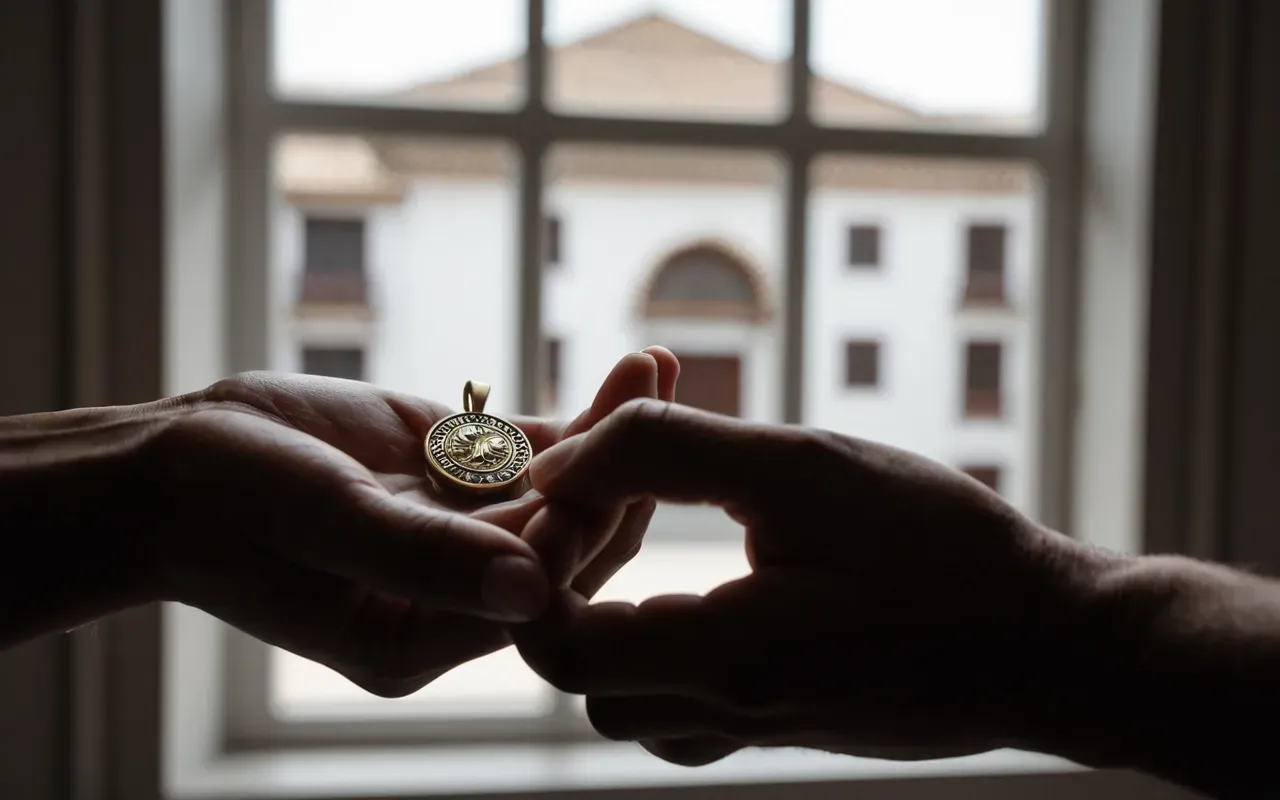
Why mass produced pieces fail this simple test so often
Factories use stamping and casting methods that create uniform shapes fast. The wire connections are often glued or soldered in bulk without individual attention to each piece.
Handmade pieces are built one at a time. Each wire wrap is deliberate. That takes ten times longer per item but creates structural integrity that glued assemblies simply cannot match over years of daily wear.
And here is the part that surprises me most. The price difference between a rushed factory piece and a carefully finished artisan pendant has shrunk to just fifteen or twenty dollars in many US markets this year.
The hidden cost of ignoring the back check
Buy three cheap pendants that break in six months. You have spent sixty dollars and thrown away small metal pieces into the trash.
Buy one well made piece that lasts five years. You have spent the same amount but kept a beautiful object that still makes you feel good every single time you wear it.
That math is not close. The environmental impact of constant replacement versus one quality purchase is also something worth sitting with for a moment before you click add to cart.
What this means for your shopping habits in late September
It is almost October and the weather is turning cooler across most of the country. That means more layers and more jewelry peeking out from under scarves and collars.
This is the perfect time to upgrade your collection with pieces that will actually survive the season. A flower pendant looks especially lovely against a dark wool sweater or a simple white blouse.
But do not just grab the first pretty thing you see in a feed. Take ten seconds to ask yourself what is on the back of that piece before you spend your hard earned money.
If the seller cannot show you a clear photo of the wire work or describe their finishing process in plain language, walk away. That hesitation from them is your answer right there.
A small ritual that changes how you see every purchase
I have started doing this before any jewelry purchase now. It takes less time than reading the product description and tells me more about who made it.
You will find that some sellers respond with pride when you ask about their wire finishing. Others get vague or defensive. That reaction alone tells you everything you need to know.
And honestly the pieces that pass this test tend to feel different on your skin too. Smoother wire means less irritation and more comfort over long days of wear.
The bigger story hiding inside one tiny wire twist
This is not just about jewelry quality. It is about what we value as consumers in a market flooded with cheap alternatives that look almost identical on the surface.
When we stop checking and just buy what looks pretty in a photo, we are silently telling the market that effort does not matter. That craftsmanship is optional. That only appearance has value.
But the moment you start asking about the back of a piece something shifts. You become an informed buyer instead of just another customer scrolling through endless options on your phone.
And that shift ripples outward. Sellers who take shortcuts lose business to those who do the extra work behind the scenes where no one is watching.
Who benefits when you start paying attention to details like this
The independent makers who spend hours on each piece benefit the most. They are often working from home studios with no marketing budget and rely entirely on word of mouth recommendations.
The environment benefits too because fewer broken pieces end up in landfills and more people choose quality over quantity when they make their accessory choices.
And you benefit because your jewelry collection starts to mean something more than just a temporary trend that gets tossed after one season of wear.
A practical checklist you can use at your next shopping trip
Ask the seller for a photo of the back side before you buy. A real artisan will not hesitate to share this information with an interested customer.
Ask how they finish their wire ends. A smooth answer about trimming and wrapping tells you a lot more than any adjective in the product title can convey.
If possible buy from someone who shows their process in real time. Watching hands work metal is a different experience than staring at polished stock photos all day.
And finally trust your fingers. If a piece feels rough or uncomfortable after ten minutes of wearing it the wire work was probably rushed and you should know that immediately.
What to do if your current collection fails this test
Don't beat yourself up over the pieces you already own that failed this little inspection. We've all bought stuff before we knew any better. That's just how it goes.
But from here on out, you've got a filter. It takes seconds to run, it saves you money down the road, and it puts your cash behind makers who actually give a damn about their craft.
And if you've been curious about the $5 wire trick that is quietly killing mass produced jewelry brands, this whole check ties straight into those same ideas about quality finishing.
The more you train your eye on what good construction looks and feels like, the harder it gets to settle for less. That goes for every accessory you pick up.
A final thought on what handmade really means in this market
Handmade doesn't mean perfect, by the way. It means a person was standing there at every step, making small calls a machine can't make on its own.
That wire twist at the back of your floral pendant? It's proof someone cared about you wearing it. Or it's proof they didn't care at all and just wanted to move inventory fast.
So which one is hanging around your neck right now? Flip it over. Ten seconds and you'll know.