The Unexpected Power Shift Driven by Bold Handmade Jewelry
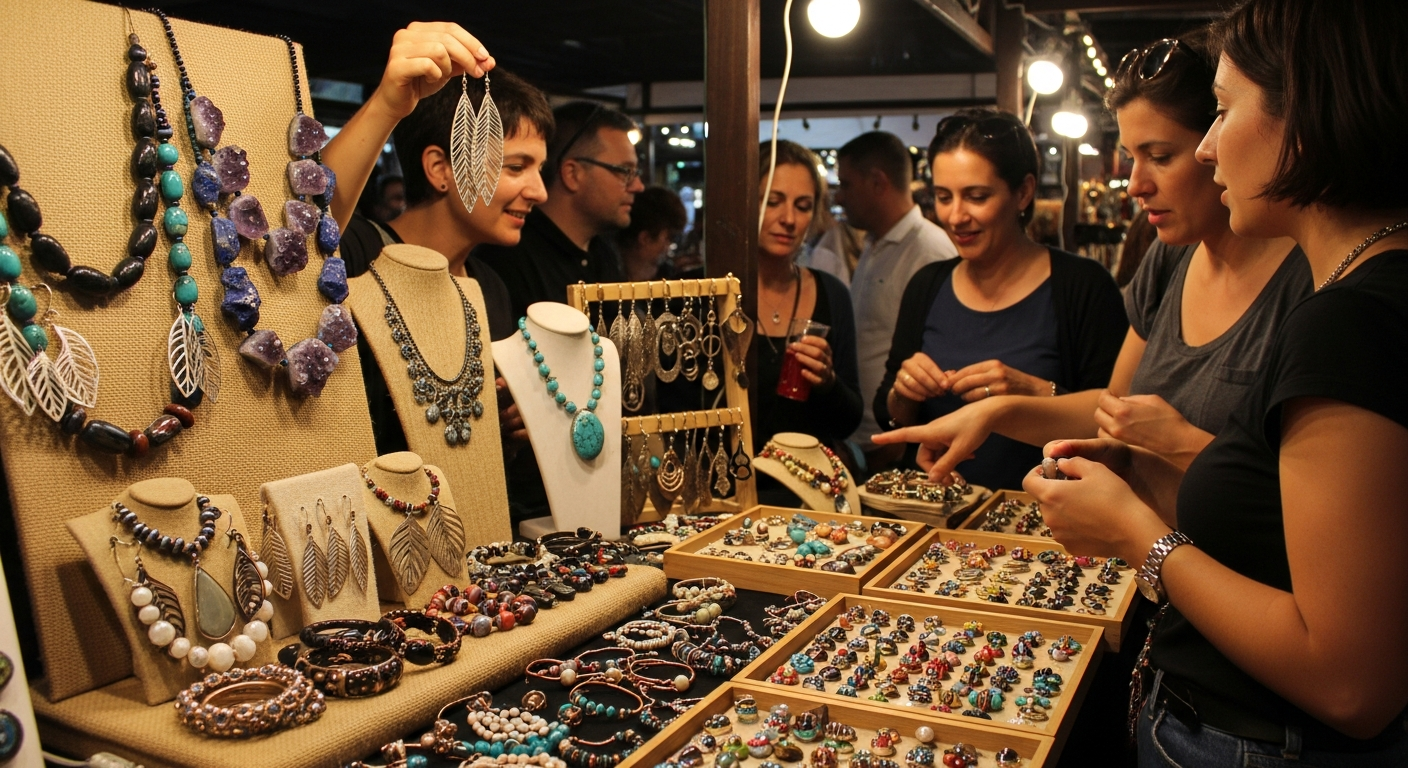
On the surface, the comeback of oversized earrings, sculptural necklaces, and chunky accessories seems like a nostalgic nod to the early 2000s. However, beneath the glitter and vibrant acrylics lies a subtle but profound shake-up of how influence is wielded within fashion. Traditionally, designers and high-profile brands dictated trends, setting standards that consumers followed. In 2026, this hierarchy has shifted dramatically, with individuals—particularly younger consumers—taking the reins through artisanal, handmade jewelry pieces that carry personal stories and environmental values. These pieces—often crafted with recycled metals and ethically sourced stones—embody a sense of authenticity that powerfully challenges the exclusivity once held by fast-fashion giants and high-end labels alike. The act of selecting larger, statement accessories isn’t just about aesthetics; it’s an act of rebellion, a declaration that personal style now has more agency and impact than ever before.

Why the Return of Y2K Jewelry Is More Than Just Nostalgia
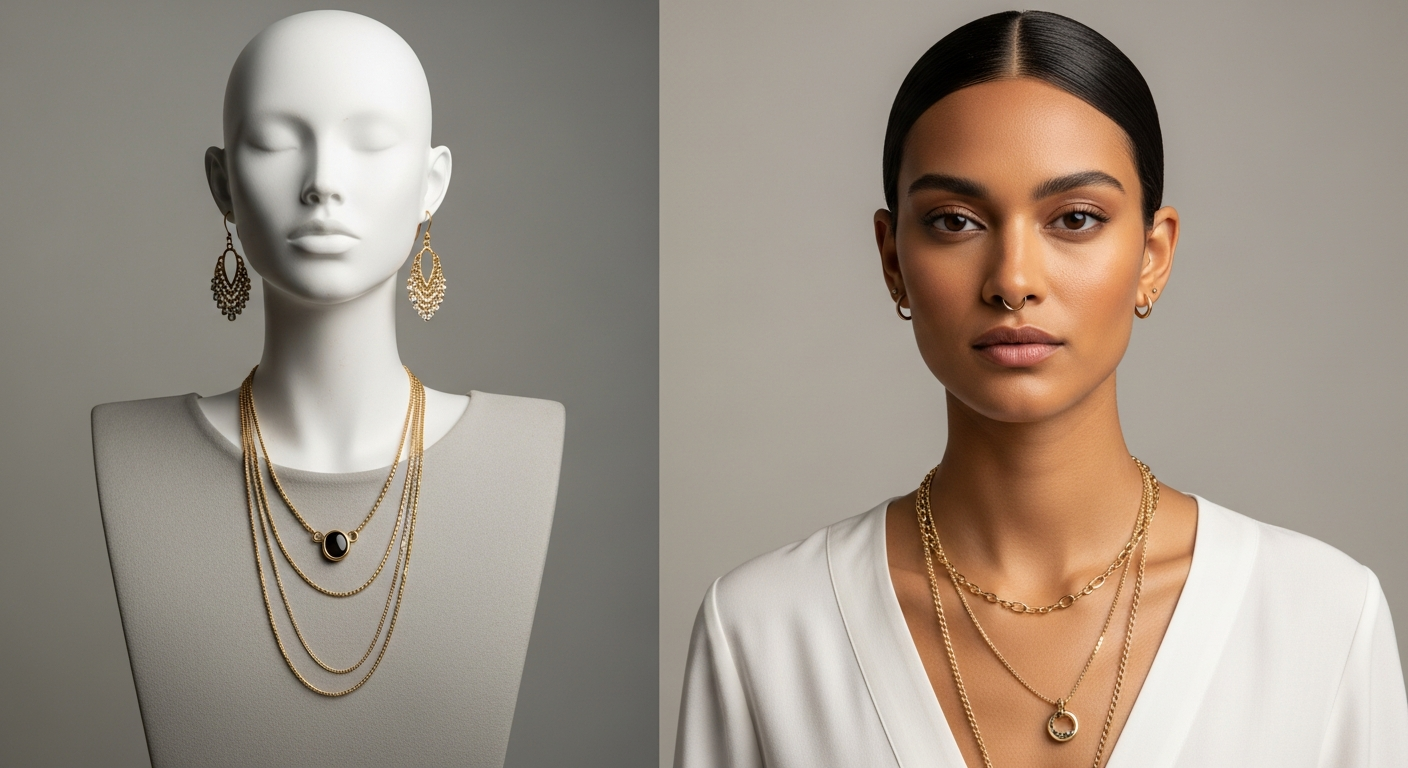
The resurgence of early 2000s jewelry isn’t merely a cyclical fashion trend; it marks a tectonic shift in how personal identity is expressed through accessories. While the minimalist layering of delicate necklaces and tiny studs has reigned for the past few years, 2026 witnesses a pivot toward loud, unapologetic pieces—large hoops, geometric earrings, and colorful acrylic accents—that invite consumers to make a statement. This movement challenges the long-held notion that fashion authority belongs primarily to couture runways or influential trendsetters. Instead, it elevates the everyday consumer as a key creator of style, capable of transforming ordinary looks into powerful cultural symbols. The Y2K aesthetic, once dismissed as juvenile, now symbolizes a collective voice that refuses to accept conventional standards and instead champions individuality, environmental consciousness, and artisanal craftsmanship.
The Central Role of Artisanal and Eco-Conscious Jewelry in 2026
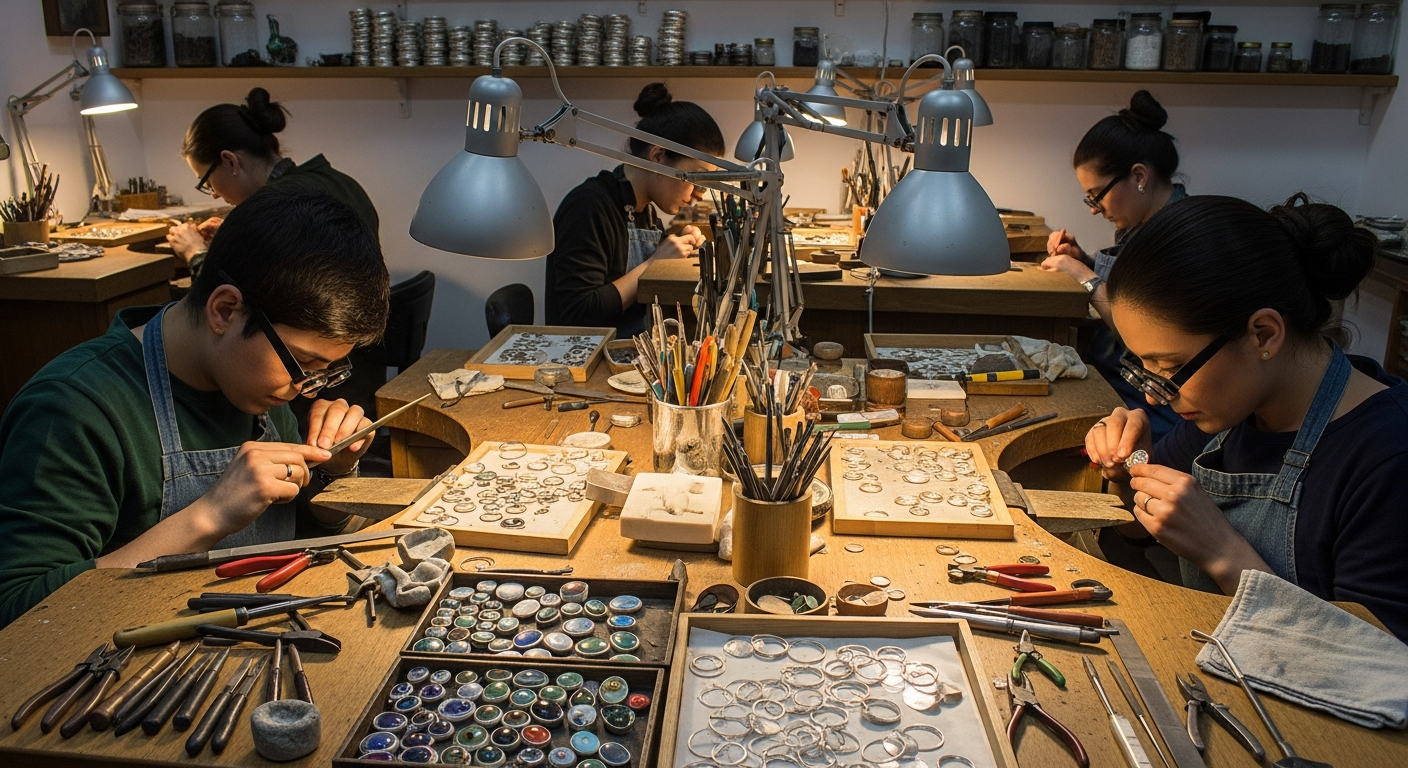
While the flashy aesthetic dominates headlines, the quiet revolution in jewelry craft is equally impactful. Handmade jewelry, rooted in craftsmanship and sustainability, is actively redefining what it means to be fashionable. Consumers are increasingly seeking pieces that are not only visually striking but also socially and environmentally responsible. This demand fuels a thriving market for artisan-made adornments, where each piece is a unique artifact with a story—crafted with recycled metals, ethically sourced stones, and artisanal techniques passed down through generations. As more people prioritize eco-consciousness, the influence extends beyond mere style—these jewelry choices become symbols of a collective shift toward sustainable living. This 'quiet power' challenges the conventional hierarchy by empowering small-scale artisans and consumers alike, fostering a community where authenticity and responsibility reign supreme.
Future Influence and Who Gains Power in the New Jewelry Landscape
As we look ahead, the question remains: who holds genuine power in this new paradigm? The answer may surprise many. Rather than traditional fashion gatekeepers, the real winners are small artisans, eco-conscious brands, and consumers who prioritize personal storytelling and sustainability. The ability to create and wear larger, more meaningful jewelry elevates individual agency, turning personal choice into a form of activism. This democratization of influence dilutes the old power structures, giving rise to a decentralized fashion ecosystem where authenticity trumps exclusivity. The 'losers' are the mass-produced fast fashion giants who no longer hold the monopoly on trendsetting, as consumers actively seek out unique, artisanal pieces that serve as badges of belonging to a community driven by values rather than brand names.