The Austin Maker Who Is Quietly Making Luxury Brands Look Outdated
The Workshop That Changed Everything For Me
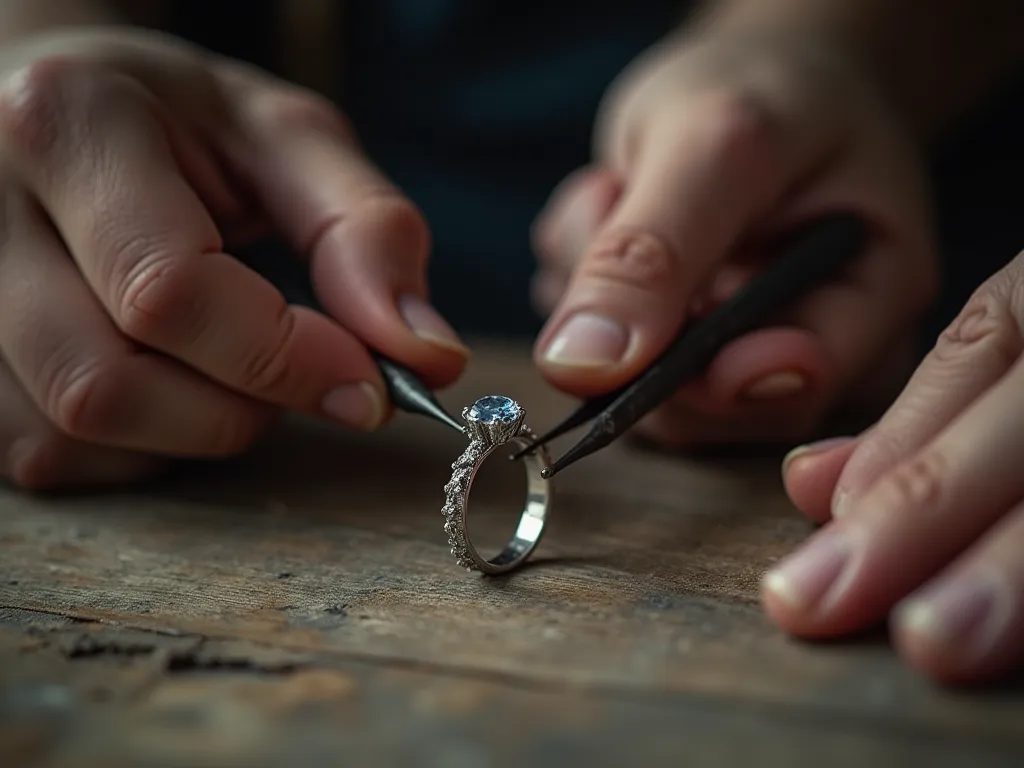
Last month I stood in a tiny studio off East 6th Street. The air smelled of molten silver and ozone. A woman named Elena was soldering a ring, hands steady as a surgeon's.
Then I showed her my phone screen: a $300 mass-produced pendant from a national retailer. Her reaction wasn't anger.
She laughed softly and pointed at the clasp on my wrist. Three weeks in and it had already started to tarnish.
"Look at the wire," she said. "Too thin for this weight. It'll break by Friday." And just like that, a secret was out.
Why The $300 Pendant Fails In Three Weeks
Most consumers assume price equals quality. In today's jewelry industry, that's a dangerous myth.
The Hidden Cost Of Mass Production
Big brands cut corners to keep margins high. Thinner wires. Weaker clasps.
A $300 pendant often weighs less than a handmade piece costing half as much. The metal is thinner and the plating is cheaper.
That's why your favorite necklace breaks so fast. It was never built to last in the first place.
What Local Makers Do Differently
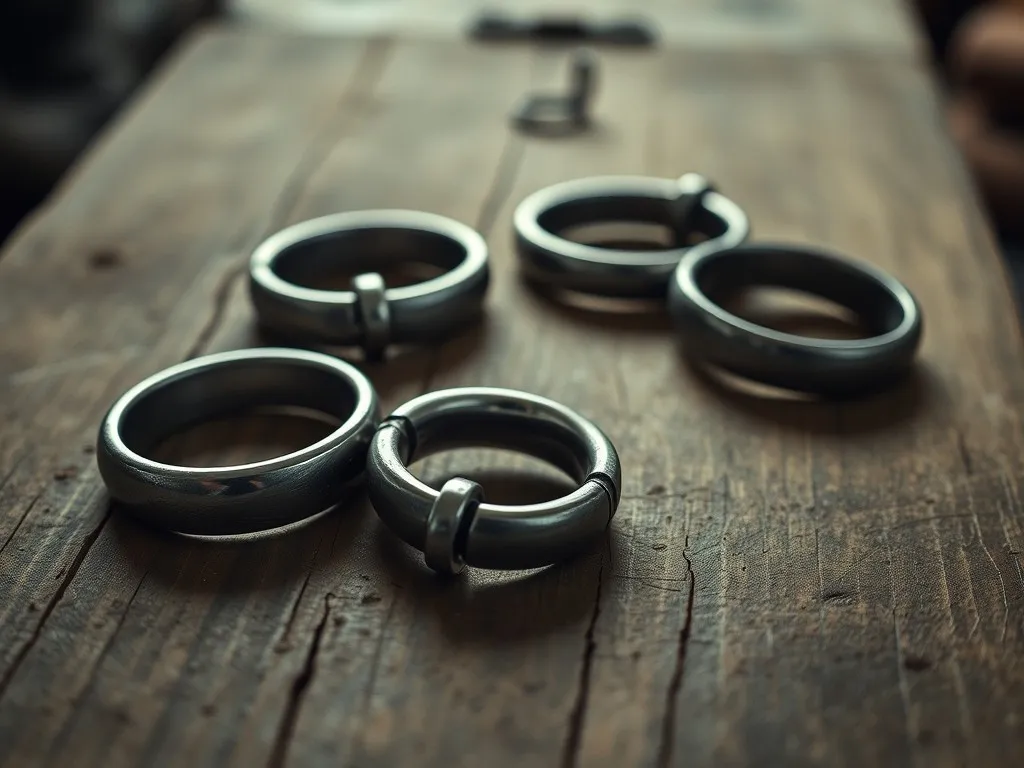
Artisans here in Austin use thicker gauge wires. They solder every joint by hand.
Elena walked me through her raw materials. Every wire was double the thickness of what the big brands use.
One simple change, and it makes a huge difference in durability. A handmade piece can outlast a luxury brand item by years.
The Specific Technique That Changes Everything
There's a specific soldering method that sets local makers apart. It means heating the joint to a precise temperature.
Why Precision Matters More Than Price
Mass production relies on cold connections. Weak points, basically — they fail under stress.
Handmade jewelry uses heat to fuse the metal completely. The bond ends up stronger than the wire itself.
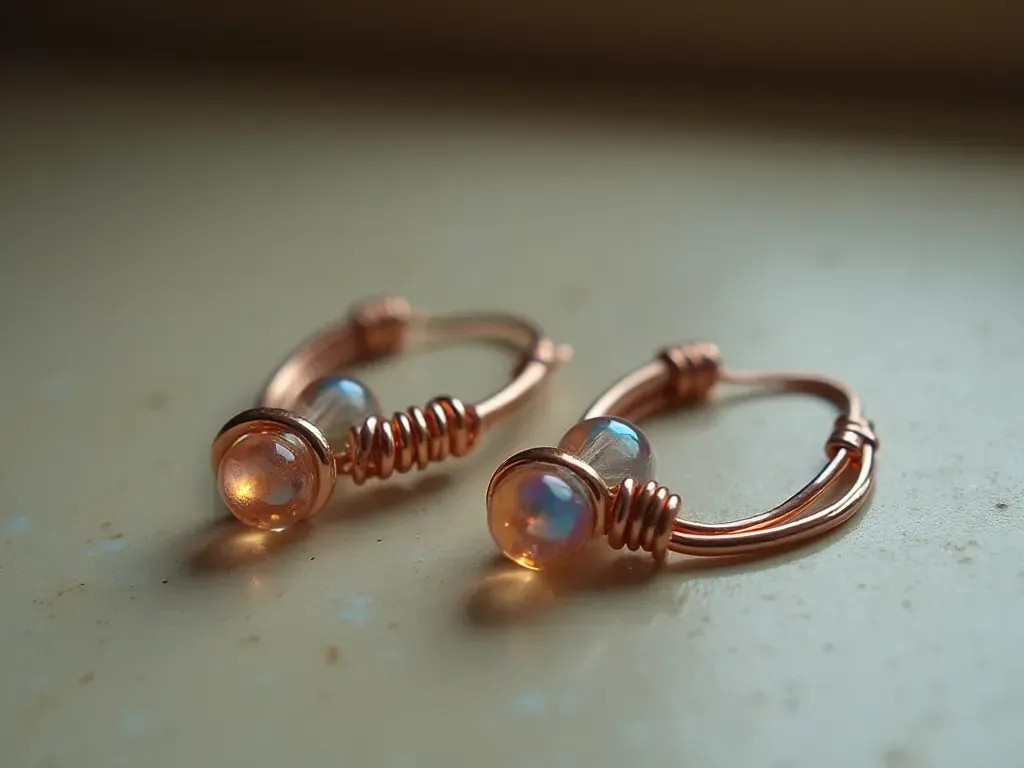
Which is exactly why why a $4 copper wire bracelet is beating your designer jewelry in blind tests is becoming such a popular topic among fashion enthusiasts.
You can test this yourself. Bend a cheap clasp, then bend a handmade one. Compare.
The Economic Argument For Local Craft
Buying local keeps money in the community. It supports skilled workers and sustainable practices.
Austin has a vibrant scene of independent makers. They're changing the landscape of handmade jewelry in Austin by focusing on quality over quantity.
This shift isn't just a trend. It's a fundamental change in how we value craftsmanship.
How To Spot A Genuine Handmade Piece
You don't need to be an expert to tell the difference. Just look for specific details.
Three Things To Check Before You Buy
First, check the weight. Genuine handmade pieces feel substantial in your hand.
Second, examine the joints. They should be smooth and seamless with no visible gaps or rough edges.
Third, ask about the materials. A true artisan will know exactly where their metal comes from and how it was processed.
Those small checks can save you a lot of money down the line. And honestly? You'll appreciate your jewelry far more when it lasts.
The Future Of Accessory Culture In Austin
What people value is shifting, and fast. Sustainability and authenticity now sit at the top of the list.
Local makers are leading that charge with innovative designs and ethical sourcing methods that big brands cannot match.
It's not just about jewelry. It's a broader movement toward conscious consumption across all of fashion.
Support local artisans and you're investing in a future where quality and ethics go hand in hand.
Frequently Asked Questions
Why is handmade jewelry from Austin more durable?
Handmade pieces use thicker wires and precise soldering techniques. That creates stronger bonds that resist wear better than mass-produced items.
How can I tell if a piece is truly handmade?
Check the weight, inspect the joints for smoothness, and ask the maker about material sourcing to verify authenticity.
Is buying local jewelry more expensive?
Prices vary by complexity. Some pieces cost more upfront, but the longevity and ethical value often make them the better long-term investment.