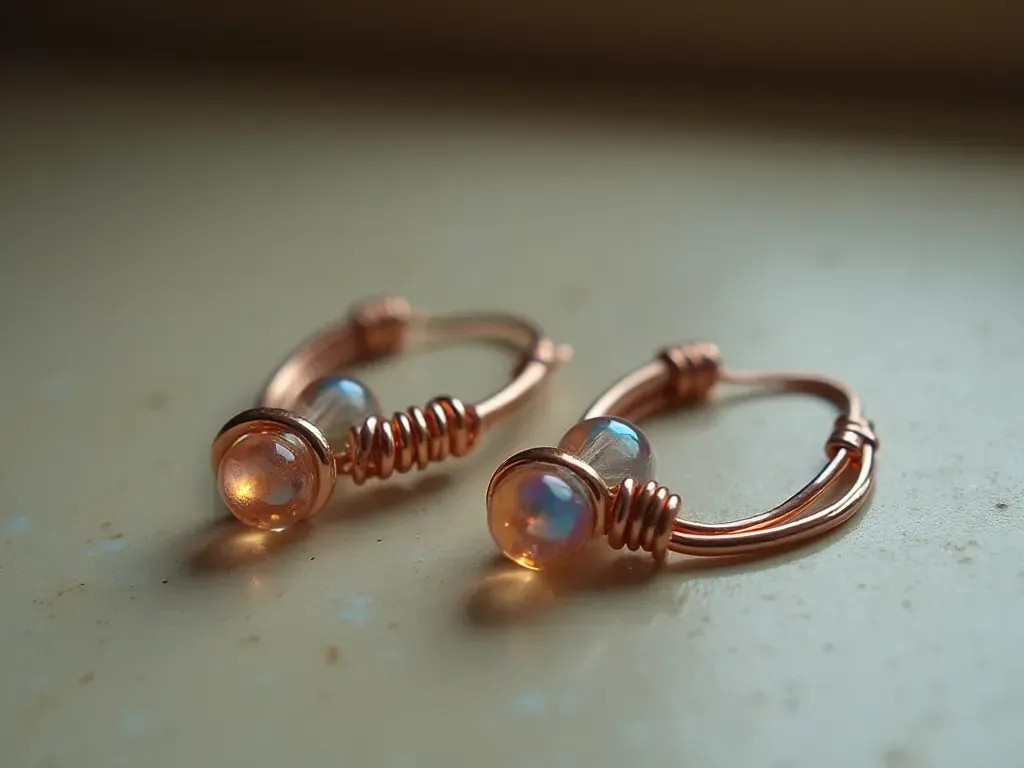
How to Identify Authentic Handcrafted Jewelry in 2024
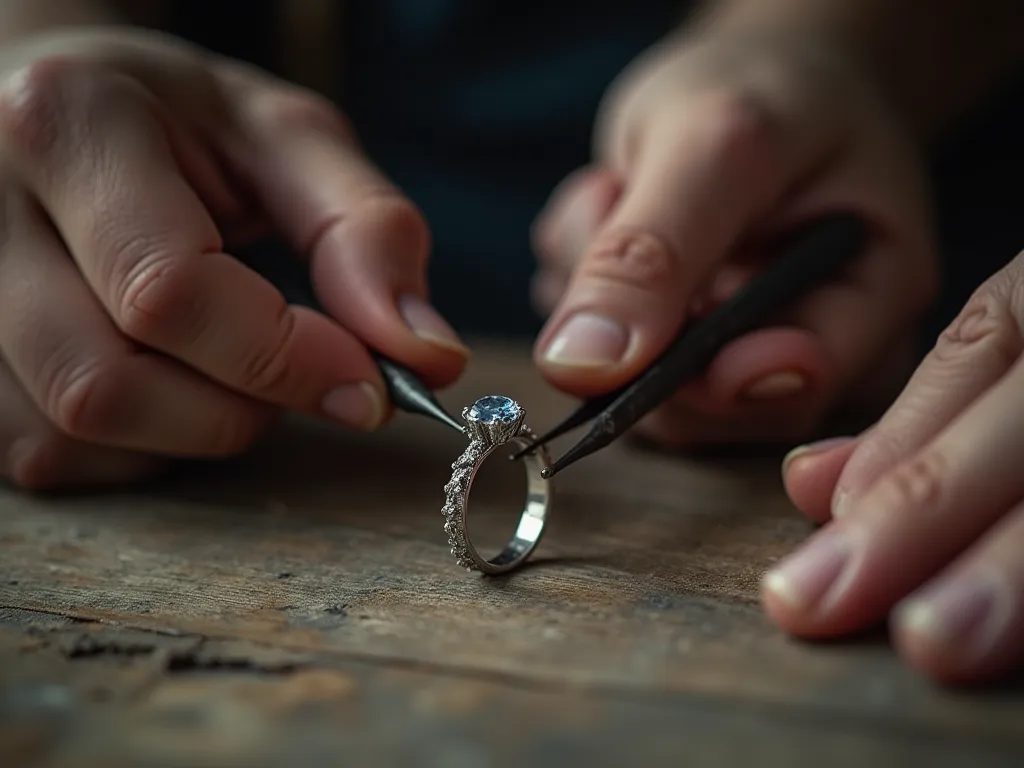
The core forensic distinction lies between 'hand-fabricated' jewelry—made by hand without casting machines or automated fabrication—and cast pieces, where this article provides a protocol to distinguish intentional variation from flaws.
Examine the prong settings closely for micro-differences in height and angle. In a true hand-set piece, each prong is bent over the stone individually by an jeweler’s hands. These adjustments often vary by just a fraction of a millimeter, creating organic irregularities that automated casting cannot replicate.
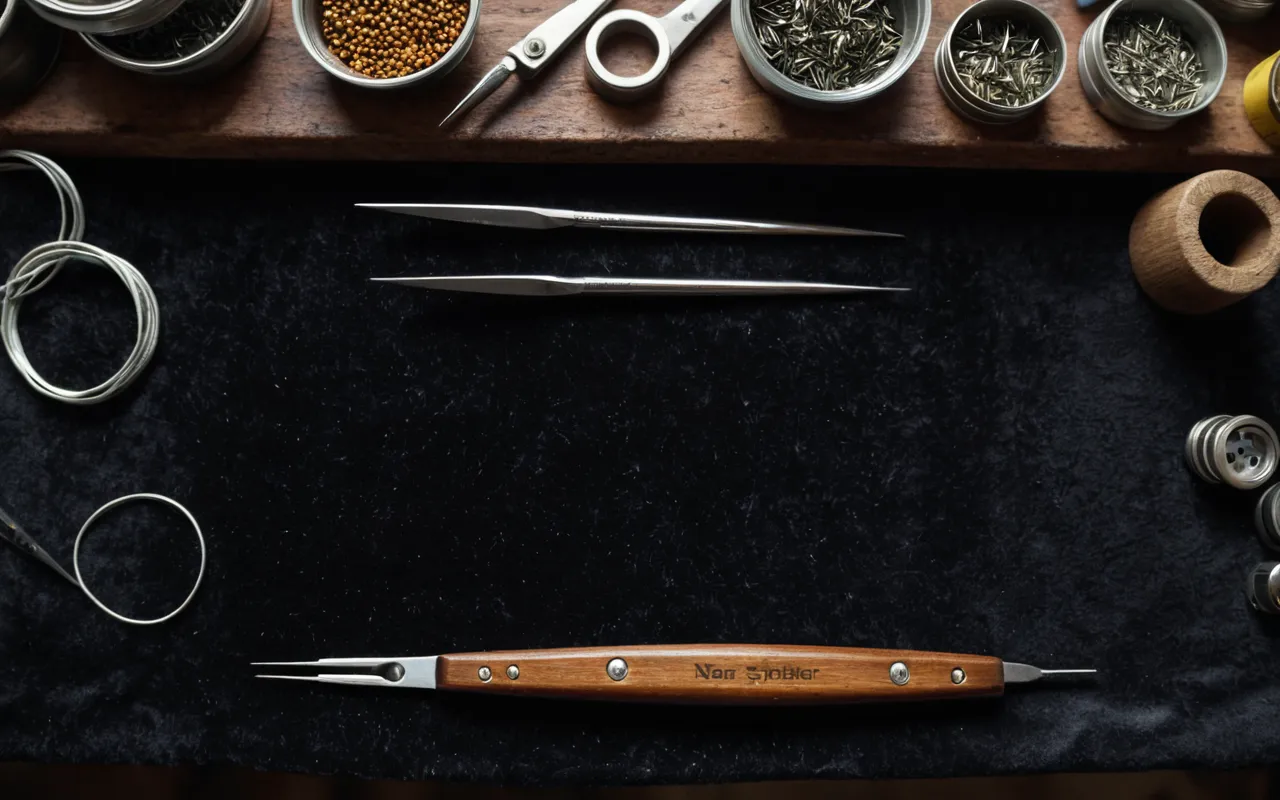
Inspect metal surfaces for faint tool marks or slight variations in wire shaping. Human fabrication leaves behind these tactile traces, confirming the piece was formed without molds or automated machinery. These imperfections are not defects but evidence of direct manipulation and skillful finishing by a craftsman.
Compare two similar pieces side-by-side to observe natural variances between them. A handcrafted item will never be identical to its counterpart due to the inherent unpredictability of manual processes. These small differences indicate a non-industrial origin rather than poor quality control or manufacturing error.
Material Integrity: Stamps and Surface Finishes
Verifying Metal Purity
Examine the interior surfaces of rings or the backs of pendants for a clear 925 stamp. This hallmark confirms sterling silver purity, which is standard in genuine artisanal work. If the metal feels heavy and cool to the touch but lacks this specific marking, treat it with suspicion rather than curiosity.
Artisans often leave slight tool marks near these stamps as evidence of manual finishing. These micro-irregularities are signs of human labor, not defects. A perfectly smooth area around a stamp can sometimes indicate machine polishing that has erased the subtle texture created by hand files.
Assessing Surface Coatings
Hold the piece under natural light to evaluate its reflectivity. Mass-produced items frequently feature an overly bright, mirror-like coating known in the trade as a "China finish." This high-gloss layer is rare in high-end hand-fabricated pieces because artisans prefer matte or satin finishes that highlight texture and form.
If the surface looks like glass with zero depth, it likely relies on a chemical coating to hide inferior metal. True handcrafted silver develops a unique patina over time that enhances its character rather than masking the material's identity.
Inspecting Gemstone Placement
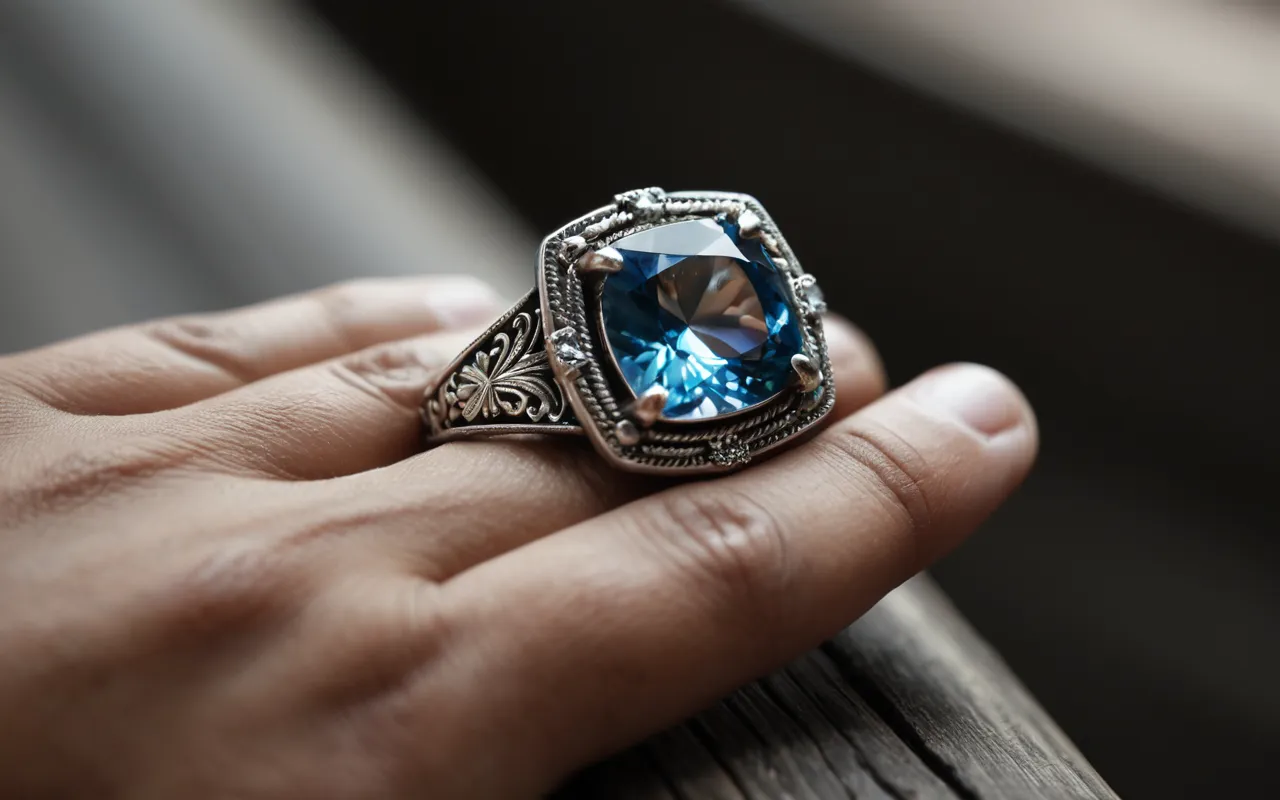
Examine light refraction cues around gemstones; hand-set pieces exhibit micro-variations in prong height and angle that disrupt perfect symmetry, whereas machine-placed stones maintain rigid, identical elevations.
Look for prongs that are not perfectly identical; one might be slightly taller or curved differently to secure a specific cut securely. This irregularity proves the jeweler adjusted each setting by hand to maximize light performance and stability, rather than using a standardized mold.
Construction Techniques: Soldering and Assembly Cues
Soldering Precision
Examine the joints where components meet, paying close attention to the solder flow. Authentic hand-soldered pieces exhibit clean, precise joins that sit flush with the metal surface rather than bulking out with excess material. This level of control indicates a jeweler who manages heat carefully to avoid warping delicate elements.
Cleanliness of soldering is one of five key criteria for recognizing authentic traditional work.
Ultrasonic bonding or adhesive assembly often leaves behind rough, uneven seams that catch the light differently than a true metallic fusion. If the joint looks like it was glued on rather than melted into place, the structural integrity may be compromised over time. This distinction is critical for pieces intended to last.
Assembly Logic
Assess how individual elements are integrated into the final piece. In beadwork or linked chains, thread tension naturally varies across the length of a handcrafted item, creating subtle shifts in drape and weight distribution. Machine-assembled counterparts often display uniform rigidity that lacks this organic flow.
Complex structures like filigree require significant manual dexterity to intertwine thin wires into stable patterns. Observe the regularity of these motifs; while slight variations exist, the overall harmony must remain consistent between shape and decoration. Sloppy assembly disrupts this balance, making the piece feel disjointed rather than cohesive.
This attention to structural detail often reflects a broader commitment to craftsmanship seen in high-end sustainable ateliers where every component serves both aesthetic and functional purposes. Verify that each part contributes to the whole without forcing unnatural alignments.
Seller Transparency: Verifying Claims Beyond the Photo
Verify seller claims by requesting specific documentation artifacts such as material certificates or batch numbers that prove the handcrafted nature of the piece. Request product sheets that specify materials, treatments, and origin rather than relying on vague marketing copy. Genuine makers treat provenance data as essential documentation because it validates the labor-intensive processes involved in creating unique pieces.
Examine whether the brand explicitly states they work in small batches or limited quantities to align with artisanal standards. Mass-produced items often feature generic descriptions that apply across hundreds of units, whereas true handmade goods come with precise details about specific runs. Look for clear statements regarding production volume and material sourcing as a baseline for credibility.
Assess the quality of customer support by observing how representatives answer technical questions about the making process. A genuine maker can explain why certain edges are finished in a specific way or discuss the nuances of their soldering methods without hesitation. Generic responses that deflect to standard return policies often indicate a middleman rather than the creator.
Visible details in photos should match the written descriptions exactly, ensuring no discrepancies between digital presentation and physical reality. Real support from the seller serves as a final verification layer when visual inspection is limited by online browsing constraints. If answers feel rehearsed or lack specific technical knowledge about material handling, treat that ambiguity as a significant red flag before completing any purchase.
Common Misconceptions: When Imperfection Is Actually Quality
Uniform symmetry often signals automated duplication rather than artisanal skill. A human hand introduces micro-variations in pattern alignment and edge finishing that distinguish unique pieces from mass-produced inventory. These organic irregularities are evidence of manual shaping, not manufacturing errors.
Unusual gemstone selections frequently indicate direct artisan sourcing rather than reliance on standard commercial stock. Materials like su coccu (onyx) carry specific cultural weight in Sardinian handcrafted jewelry, linking the piece to concepts of protection and good luck. Such choices reflect intentional material integrity over generic aesthetic trends.
Dismissing a surface texture as rough often overlooks deliberate manual polishing techniques. Hand-finished surfaces retain subtle tactile qualities that machine sanding erases, creating depth and character absent in industrial goods. Evaluating these features requires recognizing them as markers of skilled labor rather than defects.
Frequently Asked Questions
Does handmade jewelry always have to be expensive?
Handmade jewelry does not necessarily require a high price tag. Authentic artisanal pieces are defined by their creation through traditional techniques and individual design rather than cost alone. The value lies in the skilled labor and small-batch production methods used by artisans.
Can I identify hand-fabricated gold without a loupe or magnifier?
You can often spot hand fabrication cues with the naked eye. Look for micro-differences in prong heights and angles, which vary slightly due to individual bending. Additionally, checking for visible tool marks instead of machine perfection helps distinguish these pieces from mass-produced items.
What is the difference between 'handmade' and 'artisanal' in legal terms?
In most jurisdictions like the EU and US, there is no strict legal definition distinguishing 'artisanal' from 'handmade.' However, material stamps such as '925' or '14k' are legally regulated. Therefore, rely on these verified material indicators rather than marketing adjectives when assessing authenticity.
For the full overview, see handmade jewelry guide.
Related in this series: types of handmade jewelry styles.