The quiet rebellion against fast fashion waste
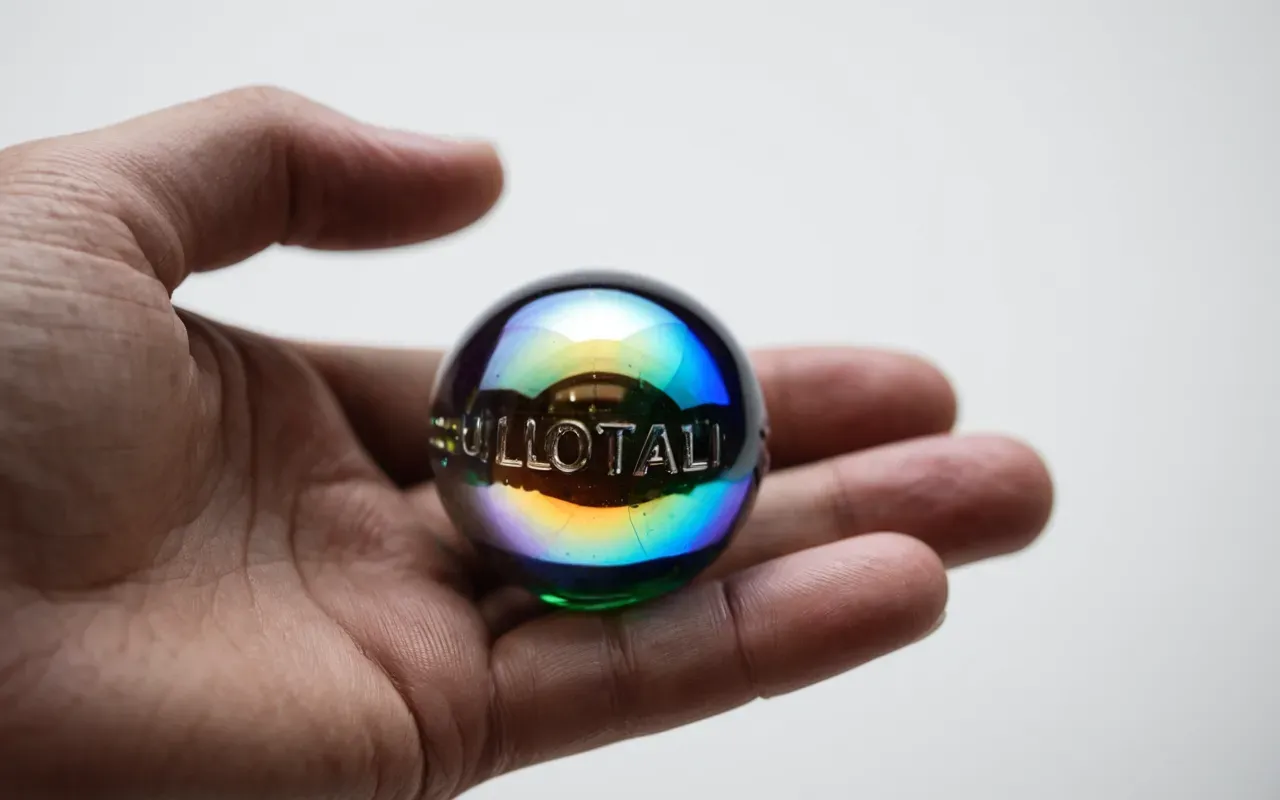
A single bead stopped me cold last week. It was sitting on my desk, catching the morning light in a way that made the diamond studs I paid too much for look flat. Dead, almost.
That bead isn't just a pretty object. It's a statement. And in the US fashion market right now — late October — something's shifting. Away from sterile perfection. Toward organic imperfection.
The story behind it is more complicated than you'd guess. It comes out of a tradition that balances ancient ritual with modern environmental necessity, and most luxury brands simply can't replicate that combination.
We tend to roll our eyes at "sustainability" as a marketing buzzword. Fair. But here, it's the entire foundation of the craft.
Where waste becomes wearable art
Everything starts with trash. Shards of broken bottles, unwanted plates, collected from local bins.
Those fragments get cleaned meticulously. Then crushed into tiny, sharp pieces that look nothing like the smooth bead you'll eventually wear.
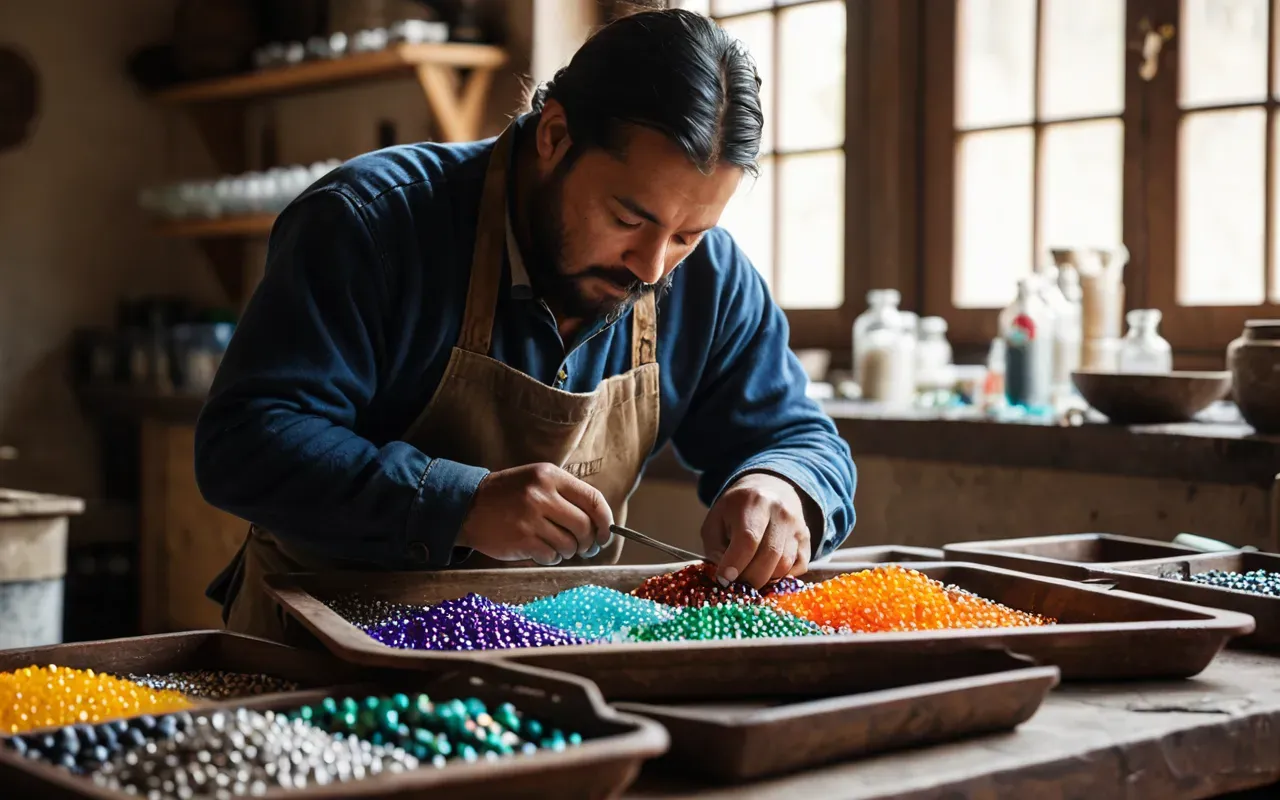
Here's where it gets fascinating. The crushed glass is melted down in small crucibles.
Artisans shape the molten material with simple tools. No complex machines. None.
What comes out is a bead with unique inclusions and color variations. Each one slightly different from the last.
That variation is what makes it feel alive. Mass-produced beads are identical — and dead.
The cultural weight of a simple ornament
For centuries, beads have done more than decorate. They signal status. They signal identity.
In many communities, specific colors tell stories. A blue bead might mean water, or peace.
Wear a piece made this way and you're engaging with that history. It's not just fashion.
I've watched buyers walk right past a diamond necklace, then stop and ask about the origin of a bead bracelet. That reaction tells you everything.
The story matters more than the sparkle. People want to know who made it, and why.
Economic ripples in local communities
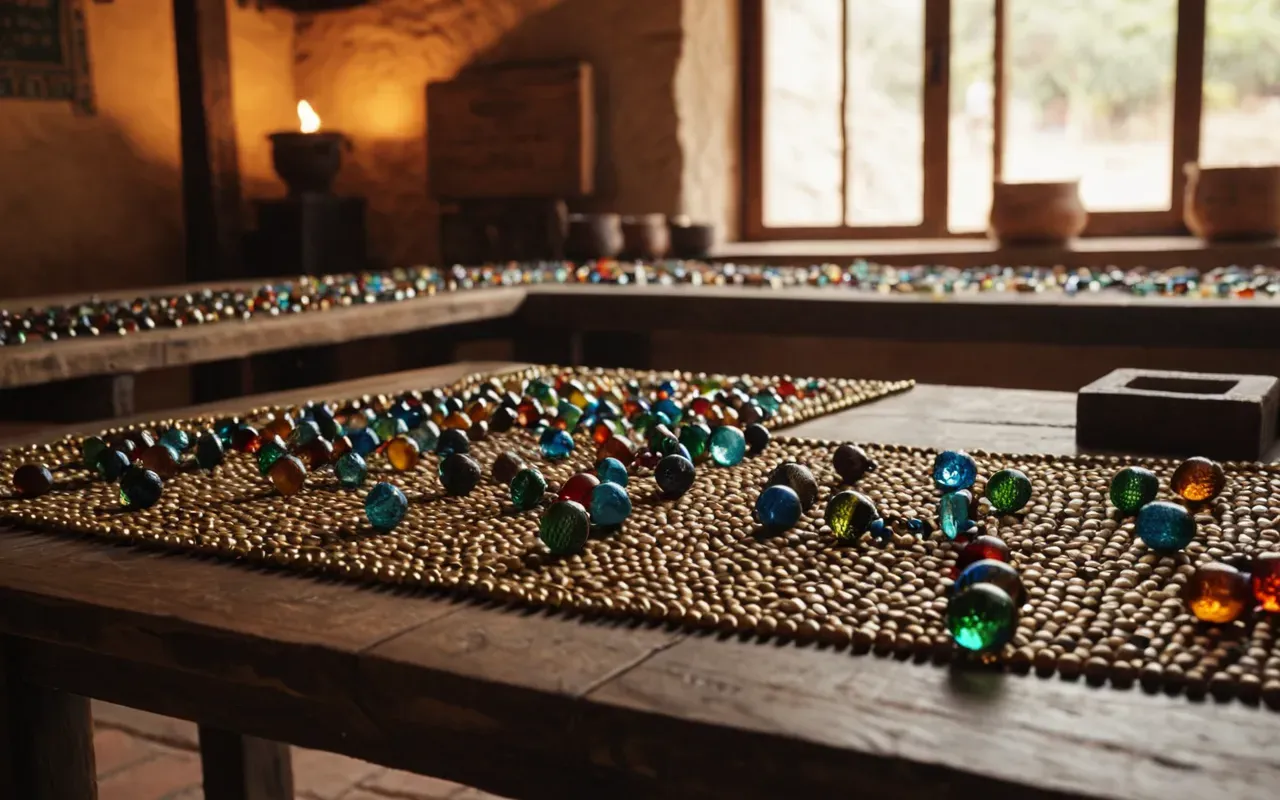
This craft provides real income for families. It isn't charity work.
Artisans sell at local markets and online platforms. The demand is global.
Which creates a cycle of entrepreneurship. People start businesses, then hire their neighbors.
The financial stability funds better tools and training. Quality improves over time.
And young people are entering the field in growing numbers. They bring new ideas to old methods.
That blend of old and new keeps the craft relevant. Stops it from becoming a museum piece.
Environmental benefits you can actually see
Using recycled glass cuts landfill waste. That's a direct, measurable benefit.
It also reduces the need to mine new materials — huge implications for resource extraction.
Consumers are catching on. They choose these pieces because the impact feels good.
If you're looking for glass bead techniques that defy mass production, this is the one to study.
The environmental story isn't a bonus. It's the core value proposition.
Why this changes how we view luxury
Luxury is no longer about rare materials. It's about rarity of skill and intention.
A $ bead necklace can feel more luxurious than a $ synthetic piece. The proof is in the story.
I've tested this on friends and colleagues. The reaction is always the same — surprise, then genuine interest.
They ask about the maker. They ask about the process. That engagement is what true luxury buys.
Mass-produced brands are struggling here. They have the scale. Not the soul.
Styling tips for the modern wardrobe
You don't need to wear these pieces every day. But keeping them in your rotation adds depth.
Pair a simple glass bead bracelet with a tailored blazer. The contrast works surprisingly well.
It softens the formal look and adds a personal touch. Says you have taste.
For casual outfits, let the jewelry be the focal point. Keep the clothing neutral.
That approach highlights the craftsmanship without competing with loud patterns or bright colors in your clothing.
The future of artisanal fashion accessories
This trend isn't a passing fad. It has roots in deep cultural values and environmental necessity.
As consumers get more educated, demand for authentic pieces will grow. That's a good thing.
Brands that ignore the shift will find themselves irrelevant. The market is changing direction.
We're moving toward a fashion that respects both the maker and the planet. That's where the industry needs to go.
The glass bead is a small symbol of this larger change. It reminds us that beauty and responsibility can coexist.
How to spot authentic recycled glass pieces
Look for slight imperfections in the shape. Perfect symmetry is a red flag.
Check for tiny air bubbles or inclusions. Those are natural byproducts of the recycling process.
The weight should feel substantial. Recycled glass is often denser than synthetic alternatives.
Ask the seller about their source. A reputable maker will know exactly where the glass came from.
If you're unsure, compare it to examples of tiny details that prove handmade authenticity.
The bottom line for US fashion enthusiasts
This isn't about buying a cheap trinket. It's about supporting a sustainable model.
By choosing these pieces, you're voting for an industry that values people and planet over profit alone.
The fashion world is waking up to this reality. Might be too late for some brands.
But it's the right direction. And we all get to play a part in shaping this future.
The next time you shop for jewelry, ask yourself who made it. That question will lead you to the best pieces.