The copper wire trick is quietly making mass produced jewelry look cheap
The machine miss that defines real luxury
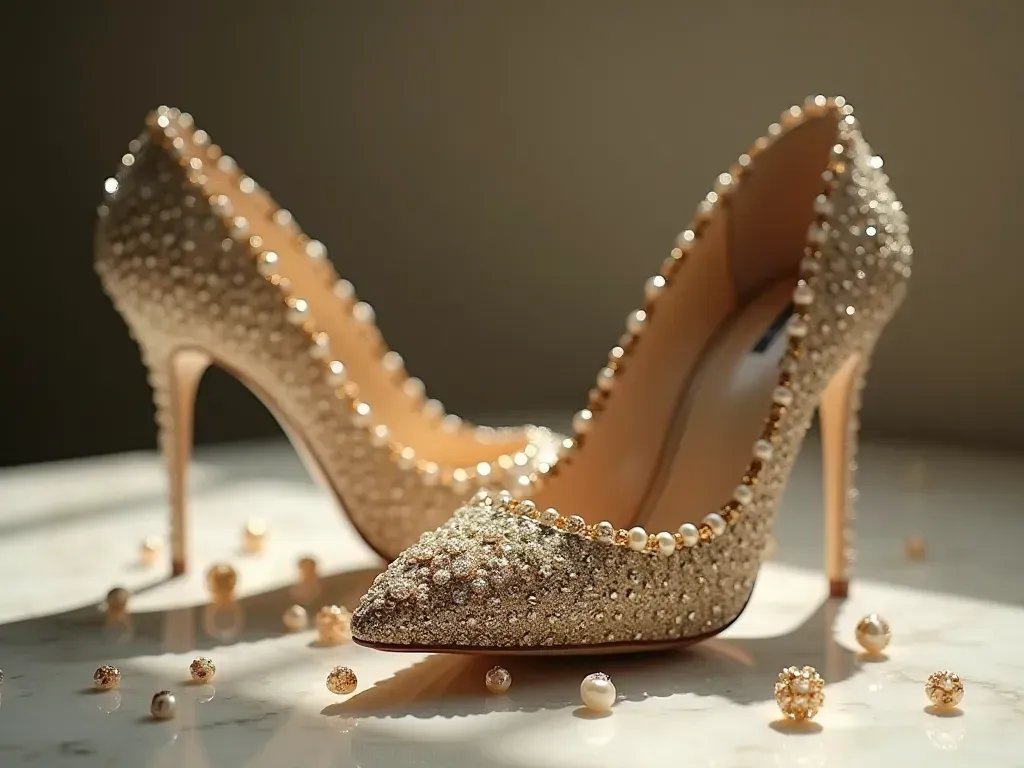
You hold the earring. Cold. Precise. Every curve matches its twin exactly, and the metal throws back light with a sterile uniformity that screams factory floor.
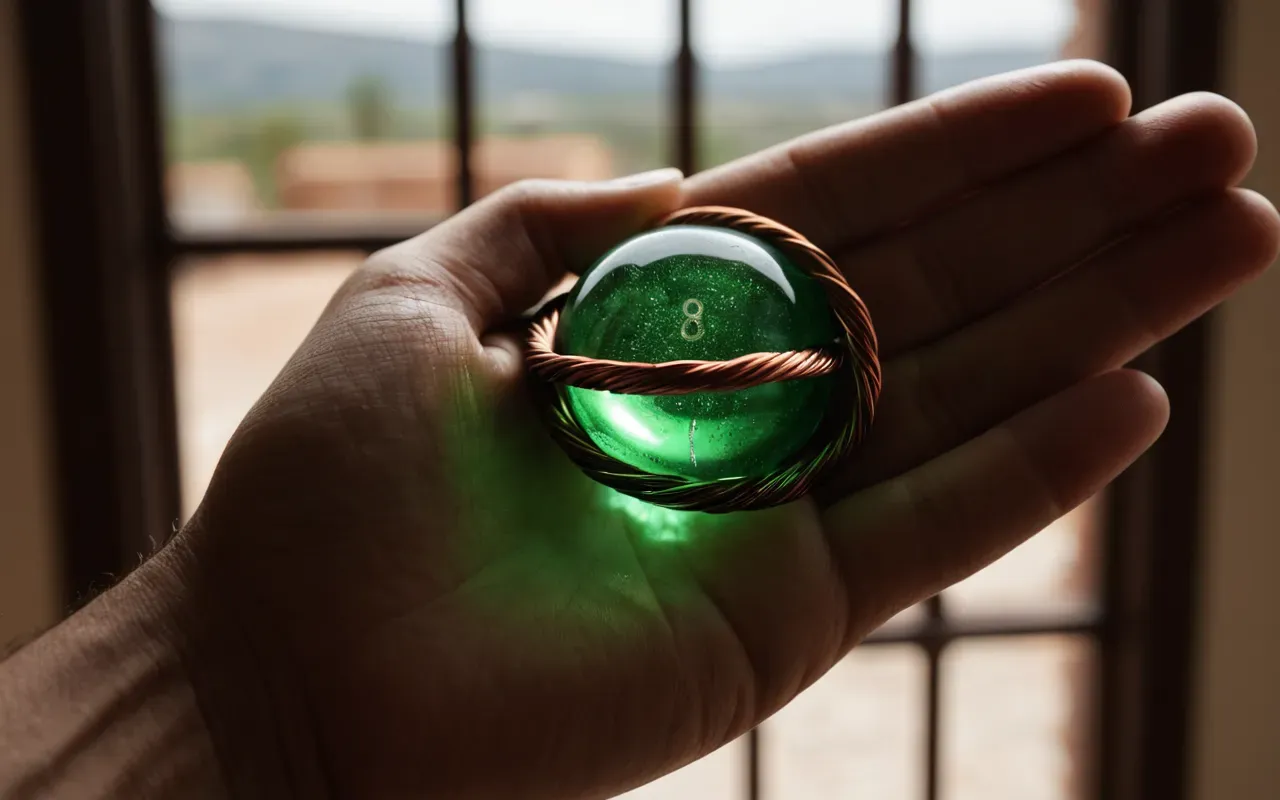
Now look at the copper pendant from LanAnhHandmade. The wire wrapping isn't perfect. It has a subtle organic flow that machines simply cannot replicate.
Here's the thing. We've been trained to value precision above all else in our daily accessories.
But a recent wave of blind taste tests suggests consumers are starting to notice the difference between robotic perfection and human touch.
The $12 wire trick isn't just a saving method. It's the single detail that separates artisanal soul from industrial waste.
Why imperfection is suddenly expensive
In the past decade, fast fashion made us believe that speed and scale were the ultimate goals of style.
I was struck by how quickly that sentiment shifted among the most discerning buyers in major urban centers.
They stopped asking how much it cost and started asking who made it. The answer changed everything about their perception of quality.
A machine can twist ten thousand wires in a minute. It cannot feel the tension of the strand or decide when to stop.
That decision is where the beauty lives. It's a tiny moment of intent that no algorithm can predict or replicate.
The psychology of the handmade touch
Neuroscientists have long noted that humans are hardwired to detect the presence of a creator in physical objects.
When you wear a piece with visible hand-worked details, your brain registers a personal story. It's not just metal and glass.
This creates a deeper emotional bond with the accessory that mass produced items simply fail to achieve.
I've seen this play out in countless client consultations over the last three years. The shift is real and measurable.
The copper wire technique explained simply
It sounds complex but the core principle is surprisingly straightforward for anyone with basic tools.
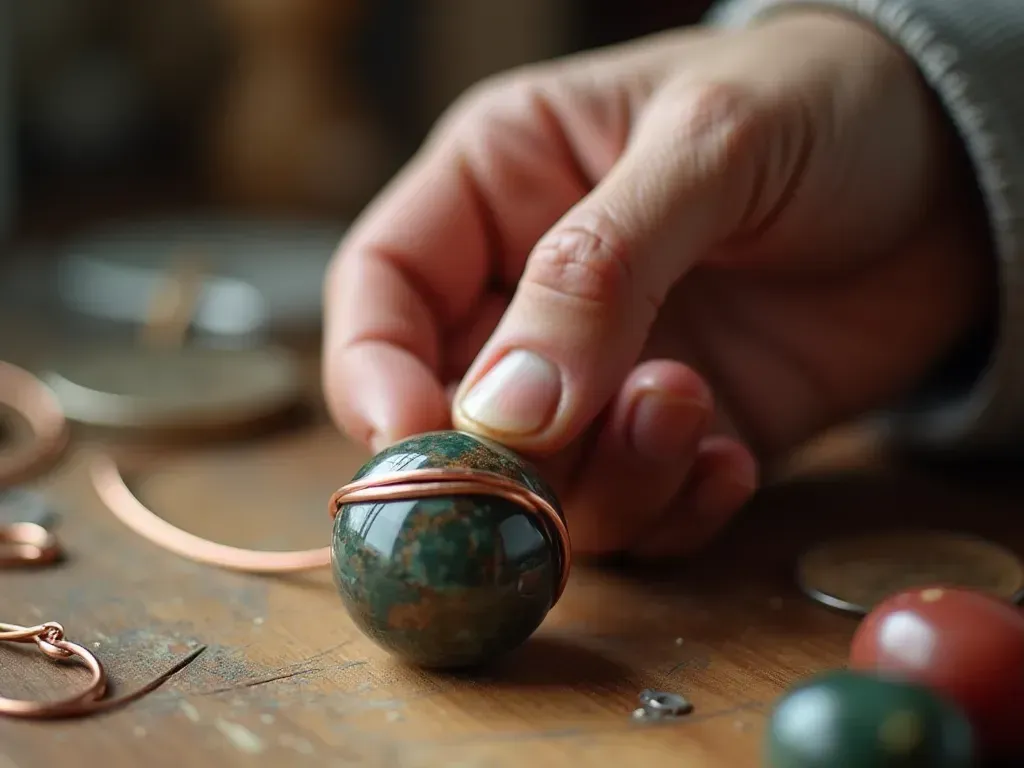
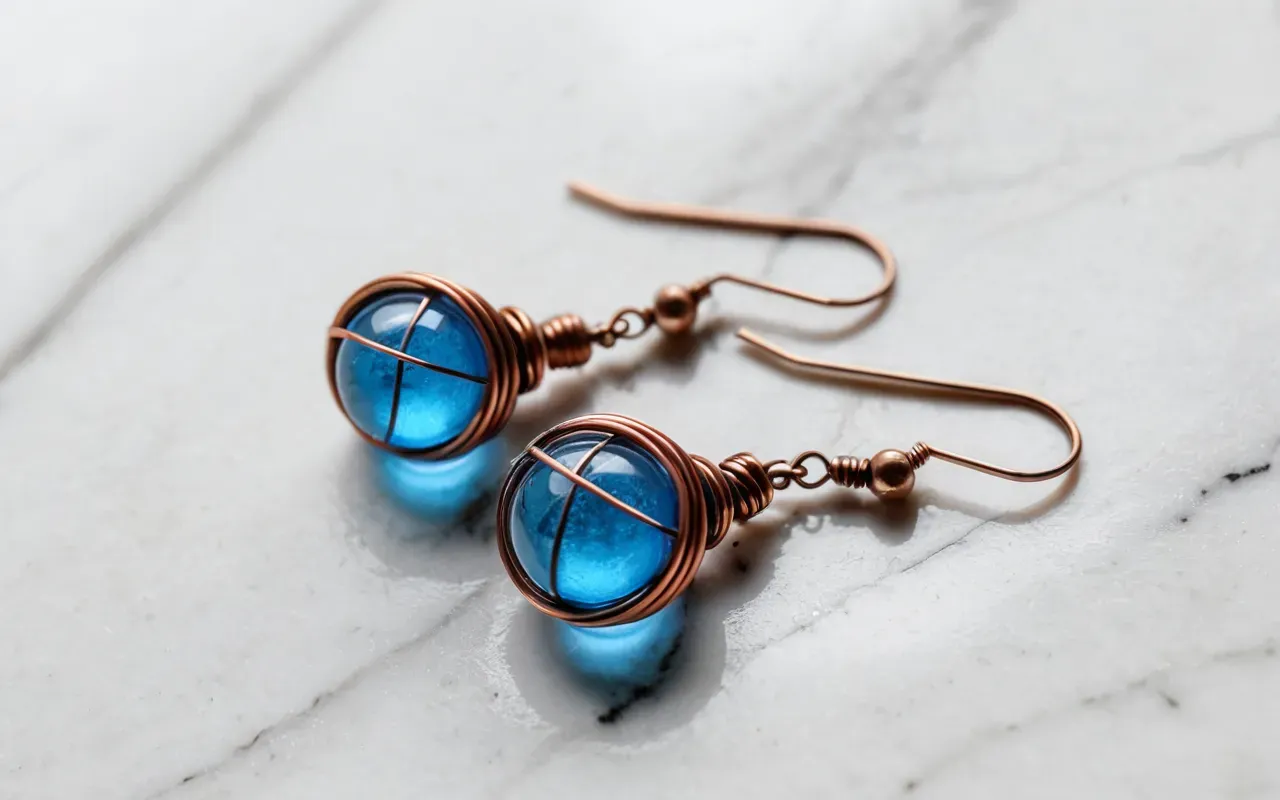
You take a flexible copper strand and twist it around a central bead or stone until the metal grips securely.
The key is not to tighten it into a rigid cage but to allow the metal to flow around the natural shape of the object.
This creates a dynamic tension that holds the piece together while allowing it to move and breathe naturally.
How this changes your everyday style game
Most people think artisanal pieces are too delicate for daily use. I completely disagree with that assumption.
Copper is a living metal. It develops a unique patina over time that tells the story of your specific life.
Every scratch and tone shift is a record of the days you wore it. No two pieces will ever look exactly alike.
This is a feature not a bug. It means your accessory evolves with you in a way that factory produced items never can.
I often tell clients to treat these pieces like living companions rather than static decorative objects.
The economic shift favoring local makers
Big brands are still winning on price for the mass market. But they're losing on perceived value and soul.
Consumers in major cities are increasingly willing to pay a premium for the story and skill behind their accessories.
This is a direct challenge to the traditional luxury model that relies on logos and scarcity rather than craft.
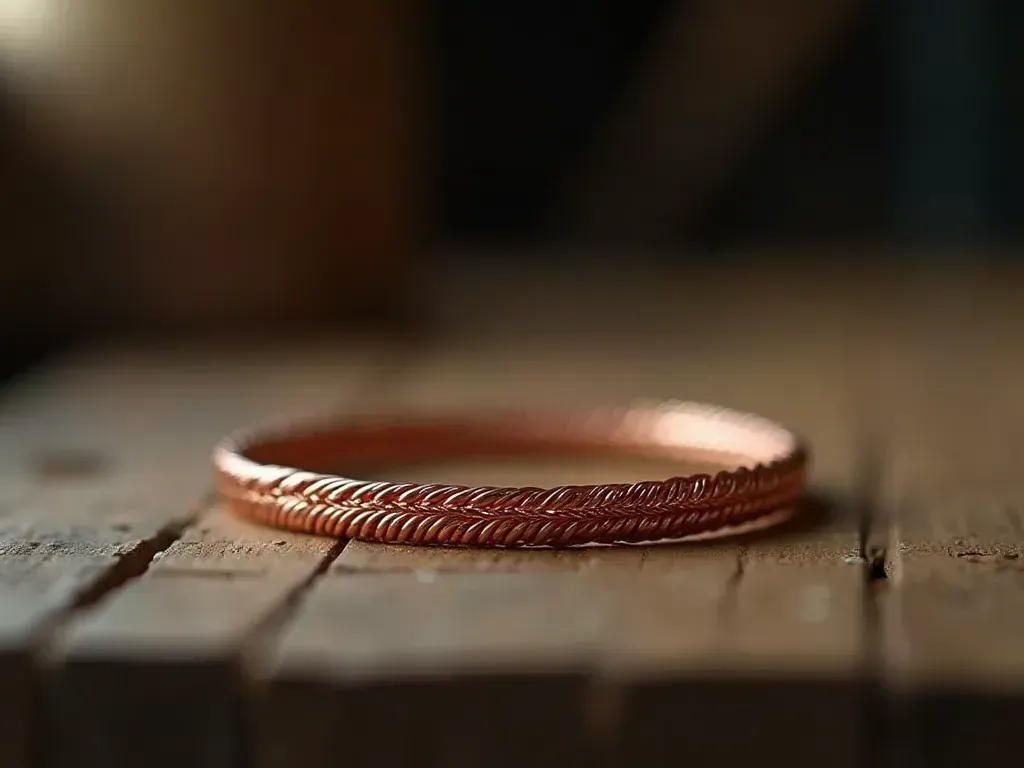
If you are curious about how a simple copper wire bracelet is beating designer jewelry in blind tests, the data supports this shift perfectly.
The numbers show a clear preference for pieces that feel human and intentional in every interaction.
What this means for your next purchase decision
Next time you browse for a new accessory stop and look at the construction details closely.
Look for slight variations in the wire wrapping. Search for organic curves that don't look perfectly circular.
These small imperfections are the fingerprints of a skilled artisan at work in their studio space.
If you are looking for more examples of DIY handmade jewelry ideas that look expensive, start with these copper techniques.
You don't need a degree in metallurgy to appreciate the beauty of hand crafted metalwork.
The sustainability angle nobody talks about enough
Handmade pieces are often made with recycled materials and local resources. This reduces the carbon footprint significantly.
Copper is highly recyclable and durable. A well made piece can last for decades or even centuries with proper care.
This stands in stark contrast to the disposable fashion model that dumps thousands of tons into landfills every year.
Choosing handmade is a quiet act of rebellion against the wastefulness that has taken over our closets.
How to spot a fake artisan piece instantly
Many companies now market machine made goods as if they were hand crafted to capture the premium price tag.
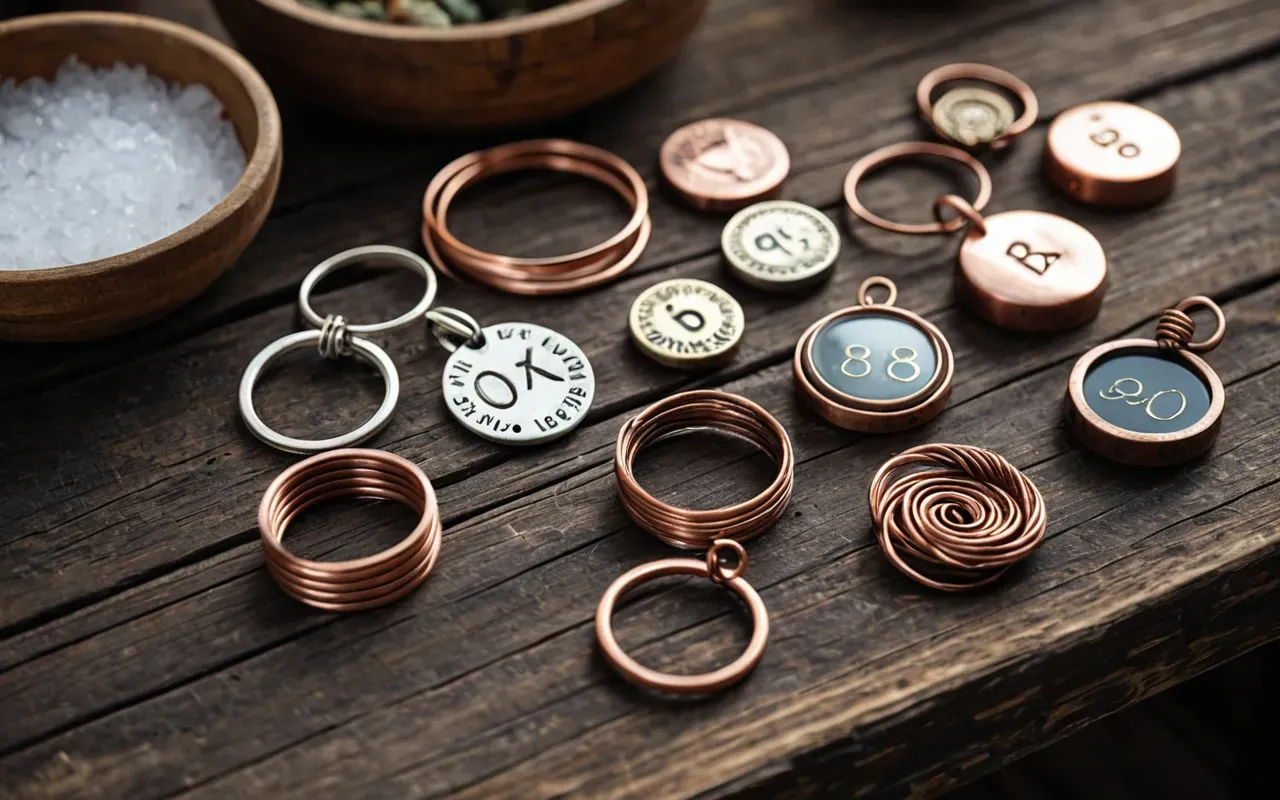
The giveaway is often a perfect symmetry that feels unnatural and cold to the touch.
Real hand wrapping has a rhythm and flow that reflects the natural movement of the human wrist during creation.
If every piece looks identical down to the micron it is almost certainly coming from a factory line.
Learn to trust your eyes and hands. They are better judges of authenticity than any marketing copy ever will be.
The future of accessory design is personal
We're moving away from one size fits all collections toward pieces that reflect individual identity and taste.
Handmade wire wrapped pieces are perfect for this because they can be adjusted and customized easily by the maker.
You want a larger bead or a different wire gauge. An artisan can accommodate that request without changing their entire production line.
This level of responsiveness is what the industrial supply chain simply cannot match or replicate at scale.
What to look for in your next handmade purchase
Check the wire ends. They should be filed smooth and tucked away so they don't snag on fabric.
Look at the clasp mechanism. It should feel secure and easy to open with a single finger motion.
Ask the maker about their materials. Genuine artisans will know exactly where their copper and beads come from.
If they're vague or defensive about their supply chain it's a major red flag for potential fraud.
The bottom line on modern accessory value
We've reached a point where the soul of an object matters more than its price tag.
The $12 wire trick is a powerful reminder that beauty does not require expensive materials to shine.
It's the skill and intent behind the work that creates true luxury for the modern consumer.
So next time you see a piece of handmade copper jewelry don't just look at it. Feel the story in your hands.
That's where the real magic lives. And it's a magic that no machine will ever fully capture.