The flamingo brooch that forced a global jewelry council to rethink who actually owns style
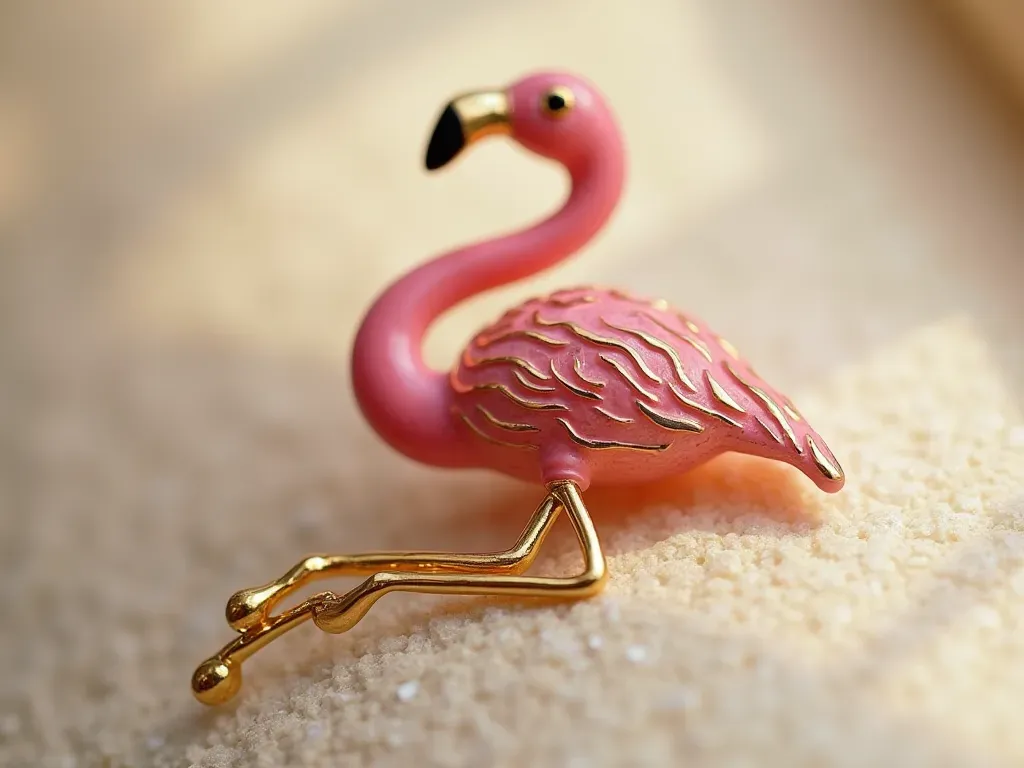
A flamingo brooch that changed the rules of luxury
Most people think high fashion gets decided in boardrooms. You know the image: polished executives in a conference room, picking out what we'll all be wearing next year.
But look closer at the Artisan Awards. A designer named Dip Sit won top honors for a piece inspired by Wallis Simpson.
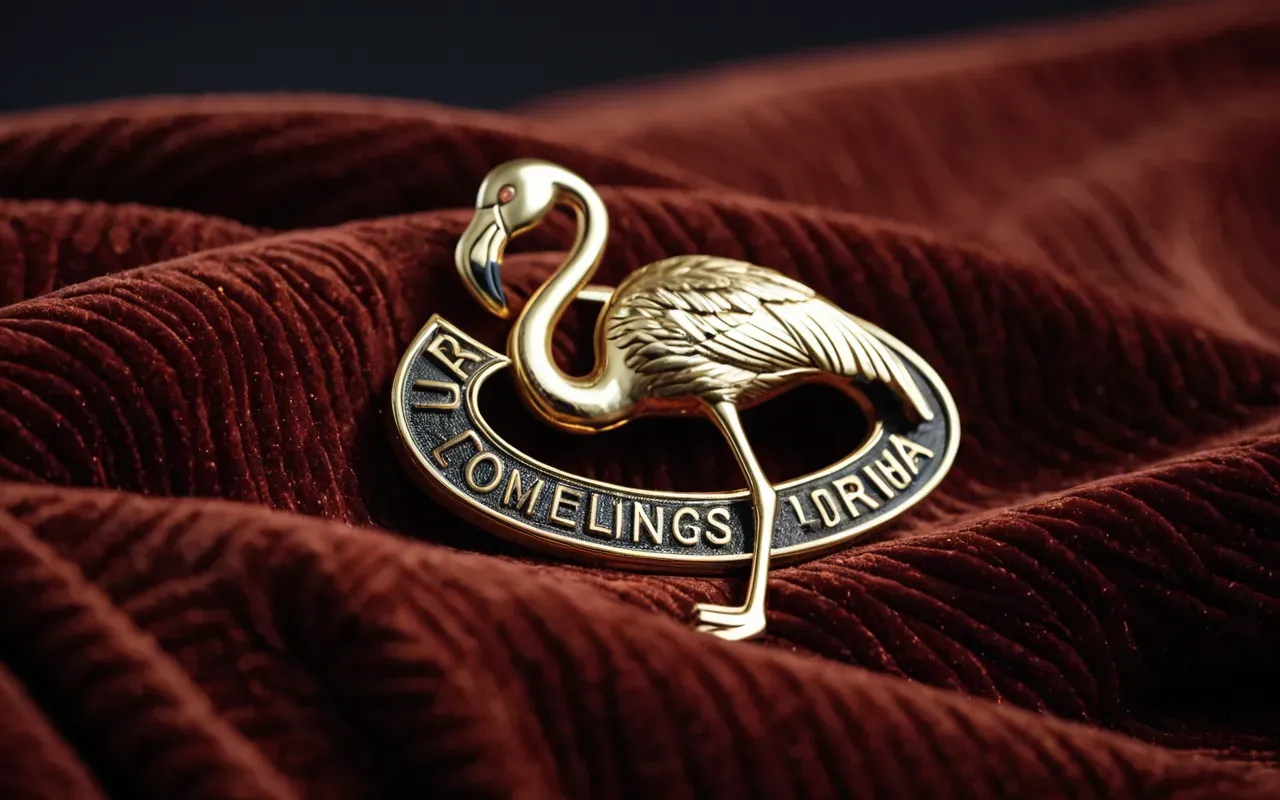
The winning creation featured an over-the-top flamingo. Bold. Unapologetically dramatic.
That single piece signals a shift. Handmade craftsmanship isn't just a hobby or a niche market anymore.
It's competing directly with legacy brands. And honestly? It's winning on style and substance.
Why three women define modern luxury standards
Elizabeth Taylor is a name everyone knows. Her jewelry collections were legendary for their scale and drama.
Then there's Wallis Simpson. She brought a different kind of glamour to the public eye.
Barbara Hutton rounded out the trio. Her philanthropy and taste created a unique legacy in fashion.
The Gem and Jewellery Export Promotion Council chose them for a reason. They represent the peak of adornment as identity.
Designers had to imagine what these icons would wear today. Tough brief — it demands historical knowledge and modern flair in equal measure.
The global competition behind the winning pieces
Five hundred and seventy entries arrived from around the world. Jewelers in multiple countries submitted their best work.
Judges looked for versatility and technical skill. They also wanted to see how well classics adapted to modern tastes.
The panel included experts like David Bennett. He's a former chairman at Sotheby's with deep industry insight.
Winners received cash prizes and internships. That mix of reward and opportunity is rare in the creative sector.
What this means for everyday style choices
You don't need a royal title to wear statement pieces. The lesson here is that confidence drives the look.
Plenty of shoppers still chase big logos. But this award shows that craftsmanship often beats brand recognition.
If you're curious about how to make handmade jewelry look expensive, study these winning designs.
The flamingo brooch isn't just a bird. It's a declaration that rules can be rewritten by those who make things with their hands.
The rise of narrative driven accessories
People buy stories as much as they buy objects. The background of a piece adds value that mass production can't touch.
This event proved that designers can compete with giants. They just need a strong narrative and technical precision.
For fans of handmade jewelry trends, this is a clear signal. Unique pieces are moving from niche to mainstream.
How you can bring this energy into your wardrobe
Start with one bold piece. A choker or a brooch can transform an outfit instantly.
Look for pieces with a specific inspiration. Knowing the story behind your jewelry makes it feel more personal.
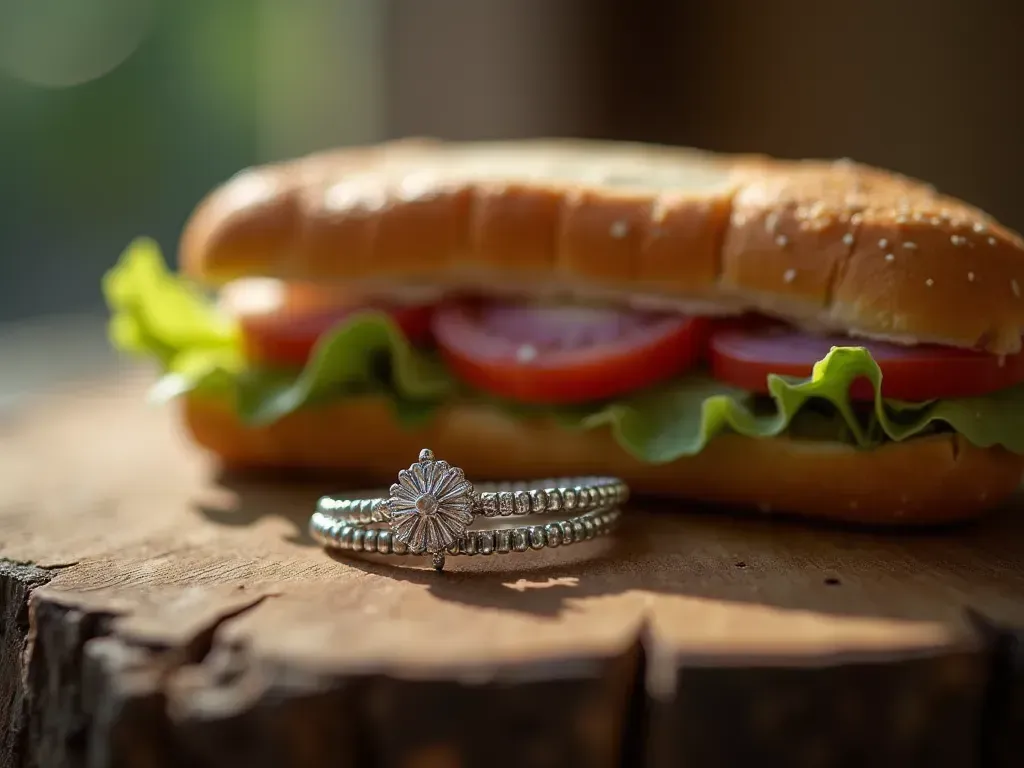
Don't underestimate the power of a single ring. It can anchor an entire look and add unexpected depth.
If you enjoy underrated materials, consider glass or resin blends. They offer unique textures that metal alone can't provide.
The key is intentionality. Choose pieces that speak to your identity rather than just following a trend.
The future of artisanal fashion in the US market
American buyers are increasingly seeking quality over quantity. They want pieces that last and carry meaning.
Sustainability is also a major driver. Handmade items often use fewer resources and generate less waste.
This awards event highlights a global movement. It shows that local craftsmanship can compete on the world stage.
For us in the US, that means more options. We can access high-level design without relying solely on traditional luxury houses.
The flamingo brooch is a reminder. It was made by hands, not machines. And that difference shows in every detail.