The tiny detail on your handmade jewelry that actually proves it is authentic
The flaw is the feature nobody wants to talk about
Here's the thing. Somewhere along the line we got trained to think perfection is the whole point of luxury. A perfectly smooth curve. A flawless finish. No visible joins.
But look closely at real artisans — Queens to Nairobi — and that smoothness starts to look like a red flag. It screams factory.
I had this hit me while examining a **Bonar Pearl Choker** from Yam. The pearls aren't identical spheres.
They vary in luster and shape. That's not a mistake. It's the signature of natural material handled by human hands.
Mass-produced brands use molds. Same micro-curvature, repeated thousands of times, until it looks sterile.
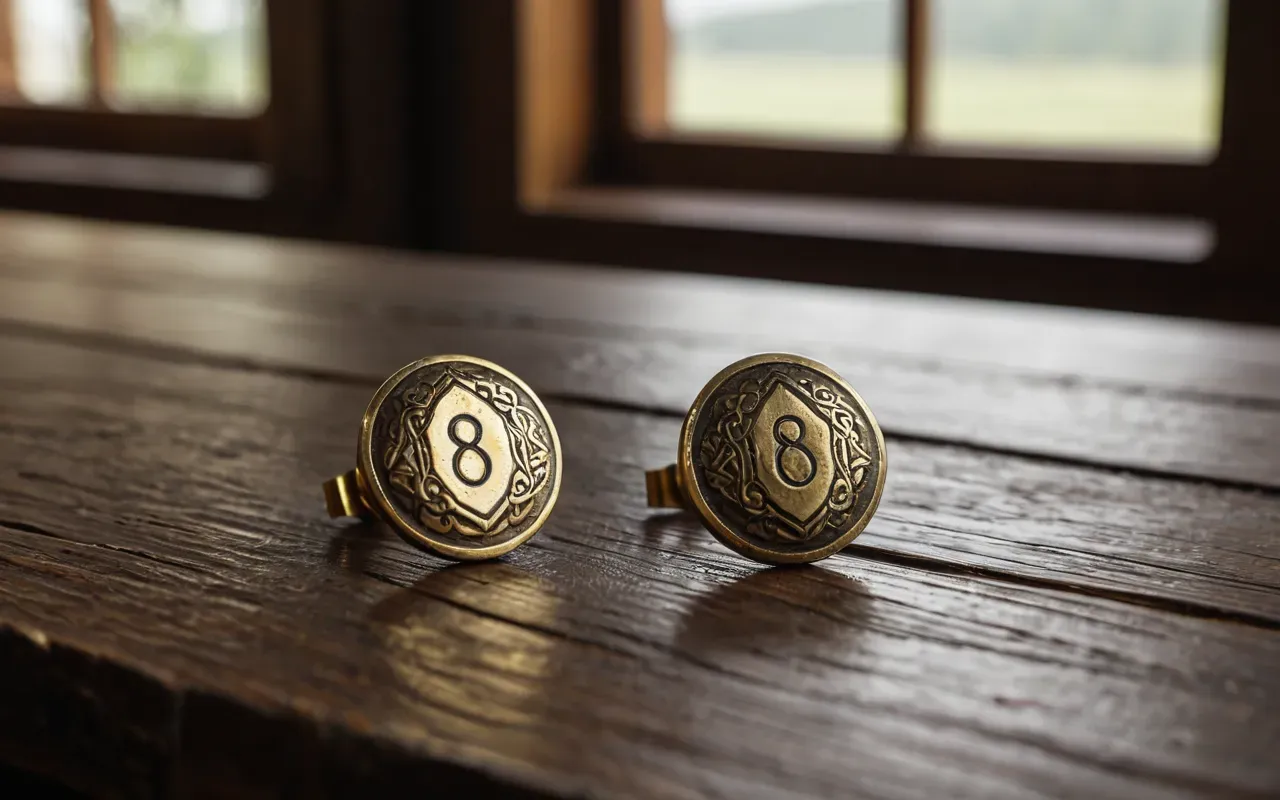
When you spot slight asymmetry in a **Crescent Moon Stud** from B. Yellowtail, that's proof of craft.
It means a person held the metal while it was heated and shaped. No machine does that.
Why sustainable brands are winning over fast fashion giants
The market is shifting. Consumers in the US are tired of disposable accessories that break after one season.
Brands like **Caralarga** are turning textile waste into stunning pieces. They use raw cotton threads from factories in Querétaro.
It's not just about looks. It's about the story behind the material.
Wear a piece made from discarded fabric and you're making a statement about consumption.
That resonates deeply with younger buyers who value transparency over logos.
The rise of the virtual factory model
Soko changed the game by creating a system that empowers artisans through technology.
They call it a virtual factory. It lets local craftspeople scale without losing their soul.
Here's the implication nobody talks about. Technology isn't just for big corps.
It's a tool for preserving traditional skills while meeting modern demand levels.
How to spot a fake handmade piece in under ten seconds
You don't need a microscope. You just need to look at the clasp.
Machine-made clasps are uniform. They snap shut with a perfect mechanical precision.
Hand-forged clasps have character. The solder points might be slightly uneven.
If the finish is too uniform, walk away. Real work has texture.
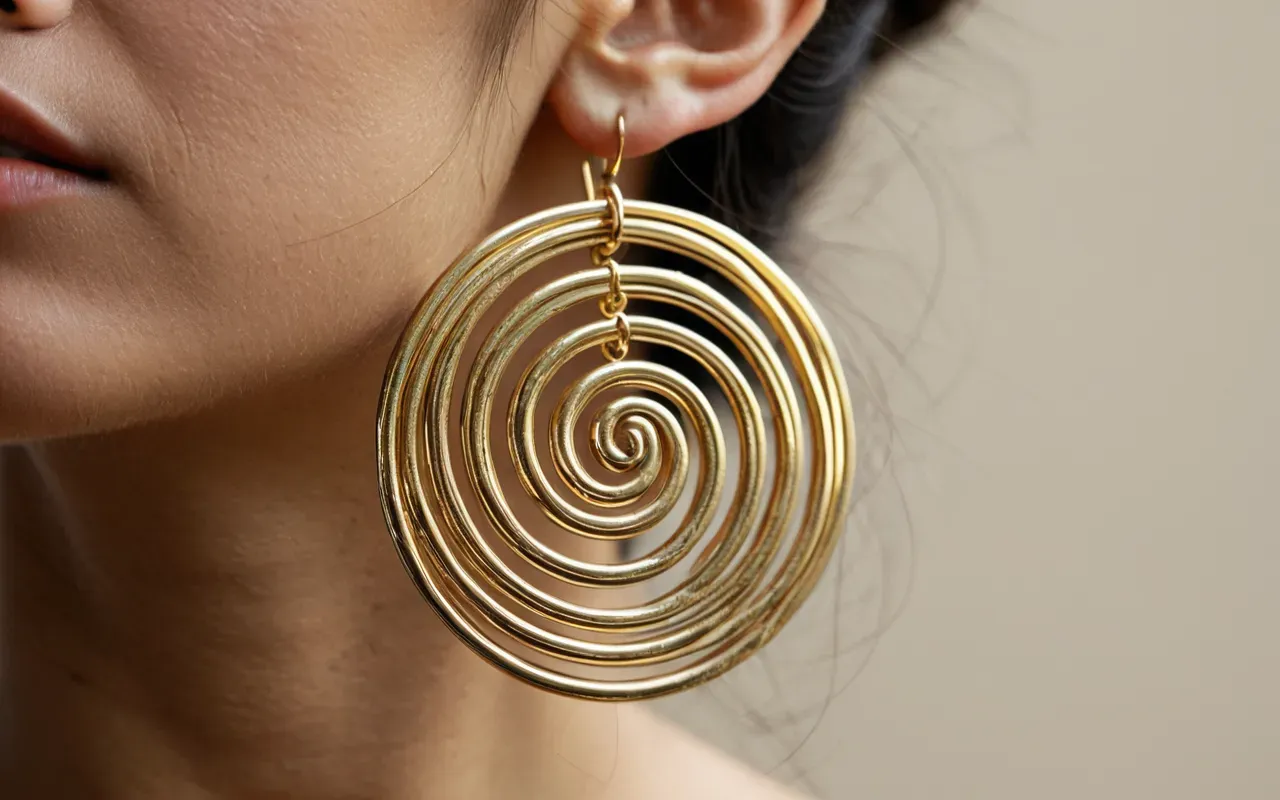
I've seen a **Lela 3-way hammered brass earring** from Yala where the hammer marks tell you exactly how much force was applied.
That's data. A machine can simulate hammer marks but it lacks the rhythm.
The weight test you should always perform
Pick it up. Real metal has heft.
Plated items feel hollow or light in a way that betrays their cheapness.
A **Don't Fence Me In barbed wire choker** from MAIDA feels substantial because it's solid silver.
It doesn't feel like a toy. It feels like an heirloom in the making.
Why buying local is the new luxury standard in America
We keep seeing a pattern. Buyers are choosing brands that hire locally.
Yam works with family-owned vendors in New York City. That's a direct economic link.
It creates jobs that can't be outsourced to a cheaper labor market.
This is who wins. The community gets stability. You get a unique piece.
Who loses? The fast fashion giants who rely on cheap labor and high volume.
The role of culture in design inspiration
Three Sisters by Emma draws from Métis heritage. The beadwork is a language.
It's not just aesthetic. It's identity made visible on your skin.
When you support these brands, you're validating that story. That's powerful.
It changes the dynamic of who gets to define style in this country.
If you're interested in how craftsmanship defines value, check out the secret to making your handmade jewelry look expensive is not the metal.
Practical styling tips for your new artisan pieces
Don't match everything. Mix metals and textures.
Pair a **Konza Horn Threader** with delicate gold chains for contrast.
The roughness of the horn makes the smooth gold look even more refined.
Keep your daily rotation simple. Let one piece be the hero.
If you need more inspiration for affordable looks, see why your next favorite piece of jewelry will likely cost less than a sandwich.
The future of ethical luxury is already here
We are not waiting for the future. It's happening now.
Brands like **Jewels & Aces** are shipping plastic-free and using recycled metals.
This is the new normal. It's not a niche anymore.
The question is no longer if you'll buy artisan work. It's when.
And honestly? The moment you realize the flaw is the feature, it's too late to go back.
You'll see the hand in every piece. And that changes everything.