The Quiet Rebellion of Handcrafted Goods
Most people walk right past the River Walk Extension. They're there for food or drinks, nothing else. But on this particular Labor Day weekend, the sidewalk looked different — lined with something you don't see every day.
Not a corporate pop-up. Just small tables covered in intricate necklaces and hand-poured candles. Honestly, the whole scene felt almost defiant in how slow it was.
I've written about fashion trends for years. My usual beat is big luxury launches and whatever's going viral on social media. This fair stopped me cold.
The shift is subtle, but I can't deny it. People are tired of mass-produced sameness. They want a story attached to the thing they wear.
Why Closed Mine Turquoise Is The New Diamond
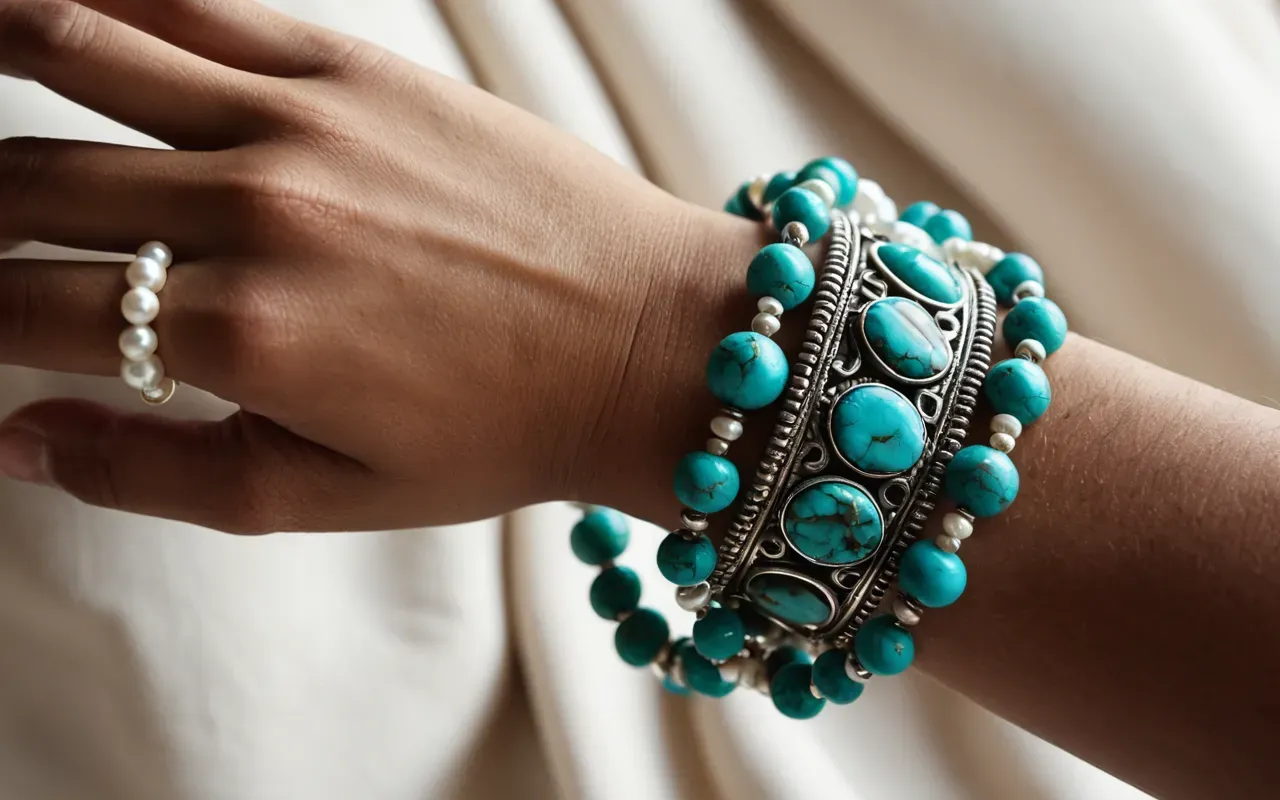
Emily Evans and Katherine Blake run a jewelry business called Em and Kat Creations. They sit behind their table with trays of shimmering stones.
Their story starts with an aunt who was sick of getting generic gifts. So she started making her own pieces instead.
The material they use is genuinely fascinating. They source turquoise from mines that have been closed for years.
This isn't a new stone. It's a finite resource, repurposed into modern designs. That scarcity creates value on the spot.
What struck me was the honesty of it. No fake marketing claims about ethical sourcing from active mines.
It's just history, worn on the wrist. There's a poetic weight to that — one no lab-created gemstone can match.
The Candle Maker Who Cured Her Anxiety
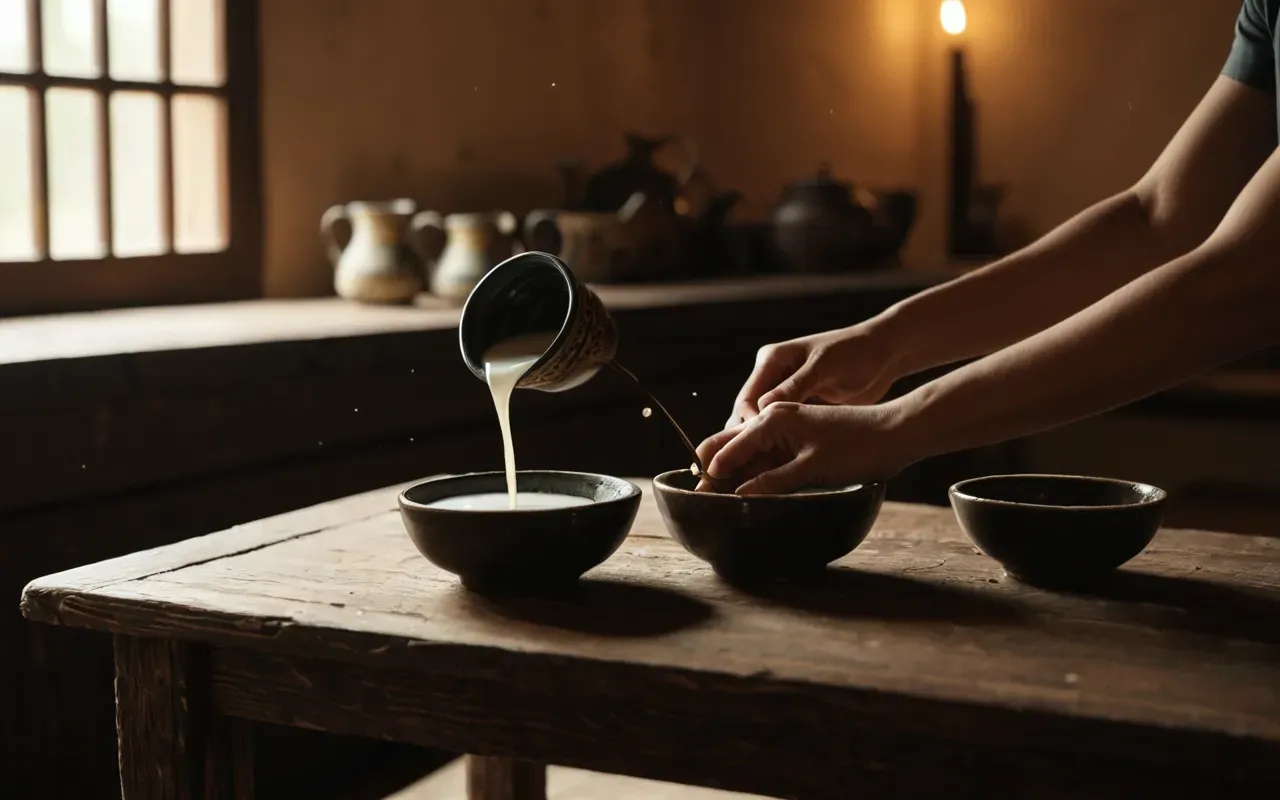
Next to the jewelry booth was Loriza Anthony. She pours soy wax into small ceramic mugs sourced from Mexico.
Her brand is called Corazon Calavera. She started the venture during the pandemic in 2020.
She told me, plainly, that pouring helped her overcome severe anxiety. The ritual gave her control.
Her customers aren't just buying a scent. They're buying the relief that comes from holding something warm and handmade.
She uses premium fragrance oils at the maximum safe concentration of ten percent. Most buyers never notice a detail like that.
But the emotional hook is stronger. In a digital world full of noise, this smells like quiet.
Why Scent Drives Purchase Decisions More Than Price
Psychologists have long noted that olfactory cues bypass logical processing. They go straight to memory.
When a customer smells Anthony's candles, they aren't calculating cost per ounce. They're remembering comfort.
Which explains why artisan fairs stay popular even with e-commerce everywhere. You can't smell a candle on a screen.
The Live Art Experience That Changes Everything
One booth sold name paintings created right in front of customers. Artists painted names and set them out to dry along the river.
Others offered caricatures and henna tattoos. The transaction wasn't really about the final product.
It was about watching creation happen in real time. The customer becomes a witness to the craft.
That dynamic is missing from most online stores. You click a button and wait for shipping.
Here, the item has a moment of birth. That narrative stickiness is powerful for brand loyalty.
Who Wins When Consumers Choose Local Craftsmanship
Radhika Prajapati attended the fair with friends. She noted the positive atmosphere — families and couples enjoying the weather.
She mentioned liking to see local goods. That preference signals a shift in spending habits across the region.
The winners aren't just the vendors. They're the neighborhoods that host these events.
Foot traffic rises for nearby restaurants and shops. The fair acts as a magnet for the whole district.
Large corporations lose out on this specific type of engagement. They can't replicate the intimacy.
I think this trend only grows from here. As digital fatigue sets in, people crave tangible connections.
How To Style These Artisan Pieces In Your Wardrobe
The turquoise and pearl combinations from Em and Kat are surprisingly versatile. They don't look like costume jewelry.
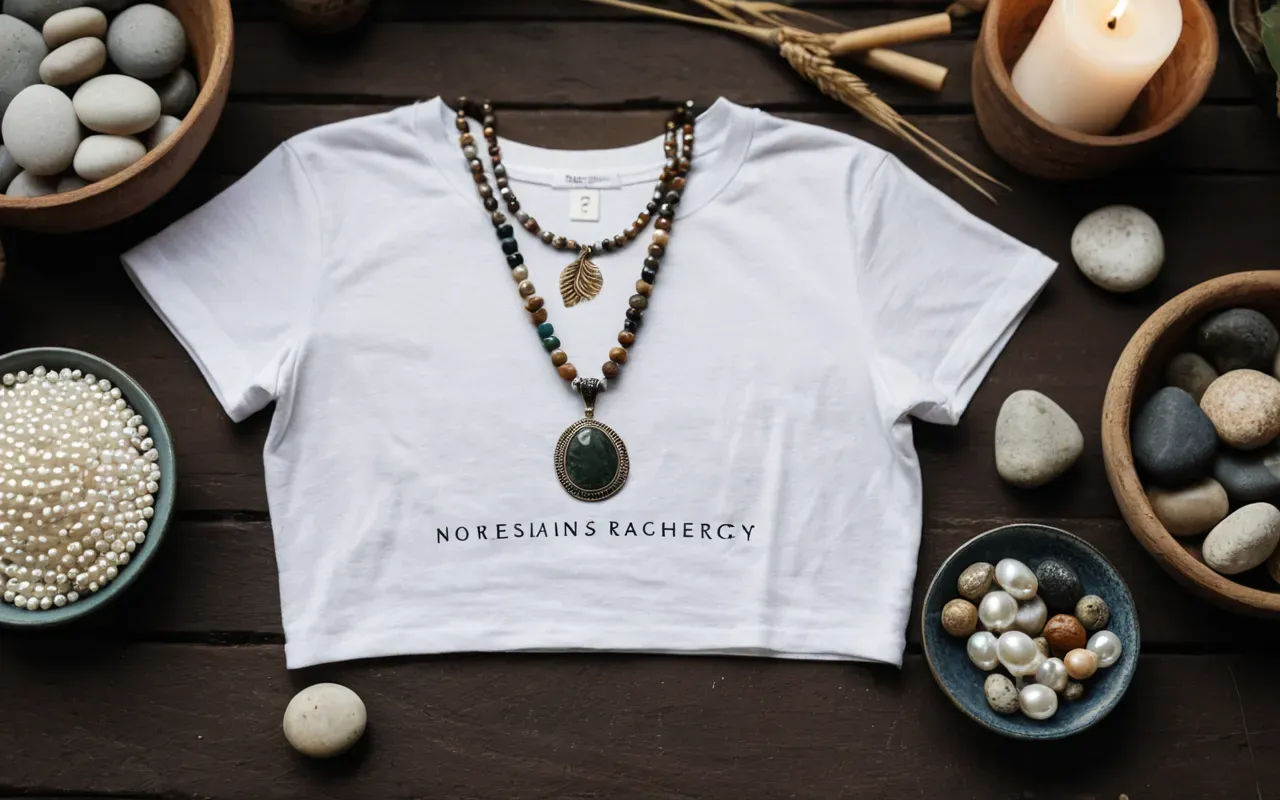
Pair a simple white tee with an intricate statement necklace. The contrast elevates the basic outfit instantly.
For evenings out, stack delicate bracelets with solid gold bangles. The mix of textures adds depth.
The candle can serve as a centerpiece at dinner parties. It adds warmth without the clutter of plastic decorations.
These items are conversation starters. People will ask where you got them. You have the answer.
Caring For Natural Stones And Organic Waxes
Turquoise is porous. Avoid submerging it in water or exposing it to harsh chemicals like chlorine.
Store your pieces in a dry place away from direct sunlight to prevent fading of the organic waxes nearby.
If you are curious about how to reduce waste in your accessory collection, this topic is closely related.
The Future Of Artisan Markets In The US Market
River Walk Artisan Shows happen multiple times a year. They are free for shoppers to attend.
Vendors can apply through specific interest forms. This open access ensures a diverse range of creative voices.
I predict these fairs will become critical economic hubs. They are not just weekend hobbies anymore.
They are a counter-movement to the sterile efficiency of big-box retail. They offer soul.
If you are looking for unique pieces that tell a story, this is where to start. The quality is undeniable.
The labor day fair proved that handmade works luster in a way mass production never can. It is raw and real.
So next time you walk past a sidewalk market, stop. Look at the hands making the things.
You might find a piece that changes how you see fashion entirely. And that is worth the time.