Top 10 Handmade Jewelry Styles for Every Occasion
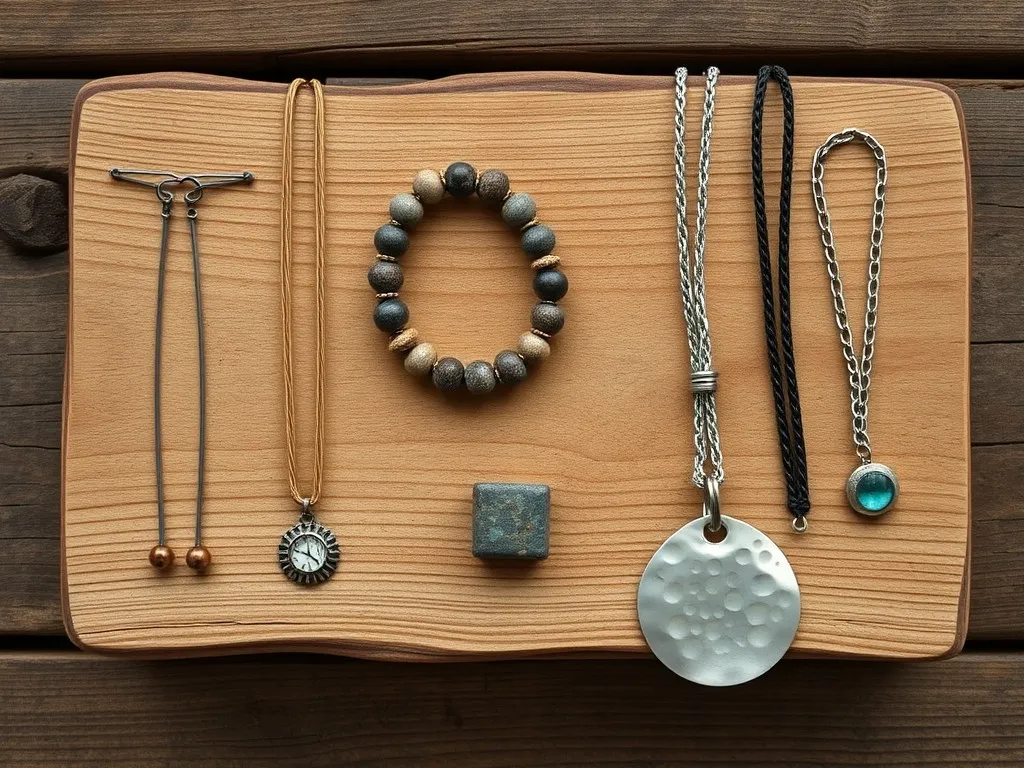
Handmade jewelry styles fall into ten recognizable groups: minimalist, bohemian, classic, romantic, statement, beaded, wire-wrapped, metal-based, polymer clay and mixed media. Each is defined by its materials, shapes and finish, and each suits different occasions, from thin minimalist chains for daily wear to bold statement pieces for evenings. Before comparing them, it helps to know which pieces actually qualify as handmade, because the label is looser on a market stall than it is in law.
The plain definition is that handmade jewelry is assembled and formed by hand rather than by machines. In the United States, Federal Trade Commission guidelines are stricter still: a piece must be made solely by hand power or hand guidance before a seller may stamp it or call it handmade in the US market.
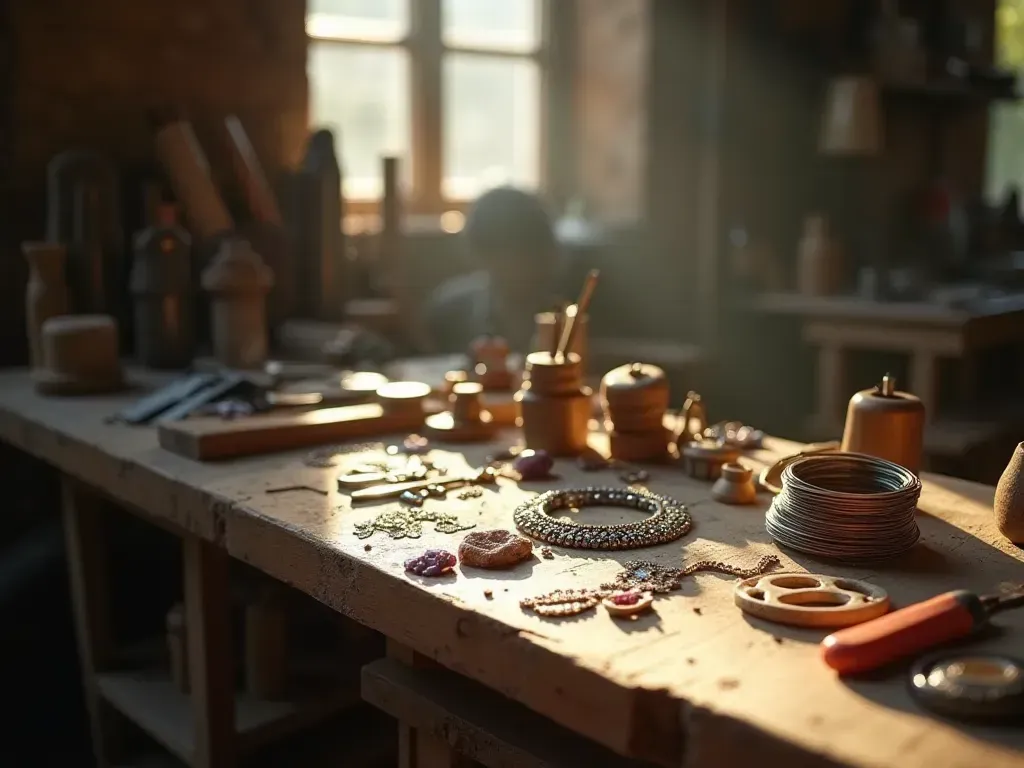
Tools are not the dividing line. A maker may use drills, lathes or other machinery provided the human hand guides the work at every stage. What disqualifies a piece is the hand stepping out of the process: punch presses, CNC machinery and casting count as mass-production procedures, and jewelry made with them cannot honestly carry the handmade label.
So when you pick up a piece, ask what formed it. A sawed, soldered or wrapped setting that shows slight variation from its twin is handmade; identical units that drop from a mould or a press are not, however they are displayed.
The Five Style Families You Will See Most Often
Almost every handmade piece you pick up belongs to one of five families. Learn their visual cues and you can name a style across a market table in seconds, then judge whether it suits the occasion you have in mind.
Minimalist
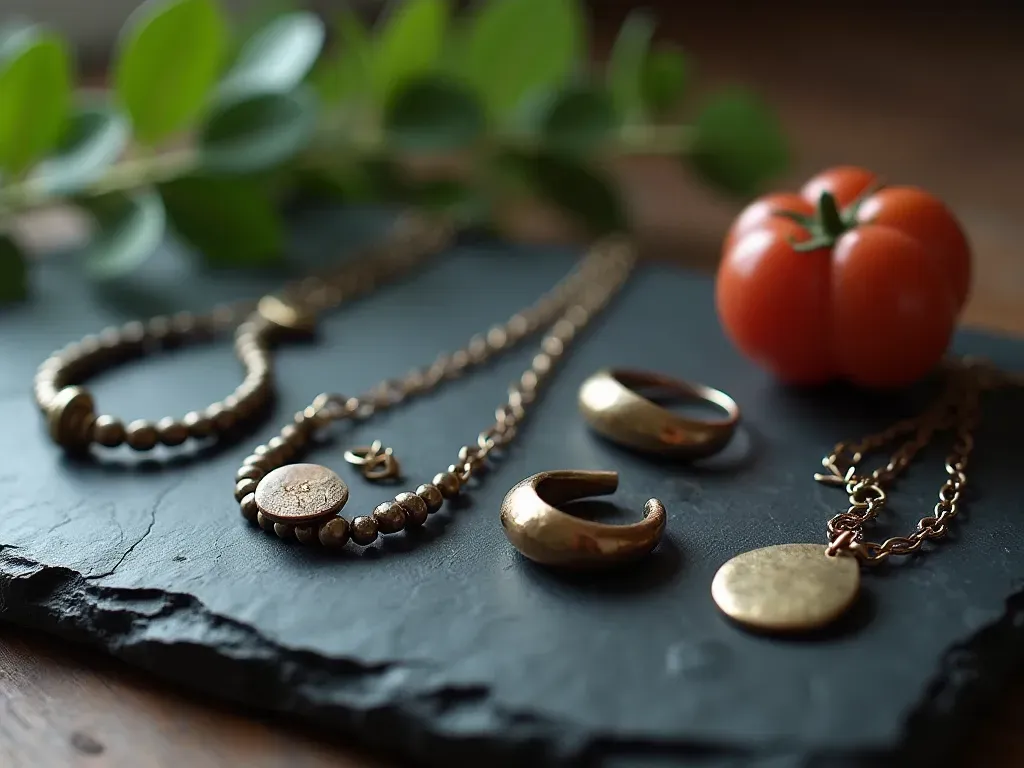
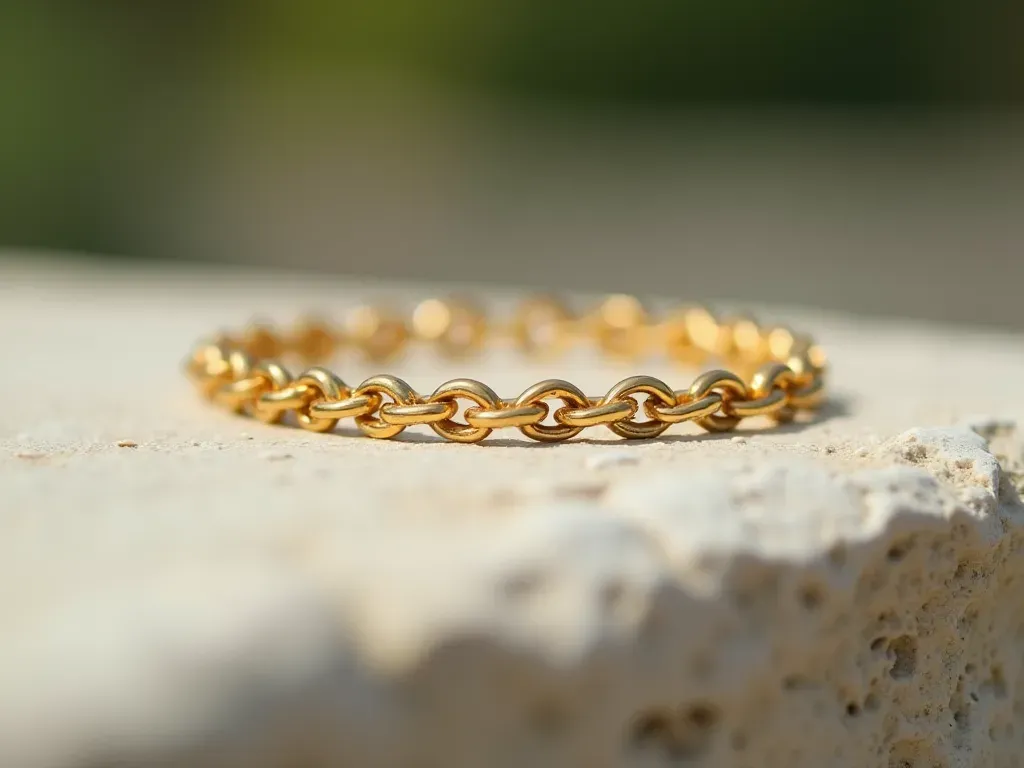
Minimalist handmade jewelry relies on simple shapes and subtle detail: thin chains, small hoops, delicate rings, tiny pendants and plain bracelets. The craft shows in proportion and finish rather than ornament, so look for even links and clean solder joints. It disappears into a workday outfit, which is the point.
Bohemian and Classic
Bohemian pieces favor organic shapes, colorful stones, beads, natural materials and textured finishes. Expect asymmetry and a mix of surfaces rather than matched polish. Classic handmade jewelry takes the opposite route, using traditional shapes and refined finishes with pearls, simple gemstones and polished metals. It reads as formal because nothing competes for attention.
Romantic and Statement
Romantic and statement styles sit at the two ends of scale. Romantic work is delicate and layered, built from fine components that stack; statement work is bold and architectural, where the silhouette carries the design. Some makers push structure further, as with handmade functional rings built around a usable element rather than a stone. Read the scale first, then the detail.
Beaded, Wire-Wrapped and Metal-Based: The Technique-Led Styles
Beaded jewelry is the most familiar of the three: glass, gemstones, wood and metal are strung into single or multi-strand pieces, with the bead choice and the spacing doing most of the design work. The construction is simple to read at a glance, which makes it the easiest style to match to an outfit, and the easiest to damage if a strand is strung on weak thread.
Wire-Based: Shaped, Not Soldered
Wire-based work bends and shapes thin strands of metal, such as sterling silver or gold-filled wire, to hold beads or stones in place without heat or soldering. Look for the wrap: a tidy coil and a cut end tucked flat tell you the maker finished the piece rather than stopping at the first loop. These pieces tend to be lighter and more adjustable than metalwork, since the wire can be bent slightly to fit a wrist or neckline.
Metal-Based: Built With Heat and Tools
Metal-based jewelry is crafted through techniques including soldering, casting, hammering, cutting and welding. That range explains why two pieces of similar size can feel so different in the hand: a cast pendant is solid and uniform, while a hammered band shows the marks of the tool that shaped it. Soldered construction is the most structural of the three styles, which is why it suits rings, clasps and settings that have to hold their shape under daily wear.
Polymer Clay, Mixed Media and the Craft-Led Styles
Polymer clay jewelry, also sold as Fimo or plastic clay, starts as a pliable block that is conditioned, molded, cut and then baked into a permanent shape. The result is light enough to wear as a large earring or cuff without pulling at the earlobe, which is why the style skews toward statement silhouettes. Color is worked into the clay itself rather than applied on top, so cane patterns and marbled swirls run through the full thickness of a piece.
Mixed media goes further, combining metals, beads, resin and fabric into a single piece. A resin cabochon set in a hammered bezel, or a fabric cord strung with metal and glass, sits in this category. The draw is contrast: matte against gloss, rigid against soft, warm tones against cool. Because the maker is assembling rather than casting, small variations between pieces are normal and often deliberate.
Both styles carry more color and pattern than metal-only work, which makes them the easiest entry point for a bold look. They are also the most likely to be one-of-a-kind, since a cane pattern or a resin pour rarely repeats exactly. Because cane patterns and resin pours rarely repeat, treat one-of-a-kind pieces as a purchase to decide on the spot rather than a style to shop for later, and if authenticity is a concern, learn how to spot genuine craft before you commit.
Matching Each Style to the Occasion
Start with the dress code and work backwards. A thin chain with a single small pendant, or a pair of hoops no wider than a fingertip, sits neatly against a blazer collar and a buttoned shirt without crowding either. Keep the metal tone consistent with your watch or rings so the whole look reads as deliberate rather than accumulated.
Weekends and festivals reward volume. Layer beaded strands, stack a few natural-material bangles, and mix lengths so the pieces overlap instead of lining up in a row. Bohemian styles tolerate clashing colors and textures better than any other family, so this is the occasion to wear the pieces that feel too loud for the office.
Weddings and formal events call for restraint and finish. Pearls, polished metals and a single simple gemstone read as considered in photographs and in low light, and they hold up against dressy fabrics that would overwhelm a matte clay piece. Choose one focal element, such as a strand or a pair of drop earrings, and let the neckline do the rest.
For evenings and parties, wear one statement piece and keep everything else quiet. A large sculptural pendant, an oversized cuff or a bold earring works because nothing competes with it. Remove the everyday stack before you add it, or the impact disappears into the noise.
The pattern across all four is simple: the more formal the room, the fewer pieces and the cleaner the material. The more casual and expressive the setting, the more you can layer, mix and mismatch.
A Simple Rule for Choosing Your Handmade Jewelry Style
Start with the outfit, not the jewelry. Count the competing elements: a busy print, a bold color and a dramatic neckline already fill the frame, so reach for minimalist or classic pieces that sit quietly. A plain outfit leaves room, which is where statement and bohemian styles earn their place. The jewelry answers what the clothes are or are not doing.
Then match the finish to the fabric. Polished metals sharpen tailoring, while textured, matte and hammered surfaces sit naturally against linen and knit. A mirror-bright cuff against slubby linen reads as a mistake; a brushed one reads as intentional.
Buy within one style family at a time. Pieces from the same family share scale, finish and motif, so they layer instead of fighting. The makers building recognizable signatures tend to work this way, and it is why their pieces stack well.
Finally, test the piece against your week. If it only works for one occasion, it is a costume. If it works for three, it is a wardrobe piece, and that is the one to buy.
Where These Styles Come From and Why the Label Matters
Every piece in these style families passes through a pair of hands more than once. Artisans design, shape, assemble and finish each piece individually, which is why two beaded necklaces made from the same pattern still differ in spacing, tension and clasp placement. That variation is not a defect to forgive. It is the signature of a person making a decision at each step.
The scale of this craft economy is older than most buyers assume. The oldest handmade jewelry trademark sits in Florence, Italy, a reminder that guilds, workshops and named makers have organized this trade for centuries. Buying handmade places you in that lineage rather than at the end of a production line.
Style families double as a detection tool. Once you can name wire-wrapping or polymer clay, you can spot a mass-produced piece that borrows the silhouette without the technique, usually in the joins, the finish and the repeatability of every unit in the tray. When in doubt, ask the maker which technique was used. The answer names the style before you have to guess.
Frequently Asked Questions
Which handmade jewelry style is best for everyday wear?
Minimalist handmade jewelry is the best choice for everyday wear. It typically uses simple shapes and subtle details such as thin chains, small hoops, delicate rings, tiny pendants, and simple bracelets, so it suits daily outfits without feeling heavy or fussy. As a practical test, choose pieces under 2cm wide in a single metal tone; they sit under a collar and survive daily wear without snagging.
Is polymer clay jewelry considered real handmade jewelry?
Yes, polymer clay jewelry counts as real handmade jewelry, since it is assembled and formed by hand rather than by machines. It is also called Fimo or plastic clay, and it appears on standard lists of handmade jewelry types alongside metal-based, beaded, wire-based, and mixed media styles.
How can I tell wire-wrapped jewelry from cast jewelry?
Wire-wrapped jewelry is made by bending and shaping thin strands of metal, such as sterling silver or gold-filled wire, to hold beads or stones in place without heat or soldering. Cast jewelry is produced by pouring metal into a mold, a mass production procedure that would disqualify a piece from being called handmade.
What handmade jewelry style makes a good gift?
Classic handmade jewelry makes a reliable gift. It uses traditional shapes and refined finishes, with materials such as pearls, simple gemstones, and polished metals, so it suits many tastes and occasions. Bohemian styles with colorful stones and natural materials work well for someone with a more relaxed, expressive look.
For the full overview, see handcrafted jewelry overview.
Related in this series: authentic handmade jewelry identification.